
11 Status Symbols From The 90s That Only Upper Middle Class People Care About Anymore
 pikselstock | Shutterstock
 The difference between wealthy people today and the upper middle class in the 90s is the wealth gap. In the 90s, more people could afford some of the basic status symbols they sought out in their daily lives, but today, even the middle class is struggling to afford basic necessities and groceries. In the current climate, talking about status symbols is a challenge because so many people aren’t even close to thinking about spending for fun or by choice.
However, the old luxuries and status symbols from the 90s that only upper middle class people care about anymore aren’t just about affordability, but also changes in personal style, trend cycles coming back around, and financial freedom that only the wealthiest Americans can afford today.
Here are 11 status symbols from the 90s that only upper middle class people care about anymore
1. Giant oak furnishings
 U.J. Alexander | Shutterstock
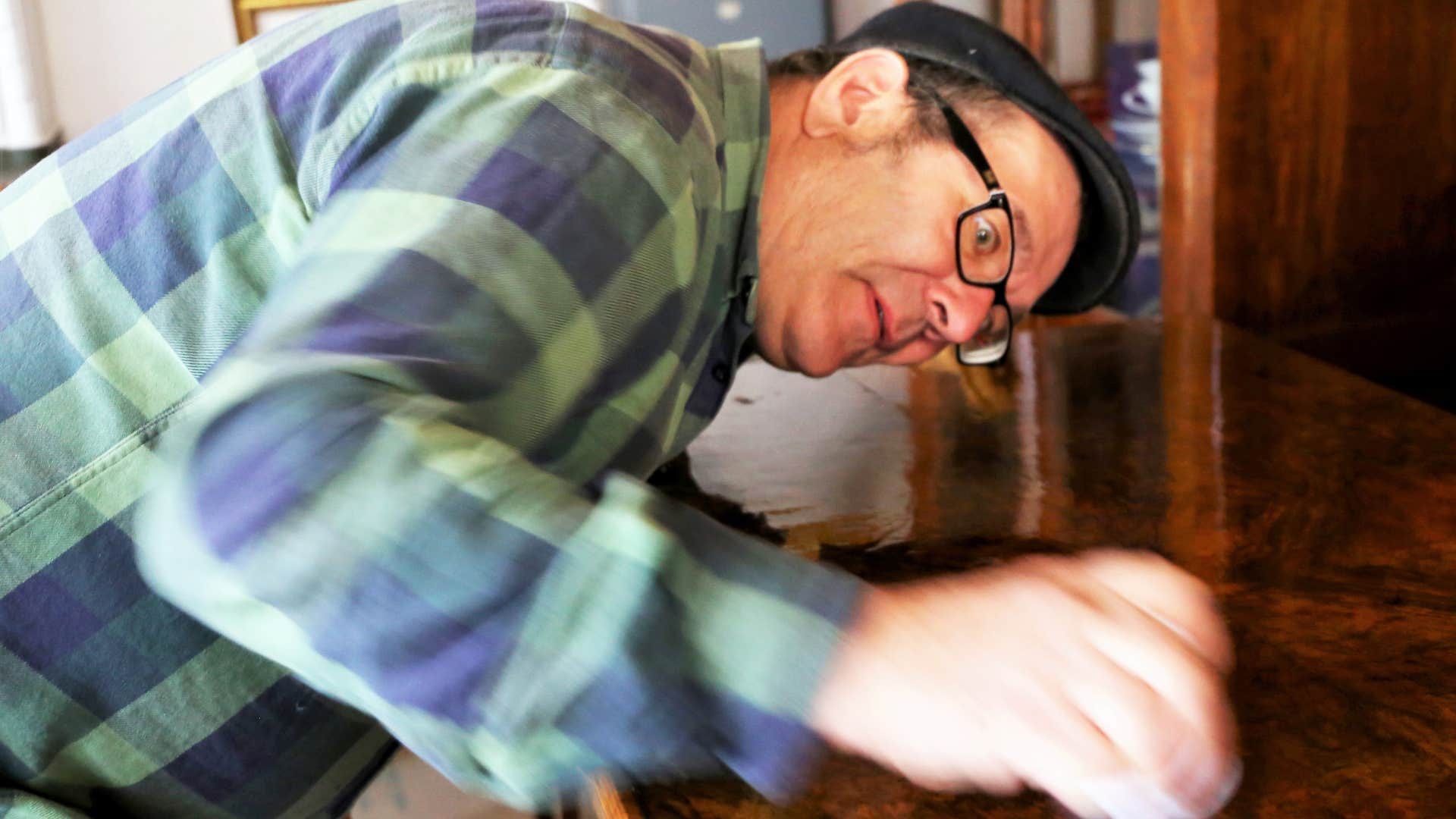
Whether it’s a huge oak desk for an at-home office or a bedroom set that’s heavier than anything in the home, giant oak furnishings are one of the status symbols from the 90s that only upper middle class people care about anymore. Especially considering that these home furnishings are a huge burden to people who can hardly afford to rent or own a home, it’s not surprising that they opt for secondhand, lower-quality alternatives.
With the average home costing over $16K to completely furnish, without these special, vintage, full oak options, it’s become unrealistic to even consider these kinds of lux options.
2. Kitchen islands
 jittawit21 | Shutterstock
Part of the reason why so many people love 90s kitchens today is that they’re not only welcoming and warm, they’re also practical. With things like spacious cabinets and kitchen islands, spending has its perks. While some things might’ve gone out of style, there are still some status symbols from the 90s that only the upper middle class are about anymore, or rather, have the wealth to afford.
For many people who have stopped caring about these things or making space for them in their homes, it’s not about choosing between luxuries. They likely don’t have the space or the financial means to afford them. They’re living in small apartments or homes that don’t have the space.
3. Brand-name foods
 ViDI Studio | Shutterstock
According to a survey from Purdue University, many people who regularly choose brand-name foods over their generic alternatives do so because of the taste. They have the freedom to spend more on these higher-priced foods, all for the comfort and enjoyment of eating and making food.
However, for low-income people today, already struggling with affording the basic necessities, they don’t have the freedom to prioritize their comfort over their spending.
In the 90s, it was things like Lunchables in the fridge, but today, brand-name status symbols look different for upper middle class people — whether it’s brand name, organic meats, or fresh produce from the store.
4. In-ground pools
 dr.D | Shutterstock
Alongside media that painted pools as a luxury symbol, especially amid the popularity of public pools in the 80s and 90s, it’s no surprise that the privacy and luxury of a private in-ground pool at home is a status symbol from the 90s that only the upper middle class can truly afford to upkeep today.
Not only is the smell of chlorine a sign of an expense that costs pool owners more than most realize, but the general upkeep, seasonal storage, and usage of the pool in free time are all things that are tied to the wealthy today.
5. Leather couches
 fizkes | Shutterstock
According to a study from Furniture Today, more Gen Xers and affluent people today are willing to spend the most on leather furnishings and couches in their homes.
Compared to lower-income and younger alternatives that would prefer to keep their money for other things, or don’t have the disposable income to spend that much on a luxury furnishing, it’s not surprising that these things have remained status symbols, at least for the upper middle class.
6. Carpeted homes
 Pixel-Shot | Shutterstock
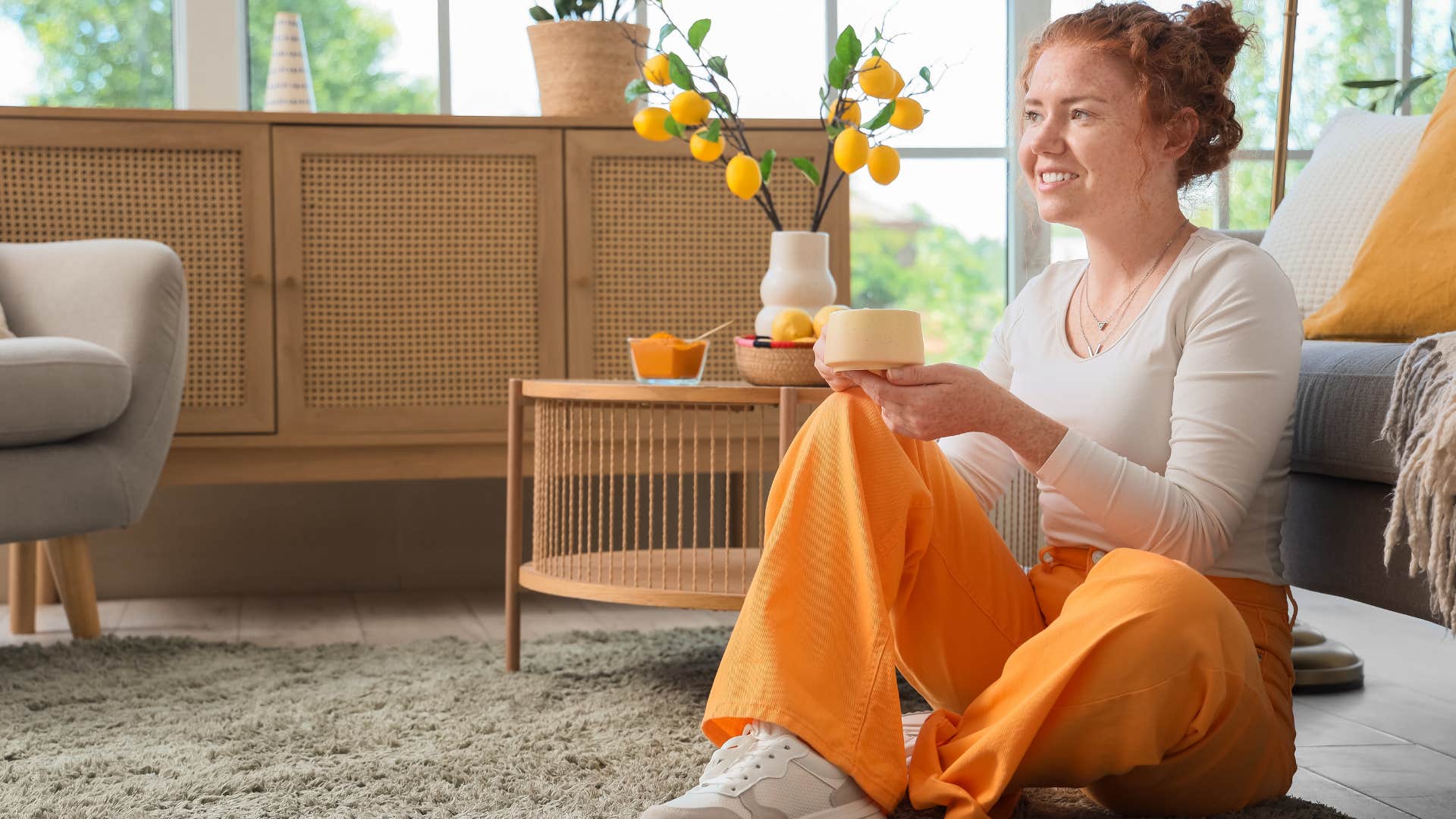
For lower-income people, who may struggle with affording upkeep and cleaning for carpet in the home and live a more hypervigilant life trying to protect it from spills, having a carpeted home is more of a burden than a luxury.
Yet, it’s one of the status symbols from the 90s that only upper middle class people care about anymore, because they have the disposable income to pour into keeping it clean and fresh.
While the beige and neutral colors that were popular in the 90s are subtly going out of style in upper-middle-class homes today, they’re still signs of wealth in many homes.
7. Home workout equipment
 Frame Stock Footage | Shutterstock
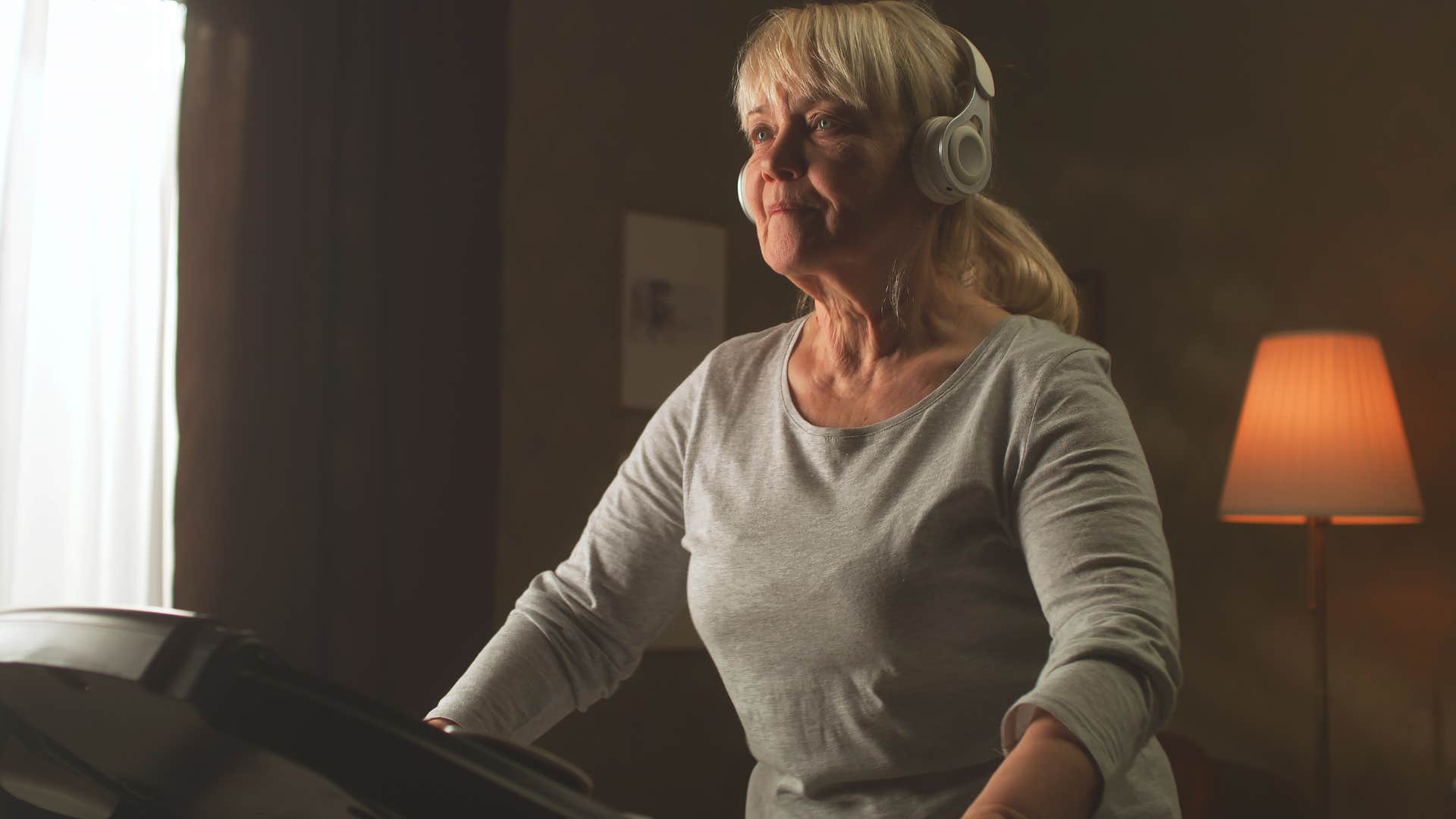
While workout and wellness equipment have transformed in the modern era into Oura rings and Pelotons, the truth is that they’re still largely status symbols from the 90s that only the upper middle class can afford now. The same upper-class families with workout sets and treadmills in their basements now spend thousands on these wellness trends today.
Especially as more younger generations today prioritize wellness in their shopping habits, it’s not surprising that these movement rituals have taken a new shape — with rent-level workout class expenses and fancy athleisure growing in popularity.
8. A garage fridge
 Stock-Asso | Shutterstock
In the 90s, there’s no denying that having an outdoor freezer or a fridge in the garage filled with Diet Coke and extra snacks for the kids was a status symbol. It was a clear sign of wealth, and today it remains one of the things that many wealthy families with the financial freedom to invest in them possess.
They not only have the money to buy the fridge and pay for the extra utility expenses they require, but also to fill it with food and beverages, even as grocery prices rise dramatically.
9. A landscaped front yard
 Budimir Jevtic | Shutterstock
While everyone else is struggling to find the time to mow their lawn or carve out money to even think about shopping for aesthetic touches, landscaping is one of the activities that only the upper middle class has the resources to indulge in. Of course, so many people don’t even have access to this kind of healthy green space at all — living in congested apartment complexes or urban centers without yards.
Research shows that it’s wealthier homes, in higher-income neighborhoods, that generally have more plants, landscaping work, and greenery in their yards and homes, so it’s not a shock that this is one of the status symbols from the 90s that’s stuck for the wealthy today.
10. Subscriptions
 PeopleImages | Shutterstock
In the 90s, Consumer Reports and National Geographic subscriptions were all the rage, but in modern days, subscriptions are still a status symbol that upper middle class people care about.
From streaming subscriptions on the TV, to gift boxes of cosmetic and hygiene products, and even grocery deliveries, this kind of convenience and entertainment is an over-expense that people with the money to spend are all in on.
11. Guest rooms
 MilanMarkovic78 | Shutterstock
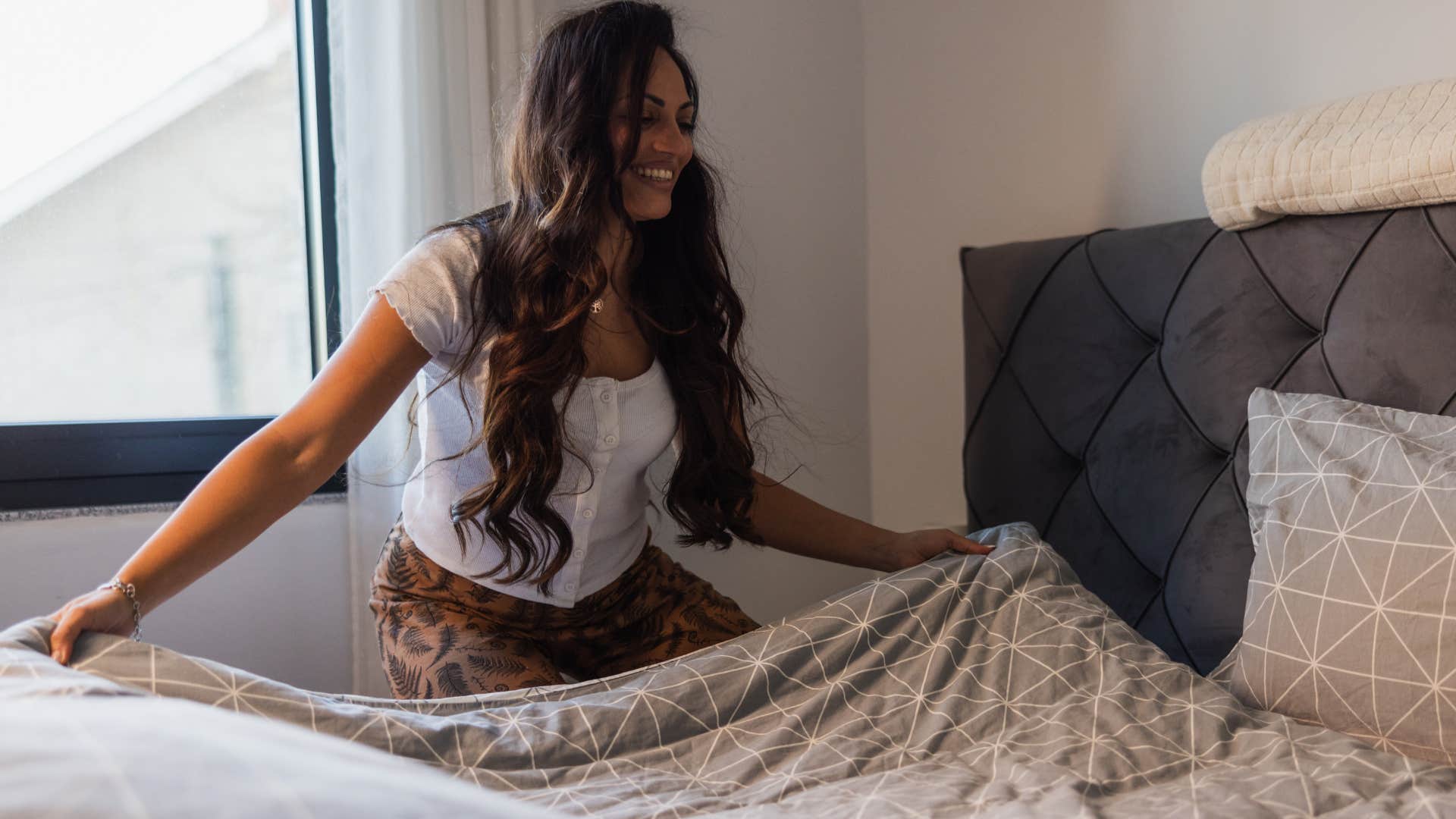
Many modern influencers and families today are “all in” on decorating their guest rooms, making it comfortable for loved ones, and even filling it with necessities that their low-income counterparts struggle to even buy for themselves.
They’re buying extra toiletries for the guest bathroom and covering the bed in luxury sheets, and while they might look aesthetically different from the 90s, they’re still one of the status symbols from that time that only upper middle class people care about anymore.
Zayda Slabbekoorn is a senior editorial strategist with a bachelor’s degree in social relations & policy and gender studies who focuses on psychology, relationships, self-help, and human interest stories.
