
People Who Almost Always Double Check That The Door Is Locked Have 11 Traits Not Found In Everyone
 MintImages | Shutterstock
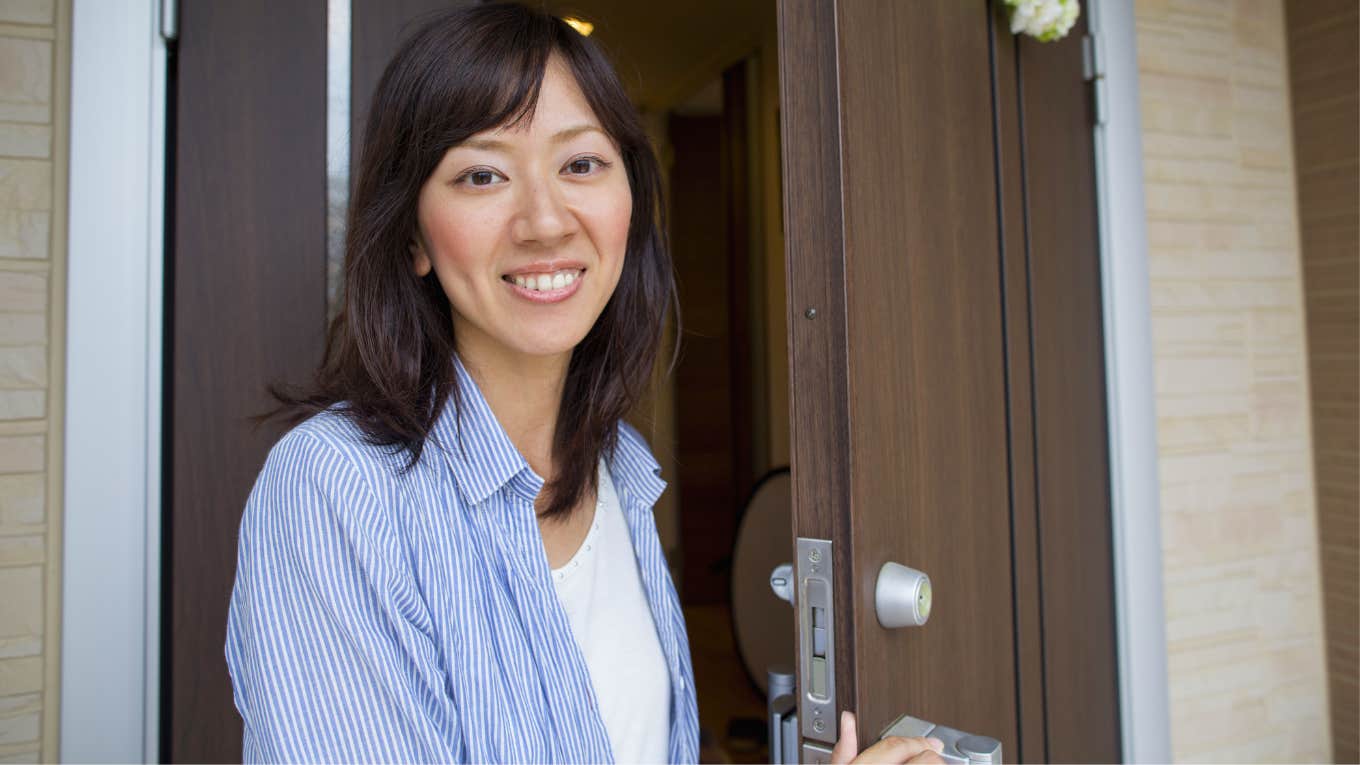
 We've all been there — lying in bed at night, wondering if the front door is actually locked. It's the same feeling we have thinking about lit candles or a plugged-in hair tool after heading to work in the morning. However, this reflexive thinking may be more common for some. People who almost always double-check that the door is locked have certain traits not found in everyone.
Even if this reflex improves the accuracy of actually locking their door over time, experts from Cottonwood Psychology argue that double-checking can actually chip away at a person's memory. Essentially, the more someone double-checks the lock on their door, the better they'll be at remembering to do it the first time, but the less accurate they'll be at remembering if they did it.
People who almost always double-check that the door is locked have 11 traits not found in everyone
1. They're conscientious
 PeopleImages | Shutterstock
People who almost always double-check that the door is locked have traits like conscientiousness that aren't typically found in everyone. They're meticulous and organized by nature, which means that the random routines and rituals that the average person overlooks in favor of comfort are likely things that a conscientious person always makes the time for.
They're more concerned with ritual, progress, and safety than instant gratification.
2. They're catastrophizers
 Margarita Nikolskaya | Shutterstock
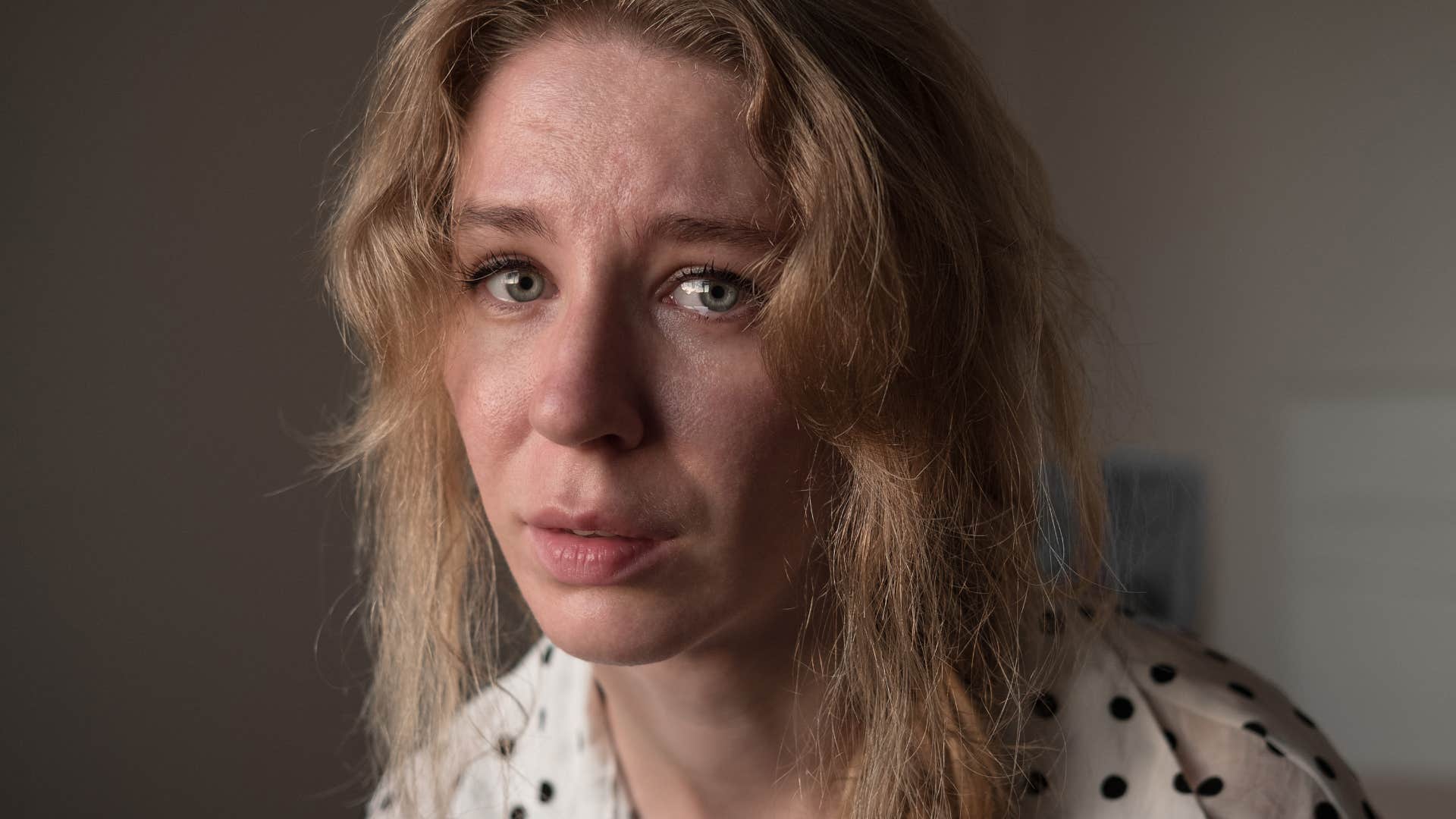
People who have been through a lot in life or are wired to consider only the worst-case scenario may be more hypervigilant about their safety on an everyday basis. If they're always worrying about people breaking into their home or feeling unsafe when it gets dark outside, double-checking locks and rechecking their alarm system may feel like a second-nature impulse.
Like any of the other thinking patterns that encourage someone to be hypervigilant, it's important to find a balance between protecting your safety and living in a constant state of anxiety about the worst thing that could happen.
3. They're overthinkers
 voronaman | Shutterstock
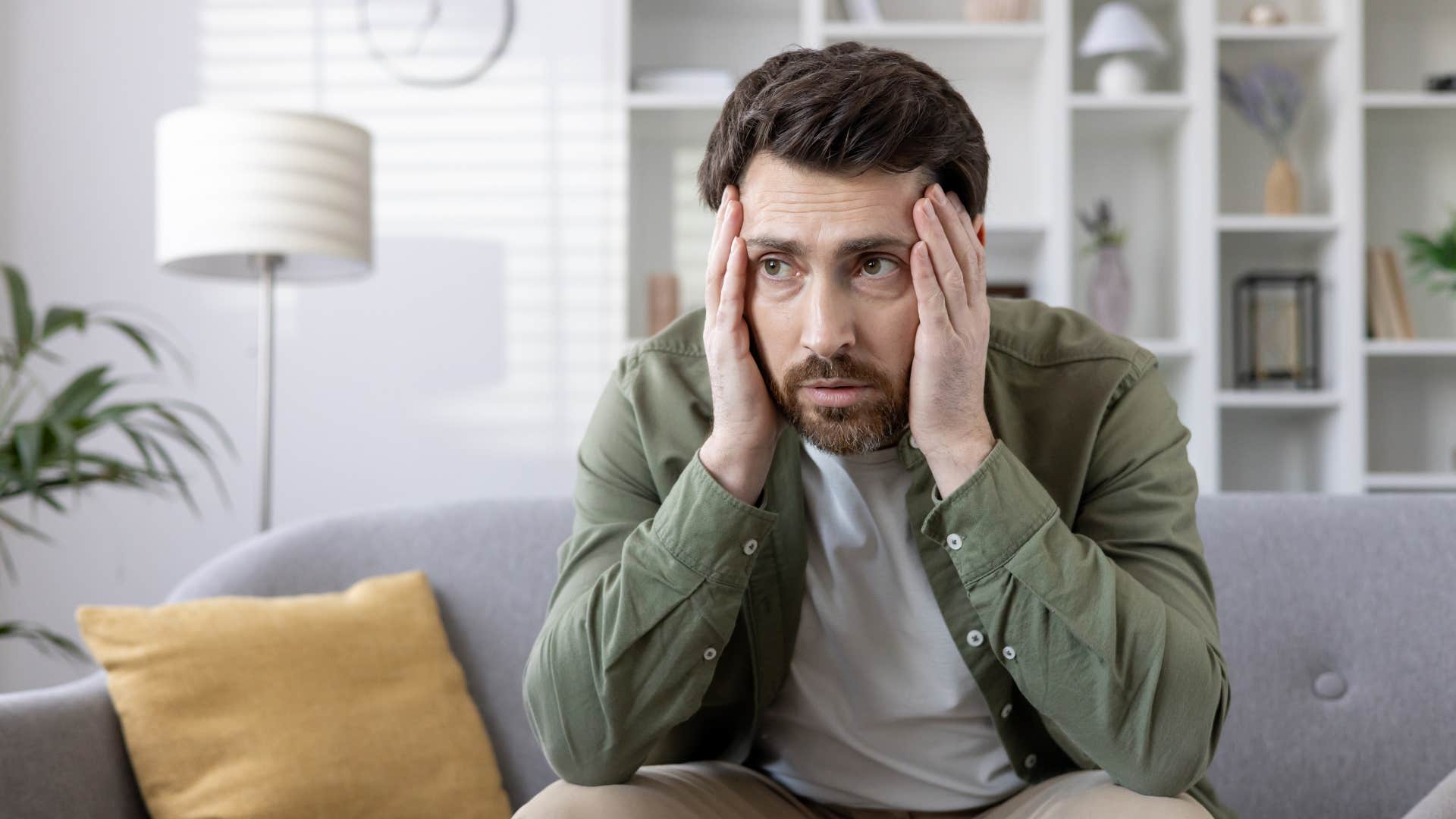
According to a study from the Journal of Anxiety Disorders, people with chronic anxiety and overthinking tendencies are often more likely to be hypervigilant in their everyday lives. If they're always worrying about the "what ifs," there's a chance that double-checking that doors are locked and being on alert about safety in public are ways to calm their anxious thoughts.
While it's important to protect yourself from falling into obsessive thought patterns and anxious thought spirals, these routines aren't necessarily a bad thing if they have safety and well-being in mind.
4. They're detail-oriented
 fizkes | Shutterstock
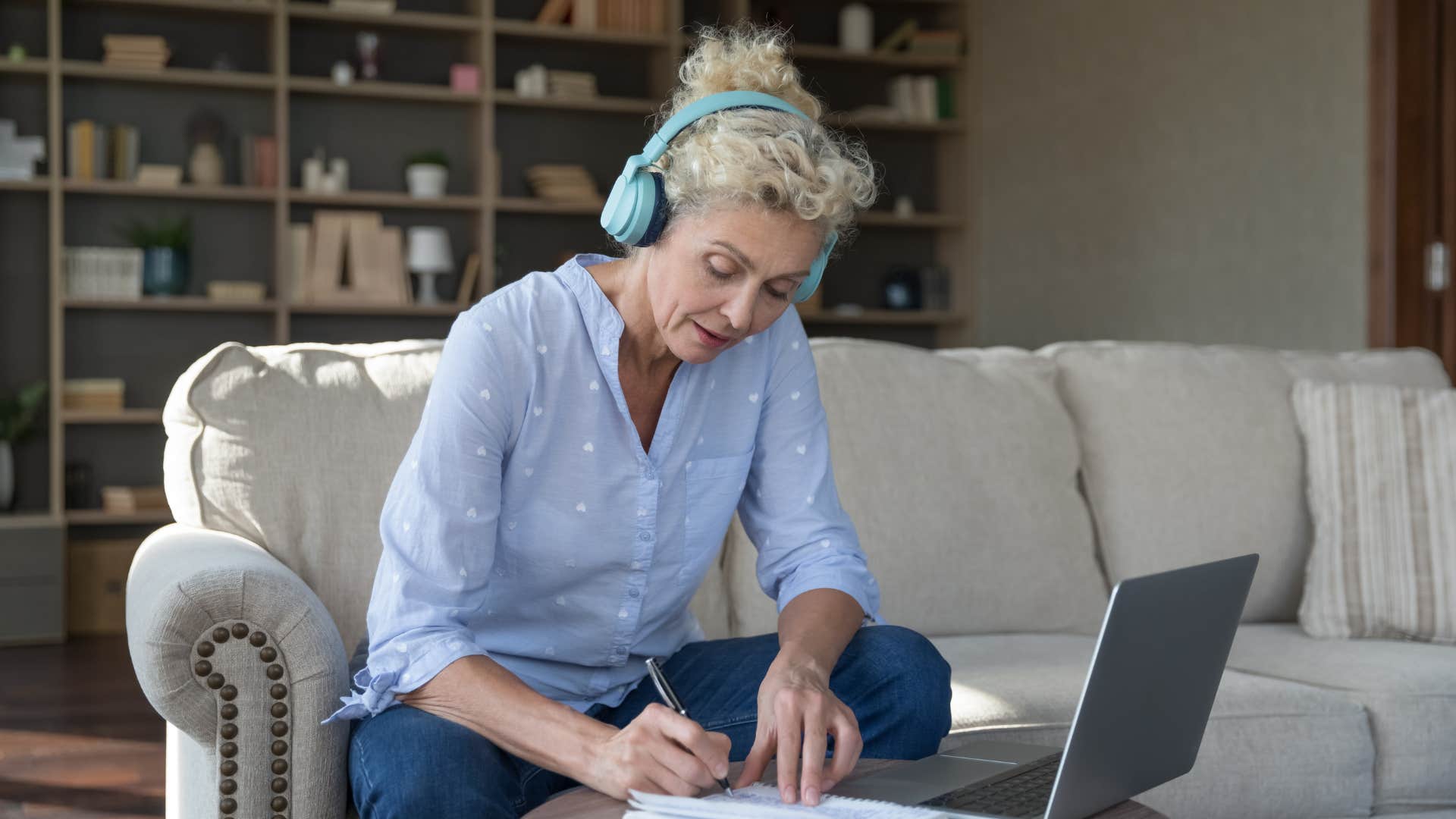
People who are detail-oriented by nature might be more likely to have little rituals before going to bed, like checking the locks on their doors or following an ultra-specific skincare ritual. They're used to considering small details and making space for specific routines, even if the average person is more "big-picture" focused.
While there is a fine line between obsessive thought patterns and detail-oriented ones that are important to be conscious of, double-checking the lock on the door for safety before going to bed is relatively harmless.
5. They're ultra-protective of their well-being
 PeopleImages | Shutterstock
While some people make risky, impulsive decisions and others live a more carefree lifestyle, people who almost always double-check that the door is locked have traits like being ultra-protective of their well-being that aren't found in everyone. They're not only conscious of their health and safety, but they also take daily, actionable steps to protect them at all times.
Even if that means protecting their emotional energy, as psychiatrist Judith Orloff explains, by doing and connecting with rituals that feel comforting before bed, they're willing to make space for them.
6. They don't trust passively
 Pheelings media | Shutterstock
Whether it's trusting someone they just met or relying on systems they haven't tested yet, people who almost always double-check that the door is locked often struggle to trust things and people. Even if they're having a hard time trusting their own judgment and memory, they have to "prove" trust in order to make space for it.
They're not easily swayed by other people's reassurance and experiences — they need to "double-check" and "test" everything themselves to feel calm and secure.
7. They're intuitive
 Jacob Lund | Shutterstock
Naturally intuitive people, who Orloff argues are often women, are more likely to sense when something is off or not right. They follow their gut instincts and practice leveraging their intuition in everyday life, even if it's for seemingly simple things like locking their doors and choosing to trust a stranger.
If they're lying in bed at the end of the night and the thought arises that they forgot to lock their door, they don't dismiss their gut feelings and write off their worries — they check.
8. They prefer to over-prepare
 f.t.Photographer | Shutterstock
While over-preparing can sometimes increase a person's anxiety, according to psychotherapist Richard B. Joelson, it can also protect them from being taken advantage of or thrown off-course by uncertainty. People who are over-prepared when it comes to their personal safety don't leave any room for "chance," because one mistake or slip-up has severe consequences.
People who almost always double-check that the door is locked have these traits that aren't found in everyone. They're over-prepared at home, even if that means spending money on a doorbell camera or getting out of bed to triple-check their front door.
9. They have a strong sense of integrity
 soul kitchen | Shutterstock
People who have a strong sense of integrity are the ones doing the "right" thing, even when nobody is around to notice or praise them for doing it. Whether it's following a healthy routine, making productive decisions, or even locking the door to their home, they're not waiting for someone else to be around to notice that they're being vigilant.
Luckily, according to a study from Social Psychiatry and Psychiatric Epidemiology, this kind of integrity feeds into a moral character that predicts happiness, well-being, and general health.
10. They don't love spending time alone
 Jose Calsina | Shutterstock
While a person prone to double-checking that their door is locked may like spending time alone sometimes, at night, when they're the only person around to protect personal safety, it can all feel a little overwhelming. Especially for people used to having a partner or roommate around, spending time alone without another person in their house can lead to more hypervigilant behaviors.
Even if it's a general fear of the dark, something nearly 30% of adults struggle with, it encourages them to be extra careful about safety precautions.
11. They're organized
 Migma__Agency | Shutterstock
Ultra-organized people, who don't appreciate uncertainty and "loose ends," are often the same ones prone to double-checking that their doors are locked before going to bed or leaving the house. They're not just organized at work or managing tasks, but also in cultivating a solid routine in their personal lives.
They care about intentionality, even if it means double-checking and crafting vigilant routines when they're not entirely sure if something was completed.
Zayda Slabbekoorn is a senior editorial strategist with a bachelor's degree in social relations & policy and gender studies who focuses on psychology, relationships, self-help, and human interest stories.
