
11 Things People Born In The 70s & 80s Refuse To Apologize For Anymore
 Galyamin Sergej / Shutterstock
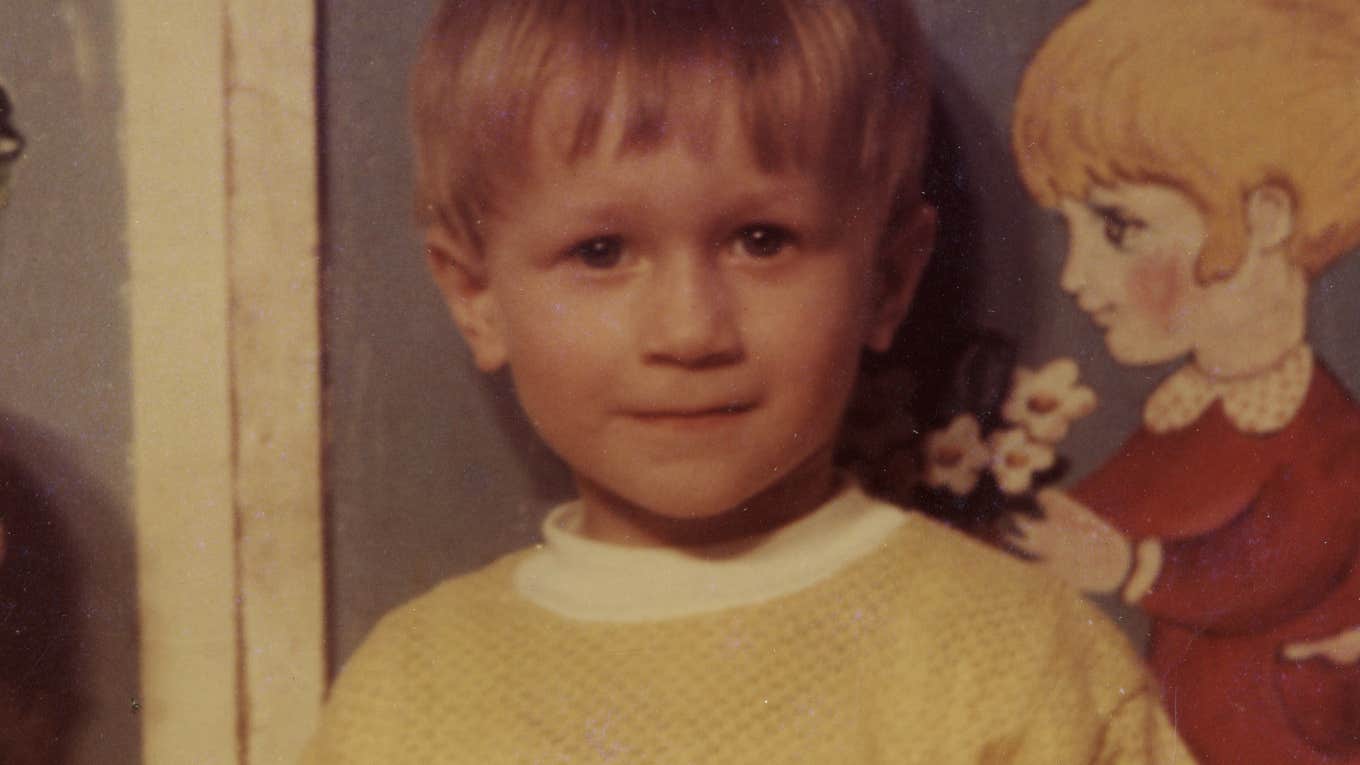
 Many kids born in the 70s and 80s, typically Gen Xers and older millennials, grew up feeling accountable for just about everything.
They were alone most of the time, with little parental oversight or guidance, and expected to figure everything out on their own. While they might have matured early and often felt forced to apologize for things they should never have had to manage, they’re now more resilient than most young people today. As they’ve hit middle age, there are many things they simply refuse to apologize for anymore.
Here are 11 things people born in the 70s and 80s refuse to apologize for anymore
1. Putting their own peace first
 simona pilolla via Canva
Kids born in the 70s and 80s had all kinds of responsibilities and obligations at home. They had to manage all these things, whether they liked it or not, because their parents' affection was often conditional on their performance and work ethic.
However, as adults, they have the power to put their own peace and comfort first. Even if that means occasionally breaking the social norms they grew up with or the household rules their parents instilled in them, they now have the autonomy.
2. Cutting off toxic family members
 Neirfy via Canva
While Gen Xers and elder millennials may still be figuring out how to deal with toxic family dynamics, more are establishing firm boundaries than ever. Despite growing up with family values and parents who expected respect, no matter how they behaved, they now have the freedom to create space for themselves if they feel they need to.
They’re tired of putting their own well-being and energy at stake in pursuit of being the perfect family. Even if it disappoints their parents and creates stress for themselves, if they’re being harmed and disrespected over and over again without accountability, there’s nothing worth saving.
3. Taking a break
 Esther Pueyo from Getty Images via Canva
While some adults still feel somewhat guilty about taking a break after growing up in a hustle culture as kids and adolescents, many Gen Xers are done apologizing for resting. They’re ready to put themselves first, usually because they’ve experienced first-hand what tolerating and normalizing burnout does to a person.
They’re not interested in existing in a state of hard work at their own expense, chasing something they don’t have. They’d much rather appreciate what’s in front of them, even if it disappoints their parents, who were raised with a much different mentality.
4. Asking for help
 Nanostock from Getty Images via Canva
Mental health stigmas and expectations of privacy in the 70s and 80s taught many Gen Xers and millennials to be secretive about their struggles. It was almost as if asking for help from someone, in both small and large ways, was an admission of weakness, rather than a sign of strength and vulnerability.
While it might seem cliché for Gen Zers raised in a culture where almost everyone talks about their struggles, it’s freeing to exist in a world where it’s okay to not be okay. Older generations have started fighting back against the stigmas that kept their parents and grandparents from asking for help, largely by seeking support themselves.
5. Protecting quiet weekends
 evablancophotos via Canva
Instead of feeling pressure to be constantly doing something productive or filling their schedules to appease their parents, people born in the 70s and 80s no longer have to apologize for protecting their free time in adulthood.
They may have the same kinds of household labor and chores to keep up with as when they were kids, but now they have the autonomy to push things off or choose to relax on days when they need the extra respite. Especially for the sake of appreciating the present moment, slowing down can both relieve stress and make time feel richer.
6. Aging naturally
 mimagephotography via Canva
Many people have grown up believing there’s something to hide or run from when it comes to aging. However, modern studies show that aging is not synonymous with decline. In fact, accepting the aging process and learning new healthy habits can actually promote quite the opposite.
Whether that means not wearing makeup or putting on comfortable clothes to leave the house, they’re no longer apologizing for simply going out into the world as their natural selves.
There’s no longer a pressure to appear presentable or to look youthful all the time, at least for most Gen Xers, because they’ve accepted aging themselves. They don’t need to perform for anyone, including their parents or the stereotypes they set in place.
7. Safeguarding their energy
 Barbara Olsen from Pexels via Canva
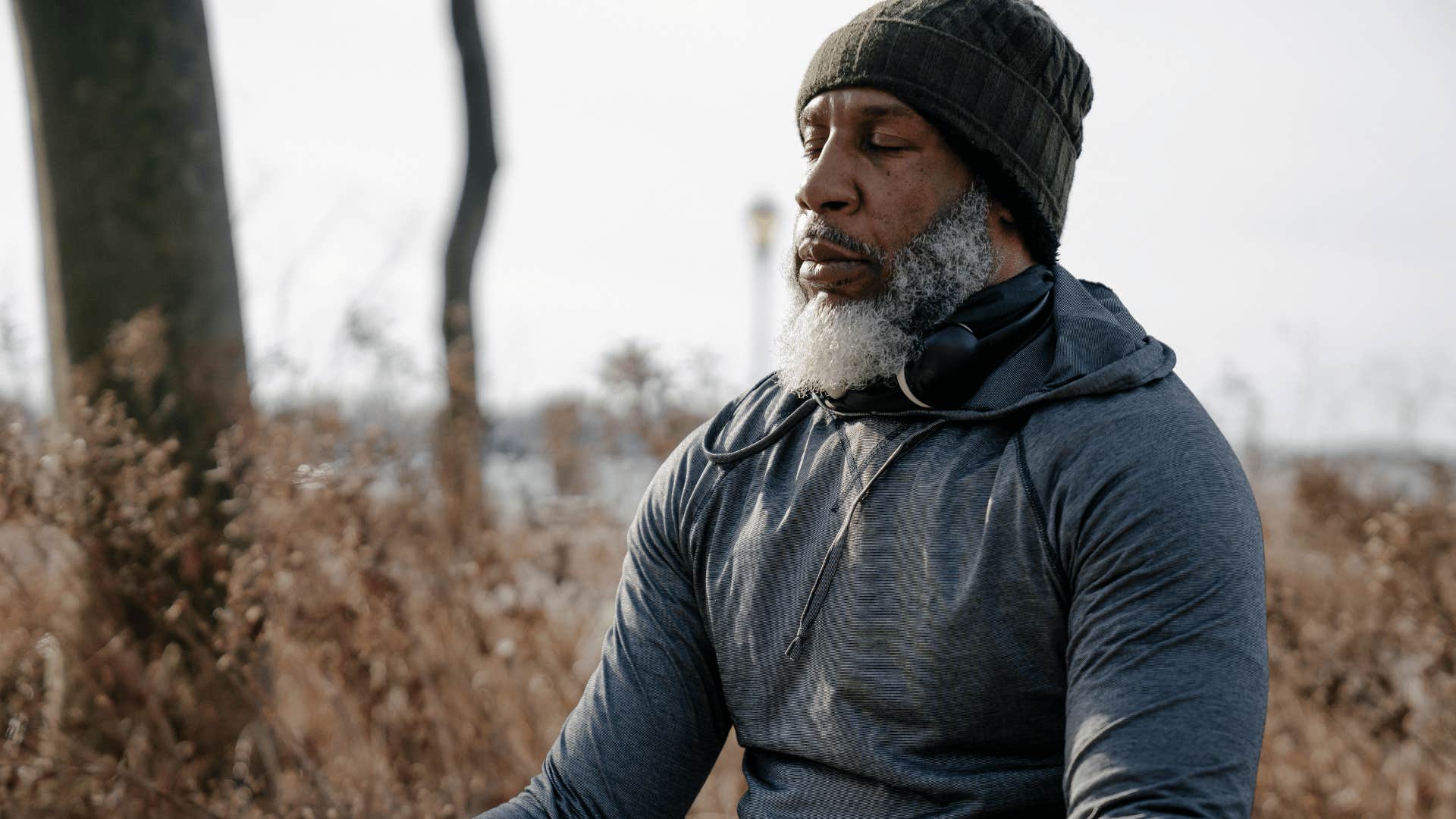
Without a ton of space to deal with mental health concerns as kids, many Gen Xers and elder millennials overextended themselves socially at the expense of their well-being. Whether it was going to family gatherings or being expected to mingle with neighborhood kids outside all day, they didn’t have a choice of how they spent their time.
However, with the freedom and autonomy that come with adulthood, these generations can now protect how long their social batteries will last without having to apologize or explain. They can say no to invitations and cultivate a small social circle. They can spend time alone and make personal plans, rather than draining their social batteries over and over.
8. Not explaining every decision they make
 David Stanciu via Canva
Many people end up at a crossroads, where they either live their lives to appease their parents or start to make peace with the fact that personal authenticity sometimes disappoints others. Especially for people who grew up in the 70s and 80s, who typically viewed their parents as authority figures rather than supporters, it’s difficult to adopt the latter.
However, as adults, when they grow less attached to the family hierarchy and more empowered to do what they want without permission, not having to explain every adult decision becomes their new normal. They can just live without constant approval.
9. Putting their mental health first
 Karola G from Pexels via Canva
Whether it’s choosing to go to therapy regularly or talking openly about childhood trauma with their friends, Gen Xers and millennials from this time period are tired of apologizing for putting their mental health first. Even though their parents cultivated an aura of privacy and secrecy around these intimate issues, there’s freedom in seeking support and asking for help.
Despite what their parents might’ve believed, there’s a lot of joy and growth that comes on the other side of asking for help. There’s no reason to suffer in silence.
10. Slowing down
 Little Bee 80 from Getty Images Pro via Canva
While the term “hustle culture” was coined in the 90s and glamorized in the following decades, the foundation for this constant productivity was laid by baby boomers' workplace attitudes. They grew up under ideas of the American Dream and a strong work ethic, teaching their kids that working hard and grinding all the time was the key to solidifying their freedom and safety in adulthood.
Of course, today, we know that couldn’t be further from the truth for most Americans. Now, hustle culture is being unraveled, and people are slowing down to appreciate the present moment, giving generations of people who entered adulthood during peak hustle culture permission to slow down and protect work-life boundaries.
They don’t have to prove their worth through workplace success and burnout anymore, giving them space to finally put their own well-being, personal time, and mental health first.
11. Not having everything figured out
 Liubomyr Vorona from Getty Images via Canva
Most kids, of any age, look up to their parents and aspire to have their wisdom. They think adults, and specifically their parents, have it all figured out. They know what to do when something goes wrong and have a steadfast kind of bravery that we lacked in adolescence.
However, in truth, our parents were likely winging it, just like we all are in adulthood today. So, even if they haven’t yet accepted that their parents were simply doing the best they could with what they had, people born in this generation are learning to accept and make peace with not having all the answers themselves.
Zayda Slabbekoorn is a senior editorial strategist with a bachelor’s degree in social relations & policy and gender studies who focuses on psychology, relationships, self-help, and human interest stories.
