
Schools Today No Longer Teach Kids These 11 Old-Fashioned Lessons
 Gorodenkoff | Shutterstock
 Like all social norms and institutions in our culture, schools and education have drastically changed over the last few decades. Obviously, there’s the emergence of technology and screens that have created a slew of new circumstances for teachers and students. An emphasis on testing-focused curricula also impacted the way students learn and digest information.
However, on top of changes to lessons and educational tools, schools today no longer teach kids these old-fashioned lessons. From the importance of timeliness to being comfortable with boredom without constant stimulation, kids today are missing out on these old-school lessons that their counterparts just a few decades ago had the privilege of learning and bringing into their daily lives.
Schools today no longer teach kids these 11 old-fashioned lessons
1. How to sit with boredom without constant stimulation
 MAYA LAB | Shutterstock
Despite being woven into curricula and implemented in classrooms today, screen time and technology play a negative role in childhood development, at least according to a Cureus study. Not only does it harm cognitive skills like problem-solving and memory, but it also plays a role in breaking down socio-emotional skills like talking to others and regulating emotions.
Compared to old-school expectations, like sitting with boredom and entertaining themselves without constant stimulation, modern kids today are balancing both accessibility with technology and the cognitive harms that come from overuse.
2. Writing in cursive
 Frame Stock Footage | Shutterstock
Many teachers today argue that space and time for writing lessons is quickly dwindling, according to a study from the Journal of Educational Psychology, so it’s not surprising that lessons around handwriting and cursive are somewhat nonexistent. Especially alongside technology advances and many school districts bringing in personal laptops for students, the practice of handwriting is becoming less of a priority.
Whether it’s short-style writing, cursive, or even practicing things like writing letters, over emails and text messages, schools today no longer teach kids these old-fashioned lessons.
3. Respecting authority
 Inside Creative House | Shutterstock
While the root causes of misbehavior in modern classrooms are nuanced, many teachers are expressing their frustration with a lack of respect for authority and tools for handling student distractions in their schools today. From accepting consequences without pushing back to following instructions and directions in the classroom, schools today no longer teach kids these old-fashioned lessons.
Of course, there’s been a shift in the kind of discipline that’s acceptable for teachers to leverage in their classrooms, but without any kind of administrator or parental support for handling misbehavior, teachers are lost in trying to focus kids on lessons and education.
4. Home economics
 Juice Flair | Shutterstock
Despite experts arguing that home economics classes — learning to do chores, manage money, take care of clothing, and cook — are essential for the development of students, especially in today’s classrooms, they’re almost completely extinct. Making space for more rigid curricula and testing-focused expectations for funding in school districts, schools today no longer teach kids these old-fashioned lessons.
Of course, setting kids up for success in their careers and higher education are both wildly important, but adulthood is about more than making money. Kids need to learn how to manage their lives, money, and household expectations, especially if they don’t have parents or guardians at home committed to teaching these lessons.
5. Financial literacy
 MAYA LAB | Shutterstock
Without home economics classes that were often the home for financial literacy lessons and money management skills, it’s no surprise that many kids today are missing out on opportunities to build financial skills. Especially if they don’t have a safe space or parents at home to teach them to manage money healthily, they enter adulthood without this incredibly necessary skill.
From reading prices to saving money, and counting coins, schools today no longer teach kids these old-fashioned lessons.
6. Reading an analog clock
 Prostock-studio | Shutterstock
While reading a digital clock is still practical and accessible, a study from the University of Northern Iowa suggests that when kids read digital clocks over analog ones, they struggle to grasp the true meaning behind what they’re reading and to conceptualize the passage of time.
So, while technology often makes things quicker and easier in classrooms, there’s a chance modern students are missing this incredibly important, influential skill.
7. Reading a physical map
 Hryshchyshen Serhii | Shutterstock
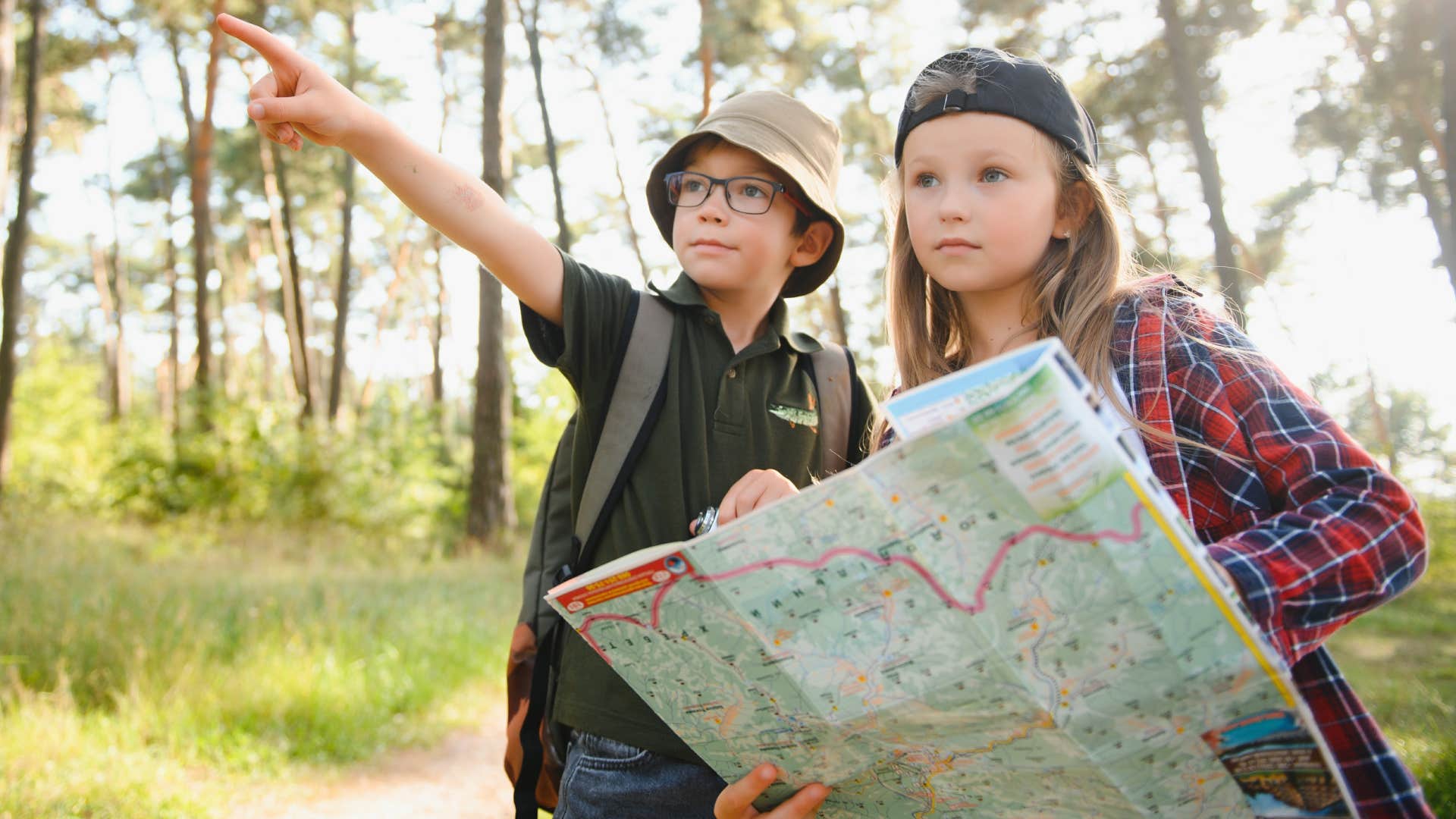
According to an Ordnance survey, 83% of Gen Zers today rely completely on their cell phones or the internet to get where they need to go. They lack the essential life skill of reading a physical map that many generations of students before learned immediately upon setting foot in their classrooms.
Schools today no longer teach these kids old-fashioned lessons, partially because of technological advances and also because rigid curricula expectations have changed what teachers have time to teach.
8. Researching without AI
 Yuganov Konstantin | Shutterstock
Teaching students how to research is an incredibly important life skill, whether it’s creating sources for information or combing through physical texts to find something without relying on technology to do it for them. Today, schools no longer teach kids these old-fashioned lessons, and students often rely on technology, AI, and the internet to find information.
Of course, this is harming problem-solving skills and attention spans for modern kids today. Not only does it impact their ability to read, write, and engage in other cognitive processes, but it also negatively influences socio-emotional skills like regulating emotions and verbalizing how they feel.
9. Job interview etiquette
 Prostock-studio | Shutterstock
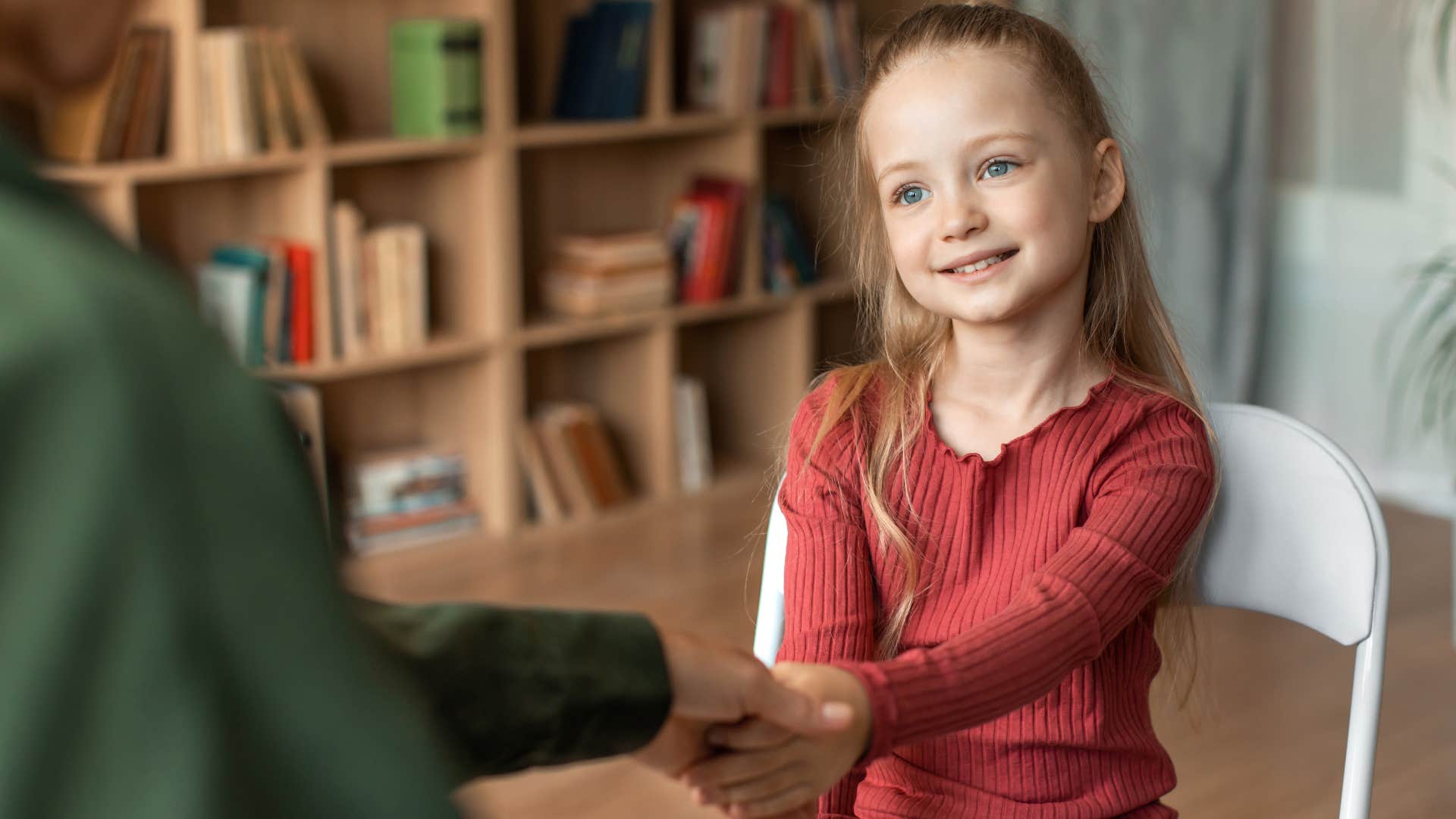
Especially a few decades ago, when standards around professionalism were rigid and traditional, it’s not surprising that teachers were expected to teach their students how to respect these expectations. Whether it was dressing professionally, learning to shake someone’s hand properly, or engaging in communication etiquette, schools today no longer teach these old-fashioned lessons about interview and workplace etiquette.
While this kind of information was accessible to all kids in their schools growing up, in the modern world, these tips and tricks are accessible only to people with the money to afford them. Having parents with the free time to teach their kids or send them to job- and career-preparatory classes, these old-school life lessons are now specific to wealthy, connected households.
10. Memorization
 Irina WS | Shutterstock
Despite being the first level of comprehension and an incredibly important cognitive skill to practice, the lesson of memorization is largely disintegrating in modern classrooms. With technology alternatives and digital options for storing information, kids are no longer flexing that muscle in the same ways as kids just a few decades ago.
Especially considering that breaking down homework and creating manageable chunks of academic work for kids is the key to supporting memory, it’s no surprise that kids today are struggling. Kids today, pressured to be “perfect” students and take on a million extracurriculars, are burnt out — unable to manage all their responsibilities with breaks and rest.
11. Long-form mathematics
 PeopleImages | Shutterstock
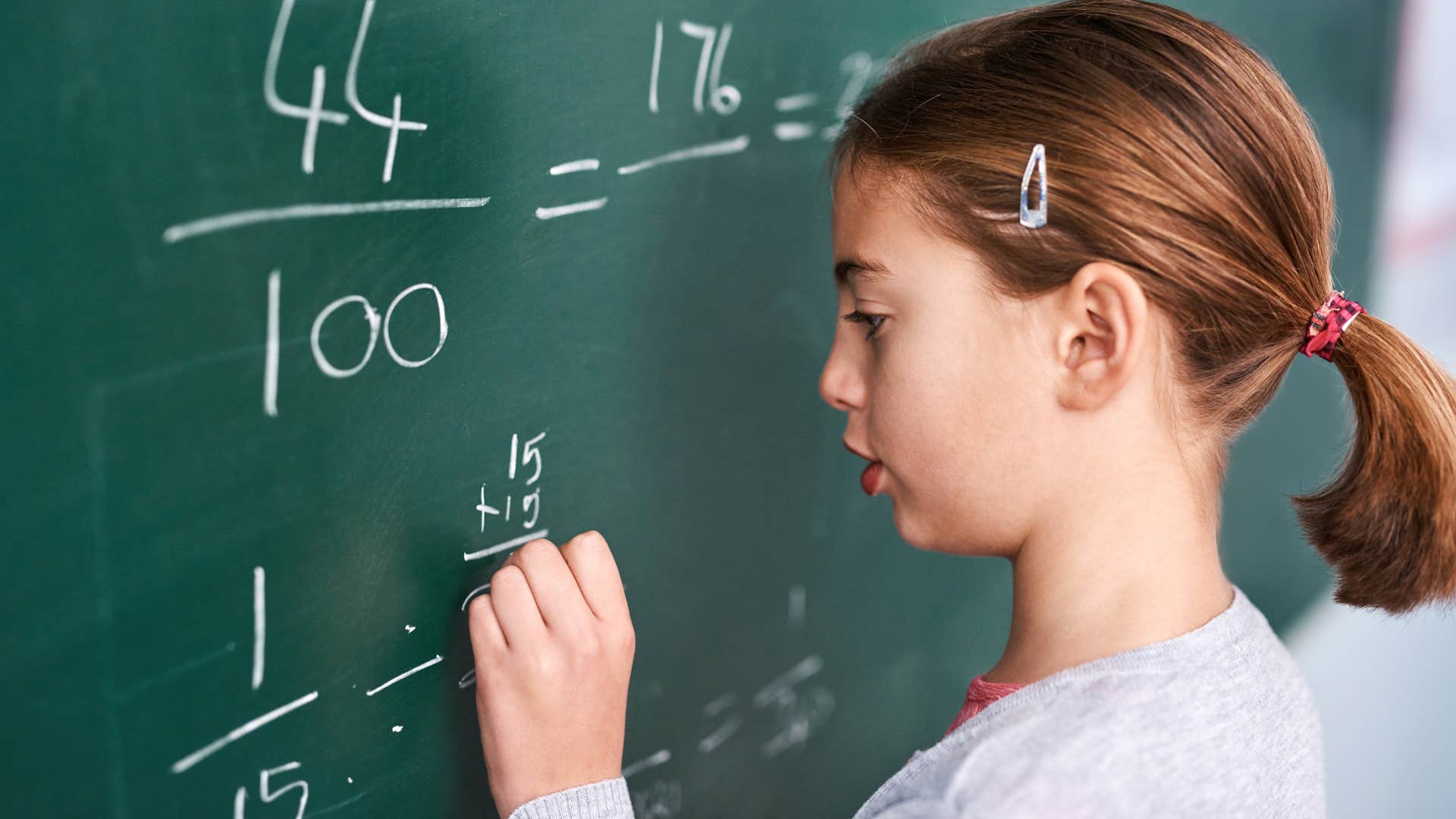
Without new technology and fancy calculators in the classroom, old-school lessons in math classes were focused on teaching long-form, problem-solving skills that many kids lack today.
Schools today no longer teach kids old-fashioned lessons the “long way,” because calculators and cell phones make ease and convenience accessible.
Zayda Slabbekoorn is a senior editorial strategist with a bachelor’s degree in social relations & policy and gender studies who focuses on psychology, relationships, self-help, and human interest stories.
