
People Who Were Kids In The 1970s Learned These 10 Life Lessons That No One Seems To Teach Today
 Roman Nerud | Shutterstock
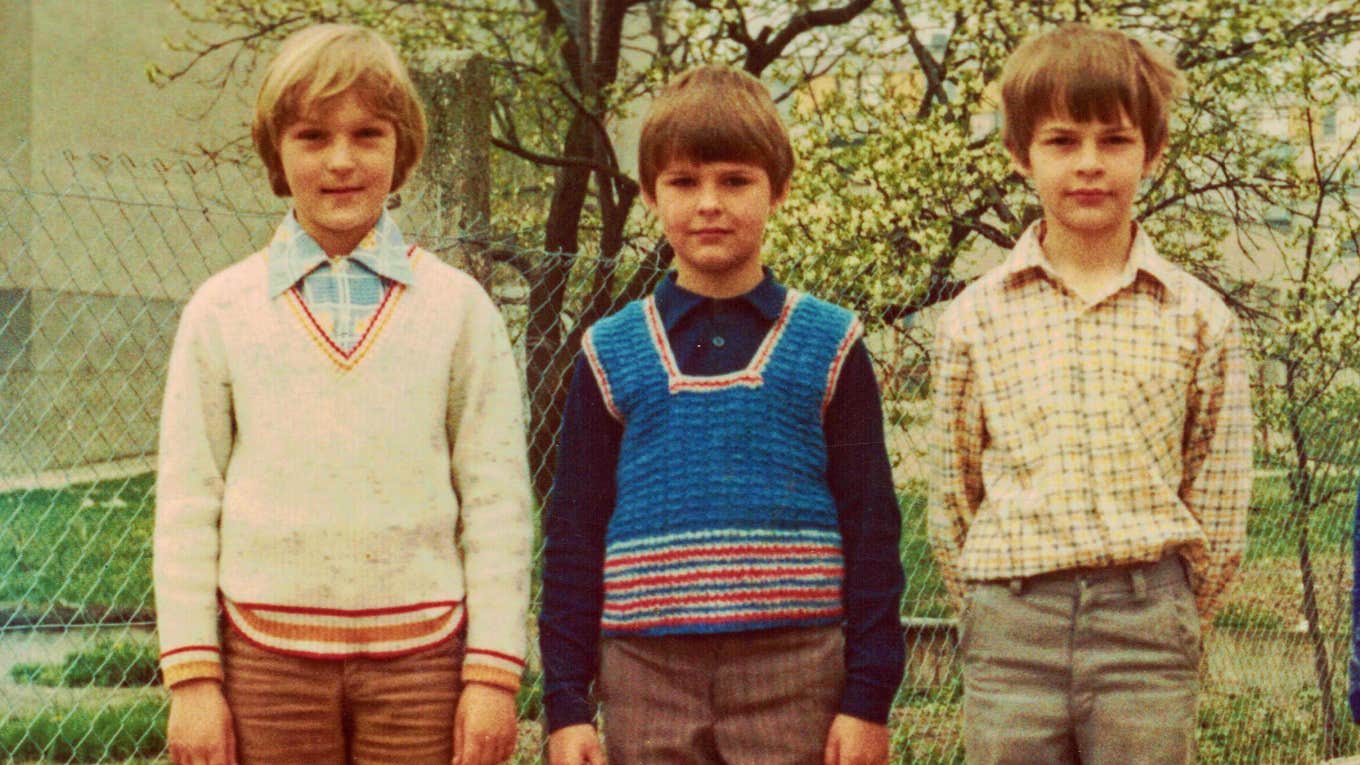
 There's a reason why Gen Xers, the kids who largely grew up in the 1970s, are coined the "latchkey" generation, they were parentified and expected to navigate life largely on their own.
With both parents working and an expectation to watch siblings, solve problems, and entertain themselves, it's no surprise that Gen Xers boast skills that some younger generations today lack. While most of these children were taught resilience and independence on their own terms, there are some people who were kids in the 1970s who learned specific life lessons that no one seems to teach today.
They're better adults and better people today because of these lessons, even if modern parenting styles and culture dismiss and overlook them entirely.
People who were kids in the 1970s learned these 10 life lessons that no one seems to teach today
1. Boredom isn't a bad thing
 Tatiana Buzmakova | Shutterstock
Especially in contrast to our culture today, where constant entertainment and instant gratification are common experiences for kids, being bored was an unexpected superpower for kids who grew up in the 1970s. According to experts from the University of Virginia, unstructured, unsupervised time and boredom for kids promote creativity, problem-solving, and emotional regulation.
For kids whose parents immediately entertain them or put screens in front of their faces, all three of these traits suffer, but people who were kids in the 1970s learned the life lesson of accepting and embracing responsibility for their boredom from a young age.
2. Try to fix something before asking for help
Not having parents around to solve their problems often taught Gen X kids in the 1970s how to be independent problem-solvers. They were expected to try fixing something before even thinking about asking for help. Especially for older kids who were responsible for watching their siblings when their parents weren't home, they had no option but to figure things out on their own.
While some adult children struggle with hyper-independence as a result of being parentified as a child, many are more resilient and autonomous later in life because of the responsibility they held as kids.
3. Making a mistake is a learning experience
When given a chance to learn from mistakes and problem-solve through them, kids actually learn to embrace learning opportunities and feedback later in life. Someone afraid to make mistakes because they perceive them to be a character flaw or "weakness" may run from uncertainty and newness, but people who were kids in the 1970s learned the life lesson of accepting mistakes that no one seems to teach today.
Especially for kids, learning to work through mistakes themselves and take accountability for what comes next is key to growing into an emotionally regulated, independent adult who's always capable of changing and growing into the best version of themselves.
4. Not everyone will praise you
Whether it's doing bare minimum tasks like chores at home or leading with integrity when nobody is watching, people who were kids in the 1970s learned that not everyone will be around to praise you for doing the "right" things. These kids were expected to be independent, especially when it came to their homework, babysitting, and doing household labor, often without compensation or reward.
As adults, these adult children don't seek out constant validation for doing the bare minimum, and they're more internally gratified and motivated than kids who expect to be praised for everything they do.
5. You don't quit when things are hard
 Tyler Olson | Shutterstock
Gen Xers are often self-motivated, self-reliant, and hard-working because they were expected to practice resiliency as children. If their parents weren't around to solve their problems, they had to learn to navigate discomfort to complete tasks and responsibilities. They were taught a strong work ethic from their parents, who didn't teach their kids to expect constant comfort all of the time.
Whether it's in their jobs today, crafting goals, or navigating relationships, Gen X adult children are the last people you'll notice quitting when things get uncomfortable or hard.
6. Conflicts are essential
Whether it's having an argument with a friend or having a conversation about consequences for misbehavior with a parent, Gen Xers weren't taught to run from or avoid hard conversations. Conflicts are essential — that's the life lesson people who were kids in the 1970s were taught that no one seems to teach today.
Of course, these conversations are important for emotional regulation and communication skills, but according to a study from Psychological Science, they also improve literacy skills and cognitive abilities.
7. Not everything requires an explanation
For the generation of kids most likely to hear "because I said so" from their parents, it's no surprise that they learned the life lesson that not everything requires an explanation. While these blatant "no's" are largely controversial for gentle parenting types today, they often taught children to accept consequences, regulate their emotions, and build respect for adults later in life.
Of course, teaching kids to stand up for themselves is important, but tailoring completely to their comfort only encourages them to grow into entitled adults.
8. Life isn't fair
People who were kids in the 1970s learned life lessons, like "life isn't fair," more than many modern kids today. Not only are they more resilient because they learned to cope with discomfort, but they're also more humble and grounded, navigating everything life throws at them as adults.
According to a study from PLOS One, kids who grow up to be entitled adults often have an inflated sense of "deservingness" that distorts their perception of fairness in the world. For example, if life throws them a challenge that doesn't feel comfortable or rewarding for an entitled person, they'll immediately assume it's "unfair" and wrong.
However, Gen X kids who learned this life lesson opposingly embrace life's unfairness — accepting unfairness and moving forward without shifting blame or avoiding accountability.
9. Patience is grown by waiting
 Kseniia Zagrebaeva | Shutterstock
While today's convenience culture and gentle parenting trends often discourage kids from waiting in favor of instant gratification, people who grew up in the 1970s were taught the life lesson of waiting. They weren't given something just because they wanted it — they had to save up, wait for their turn, and cope with the discomfort of not being immediately rewarded.
This kind of waiting not only teaches patience, it strengthens these kids' self-control and discipline later in life.
10. Confidence comes from practice
Rather than seeking self-assuredness and confidence from external praise and attention, people who were kids in the 1970s learned the life lesson of internal gratification. They were taught that confidence comes not just from personal accountability and independence, but from practice.
Now, as adults, they don't rely on other people to feel good about themselves. Whether it's at work, in romance, or while navigating friendships, their self-worth is tied to their own habits and rituals, rather than other people's perceptions of them.
Zayda Slabbekoorn is a senior editorial strategist with a bachelor's degree in social relations & policy and gender studies who focuses on psychology, relationships, self-help, and human interest stories.
