
Teachers Address The 4 Things 'No One Wants To Admit' About School Even Though They’re Very Much True
 Frame Stock Footage | Shutterstock
 Being a teacher can feel like a thankless job, especially when so many people don't actually know what goes on in the classroom. In a Reddit post, teachers came together to talk about the things no one wants to admit about the public school system that are very much true.
From the outside looking in, it's easy to just assume that teachers have everything under control. However, teaching has become mentally, emotionally, and even physically exhausting. It's to the point where teachers are chronically experiencing burnout. Teachers are truly expected to be the superheroes who can fix everything, but the reality is that they're up against a failing public school system.
4 things 'no one wants to admit' about school, even though they're very much true:
1. Kids struggle to learn in class due to screen time
 PeopleImages | Shutterstock
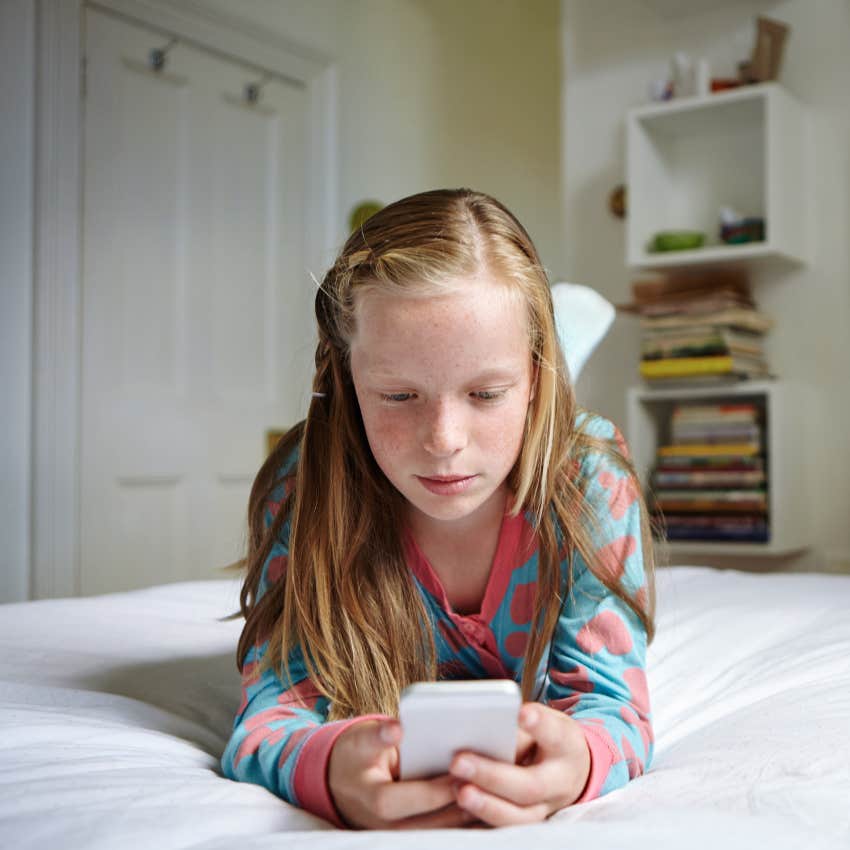
Multiple teachers in the Reddit post were adamant that technology is making it increasingly difficult to teach. Kids are growing up with access to tablets, laptops, and other electronic devices from a young age. By the time they get to school, constant stimulation is something they're both used to and expect.
Research has shown that attention spans are shot, and little things like sitting still, listening, and focusing on lesson plans for more than a few minutes suddenly feel impossible.
"Screentime has killed attention spans. Students have horrible handwriting because they never write anything. It's time to close the laptops and get back to pen and paper," one teacher admitted.
According to the World Health Organization, more than 1 in 10 adolescents are struggling to control their use of devices and experiencing negative consequences. Additional research has found that problematic use of social media has been linked to lower mental and social well-being and higher levels of substance use compared to kids who are limited in access or don't use social media at all.
2. Not failing kids encourages them to stop trying
 Ground Picture | Shutterstock
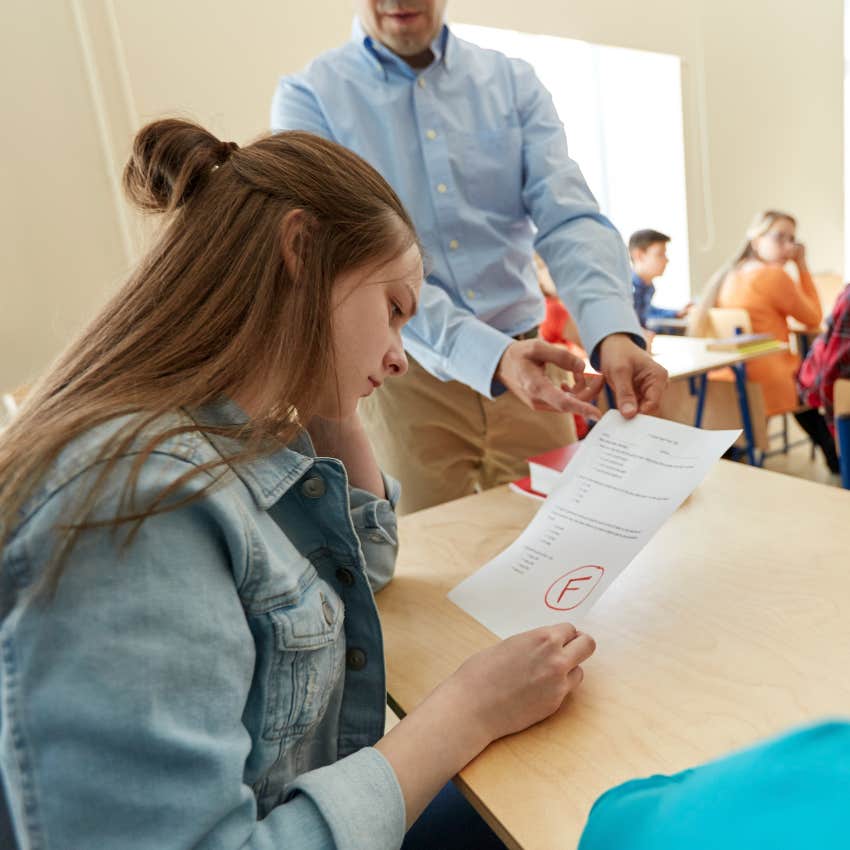
While the intention behind not having kids fail or be held back is to prevent discouragement, the problem is that these students just fall further behind and stop trying. Many teachers are even forced to pass their students no matter what.
"We need to let kids fail and not graduate without punishing schools for several years to do a hard reset on our education system. The social pressure of failing works. We just have to hold the standard from K-12," another teacher insisted.
As it stands, many students are not at the level that they need to be. According to the 2024 National Assessment of Educational Progress results, only 30% of eighth-grade students are reading at "proficient" levels. Fourth-grade students had similar scores, at 31%.
Guess what happens to kids who get pushed into the next grade when they haven't mastered the material from the year prior? You guessed it. They fall further behind, resulting in an inability to learn and the complete loss of drive.
3. Limiting suspensions and expulsions doesn't mean student behavior has improved
"Kids who continue to disrupt classrooms should be expelled, leaving only the kids who want to learn. Kids have a right to an education until they disrupt other kids’ ability to receive it," a teacher indignantly wrote in the Reddit post. "Throwing out the bottom 10 percent of problem behaviors would almost certainly increase the speed at which material can be covered, resulting in those kids getting wider and deeper opportunities."
According to research from the University of Chicago Education Lab, using restorative practices instead of traditional expulsions was linked to positive changes in student behavior. Schools that implemented these practices saw out-of-school suspensions fall 18%.
However, many teachers argue that, despite these numbers, the day-to-day in their classrooms doesn't reflect the data. Teachers aren't necessarily rejecting restorative practices; they're simply questioning how they're being applied. When students are just given warning after warning for their bad behavior, it defeats the purpose of the practice.
4. There's a total lack of support from parents
 Ushuaia studio | Shutterstock
"We are lying to the parents and community. We are producing illiterates by the bushel, and no one is addressing the issue," one teacher admitted. Another teacher added, "Some parents seem to think kids magically learn things as they age. This issue goes hand in hand with all the kindergartens still not potty trained or the preschoolers who can barely talk."
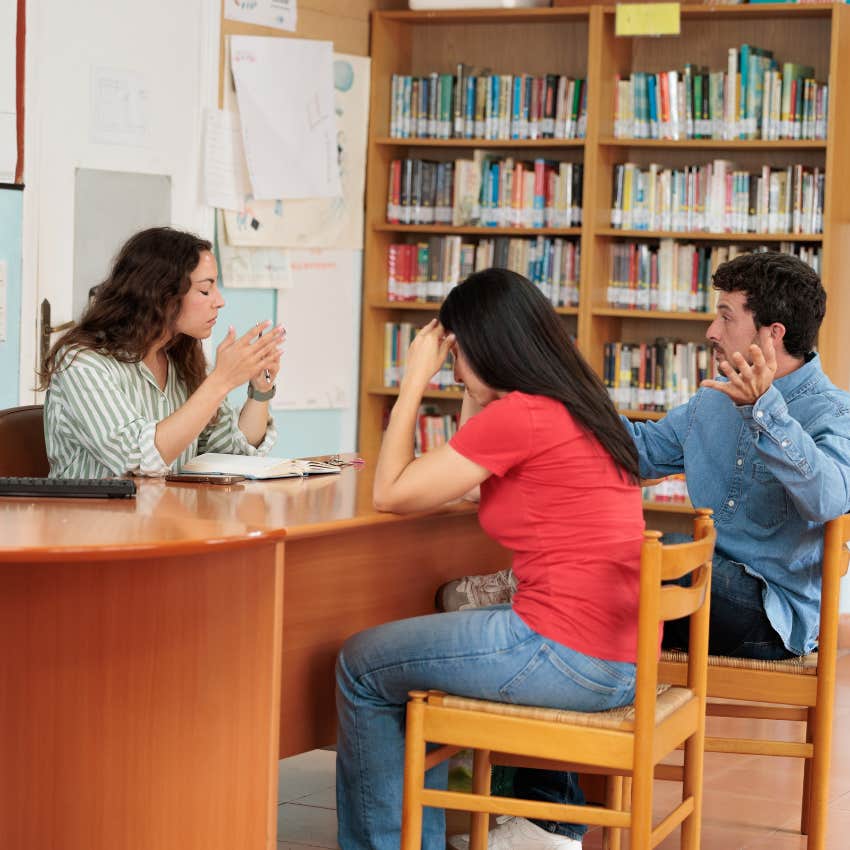
Many educators feel unsupported by parents. When kids are struggling, the responsibility often falls squarely on the teacher. But what happens at home matters more than parents want to admit.
Nia Tipton is a staff writer with a bachelor’s degree in creative writing and journalism who covers news and lifestyle topics that focus on psychology, relationships, and the human experience.
