
If Your Parents Seem To Love Their Pets More Than You, You Likely Notice These 11 Things
 Inside Creative House | Shutterstock
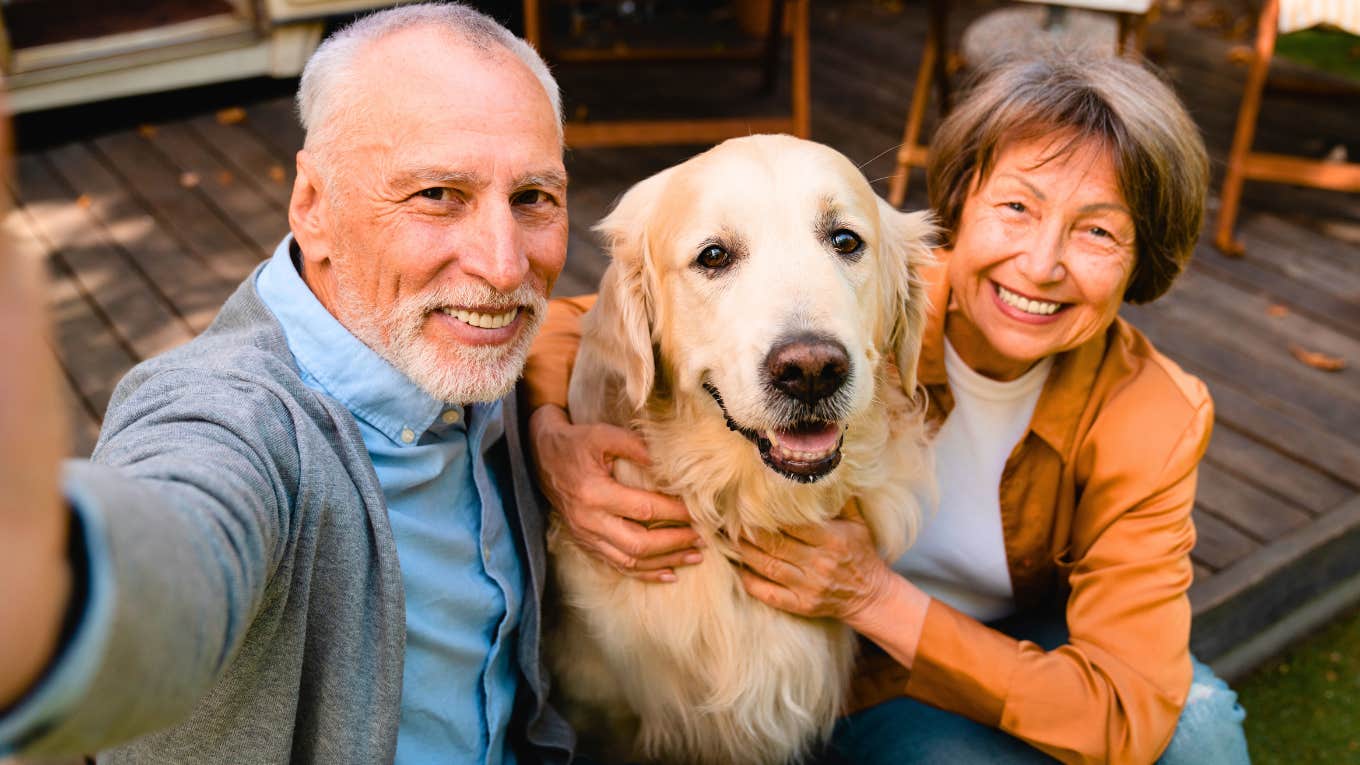
 Even though there's often some resentment from adult kids when they're "replaced" by pets in their childhood home, a Frontiers in Veterinary Science study suggests that for aging parents, pet ownership may be one key to boosting well-being, mental health, and cognitive skills. Especially when their kids aren't always around, they have a companion and a purpose.
Of course, as adult kids move out of the house, it brings a lot of change and disconnection, particularly for parents who weave their identity and self-worth into their parenting role. And while having a pet around can help make that lifestyle shift more comfortable, if your parents seem to love their pets more than you, there are certain behaviors you likely notice.
If your parents seem to love their pets more than you, you likely notice these 11 things
1. They blame their pet for everything
 In Green | Shutterstock
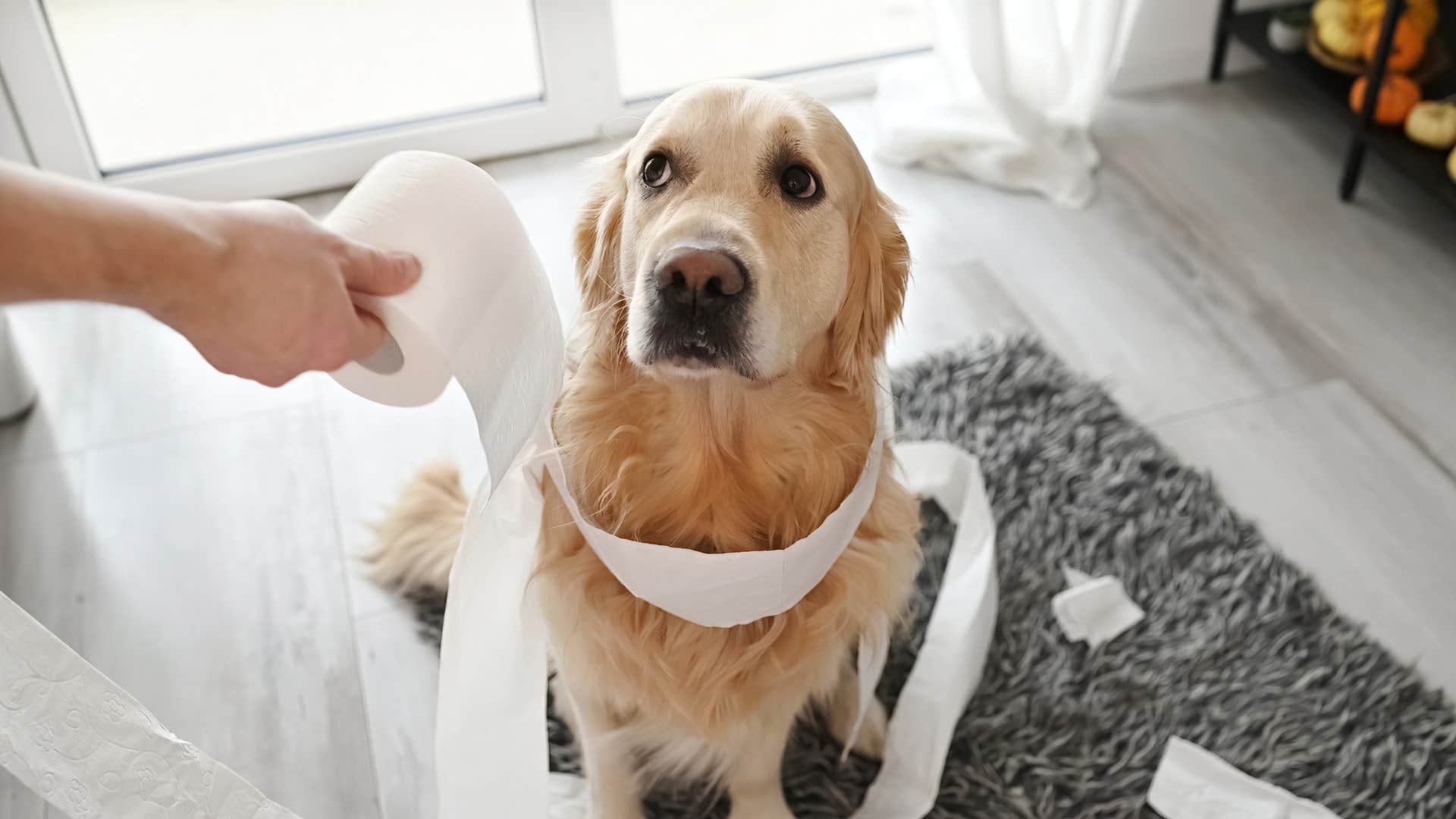
At least for narcissistic parents, who need control over everything in their lives, having a pet to blame things on, rather than an adult child who can defend themselves, can make them feel important. Even if they're the ones who can't emotionally regulate or apologize, surrounding themselves with vulnerable people who can take the blame makes their lives easier.
From messes at home to canceling plans at the last minute, their pet now gets the brunt of it, rather than you as their child. Of course, in some cases, with an empathetic parent who's only using a pet to cope with the "loss" of their adult kids, this couldn't be further from the truth. In fact, chances are they take on more blame to make their pet's life easier.
2. They prioritize their pet's comfort
 PeopleImages | Shutterstock
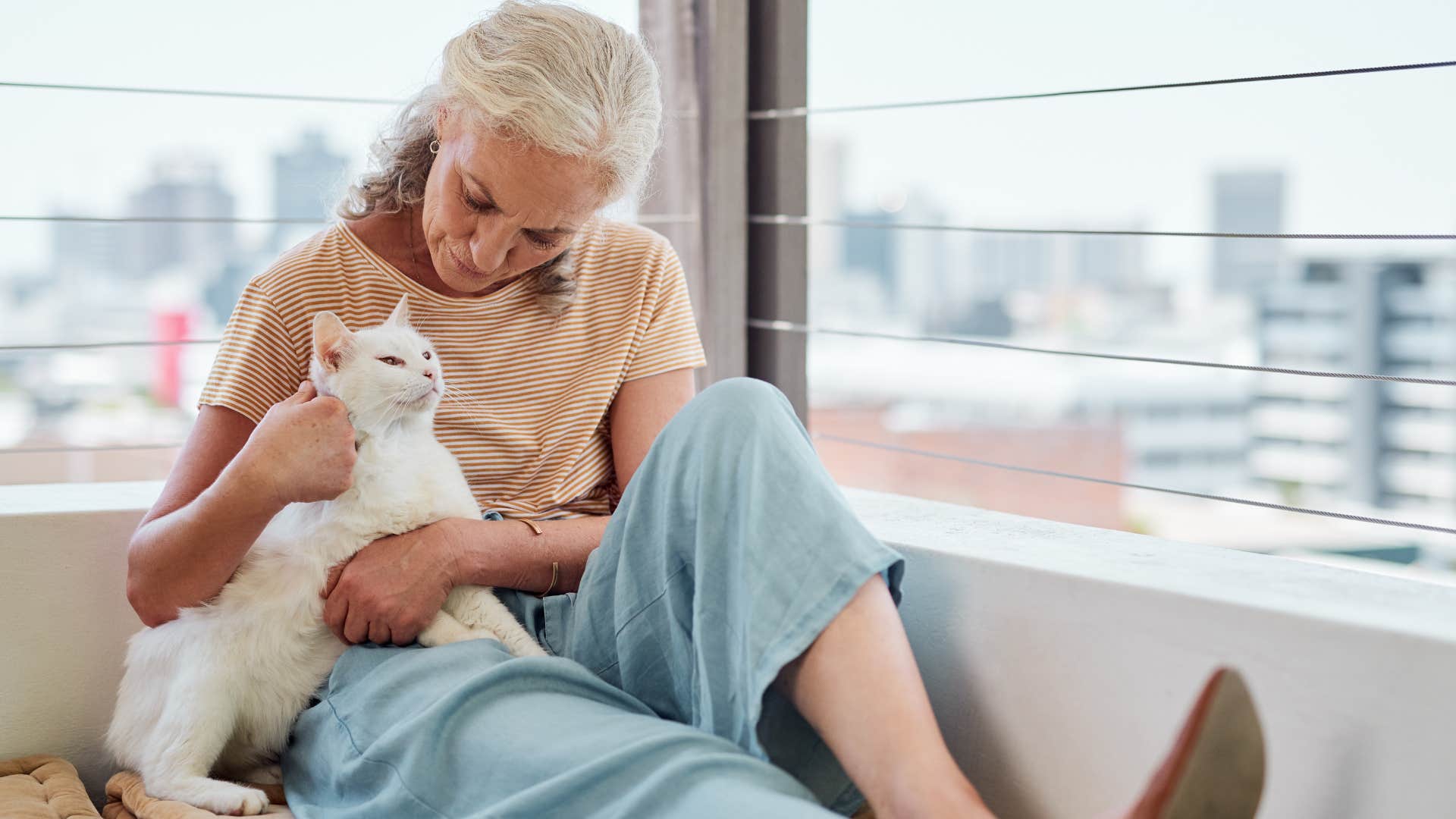
Even when you're struggling with stress or needing your parents for something, if they seem to love their pet more than they love you, their comfort comes first. From refusing to leave their dog at home to visit you to even making excuses for canceling important plans, it's clear where their priorities lie.
Honestly, in most cases, you can't actually blame them. According to a Massachusetts General Hospital study, a mother's brain shows similar brain activity and caregiving urges to both their child and their dogs. Of course, everyone needs to be intentional about boundaries and affection, but just because one of her children may be an animal doesn't make them any less important.
3. They give more grace to their pets
 PeopleImages | Shutterstock
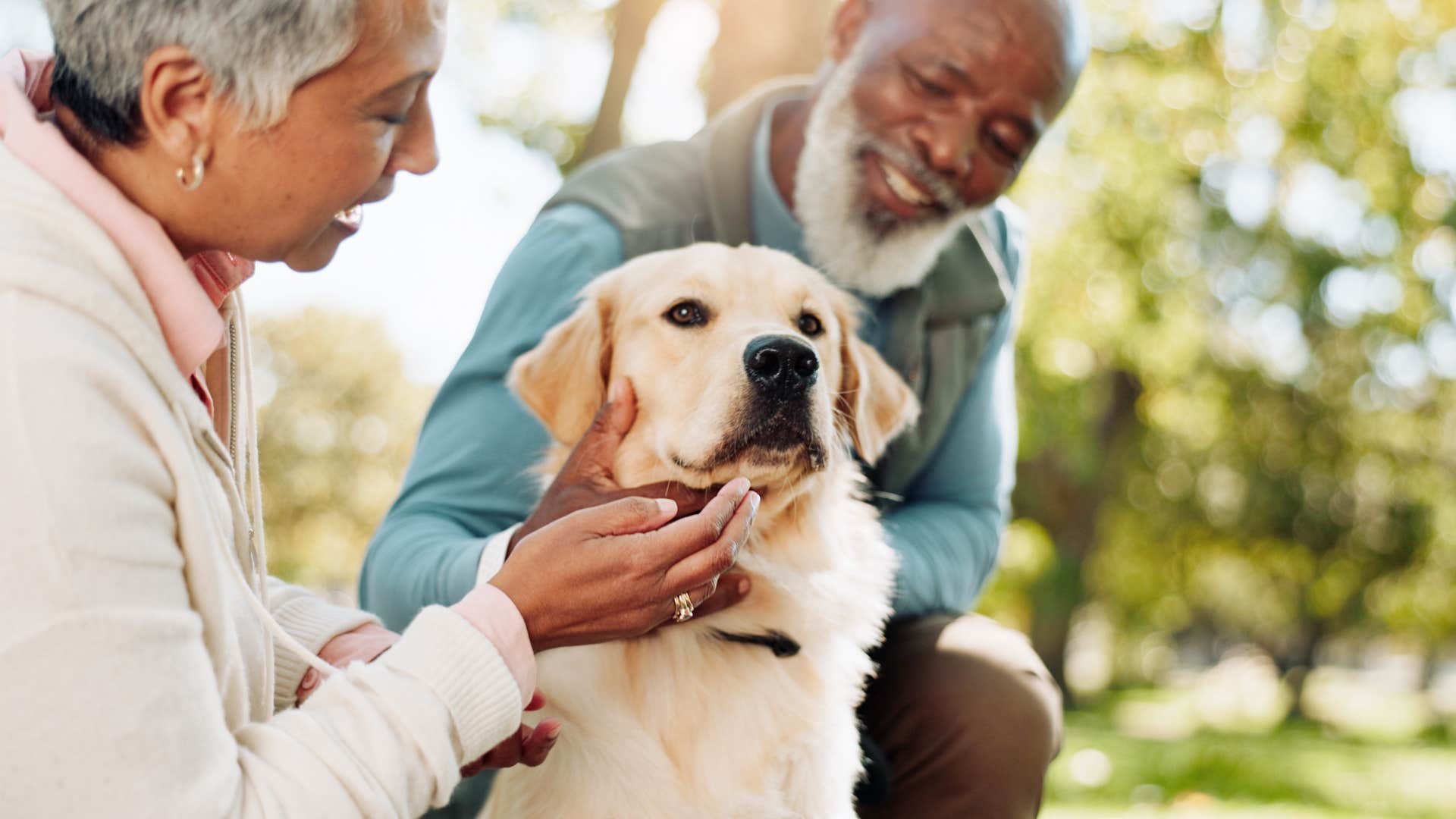
Even if you know your parents hold their kids to unrealistic expectations and are strict about rules at home, if they love their dog more, they might get more grace. All of a sudden, you notice a patient side that you've never seen yourself, and a sense of understanding that you never get.
While it's possible their dog simply follows their orders and makes setting rules easier than kids pushing back all the time, it can feel a bit discouraging and annoying to watch a pet receive more grace than you.
4. They tell everyone their pets are their 'favorite' children
 NIKS ADS | Shutterstock
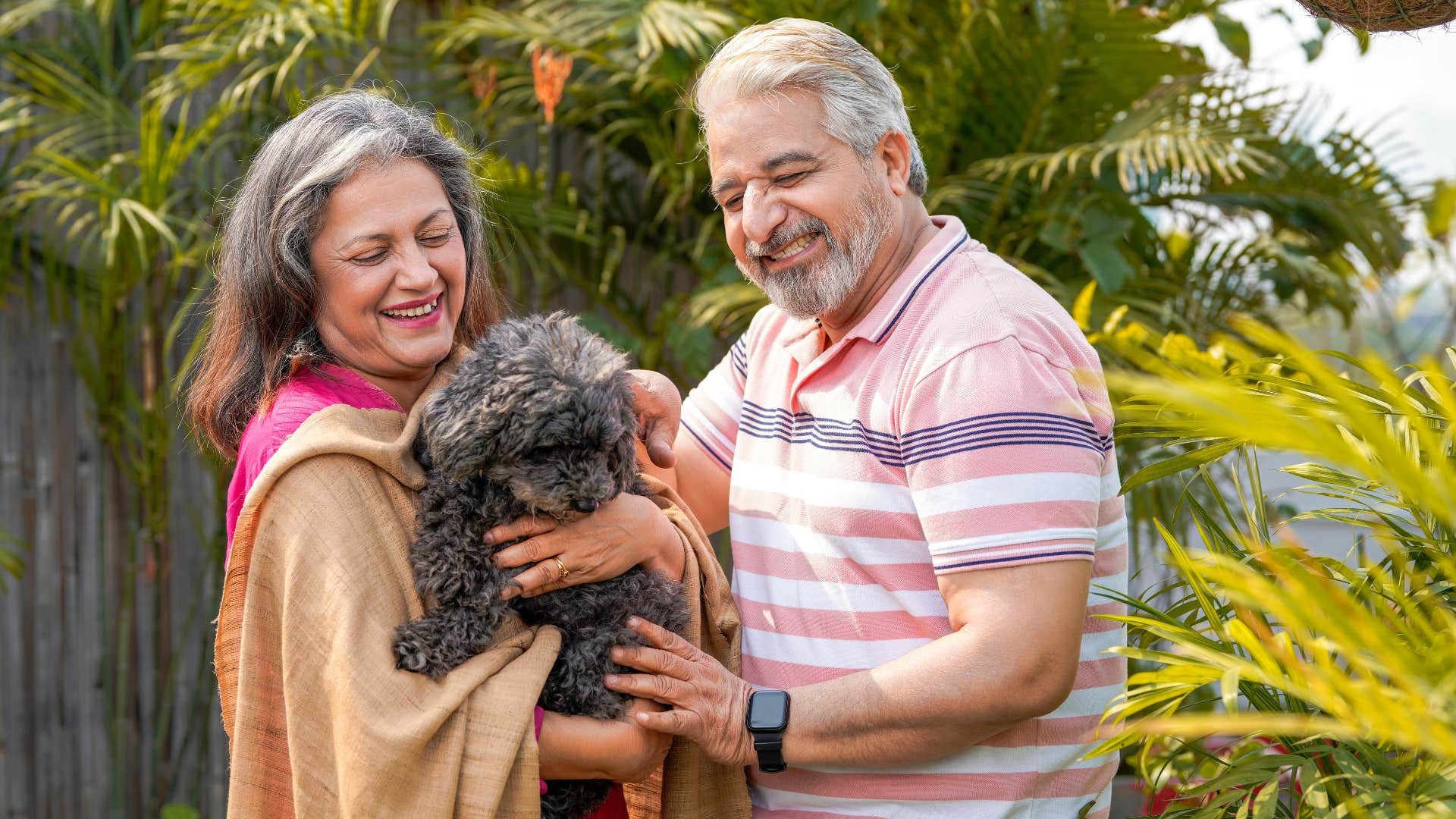
Favoritism among parents with their kids is more common than most of us realize, according to a study from Psychological Bulletin, but sometimes, it can also apply to a pet at home. If your parents often make jokes about their dog being the "favorite child" or a cat "taking your place," chances are they're not actually kidding.
Especially if the pet has become a means of coping with the disconnection their kids sparked when leaving the house, they hold a fond place in their hearts.
5. They always post photos of them
 FOUR.STOCK | Shutterstock
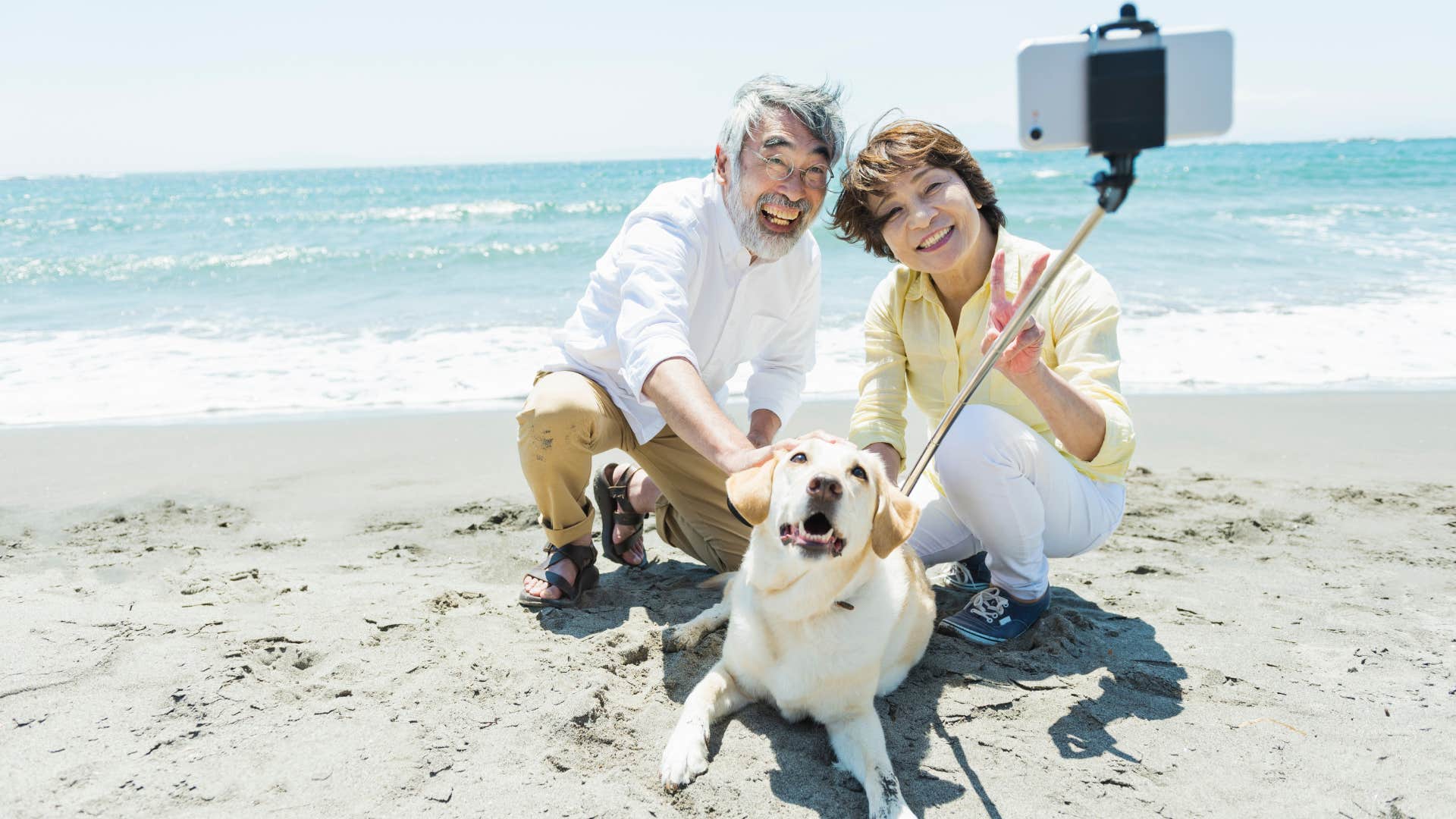
Even after family gatherings or while celebrating a big milestone in your life, a parent who loves their pets more than you will probably post about them more than you. Of course, posting someone on social media or sharing a relationship online isn't always indicative of its depth, but if a parent is clearly active online, but only sharing about their pride for a pet, it can feel dismissive.
There's a line between healthy and unhealthy needs for a parent's praise or approval, but as adults, we still crave being celebrated by them and to make our families proud.
6. They're only critical of your misbehavior
 shurkin_son | Shutterstock
A parent who lets their pets do whatever they want without consequences, only to turn around and be critical to their own adult children, may actually love their pets more. Most of the time, they just have higher expectations for their kids and standards for behaviors at home, and their pets are a form of comfort, but that doesn't make it any less annoying.
If you're not battling for positive attention with your parents' pet, it feels like you're bargaining for grace or forgiveness, even when you didn't do anything wrong.
7. They always check on their pet first
 Hananeko_Studio | Shutterstock
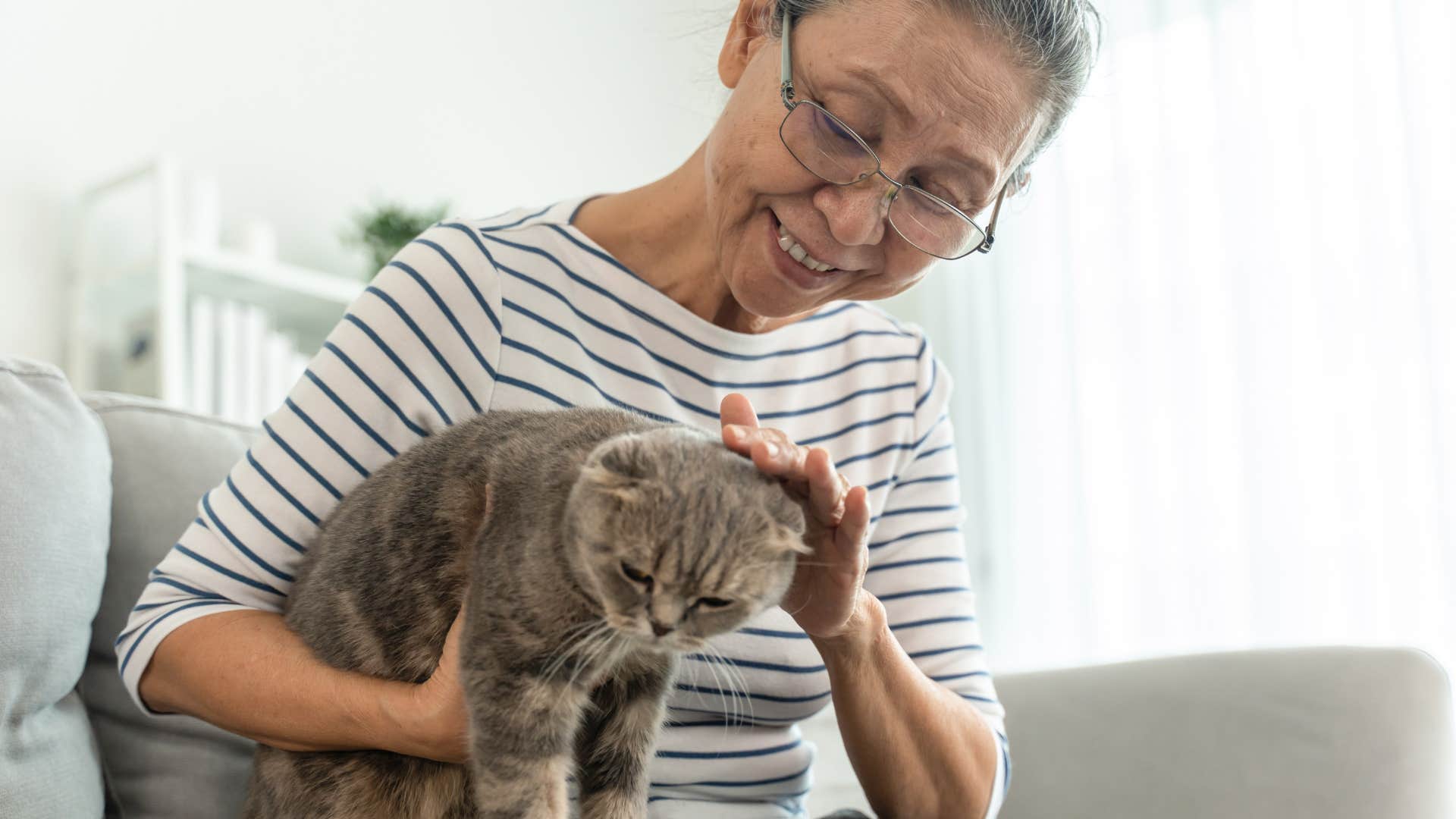
Our animals create meaning, purpose, and excitement in our lives, so it's no surprise that pet owners often develop a deep emotional connection with them. They care about protecting them and making sure they're okay, even if they can't communicate directly to check in. A parent may check on a pet first, especially if it's become a routine.
Adult children can usually fend for themselves and protect their own safety, while pets are somewhat reliant on their owners. However, when you feel like an afterthought to your parents when you visit, it can be discouraging and annoying, to say the least.
8. They brag about them more than you
 Anna Nahabed | Shutterstock
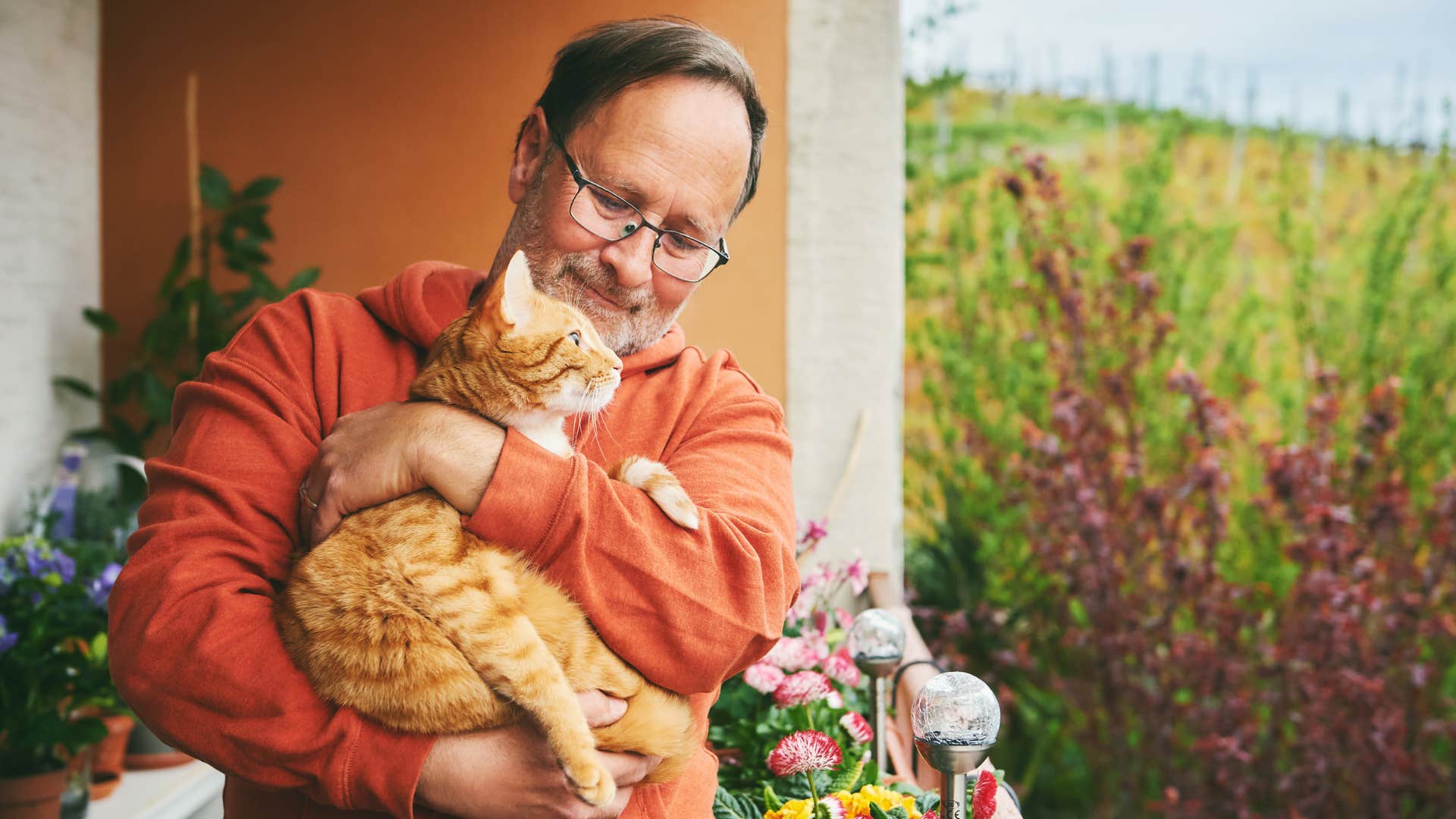
While bragging about ourselves and our accomplishments can often backfire in social settings, if we're speaking kindly about or praising someone else, people often feel a sense of connection. The people we love really enjoy when we talk about them, especially when it's in a positive light.
However, especially for adult children who yearn for connection and praise from their parents, when they're spending more energy bragging about their pet than their children, it can feel disillusioning and disappointing.
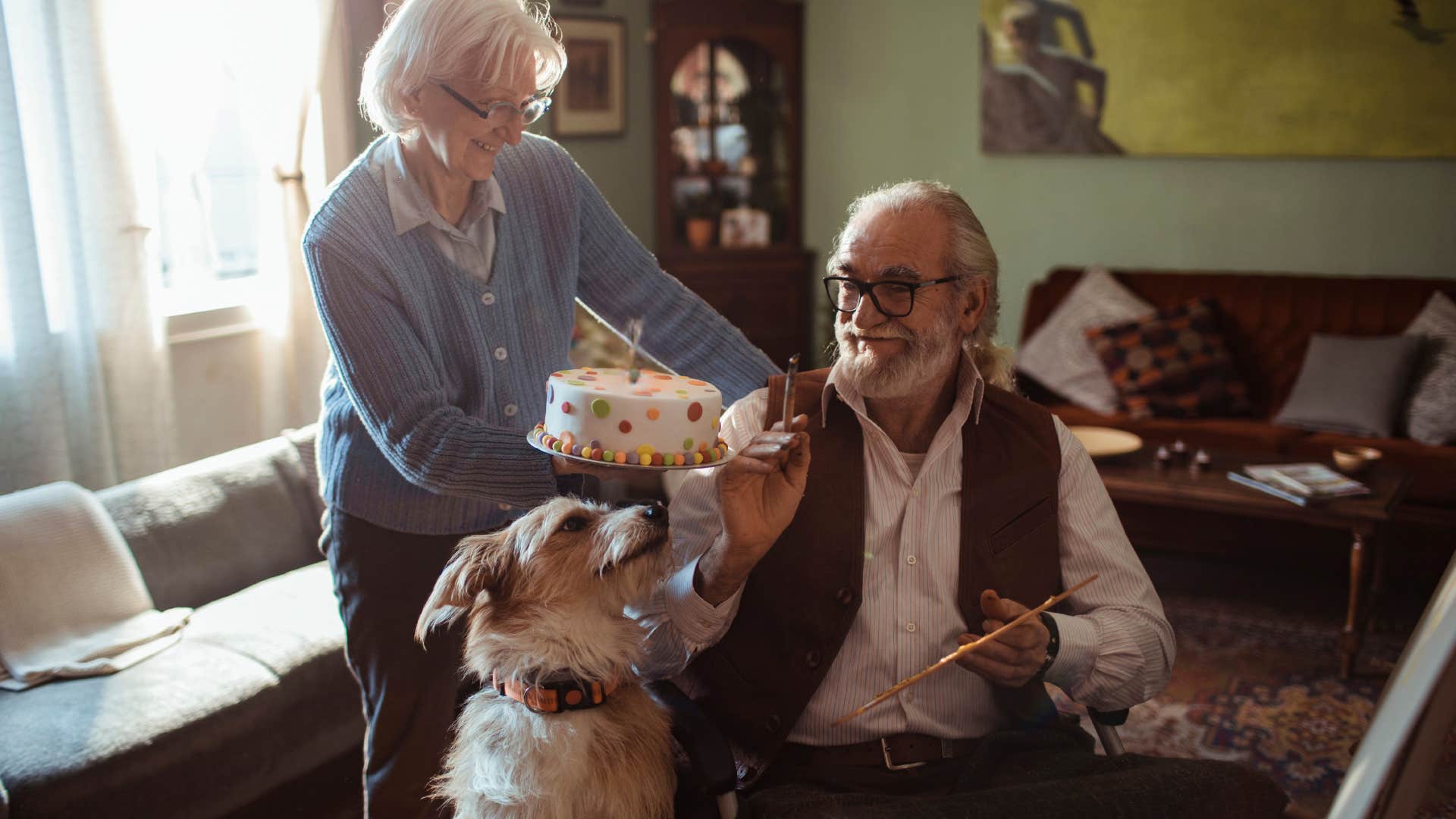
9. They celebrate their birthday more than yours
 Davor Geber | Shutterstock
They're fun, but celebrations and feeling celebrated by others also play important roles in our health and well-being. According to a study from the Journal of Public Policy & Marketing, celebrations of birthdays can even boost our feelings of community and social support, especially when we feel seen and special.
But if those celebrations are being replaced by gifts and attention for a parent's pet, with our own celebrations overlooked entirely, we're not only resentful but disappointed.
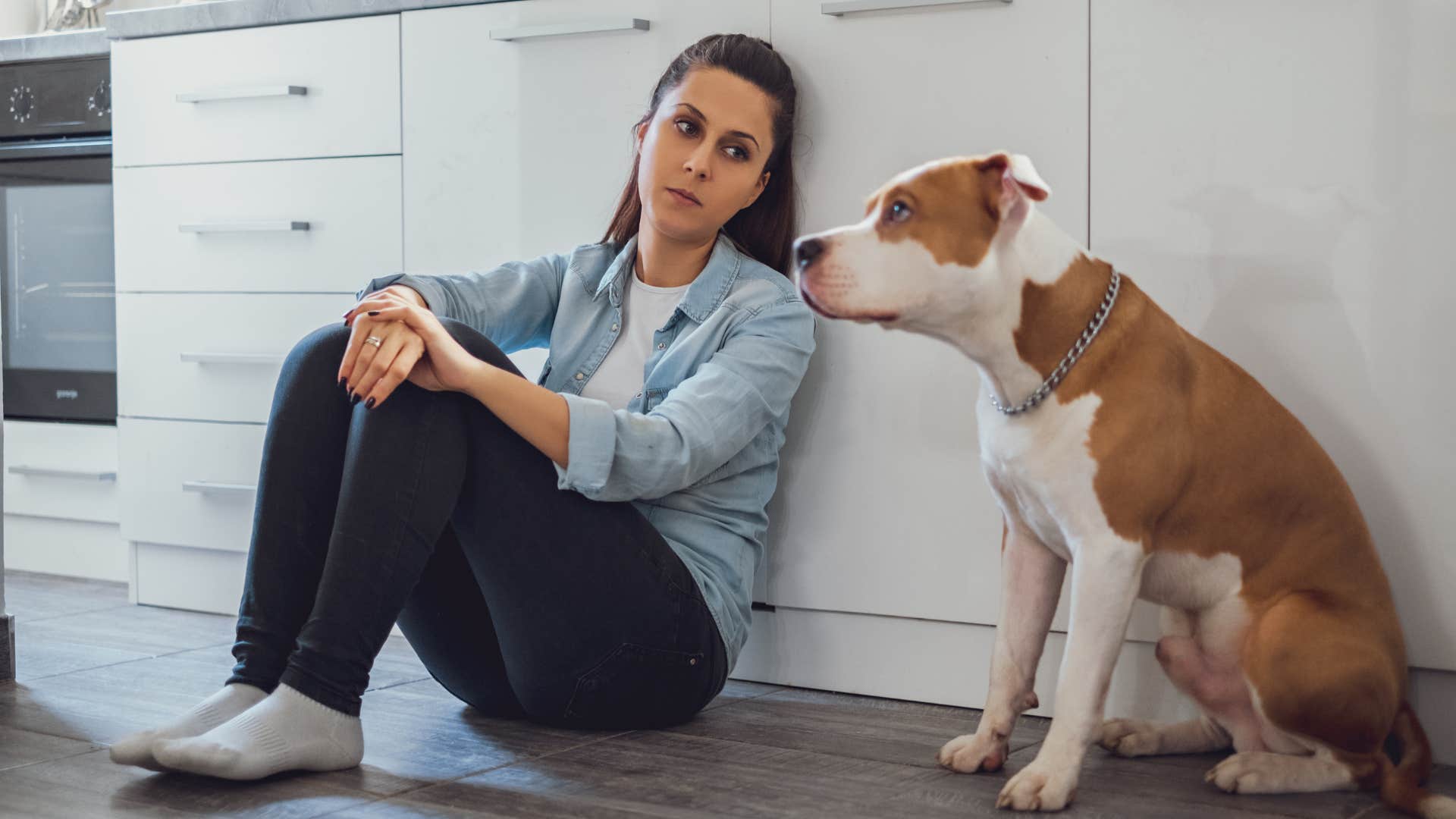
10. You feel controlled by the pet
 Sjale | Shutterstock
While they're probably the most innocent person in the situation, sometimes, when we feel like our parents love their pets more than us, we can't help but feel uncomfortable in their presence. If you've been there, you know the feeling.
You feel pressured to let them do whatever they want or tolerate their misbehavior, even when it's harming you. You feel condemned when you overlook their needs for a moment and are urged to seek attention from a parent through conversations about the pet.
11. You feel resentful at home
 ViDI Studio | Shutterstock
Even if you love the pet yourself and feel guilty for being jealous of them, if your parent is giving a dog or cat more attention than they're giving you, it can bring up resentment. Especially in seasons of life when all we need is love, affection, or support from parents, going home and having to battle with a pet for attention can feel discouraging.
Instead of noticing a parent's behaviors or the dynamic at home, sometimes, the most obvious red flags that you're not getting enough love or attention come from your own feelings and emotions.
Zayda Slabbekoorn is a senior editorial strategist with a bachelor's degree in social relations & policy and gender studies who focuses on psychology, relationships, self-help, and human interest stories.
