
Pet Owners Who Do These 11 Things Make Their Dogs Way More Anxious Than They Realize
 ORION PRODUCTION | Shutterstock
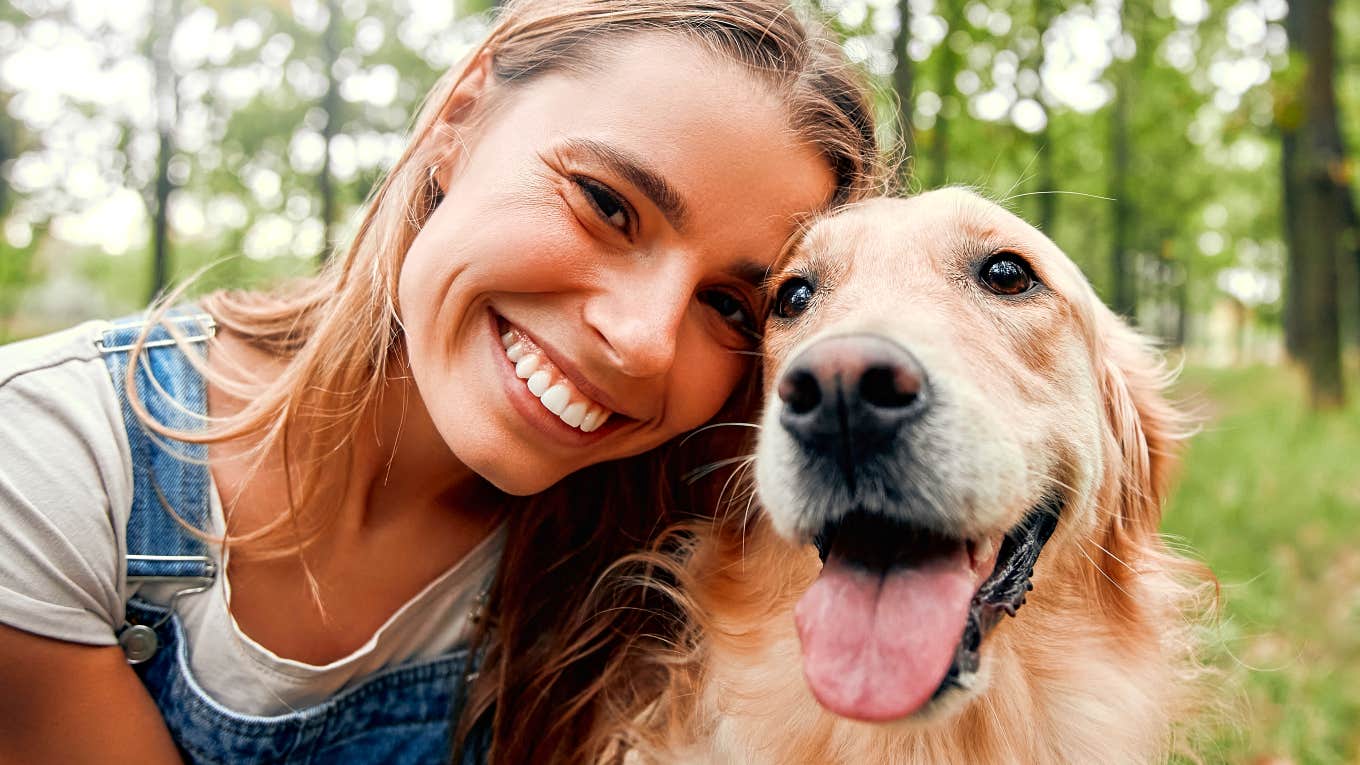
 Most pet owners want their dogs to feel safe and loved. While they often focus on giving them the best food, making sure they're doing long, exciting walks, and training them so they won't misbehave and destroy the house, they might often miss out on doing things that soothe their dogs' anxiety. Anxiety in dogs doesn't always look the same as it does in humans. They may start pacing all around the house, whining more than usual, and even becoming suddenly aggressive or refusing to be petted. Many owners unintentionally create stress through habits that they don't realize are harmful.
But being able to understand the things that trigger your dog can help both you and them feel so much happier and secure. Considering dogs are highly attuned to the behavior of their humans, the tone of voice and energy they're bringing into the room can really set their furry friends off. Dogs also aren't able to explain why they feel scared, so they're relying on their human to respond and, essentially, protect them. It's not about placing the blame on pet owners, but about helping them understand the ways that their own behaviors and patterns can end up breaking down the connection they have with their dogs.
Pet owners who do these 11 things make their dogs way more anxious than they realize:
1. Yelling or using harsh tones
 Sjale | Shutterstock
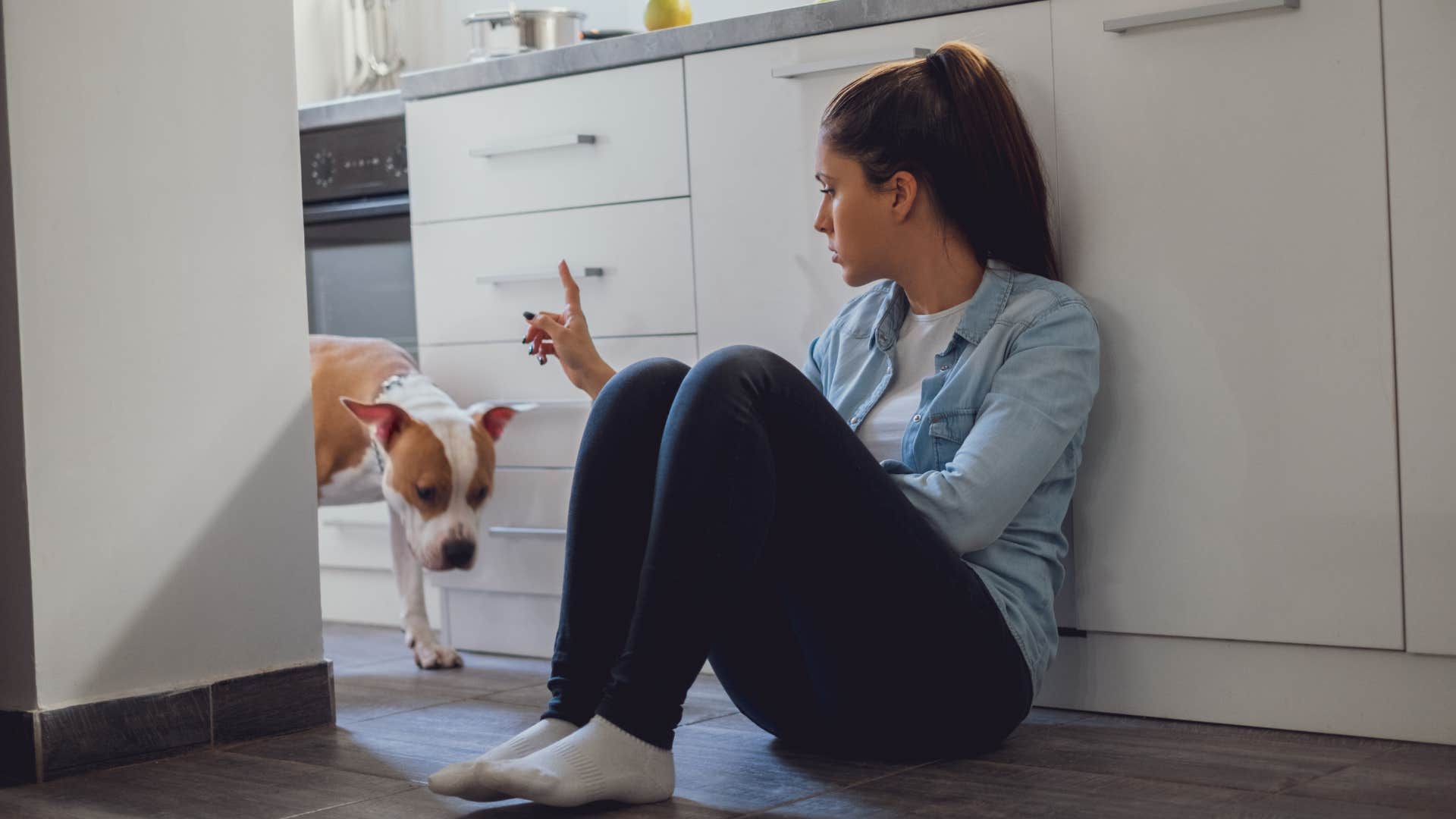
Even if the owner thinks raising their voice will hopefully correct bad behavior, dogs often perceive loud tones as a sign of danger. It makes them immediately tense up, and now they're hyper-vigilant for the rest of the day. Over time, all of that repeated exposure to yelling can cause a dog to become quite jumpy and fearful, especially of their owner. Research has even suggested that even using relatively mild punishments, like yelling, can stress dogs out, making them more "pessimistic" than dogs that experience reward-based training.
Even if your dog doesn't react visibly at first, they're still picking up on the stress that you're projecting. What's tricky is that owners are usually yelling because they care and they want their dogs to behave well. But dogs aren't ever trying to annoy you; they just interpret things a lot differently than humans do. Sometimes patience can go a long way.
2. Keeping inconsistent routines
 vectorfusionart | Shutterstock
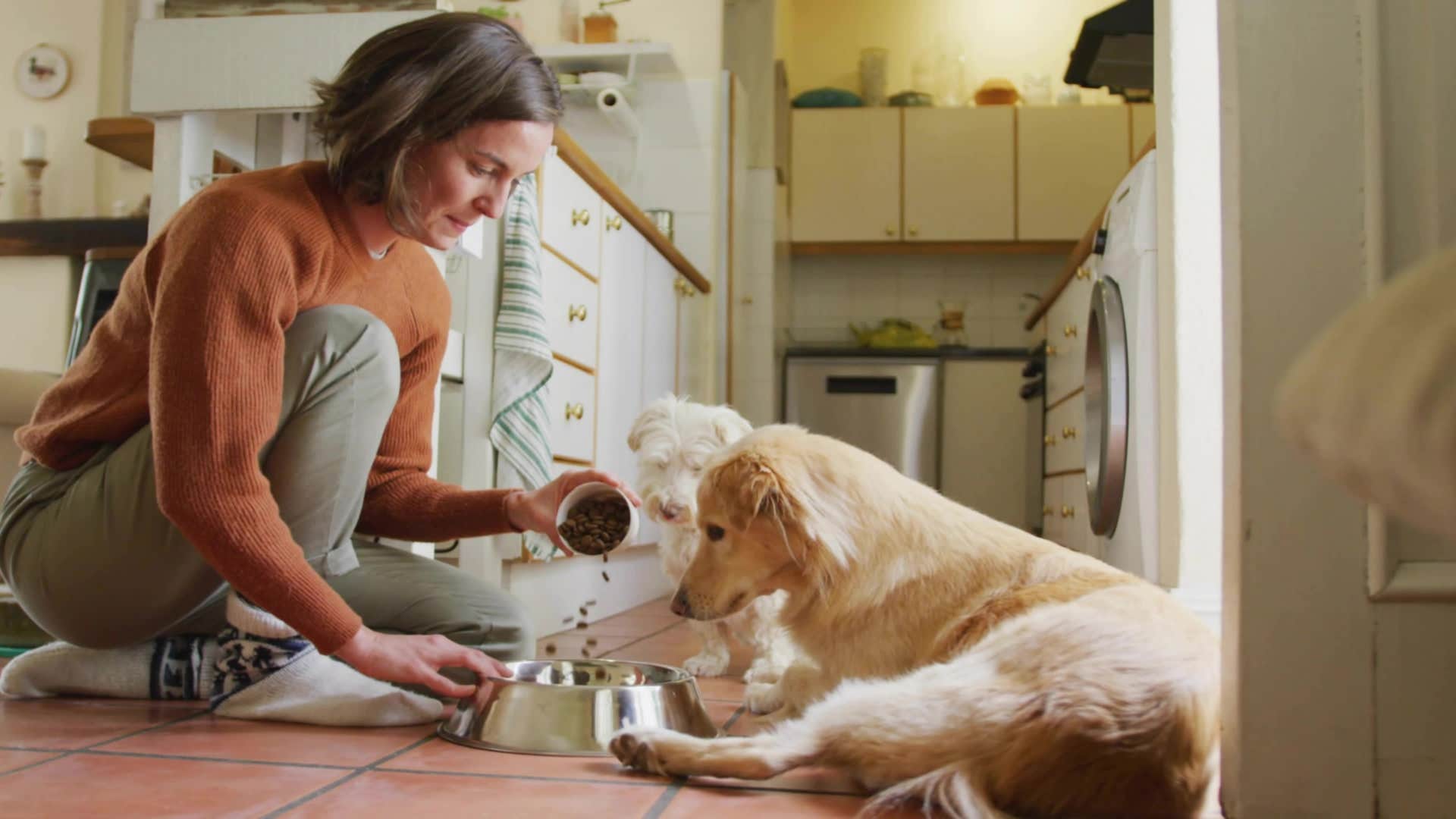
Dogs are big on predictability. They want to eat and walk at the same time every single day, and even want to be tucked in bed with the same routine every night. When their routines are constantly shifting, it can make them feel unsure and anxious about what they should expect.
Experts have long encouraged owners that a core part of creating a routine for your dog helps establish clear expectations and is a big part of training them, too. When their schedules are constantly shifting, even by a little bit, any dog can suddenly be thrown off. It disrupts their sense of control and comfort. This essentially makes dogs a lot more clingy and restless. Even the most well-behaved dogs will start acting out because their day feels chaotic.
3. Ignoring their body language
 PeopleImages | Shutterstock
When owners overlook the subtle signs of stress in their dog, it only makes their discomfort more common. Things like dogs yawning constantly, even when they're not tired, freezing in place, or suddenly turning their heads away when their owners may be trying to pet them are usually signs of a dog feeling quite stressed out. Many owners might just dismiss this behavior or think their dog is just being over-the-top, but in reality, your dog is trying to show you that they're quite uncomfortable.
When those warnings are ignored, dogs end up feeling forced to stay in situations that make them feel uneasy. This tends to happen in more social moments, like dogs meeting new people or other animals. Owners should make sure they're paying attention to their dogs' cues and learn that boundaries are important with them as well.
4. Overexposing them to stressful environments
 Sorapop Udomsri | Shutterstock
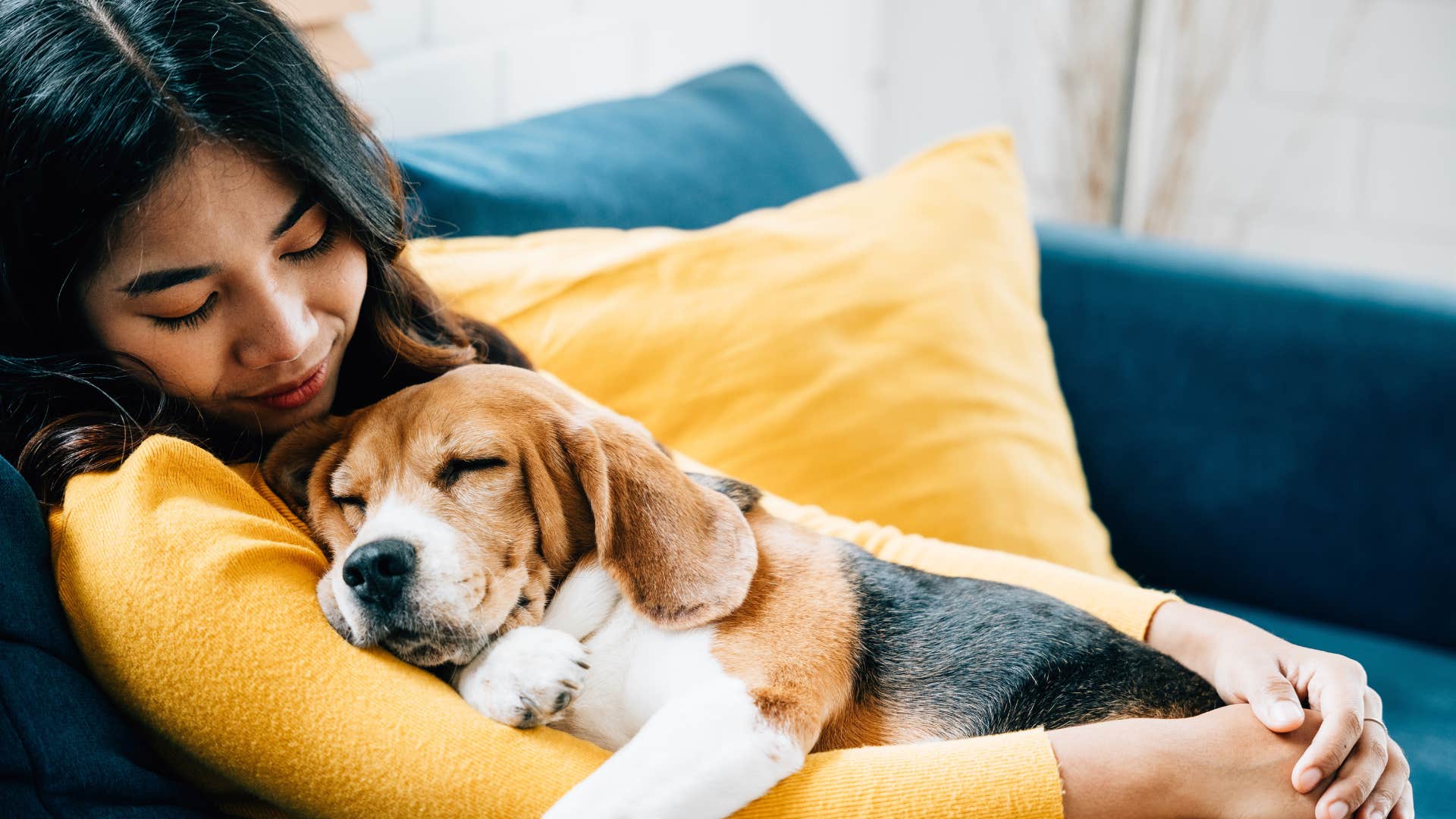
Constantly taking a nervous dog to crowded parts and noisy streets on their walks without gradually exposing them to environments like that can make them so much more anxious. A lot of dog owners just assume that automatic exposure will help build their dog's comfort and confidence. But for many dogs, it ends up doing the opposite. Research suggests that a change in environment for dogs can often restrict their autonomy and freedom as well.
Considering dogs take in way more sound and movement than humans do, what feels normal to us does not feel normal to them at all. In fact, it just makes them feel more overwhelmed. Some dogs prefer calmer, quieter moments, or they're just a little slower to warm up to new spaces. Owners should take it slow rather than throwing their pup into the deep end and hoping they'll be fine.
5. Giving them too many new toys at once
 Studio Romantic | Shutterstock
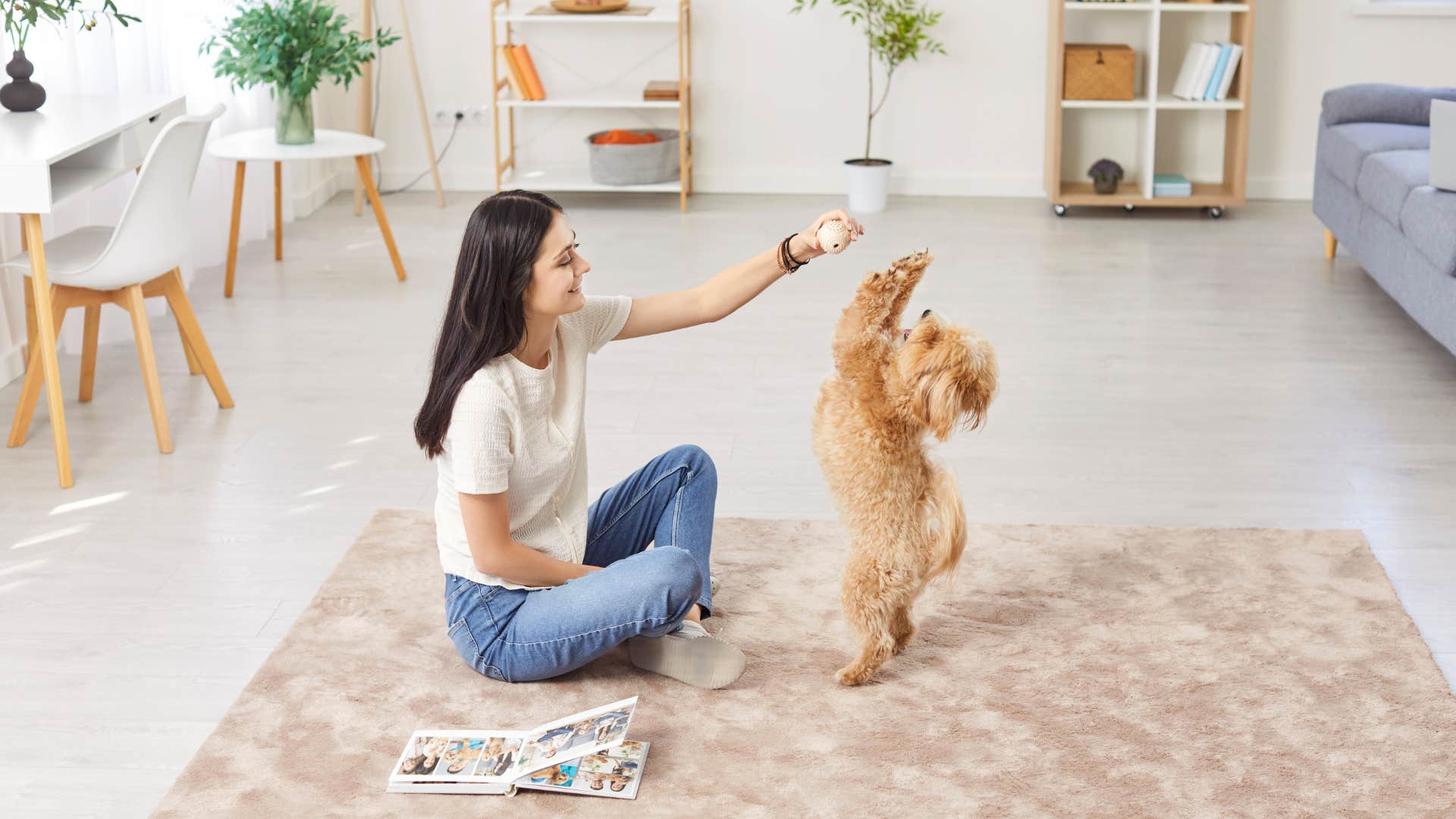
Buying your dog new toys is often the best way to show them how much they're loved. The problem is that dumping a bunch of new toys in front of them at once can sometimes be more overwhelming than exciting. Dogs usually get overwhelmed when confronted by new things, as it is, so too many new things at once can send them into a frenzy.
Rather than wanting to play, dogs may freeze up completely or just ignore the toys because of how anxious it makes them. Dogs want to play with things that feel safe to them. Introducing toys one at a time means they can get comfortable with that specific toy. Just like humans can become stressed out by having too many options in front of them, the same can be said for dogs.
6. Dressing them in outfits they clearly dislike
 Valeria Venezia | Shutterstock
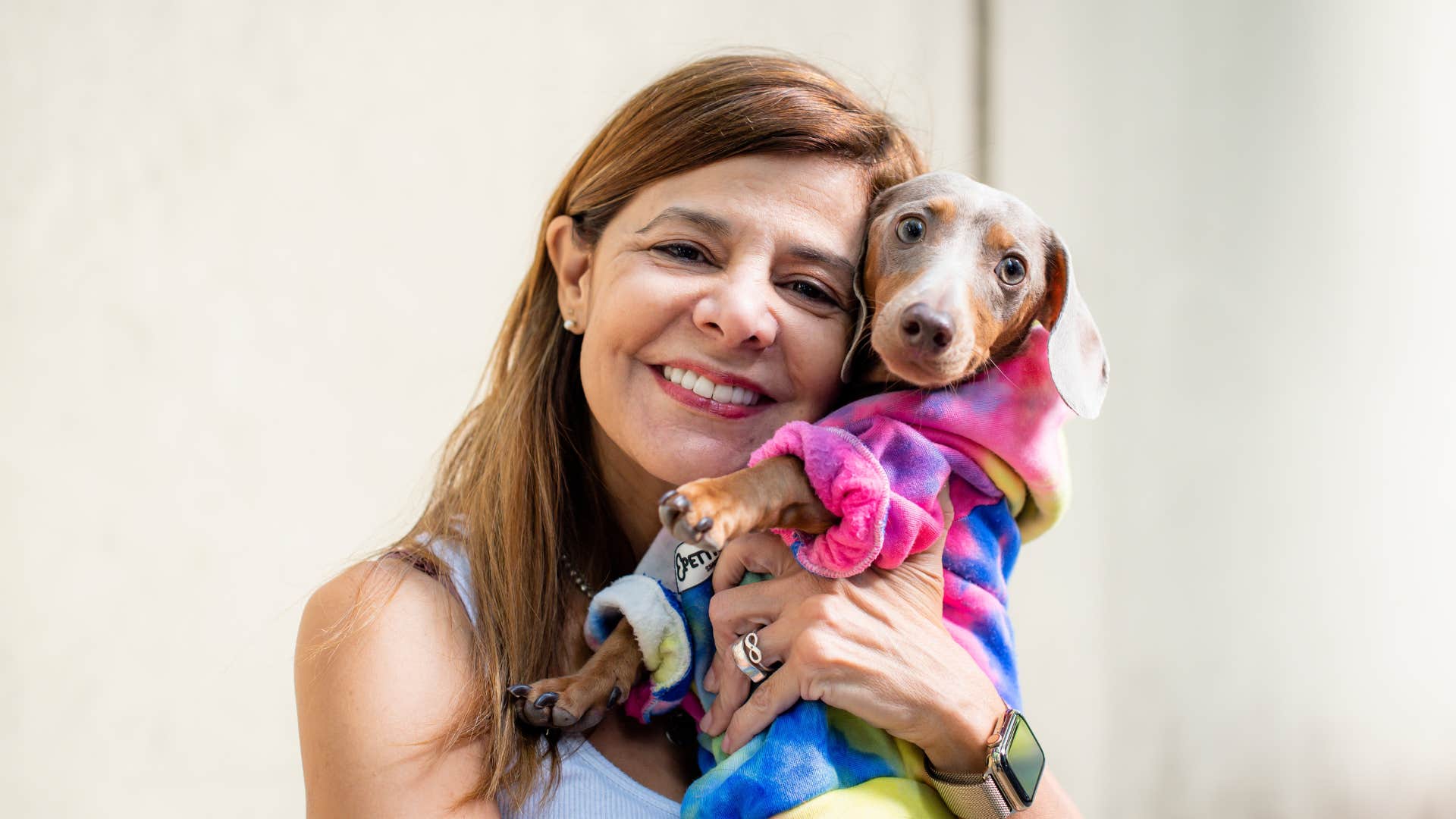
It can be cute to dress your dog up in a cute outfit, especially if it's for a special occasion. However, some dogs truly don't enjoy being stuffed into an outfit. In fact, tight fabrics can make them feel restricted, and that feeling makes them feel more anxious. Dogs are usually moving all the time and enjoy being able to move freely.
They don't want to feel trapped in clothes that their humans have put on them for a laugh or cute photo. They start to feel trapped and might end up shutting down altogether as a result. All of the constant sensation of clothes just makes them hyper-aware of what's touching them. Just because your dog isn't growling or barking loudly when you put clothes on them doesn't mean they're fine with the outfit.
7. Cleaning or bathing them too often
 Bohdan Malitskiy | Shutterstock
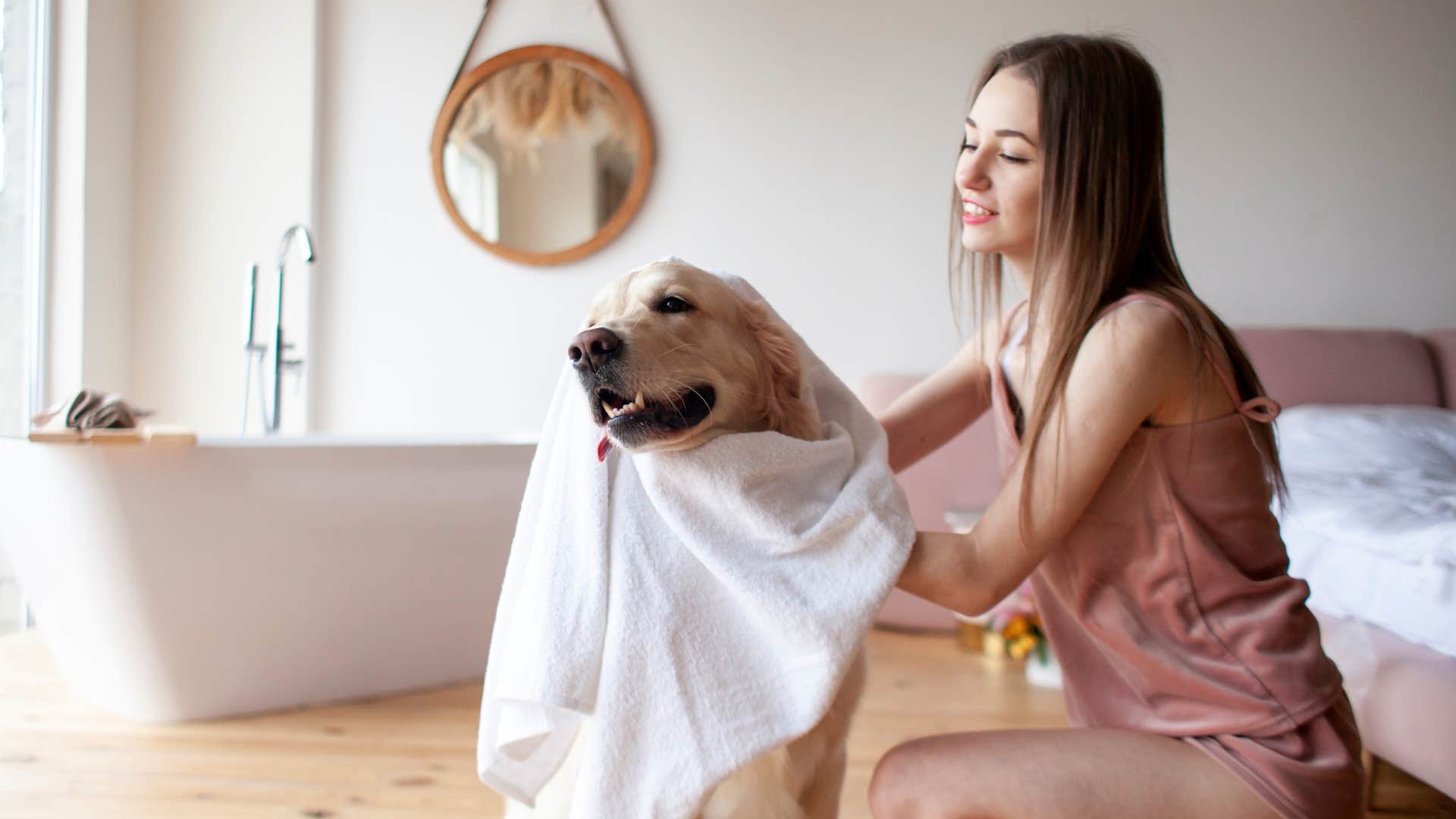
Keeping your dog clean is often the number one part of being a pet owner. Dogs aren't like cats. They get dirty and smelly often, especially from being outside and rolling around in all of that dirt. They need to be given baths, but not too often. For some dogs, being over-cleaned can feel stressful and intrusive. What might seem like a normal routine as an owner might not be that way at all.
Cleaning dogs too often strips them of smelling the familiar scents on themselves. Those scents often give dogs comfort when they're feeling general anxiety. So when that smell is gone completely, some dogs might become restless or roll around on the floor to try to get that scent back.
8. Letting kids overwhelm them
 PeopleImages | Shutterstock
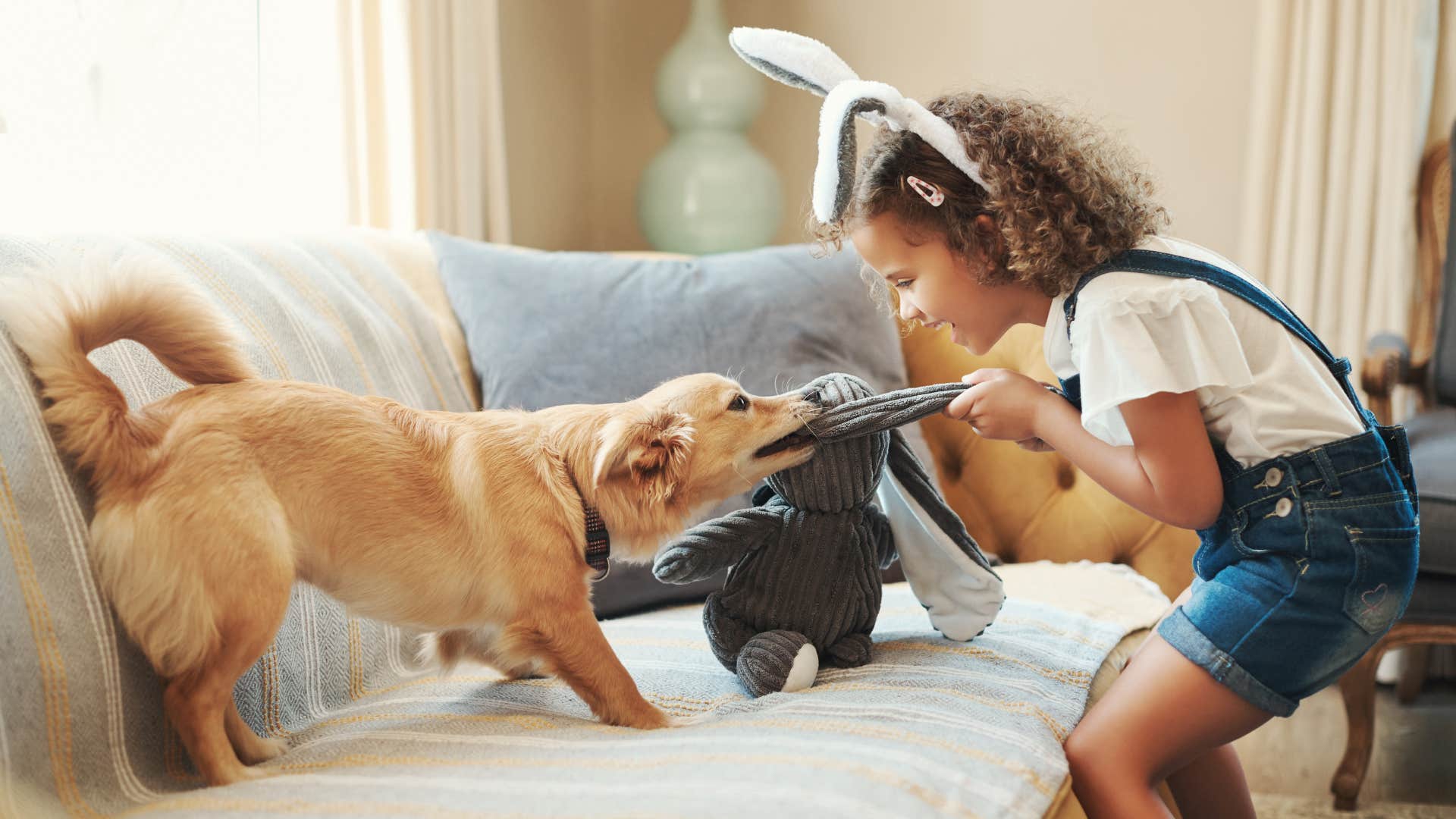
Kids and dogs can definitely be a great combination. But there are some dogs that don't do the best around children. It's not that they're growling or attacking them, but kids unpredictable nature can be quite stressful to a dog. What feels playful to a child can actually feel chaotic to a dog. So when dogs are suddenly surrounded by squealing children who are grabbing all of their fur, their stress level spikes.
Without interference from their owner to take the child away, dogs can quickly become anxious. Owners need to pay attention to how their dog is behaving around a child. If they're nervously flicking their eyes around and turning their head, it probably means they need some kind of intervention.
9. Allowing strangers to approach too quickly
 Reshetnikov_art | Shutterstock
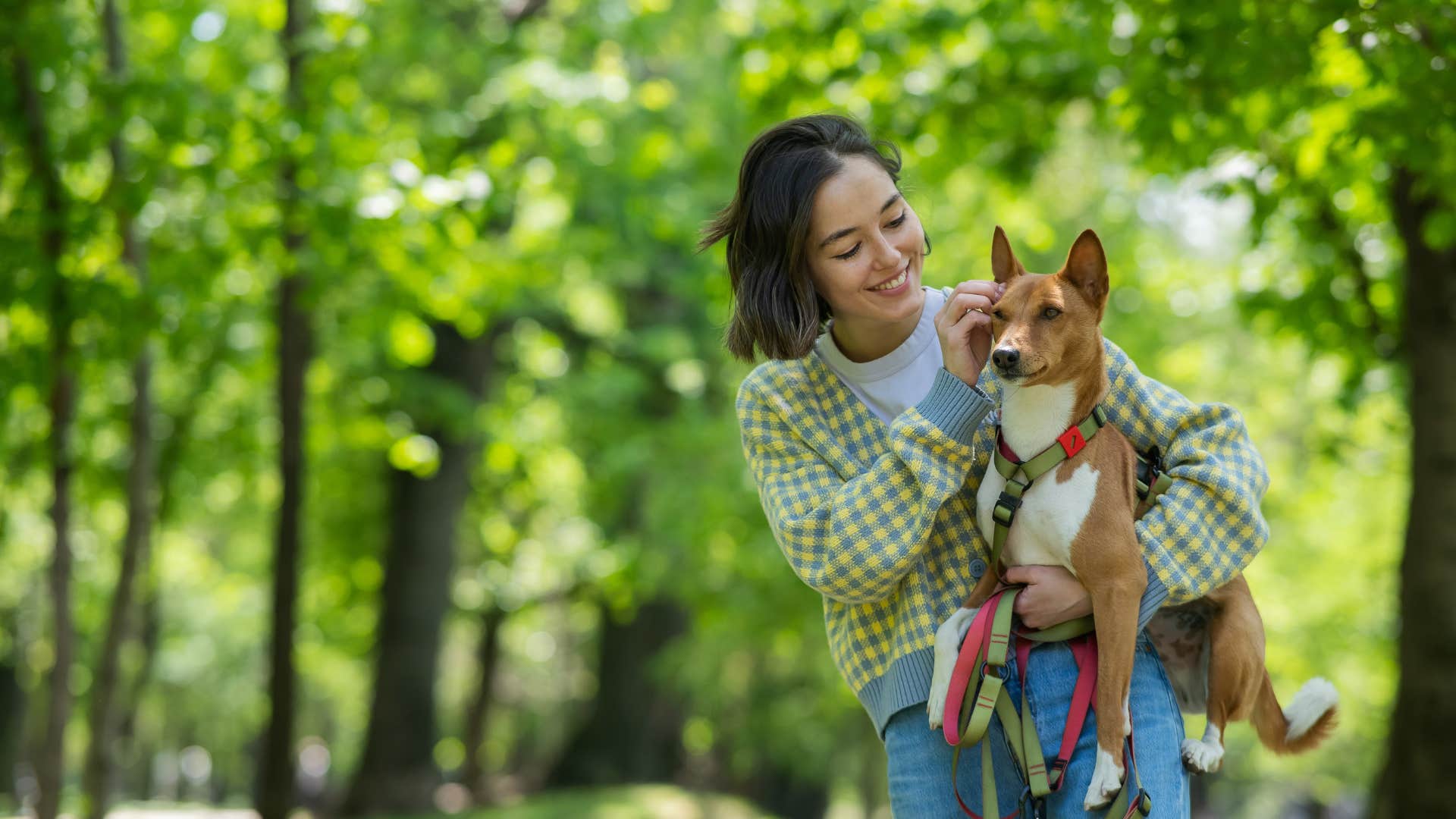
While some dogs absolutely enjoy interacting with strangers on walks, there are some who find it to be incredibly stressful. The reality is that many dogs need time to actually observe and feel safe before letting a stranger approach them. When someone just rushes up to them and reaches out, it can feel more threatening than friendly. The dog doesn't have time to actually process who the person is or even what they want, which is usually pets.
Owners might feel a bit awkward setting boundaries and telling strangers that they might not want to approach their dog. But, for the dog's well-being and as the human taking care of them, it's important to do so. It's not that your dog is unfriendly; it's just that they might be a little shy and need some time to warm up to another human, which is perfectly fine.
10. Yanking on their leash during walks
 New Africa | Shutterstock
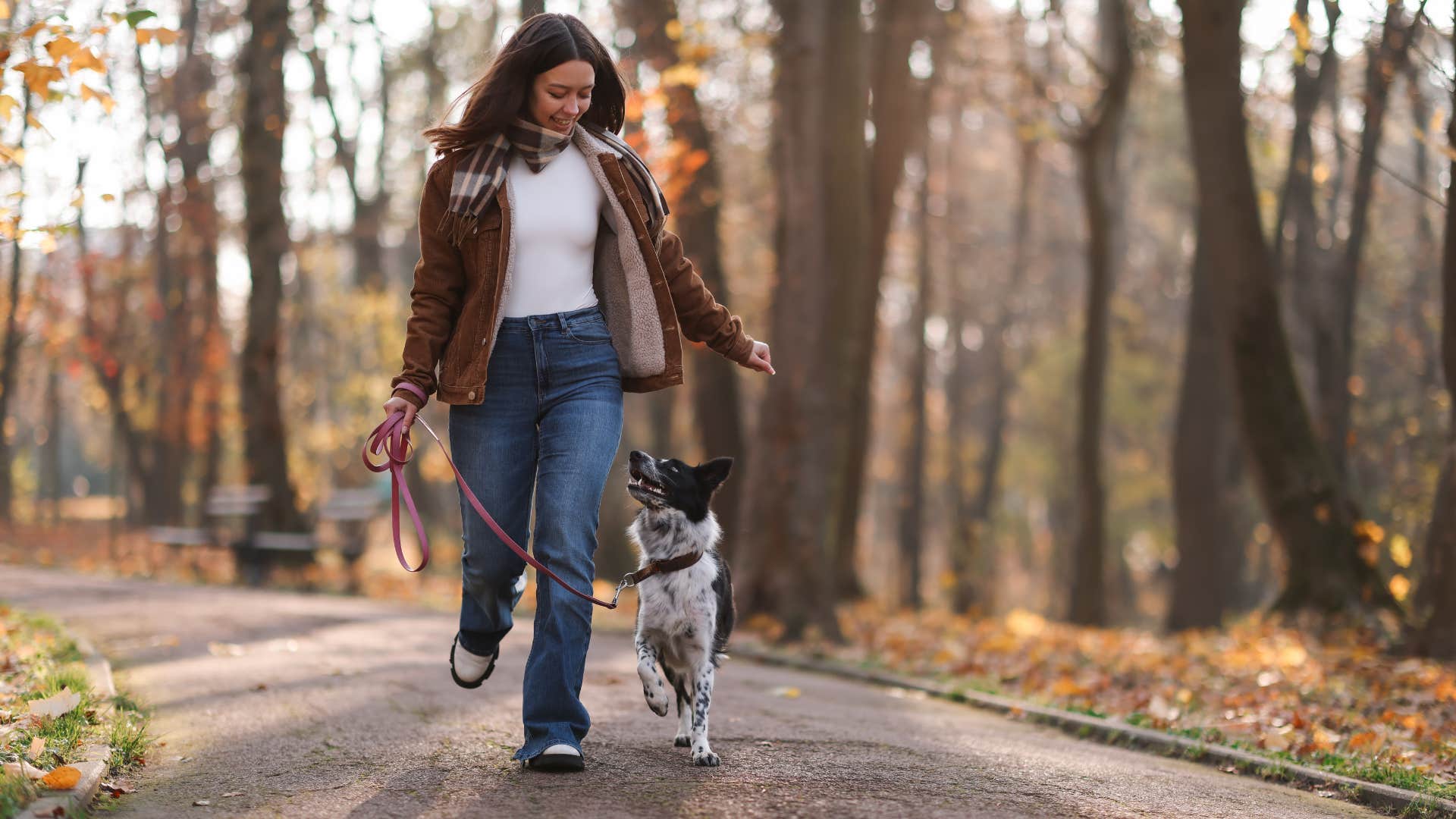
Yanking on a dog's leash is often the quickest way to gain control when you're on a walk with them. But it can actually be quite startling and stressful for a dog. The sudden pressure on their neck or chest can feel scary, especially because they don't understand exactly why it's happening in the first place. Rather than learning, they start to associate walks with being stressful and anxiety-inducing.
Experts have explained that dogs who are yanked often suffer from problems including frustration, anxiety, stress, elevated heart rate, blood pressure, corticosteroids, damage to the neck, thyroid and salivary glands, and possibly their eyes. It can also damage the trust that a dog has in their owner. Walks are not supposed to be a power struggle. Dogs want to feel connected to their owners while they're outside, not afraid.
11. Punishing fearful behavior
 Momentum studio | Shutterstock
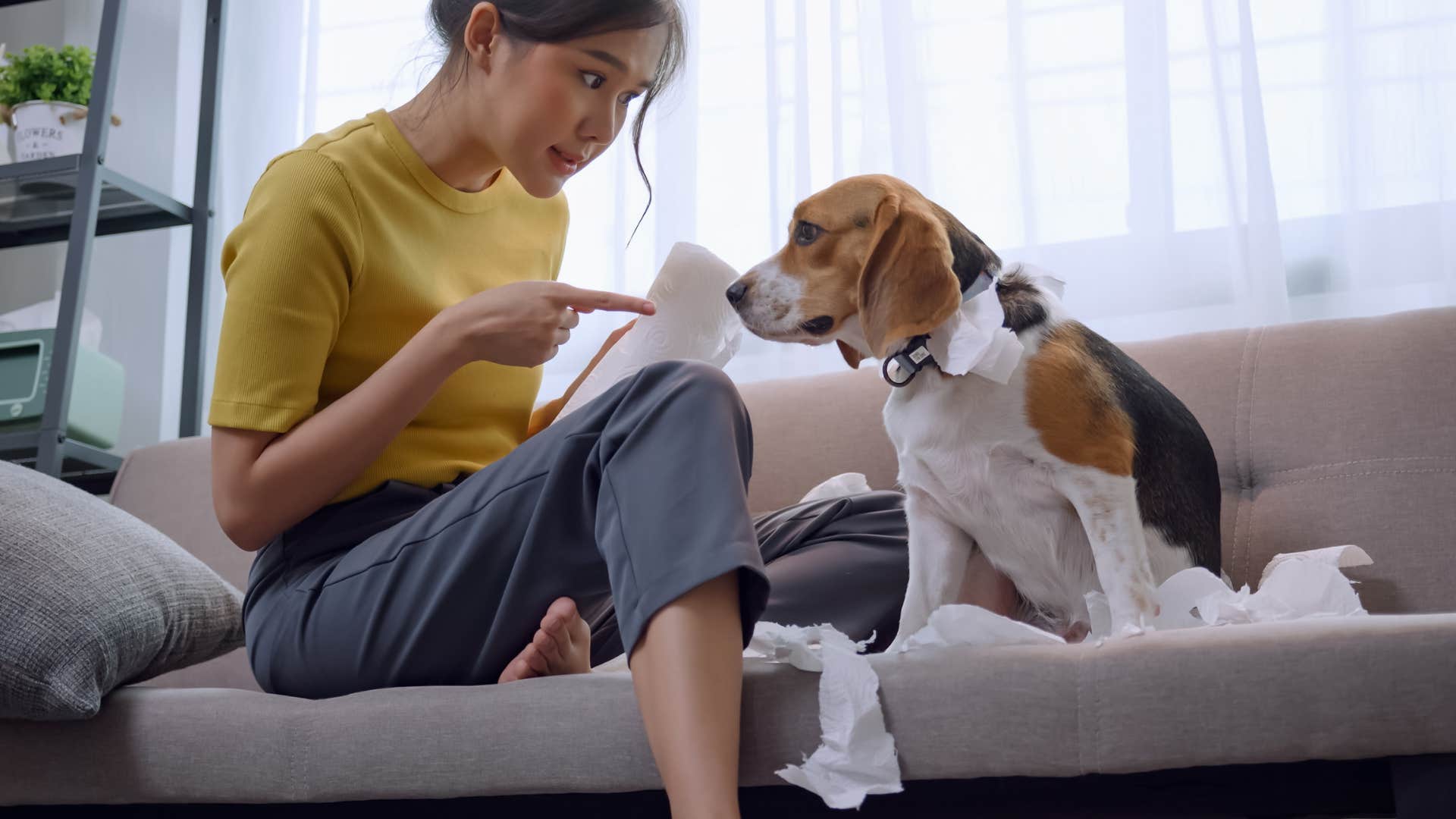
When owners scold or correct their dogs for growling, cowering, or showing other behavioral patterns consistent with being afraid, it only stresses a dog out more. Fearful behavior is just a dog's way of communicating their discomfort. Research has shown that owners should be on the lookout for a fearful dog, often reducing their body size and even holding their tails in a low position. Dogs just want to be comforted when they're feeling this way.
What they don't want is to be wrongfully punished. They learn that they can't safely express their fear. The emotion doesn't just disappear when they've been scolded, either. It just becomes bottled up, and eventually it'll come out in more intense and unpredictable ways. It's almost the same thing that happens to humans when their feelings are being suppressed or outright dismissed. Dogs are looking to their humans for guidance and to feel safe. What they're not looking for is to be spoken to in a harsh tone when they're already feeling out of sorts.
Nia Tipton is a staff writer with a bachelor’s degree in creative writing and journalism who covers news and lifestyle topics that focus on psychology, relationships, and the human experience.
