
People Who Stay Calm In Stressful Situations Usually Share These 11 Personality Traits
 Andrii Nekrasov / Shutterstock
 Everyone experiences stress, but people respond to it in very different ways. While some individuals become overwhelmed or reactive in tense moments, others seem to maintain a steady, composed presence even when things around them feel chaotic. That kind of calmness often looks effortless from the outside, but it’s rarely accidental.
Psychologists who study emotional regulation consistently find that the ability to remain calm under pressure is closely tied to certain personality traits and mental habits. These individuals aren’t immune to stress. Instead, they tend to approach difficult situations with a mindset that allows them to think clearly rather than react impulsively. Over time, those habits shape the way they handle challenges, relationships, and unexpected setbacks.
People who stay calm in stressful situations usually share these 11 personality traits
1. They pause before reacting
 Branislav Nenin / Shutterstock
People who remain calm during stressful situations often develop the habit of creating a small pause between stimulus and response. That moment of hesitation gives the brain time to move from emotional reaction into more deliberate thinking.
Individuals who pause before responding are better able to evaluate situations rationally. Instead of immediately reacting to the strongest feeling in the moment, they assess what’s actually happening. This pause can be only a few seconds, but it makes a noticeable difference. It allows them to choose their response rather than letting stress dictate it.
2. They focus on what they can control
 Migma__Agency / Shutterstock
One of the most consistent traits of calm individuals is their attention to controllable factors. Stress often increases when people fixate on variables outside their influence.
Individuals who concentrate on actionable steps tend to experience less anxiety during uncertainty. Rather than worrying about every possible outcome, they identify what they can realistically address. This shift in focus reduces mental overload. It also creates a sense of forward movement even during difficult situations.
3. They tolerate uncertainty well
 ViDI Studio / Shutterstock
Stressful situations frequently involve incomplete information. People who remain calm often have a higher tolerance for ambiguity. Instead of demanding immediate answers, they allow situations to unfold gradually.
Individuals who accept temporary unknowns experience less emotional distress during change. They recognize that not every problem can be solved instantly. Patience allows them to gather better information before acting. That patience often prevents unnecessary escalation.
4. They maintain perspective
 PeopleImages / Shutterstock
In tense moments, it’s easy to interpret problems as larger or more permanent than they actually are. People who stay calm tend to evaluate situations within a broader context.
Reframing stressful events as temporary challenges can reduce emotional intensity. Instead of assuming the worst-case scenario immediately, they consider multiple possibilities. This perspective prevents minor setbacks from feeling catastrophic. It also keeps them focused on long-term outcomes rather than immediate discomfort.
5. They manage their internal dialogue
 ViDI Studio / Shutterstock
The way people talk to themselves during stressful moments has a powerful effect on their emotional response. Individuals who regulate their internal dialogue often maintain greater composure.
Instead of repeating catastrophic thoughts, they consciously redirect their thinking toward problem-solving. Their internal language tends to be practical rather than alarmist. That shift helps prevent stress from spiraling into panic. Over time, this mental habit becomes automatic.
6. They’re comfortable asking for help when needed
 insta_photos / Shutterstock
Remaining calm does not mean handling every challenge alone. Many people who manage stress effectively understand when collaboration is beneficial.
Individuals who seek input from others often experience lower stress levels. Rather than seeing help as a sign of weakness, they view it as a practical resource. This openness allows them to gather better information and share responsibility. As a result, they rarely feel isolated during difficult situations.
7. They regulate their breathing and body language
 Miljan Zivkovic / Shutterstock
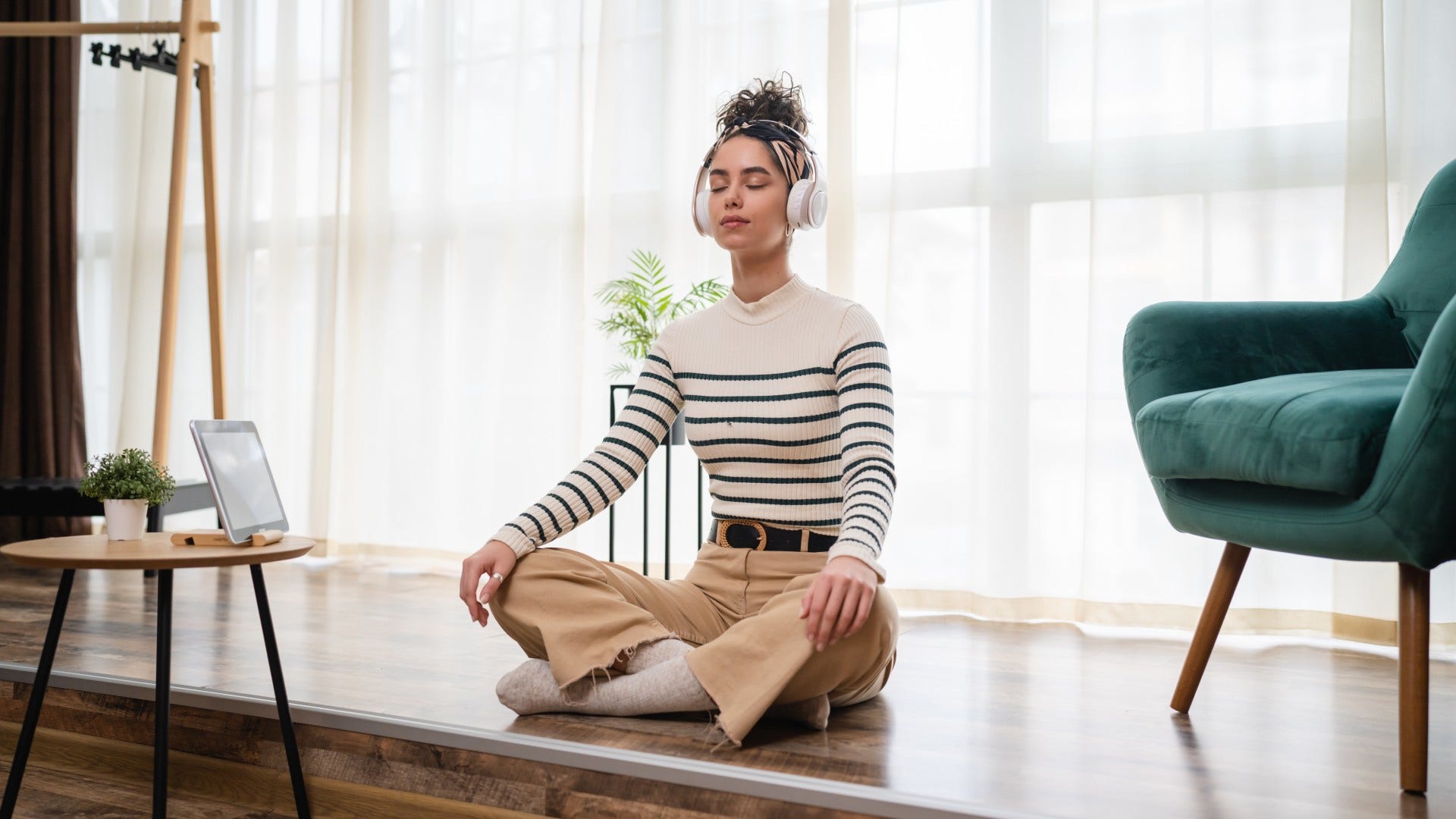
Calm individuals often influence their emotional state through physical cues. Slow breathing, relaxed posture, and steady movement send signals to the nervous system that the situation is manageable.
Controlled breathing can lower heart rate and reduce the body’s stress hormones. Even small adjustments in posture can affect how the brain interprets a situation. By managing their physical response, these individuals prevent stress from escalating unnecessarily. Their body language also helps reassure others around them.
8. They avoid taking things personally
 fizkes / Shutterstock
Stressful environments often include criticism, tension, or strong emotions from others. People who stay calm tend to separate these reactions from their personal identity.
Individuals with strong emotional boundaries are less likely to internalize negative interactions. Instead of assuming hostility is directed at them personally, they consider situational factors. This perspective helps them remain objective during conflict. Emotional distance allows them to focus on solutions rather than defensiveness.
9. They prioritize preparation
 PerfectWave / Shutterstock
Many calm individuals reduce stress by anticipating potential challenges ahead of time. Preparation provides a sense of control when situations become demanding.
People who rehearse possible scenarios often respond more effectively when stress arises. Preparation doesn’t eliminate uncertainty, but it creates familiarity with the process. When problems appear, they already have a mental framework for responding. That preparation helps maintain confidence during tense moments.
10. They recover quickly after stressful events
 ViDI Studio / Shutterstock
Calm people are not immune to emotional reactions. The difference is that they tend to return to equilibrium more quickly once the situation passes.
Rapid emotional recovery is a key component of long-term well-being. These individuals acknowledge stress without allowing it to linger unnecessarily. They reflect on the experience and then move forward. This ability prevents stress from accumulating over time.
11. They view challenges as temporary problems to solve
 insta_photos / Shutterstock
Perhaps the most important trait is how calm individuals interpret difficulty itself. Instead of seeing stressful situations as threats to their stability, they approach them as problems that require thoughtful solutions.
People who adopt a problem-solving orientation are less likely to become overwhelmed by pressure. Challenges become puzzles rather than crises. This shift in perspective dramatically changes how the brain responds to stress. The situation may still be difficult, but it feels manageable.
Sloane Bradshaw is a writer and essayist who frequently contributes to YourTango.
