
People Who Have Total Strangers Tell Them Their Life Stories Almost Always Have 11 Rare Personality Traits
 VesnaArt | Shutterstock
 While the average person generally craves deep conversations and meaning with others, according to a study shared by the American Psychological Association, some people with a specific kind of magnetic energy attract more depth from unsuspecting people and interactions. Random people open up to them in line at the grocery store, and old friends reach out to remind them of their impact, all because they share a certain level of magnetism that holds people's attention and makes them feel safe.
From intuition in social settings to having a calm nervous system, people who have total strangers tell them their life stories almost always have these rare personality traits. Other people are immediately attracted to their energy and more comfortable in their presence, and it’s a superpower in a world defined by impenetrable emotional walls and individuality.
People who have total strangers tell them their life stories almost always have 11 rare personality traits
1. They have a secure, calm nervous system
 Inside Creative House | Shutterstock
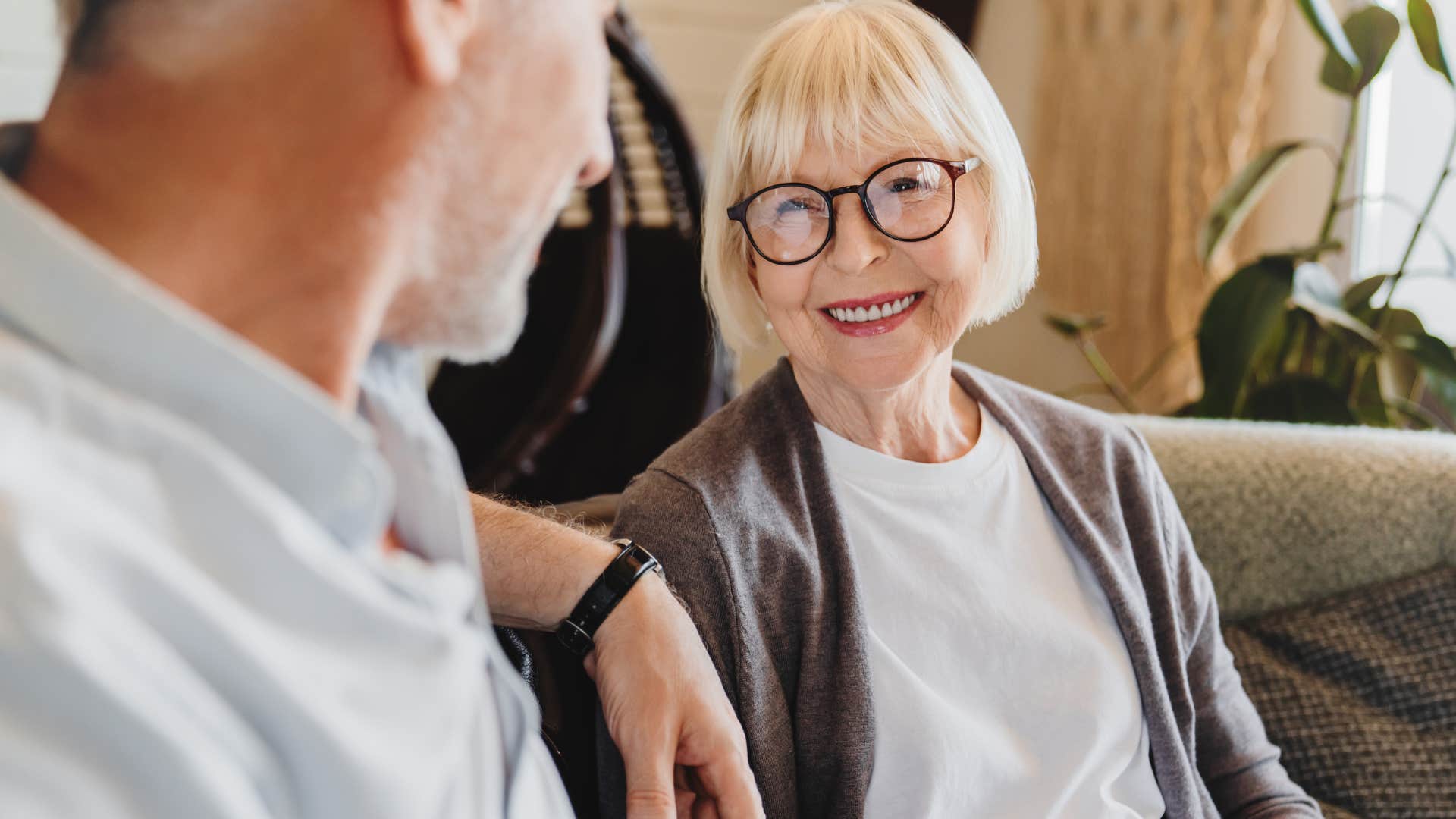
When someone’s under mental stress or managing a dysregulated nervous system, their body holds a lot of tension. Of course, their language shifts, but also their general energy, body language, and presence in social spaces. Other people notice when there is security and calmness in someone’s general demeanor, and it starts with their nervous system which influences every aspect of their social being.
If they’re walking around in public and constantly getting thrust into oversharing conversations with strangers, they likely feel like a warm hug. They encourage people to open up, not just with calm body language and intentional eye contact, but also with a general warmth of warmth, empathy, and compassion.
2. They’re comfortable with silence
 LightField Studios | Shutterstock
Even if it’s largely demonized in our culture, which celebrates extroversion and loudness, silence is important for boosting connection and general well-being while existing in our social landscape. Not only does it offer people a safe space to reflect on their feelings and regulate their emotions around others, but it also cultivates space to boost personal comfort and self-esteem.
People who are clearly comfortable with silence, both within alone time and outside in conversations with others, tend to carry a calmness with them that encourages others to open up. Even if it’s total strangers telling them their life stories, it’s a rare personality trait that so many run from today.
3. They’re empaths at heart
 Rido | Shutterstock
According to a study from PNAS, empathetic people are quicker to learn how to help others, whether they know them or not, than their average counterparts. They seek to understand people and actively listen with warm intentions, crafting a safe space where even the most emotionally detached people feel comfortable being vulnerable.
It’s this kind of bonding and positivity, that comes from overcoming the hurdle of discomfort when asking for help, which often encourages people to open up to others who are empaths at heart. They have a presence and energy that reminds others they’re willing to help and understand, and in a world of disconnection and selfishness, it’s rewarding and rare.
4. They listen to understand
 Pau Novell Aran | Shutterstock
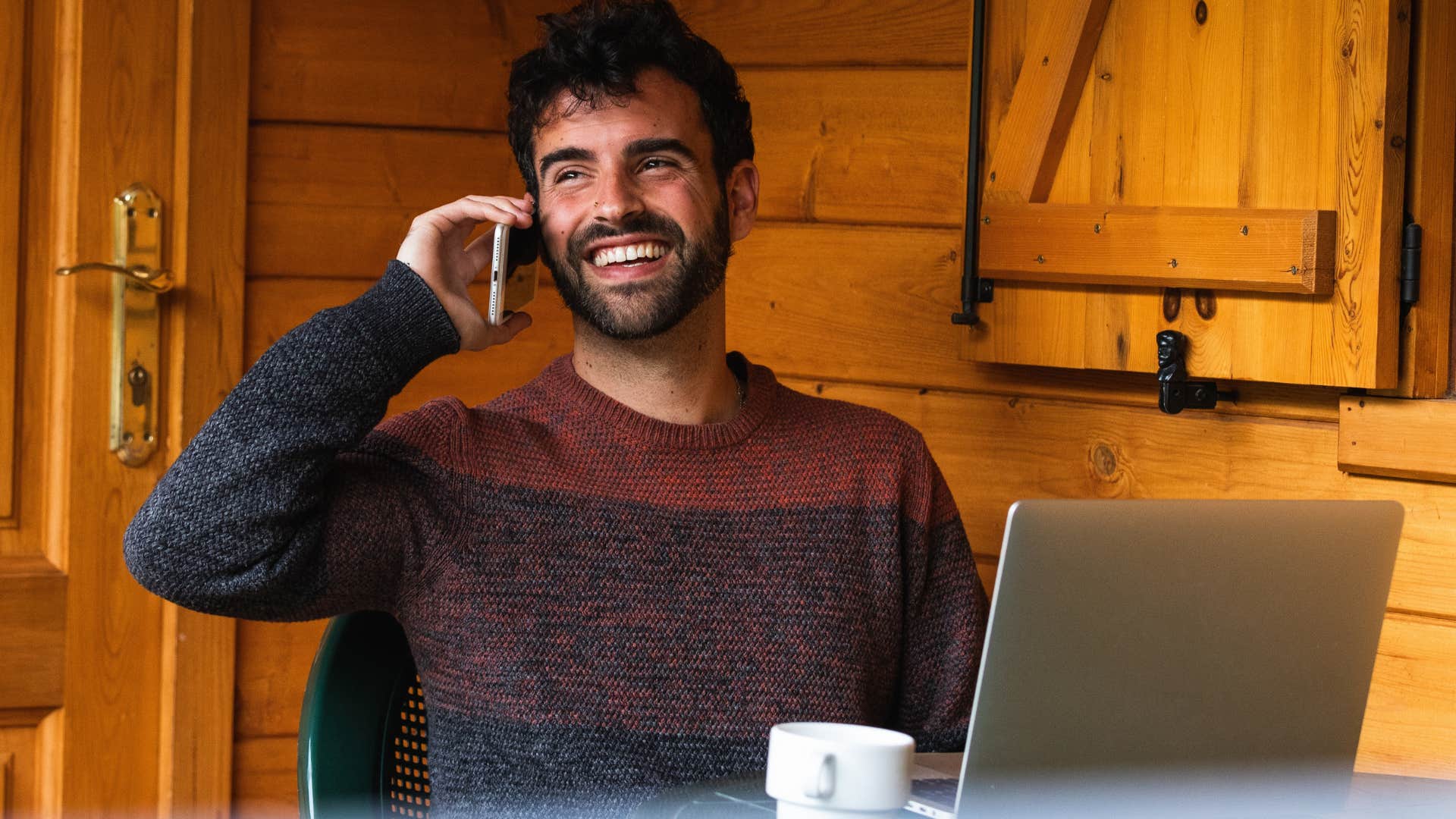
When we actively listen to other people, it can feel like the “bare minimum” in a conversation, but it’s incredibly powerful. A study from Social Neuroscience found that when someone notices another person actively listening to their words, it sets off the reward center in their brain, bonding them closer in the conversation and sparking better self-esteem.
In a world where people listen for their chance to speak and struggle to avoid distractions that sabotage conversational attention, it’s a rare, special personality trait to make total strangers feel comfortable speaking about themselves and their lives.
5. They don’t judge people immediately
 PeopleImages | Shutterstock
While we’re often naturally wired to judge people immediately based on their facial expressions and appearance, according to a study from Frontiers in Psychology, people who make others feel innately comfortable in conversations override that natural tendency to judge and replace it with understanding and empathy.
They work to actively reflect on and unlearn their biases that want to judge others with open conversations and radical empathy, often in ways that make other people feel incredibly comfortable opening up, even if they’re total strangers.
6. They’re curious
 Branislav Nenin | Shutterstock
Many innately curious people lead their lives in the pursuit of novelty, according to a study from the Journal of Personality, which often makes them more interested in the lives, opinions, and emotions of others.
They bolster the connection between others in their relationships because they care enough to ask thoughtful questions and lean into other people’s stories, even if it means they’re not getting a constant stream of attention or external validation.
7. They’re steady and secure instead of chaotic
 PeopleImages | Shutterstock
People who regulate their nervous systems, appreciate their alone time, and build strong relationships with themselves before others often come across as a steady, secure force in our chaotic world. They’re confident, but not arrogant.
They’re self-assured and set their boundaries, but lead with empathy and grace. They give people the benefit of the doubt in ways that relieve others' emotional burdens, without sacrificing their own levels of humility and strength.
Whether it’s based in a calm nervous system, a regulated mind, or a secure body, they’re an innately safe space for people who need to vent, even if they’re total strangers in the grocery store.
8. They’re internally gratified
 Lomb | Shutterstock
People who are internally gratified don’t try to seek out validation from others or be the center of attention to bolster their confidence. They find ways to boost their self-esteem and internal confidence on their own time, with routines, alone time, and rituals that actually work for them.
They can show up presently in interactions with others and listen to understand in their conversations without needing to feel validated or reassured with constant attention.
9. They’re highly agreeable
 PeopleImages | Shutterstock
While their agreeableness requires some level of discernment to protect their energy, people who go out of their way to make people feel safe and secure encourage others to open up. That’s why it’s so important for people to protect their energy instead of protecting their time, which requires a level of self-awareness that most people lack.
However, people who are open to helping others and supporting them to cultivate a strong sense of comfort protect their energy and reflect enough to have the space for these conversations without taking on an unnecessary burden.
10. They’re emotionally regulated
 metamorworks | Shutterstock
There’s a reason why emotional intelligence is so intrinsically tied to well-being, as a 2024 study explains. When people are emotionally regulated and comfortable with vulnerability, it opens them up to all kinds of unexpected connections and social interactions that truly add value to their lives.
Rather than running from things that make them instantly anxious or uncomfortable, they have the tools to make space for emotions without avoiding them completely. By avoiding defensive language and uncomfortable body language, these people are often met with vulnerability from others. Other people feel safe opening up to them, because they’re regulated and secure in any situation.
11. They’re not competitive
 PeopleImages | Shutterstock
Instead of being competitive with other people, chasing after the spotlight in conversations, and invalidating people’s feelings to protect their own sense of superiority, people who are secure without competition create safe spaces for people to be vulnerable and honest.
They’re not afraid to genuinely celebrate people for their accomplishments and well-being, because they’re not threatened by someone else who’s doing well, even when they don’t know them.
Zayda Slabbekoorn is a senior editorial strategist with a bachelor’s degree in social relations & policy and gender studies who focuses on psychology, relationships, self-help, and human interest stories.
