
If Someone Is Actually A Nice Person, They'll Say These 11 Phrases Casually
 Krakenimages.com | Shutterstock
 Usually defined by their emotional intelligence or social awareness, the true nature of a “good” person is their empathy — and their willingness to make space for it amid the chaos of everyday life. Of course, emotional regulation and communication skills all play a role in how effective their empathy truly is, but at the end of the day, if someone is actually a nice person, they’ll say certain phrases casually and make space for interactions that allow other people to feel special and heard.
As a PLOS One study explains, feeling heard is truly the root of our relationships and social interactions. When we feel heard, we have more space to cultivate intimacy, closeness, and connection with others, whether they’re partners, best friends, or strangers. So, while some of these phrases and behaviors may seem subtle, they have impactful outcomes.
If someone is actually a nice person, they’ll say these 11 phrases casually
1. ‘I’m really glad you’re here’
 DexonDee | Shutterstock
Whether we’re cognizant of it in passing moments or not, feeling understood is often intertwined with our social, physical, and psychological health. According to a study from the Journal of Social and Personal Relationships, feeling understood is tied to higher life satisfaction and well-being for this exact reason.
However, when someone’s being left out of a conversation or being intentionally misunderstood by fake friends in a social setting, it’s these foundational feelings that are often lost. But if someone is actually a nice person, they’ll often leverage their social awareness to notice when someone feels disconnected, and make an effort to pull them back in.
With active listening and phrases like “I’m really glad you’re here” — both of which take little to no extra effort or time — they can ensure they’re feeling seen and heard, even if everyone else is too entangled in their own needs to notice.
2. ‘I thought of you’
 Pau Novell Aran | Shutterstock
Whether it’s a surprise gift from the grocery store or a sent TikTok online, if someone uses a phrase like “I thought of you,” chances are they’re actually a nice person. While social media engagement tends to be investigated solely through a negative lens, experts from Harvard’s School of Public Health argue that these small gestures online can actually be beneficial for mental health and social connections.
When we feel like someone is thinking about us when we’re not around, it makes us feel special and seen, so it’s no wonder that truly nice people continue to make an effort with small habits like this.
3. ‘How can I help?’
 NDAB Creativity | Shutterstock
Many truly good people aren’t “mind readers,” but they’re experts at picking up on other people’s energy and intuitively reading the room when someone needs help. They understand that asking for help isn’t always easy or comfortable, but still make space for positive interactions stemming from offering advice, lending a helping hand, and making someone feel safe accepting them.
That’s why if someone is actually a nice person, they’ll say phrases like “How can I help?” or “Would you like advice or support right now?” often. They know how to be there for someone, whether they need emotional support or tangible help.
4. ‘Thank you for trusting me with that’
 BongkarnGraphic | Shutterstock
It’s not always easy to open up, be honest, and make space for vulnerability, even when you’re with close friends and loved ones. That’s why truly good people always work to ensure people feel safe expressing themselves in conversations with them — by using phrases like “thank you for trusting me with that,” actively listening, and building trust by keeping promises in each of these interactions.
These kinds of deep conversations often lead to greater connectedness and well-being, according to a study from the Journal of Personality and Social Psychology, but to get the most out of them, people have to be willing to feed into healthy habits. Asking questions, using positive nonverbal cues, and keeping someone’s secrets are all important to building the trust needed to sustain these conversations and interactions healthily.
5. ‘I’m rooting for you’
 Dikushin Dmitry | Shutterstock
While some fake friends and envious peers may dismiss and invalidate someone’s excitement about achieving their goals to cope with their own jealousy, truly good people always make space to celebrate their social circles.
According to a study from the Journal of Public Policy & Marketing, celebrating others isn’t just about making them feel seen and special — it also boosts the well-being and happiness of everyone around. So, if a good person has the emotional regulation skills to cope with their own passing envy when someone achieves something while they’re still working toward it, they’ll benefit too.
6. ‘I understand why you feel that way’
 Josep Suria | Shutterstock
If someone is actually a nice person, they’ll often say phrases like “I understand why you feel that way” casually. Instead of trying to chalk up someone’s internal feelings or emotions to a “right and wrong” binary, they seek to understand through a more fluid lens.
Even in arguments and conversations where they don’t necessarily agree with another person, a truly good person still makes sure to support and provide space for understanding. They know that powerful conversations don’t come from proving a point or trying to “win” a debate, but instead crafting a safe space for everyone to feel heard.
7. ‘It matters to you, so it matters to me’
 Angel Santana Garcia | Shutterstock
Research shows that tending to your social connections and relationships is just as important as caring for physical and mental health. They bring a layer of joy to our lives that nothing else can beat, which is why truly good people go out of their way not just to show interest in these people, but also in the things they care about.
“It matters to you, so it matters to me” is just one example of that. They indulge in the hobbies and plans of their friends, even when they don’t find them interesting. They make an effort to listen to rants from loved ones about topics that they don’t necessarily care about. They’re engaged with the things their peers like, so they can feel special and heard.
8. ‘Take a break’
 PeopleImages | Shutterstock
Many people who struggle with burnout and overworking themselves just need permission to rest. If they can’t provide that kind of space for themselves, having a peer, friend, or loved one in their life who urges them toward it can make all the difference.
If someone is actually a nice person, they’ll not only say phrases like “take a break” or “let me handle this” often, but they’ll also notice the small “red flags” that show someone needs support before they spiral.
9. ‘I’m so grateful for you’
 PeopleImages | Shutterstock
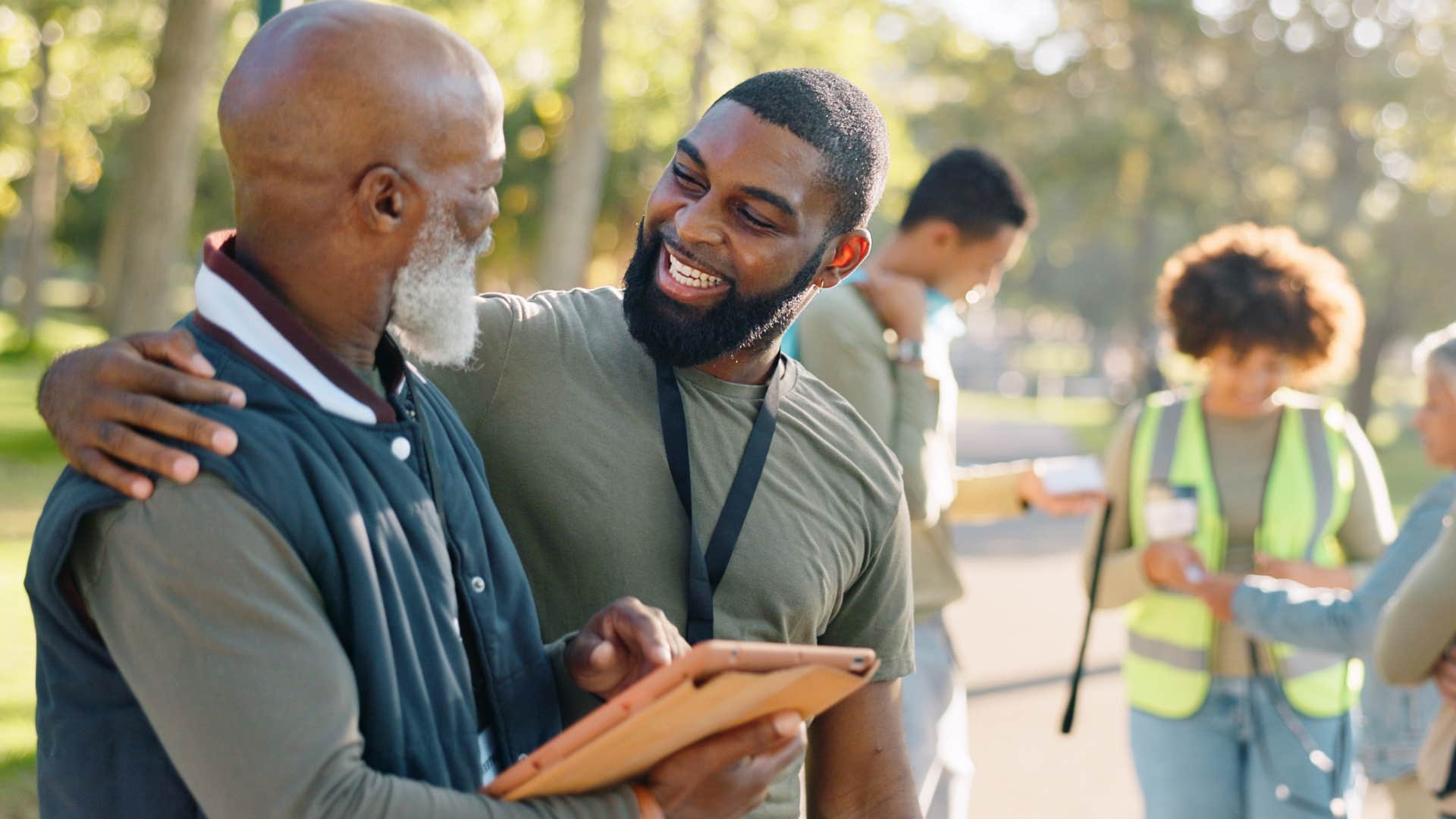
Expressing gratitude truly enhances our health, uplifts our happiness and mood, and protects the connectedness of our relationships. Yet, so many of us forget to make space for it on a regular basis. However, if someone’s actually a nice person, they’ll say phrases like “I’m so grateful for you” casually.
It’s not an entire production to make space for gratitude; in fact, these people are often so grounded and happy in their lives because it’s become second nature. They express appreciation, to themselves and others, constantly.
10. ‘It’s no big deal, don’t worry’
 Ground Picture | Shutterstock
Many people worry about confrontation and disappointing people so much that they people-please at their own expense. They overlook the power of honesty and true vulnerability in favor of fleeting comfort, putting the closeness and connection of their relationships at risk.
However, truly nice people don’t mind delving into a hard conversation or making space for vulnerability even when it’s inconvenient for them. They’d prefer to build a deep, meaningful connection than constantly interact with someone who lacks depth.
11. ‘I’m always here for you’
 PeopleImages | Shutterstock
According to a study from Aging & Mental Health, many people forgo asking for help when they’re struggling and self-isolate from loved ones because they fear being a burden to others. However, if someone’s actually a nice person, they’ll do everything in their power to show up and support their people, whether they’re being explicitly asked or not.
“I’m always here for you” and “you can be honest with me” are just a few of the phrases that these kind people say casually. They are intentional about building a safe space for people to feel connected, comfortable, and loved.
Zayda Slabbekoorn is a senior editorial strategist with a bachelor’s degree in social relations & policy and gender studies who focuses on psychology, relationships, self-help, and human interest stories.
