
People Who Are Mentally & Emotionally Ugly Usually Say 9 Phrases In Casual Conversation
 Geancarlo Peruzzolo | Pexels
 Even if someone is attractive on the outside, when they lack empathy and emotional warmth, it's ugly. Their shaky moral compass is often indicative of someone who doesn't treat people well.
Someone who's truly mentally and emotionally ugly might be able to hide behind a stereotypically beautiful appearance, but certain behaviors and conversations reveal them almost immediately.
Mentally and emotionally ugly people say these phrases often:
1. 'They had it coming'
 Anna Shvets | Pexels
Someone with an ugly heart shows little empathy, but they also actively indulge in revenge. If someone hurts them or challenges their sense of superiority, they're not afraid to lash out.
"They had it coming" is their favorite way to justify bad behavior, because they feel little remorse. If something bad or uncomfortable happens to them, they immediately assume someone needs to be held accountable, even if it's really supposed to be a moment of growth for them.
2. 'That's not my problem'
 SHVETS production | Pexels
If they're not getting something in return for being kind, internally ugly people don't offer it. They operate from a place of selfishness, not compassion. They never act with empathy because they don't care to understand someone's situation or needs. That is, of course, unless they're trying to take advantage.
Yes, some people have developed these behaviors and this mindset to protect themselves, but it usually stems from a feeling of superiority. They think they're better than everyone, so they won't use their precious time and energy to support someone who needs it.
3. 'I don't owe you anything'
 Keira Burton | Pexels
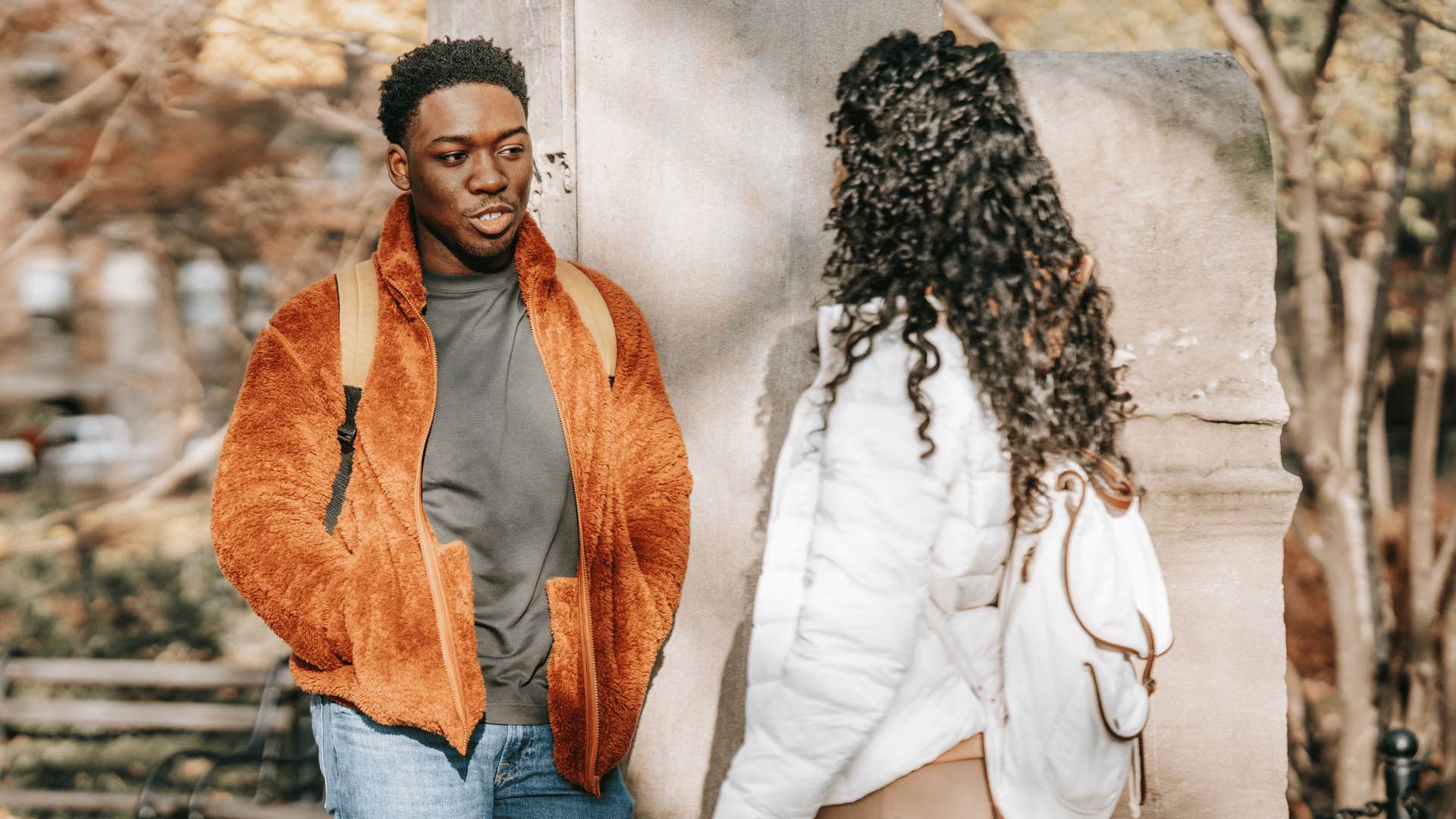
The worst kinds of people view relationships as conveniences and support for others as blackmail. They'll do anything to get people wrapped around their fingers, but absolutely nothing to show their love and appreciation.
They truly don't believe they owe anyone anything, even the people they're supposed to love unconditionally in relationships or strangers who need help and have nobody else to turn to, because their sense of superiority takes over.
4. 'I'm not apologizing'
 Pressmaster | Shutterstock
Pride and ego are more important than someone else's hurt feelings, at least for a mentally and emotionally ugly person. They care much more about feeling secure than helping and supporting others, even if they have to hurt them to get to a better place.
Avoiding accountability and shaming people for calling them out are all ways they protect the narrative. They say "I'm not apologizing" often, not because they don't realize they've hurt someone, but because they genuinely believe they're not doing something wrong if it benefits them.
5. 'I don't care what happens to them'
 Katerina Holmes | Pexels
Evil people do harm to others actively, but they also find pleasure in watching others in pain. Whether it's emotionally manipulating someone in a relationship or isolating someone to be easier to take advantage of, they truly don't care about anyone.
If hurting or sabotaging someone comes with some kind of benefit to their lives, it's not uncommon for an ugly person to say something like "I don't care what happens to them." It's a weird justification for their behavior, and a clear sign that they lack a shred of empathy.
6. 'You're so emotional'
 Nicoleta Ionescu | Shutterstock
Being uncomfortable with raw emotions and not knowing how to express them doesn't make you a bad or ugly person. There are so many reasons that make it hard for so many people.
But a truly ugly person makes other people feel hurt and bad for expressing their emotions. They're the opposite of a safe place because they always find a way to attack and condemn vulnerability and honesty.
7. 'I don't hang out with weak people'
 cottonbro studio | Pexels
Some people are ugly inside because they criticize healthy emotions. They call people weak when they express their emotions or let themselves be vulnerable, not always realizing they're compensating for their own lack of emotional intelligence and authenticity.
They sabotage good conversations and cling to unhealthy social norms that put them in a position of control or power. Not only does this ruin their ability to truly connect with people, but it spreads an aura of negativity and shame around emotional behaviors that we could all use a lot more of.
8. 'They don't deserve that'
 Yan Krukau | Pexels
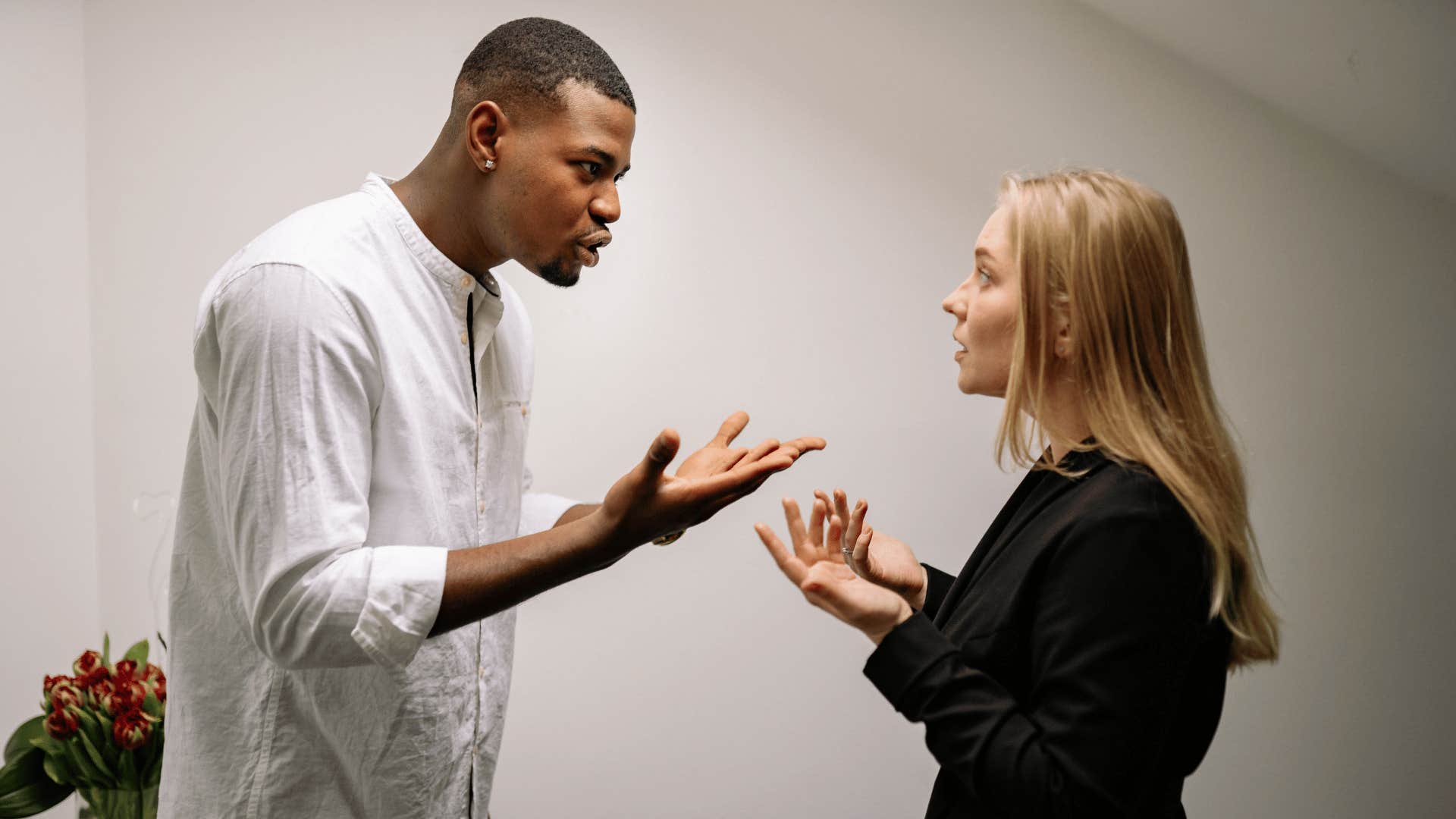
Many truly good people still struggle with jealousy and celebrating others when they're struggling. But people who are ugly inside and out generally hate it when someone is happy, especially when it's not because of their presence or being.
They act on their jealousy and insecurities in seriously harmful ways, creating a weird definition of "deservingness" that only ever works in their favor. They're entitled people because they think they're better than everyone else.
Their sense of personal deservingness revolves around this belief, ensuring they feel attacked when they don't get exactly what they want or need. Unfortunately, it becomes everyone's problem.
9. 'That's so embarrassing for you'
 KaterynaUKR | Shutterstock
While there are certain situations where feeling and experiencing shame help us grow, most of the time, being consistently blamed or embarrassed can leave long-term mental and emotional wounds. That's why weaponizing it and urging people to feel ashamed is so insidious, particularly from emotionally ugly people like this who have no remorse for the consequences.
"That's so embarrassing for you" is just one casual way these people figure out how to use shame to their advantage. Whether it's protecting their innocence and avoiding accountability or trying to make someone feel unimportant to take advantage of them, they're acting in evil, misguided ways.
Zayda Slabbekoorn is a senior editorial strategist with a bachelor's degree in social relations & policy and gender studies who focuses on psychology, relationships, self-help, and human interest stories.
