
People Who Were Young In The 80s & 90s Had 11 Experiences That Made Their Brains Think Differently Than Everyone Else
 melissamn | Shutterstock
 The 80s and 90s were some of the last generations that had unsupervised play without the kind of structure, expectations, and constant stimulation that modern kids face. They had a balance between the innocence of childhood and the independence that came from filling their own time. They embraced fun and boredom without screens to distract their attention.
People who were young in the 80s and 90s had experiences that made their brains think differently from everyone else, whether that meant waiting for the things they wanted instead of getting everything immediately, or simply playing outside without parents hovering over their shoulders. The lessons and skills of the 80s and 90s are slowly disappearing today, and modern kids are facing the consequences.
People who were young in the 80s and 90s had 11 experiences that made their brains think differently than everyone else
1. They can entertain themselves without screens
 Bricolage | Shutterstock
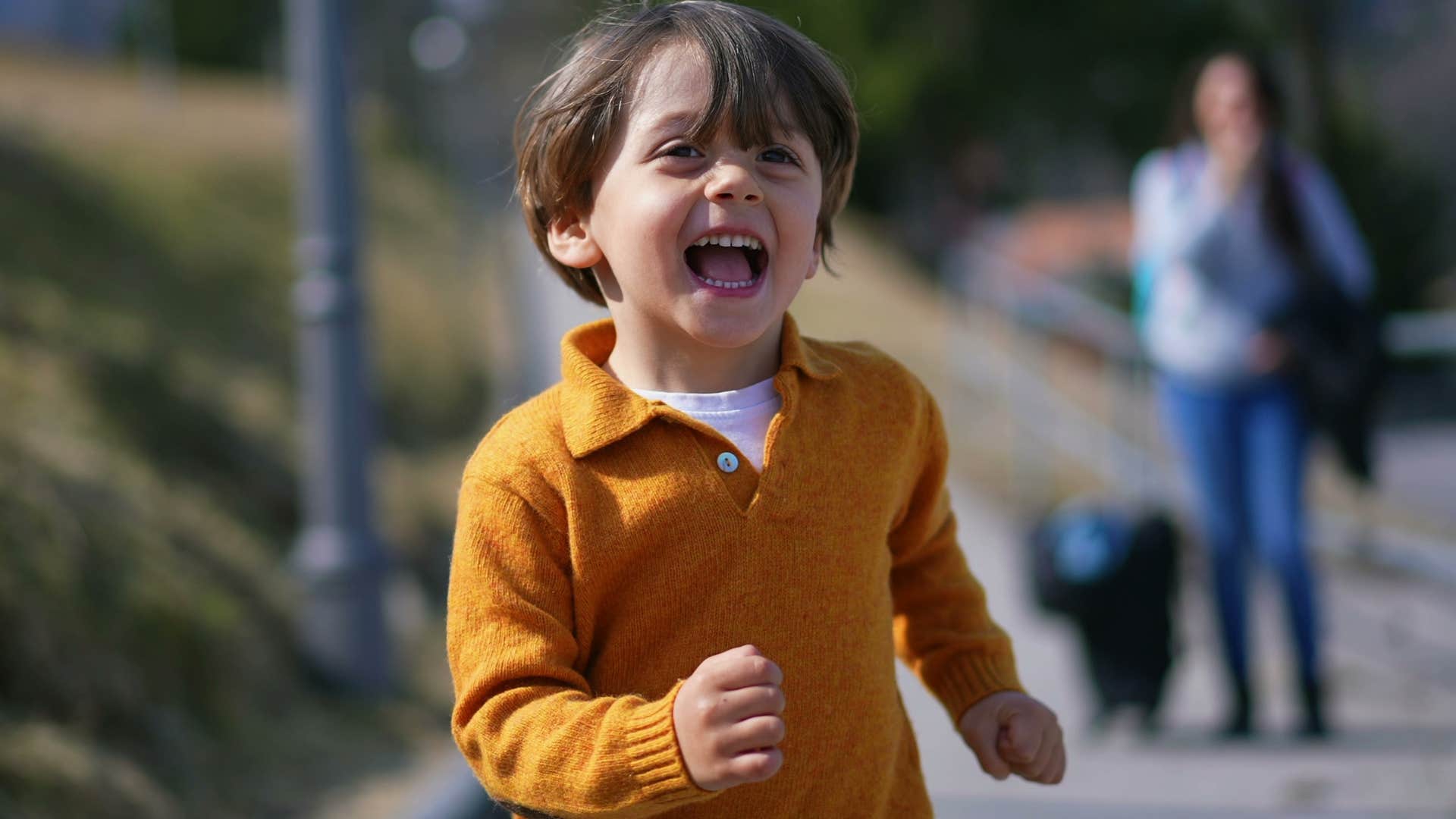
Kids in the 80s and 90s were expected to entertain themselves when their parents weren’t around. They played outside in their neighborhoods until dusk, spent summers getting into trouble, and sat with thoughts at home while parents worked.
Compared to modern kids today, who experience shorter attention spans due to constant screen time at home and in classrooms, as a study from Developmental Neuropsychology explains, kids from the 80s and 90s learned to embrace boredom differently.
Their brains aren’t constantly searching for distractions and stimulation, but instead embracing challenges, problem-solving, and discomfort in ways that continue to benefit their general well-being.
2. They waited for things they wanted
 Andrii Iemelianenko | Shutterstock
While many kids today learn to expect instant gratification from screens, gentle parents, and constant stimulation to avoid discomfort, kids raised in the 80s and 90s were acquainted early with the art of waiting. They were expected to learn patience and regulation at the same time, because their parents didn’t coddle them through their childhood years.
Even small things, like sharing a landline phone with their family and watching TV commercials, shaped the patience they bring to adult struggles and experiences today.
3. They played independently with other kids
 PeopleImages | Shutterstock
From assessing risk on their own to solving problems without supervision, playing independently outside with other kids taught children raised in the 80s and 90s to fend for themselves. It was a second-nature part of life during this time period, but it seriously altered personalities and taught kids the arts of accepting boredom, practicing social skills, and managing conflicts without parental oversight.
Especially in today’s world of loneliness and isolation, unstructured play could offer feelings of acceptance, connection, and belonging that modern kids miss out on. However, with parental worries and anxiety at all-time highs, it’s no surprise they feel pressure to constantly watch, protect, and guide their kids.
4. They read social cues without supervision
 Rido | Shutterstock
According to a study from Computers in Human Behavior, young people today are largely struggling with reading social cues and having productive conversations to form their social identity because of cell phones and technology. They’re being offered a buffer to the discomfort of difficult social interactions, which allows them to hide and avoid practicing this necessary skill in life.
However, kids in the 80s and 90s, who ran errands alone, walking to school without parents, and talked to strangers, were expected to learn social skills by practice. They didn’t have an online version of social interactions to constantly lean on or parents who coddled them to hold discomfort at home. Assessing risk, having conversations, and managing their own discomfort were facts of life.
5. They walked to school alone
 Volodymyr TVERDOKHLIB | Shutterstock
While kids today experience a wide array of socio-emotional consequences from technology, cell phones, and social media, many people who were young in the 80s and 90s leaned into the discomfort and experiences that formed these skills from the ground up.
Even small things like walking to school alone without a GPS or a parent guiding their path were subtly profound in teaching kids independence and self-reliance. Doing homework without screens and AI, talking to teachers, and running errands for their working parents were natural parts of their routines, but also fundamental in teaching them to solve problems, manage their time, and practice social skills on their own.
6. They read and digested news with research
 MAYA LAB | Shutterstock
In a world of instant accessibility, a constant bombardment of headlines and news, and little to no filter for “fake” broadcasts over the truth, it’s no surprise that kids seeking constant stimulation from their phones are subjected to less intentional consumption of the news. Even if it leads to a sense of emotional disarray, often coined “media overload,” they’re always subjected to an endless stream of news, headlines, and stories, whether they’re accurate or not.
However, people raised in the 80s and 90s learned to do their own research in school, but were also less swayed by the opinions and contrived, fake headlines that the internet today provides. They had to dive deeper into things, read physical books, and do research without Google or AI to supplement critical thinking.
Especially in today’s world, these experiences allow these people’s brains to think differently, and often more intentionally about the world around them. Of course, small habits like reading support their long-term cognitive health, but they’re also well-equipped to think deeply and critically about the issues spiraling in the modern world.
7. They had difficult conversations face-to-face
 SynthEx | Shutterstock
From navigating playground tussles without their parents stepping in and having conversations with teachers that modern parents would instantly take over, kids in the 80s and 90s managed their own difficult conversations. Without the buffer of screens or online anonymity, they had to regulate their emotions and practice reading social cues.
They had to lean into the social interactions that kids today often have the option to buffer or run from with their phones. They had to overcome the social anxiety that growing up as a young kid sometimes offers, and instead lean in.
8. They spent time alone with their thoughts
 Mahir KART | Shutterstock
Unstructured time for kids of any age is often incredibly important for their emotional development. Of course, older kids have an opportunity to practice life skills and practical lessons in their unsupervised time, like cooking meals and running errands, but young kids still gain emotional regulation skills and a sense of identity that most modern ones are missing out on today.
Most parents put a screen in front of their kids' faces, whether it’s a TV or a cell phone, to manage their boredom for them, or even take on the burden of entertaining them personally. Not only are they missing out on a glimpse of independence and self-reliance, but they’re being distracted by the silence, quietness, and intentionality of alone time with their own thoughts.
9. They solved problems without Google
 Ann in the uk | Shutterstock
While AI and tools like ChatGPT harm kids’ critical thinking skills today, according to an MIT study, people raised in the 80s and 90s were expected to research and answer questions on their own.
They didn’t have the instant escape of phones or convenient tools like Google to do their homework for them or supplement difficult moments of critical thinking. They had to learn to seek out answers and solve complex problems using their own brains.
Even if it was fixing something at home, they didn’t have YouTube to walk them through a tutorial. They had their own resources, families, and brains to lean on when a problem arose, and they’re better off mentally because of it today.
10. They got feedback without a parental buffer
 VH-studio | Shutterstock
From conversations with teachers at school to accepting discipline from other people’s parents, people raised in the 80s and 90s didn’t have a parental buffer for feedback. They had to learn to manage their own behavior, leading with integrity, advocate for themselves, and sometimes accept the consequences of their mistakes without resorting to their parents to solve all their problems and discomfort.
Of course, parental involvement and engagement, especially in schools, are important for the welfare of students, but if they’re stepping in constantly to manage sheer discomfort for their kids, they’re removing opportunities to learn emotional regulation and resilience.
11. They socialized with people of all ages
 Anatoliy Cherkas | Shutterstock
From family gatherings with people they didn’t know very well to running errands and speaking with service workers, people raised in the 80s and 90s were constantly socializing with people of all ages, often without a parent to lead conversations and interactions. They had to practice social skills and reading cues in the moment, out of obligation, in most cases.
Compared to kids today with “gentle” parents who often step in at any sign of discomfort, this generation of kids learned emotional regulation by practice.
Zayda Slabbekoorn is a senior editorial strategist with a bachelor’s degree in social relations & policy and gender studies who focuses on psychology, relationships, self-help, and human interest stories.
