
11 Things Kids Used To Do After School That Feel Unreal Now
 Miljan Zivkovic | Shutterstock
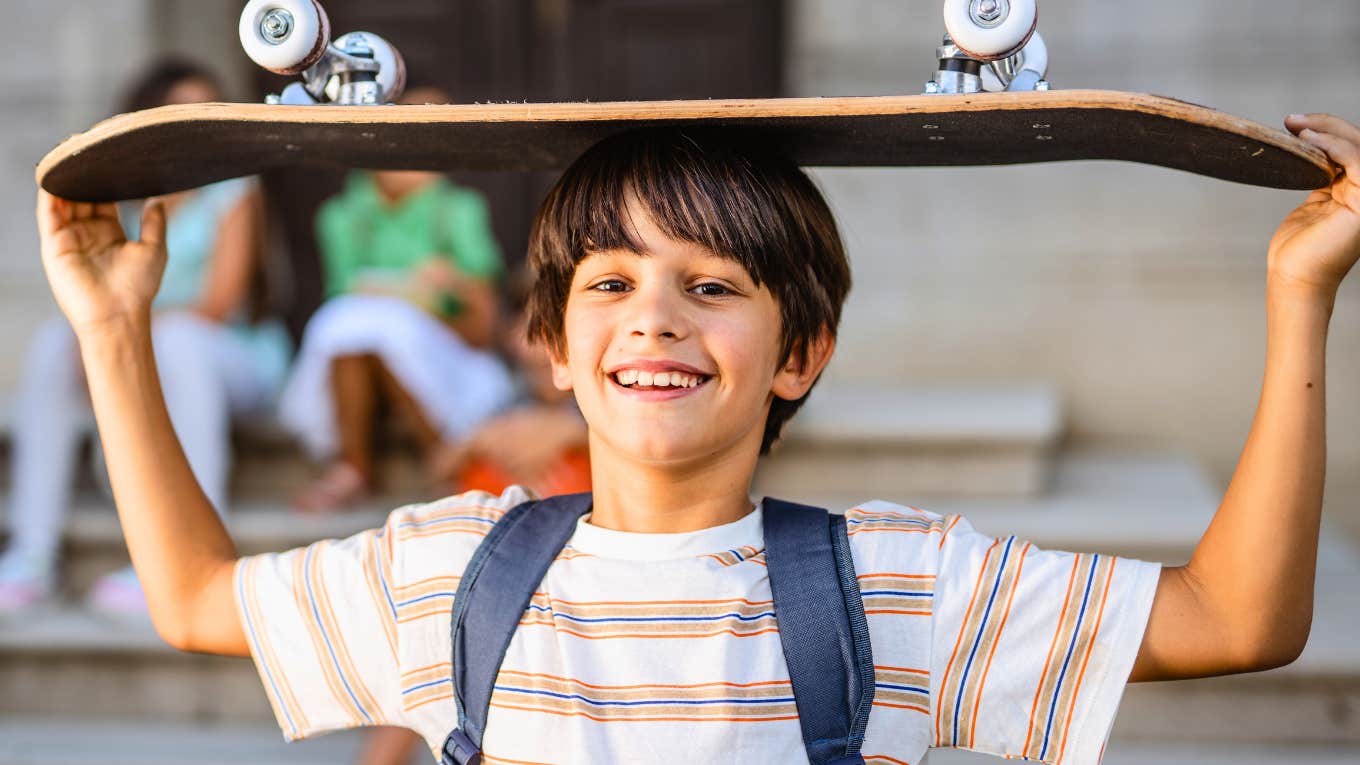
 A child's experience after school used to look vastly different than it does now. Once upon a time, kids finally felt free from the confines of school and got to enjoy a few hours of freedom before having to go right back the very next day. It was a time of pure independence where kids were able to roam their neighborhood, play games for hours, and find various ways to entertain themselves without needing to depend on screens. But in modern day times, these are all things kids used to do after school that feel unreal now.
Apart from the fact that there are many benefits for a child's development when they're engaging in active, creative play, there was something incredibly nostalgic about the afternoons once school was out that can't be recreated. Kids felt like they had all the time in the world to be curious and spend hours outside getting into playful and unserious mischief. It was, usually, unsupervised time away, and those memories were often defining moments of their childhoods. Now, afternoons look a lot different.
Here are 11 things kids used to do after school that feel unreal now
1. Ride bikes everywhere
 Evgeny Atamanenko | Shutterstock
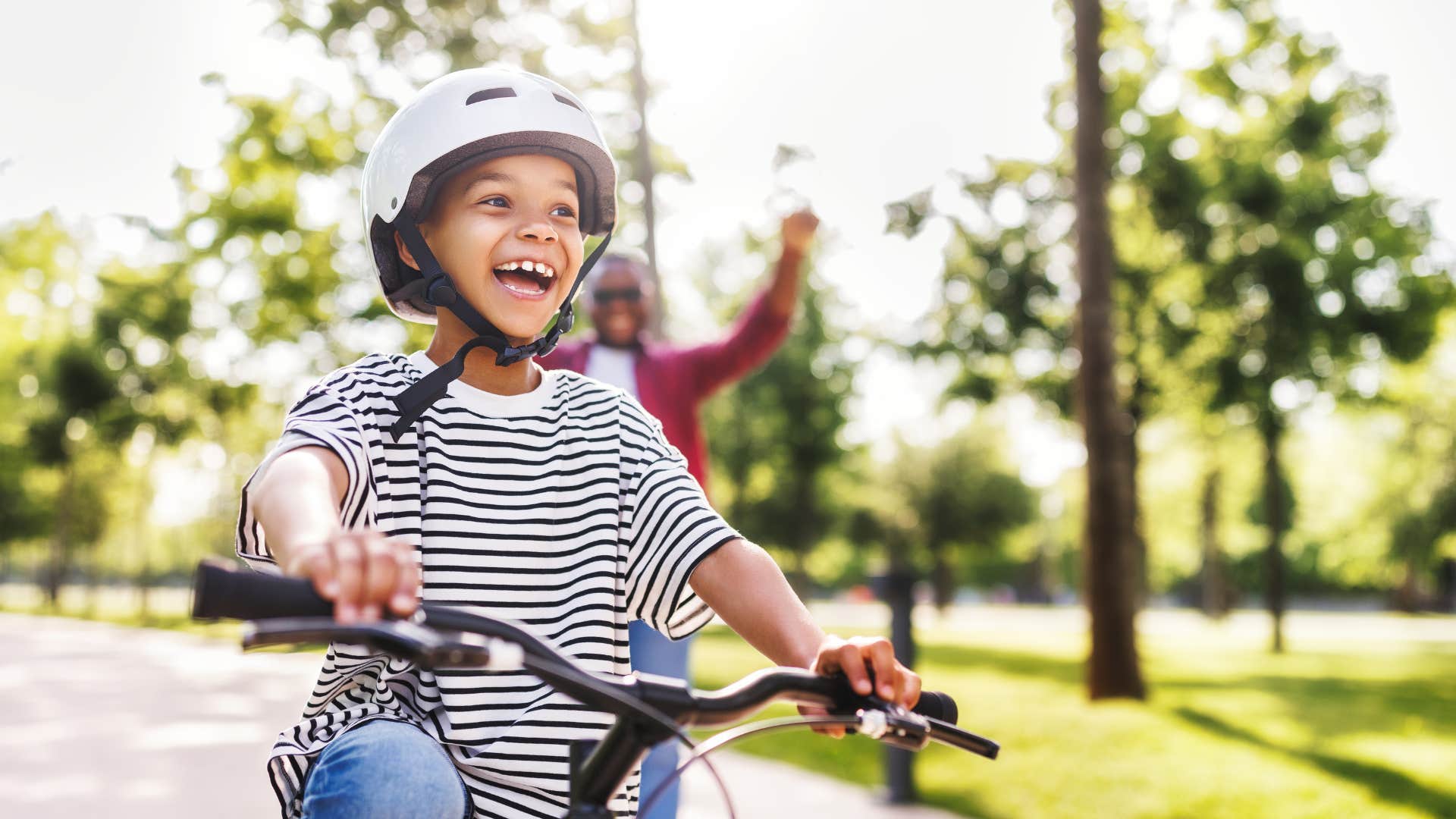
Back in the day, kids would roam their neighborhoods after school, meeting up with friends at the park, the corner store, or maybe even in their driveways just to ride their bike for hours on end. They sometimes wouldn't even be wearing helmets, which probably wasn't the best idea looking back, and they definitely didn't have phones anywhere on them.
Every ride would feel like some kind of adventure. It was a chance to practice being independent. Research has long supported that children raised with this balanced approach of having independence tend to be more confident, resilient, and better equipped for adulthood.
Parents weren't hounding them, wondering where they were because they'd see them zoom past the house a couple times as they made laps around the block. Kids would get lost in the activity and couldn't wait to be done with school so they could go home and ride bikes with their friends. Unfortunately, riding bikes everywhere is one of the things kids used to do after school that feel unreal now.
2. Catch fireflies at dusk
 Suzanne Tucker | Shutterstock
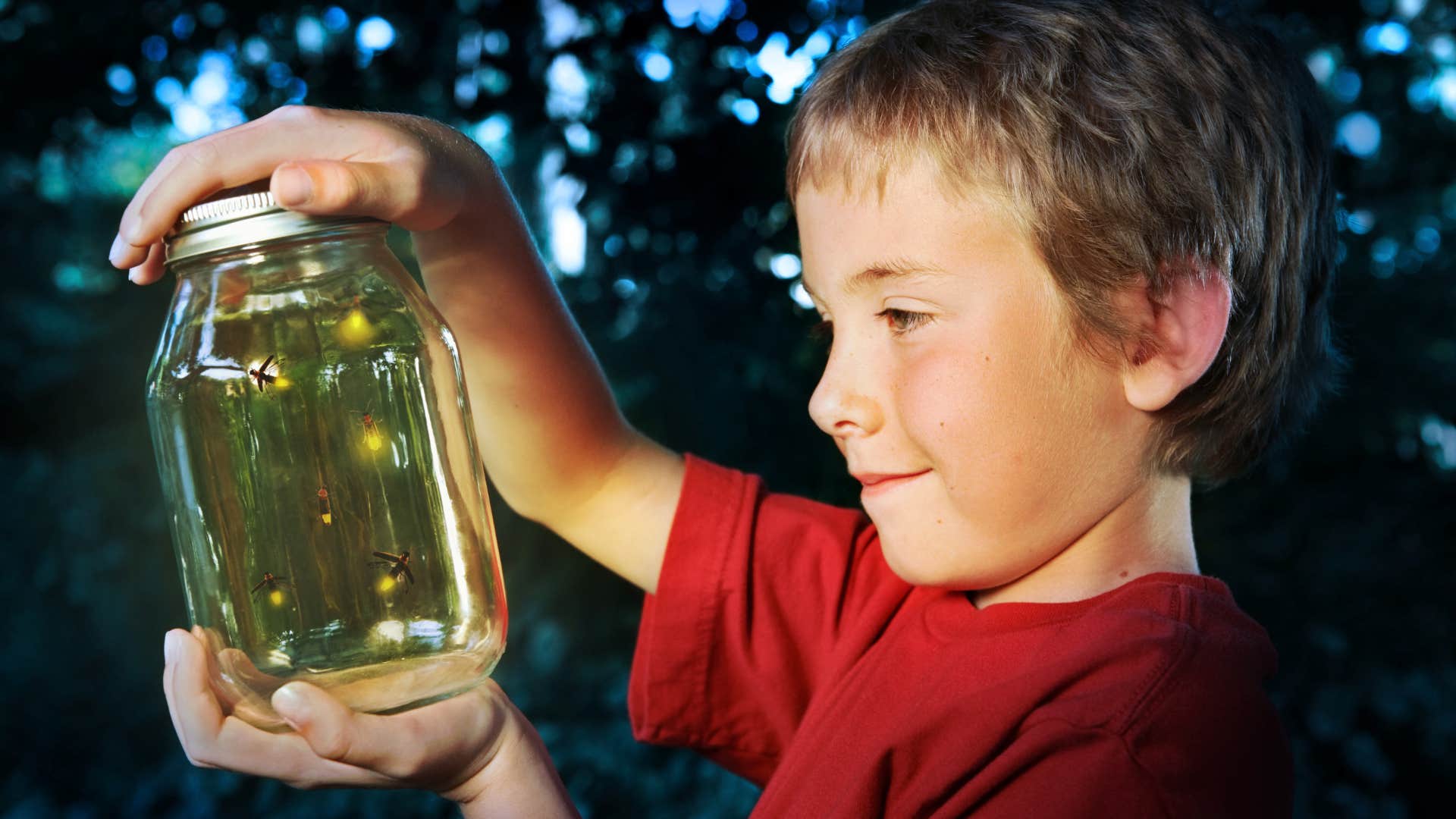
As the sun would start to set, kids would immediately start running into their backyards with jars in the hands, determined to catch fireflies. There was a certain thrill they would feel when they'd catch that first flicker of light. The chase itself was probably half the fun.
Kids would crouch and tiptoe just to get close to the lightning bugs that would disappear in the blink of an eye if you weren't paying attention. Catching fireflies was more than just a way of passing the time. It was a chance to be immersed in nature and get an up-close look at the bugs before eventually releasing back into the wild.
Nowadays, with firefly populations dwindling and becoming endangered, along with an increase in parents intent on tracking their kid's every moment, this practice seems to have become a thing of the past.
3. Make friendship bracelets
 New Africa | Shutterstock
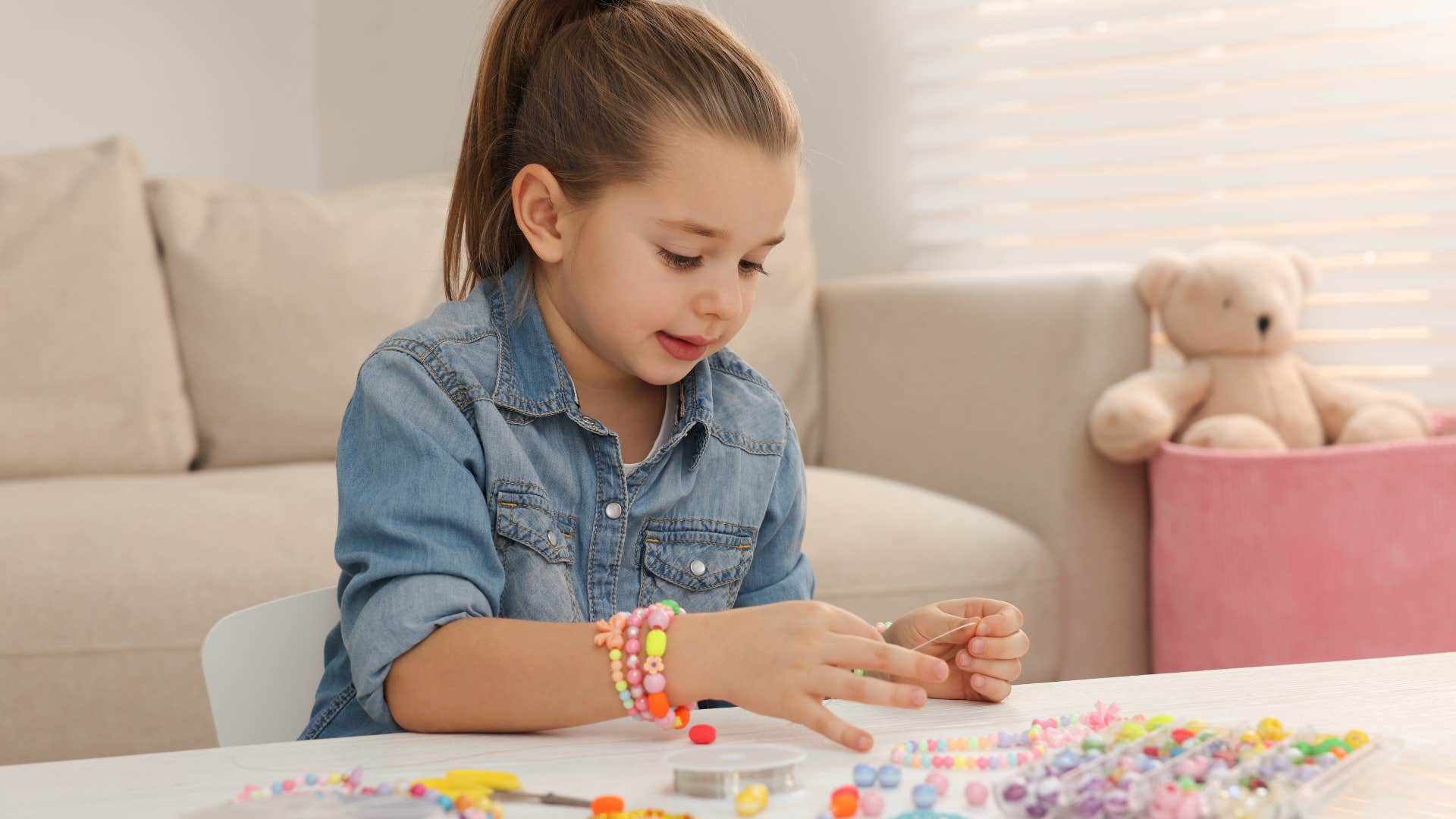
There was a time when kids would look forward to coming home from school and being able to do arts and crafts with friends. Part of that included making friendship bracelets. Kids would gather on the floor or at the table with all of their supplies and spend hours tying knot after knot.
They would laugh and joke with each other, creating memories they'd carry for years on end. Making them meant kids were practicing their patience, as sometimes the bracelets wouldn't turn out the best on the first attempt. Mistakes were common, but they never let it deter them from coming back the very next day and trying again.
4. Play outside until the streetlights came on
 FamVeld | Shutterstock
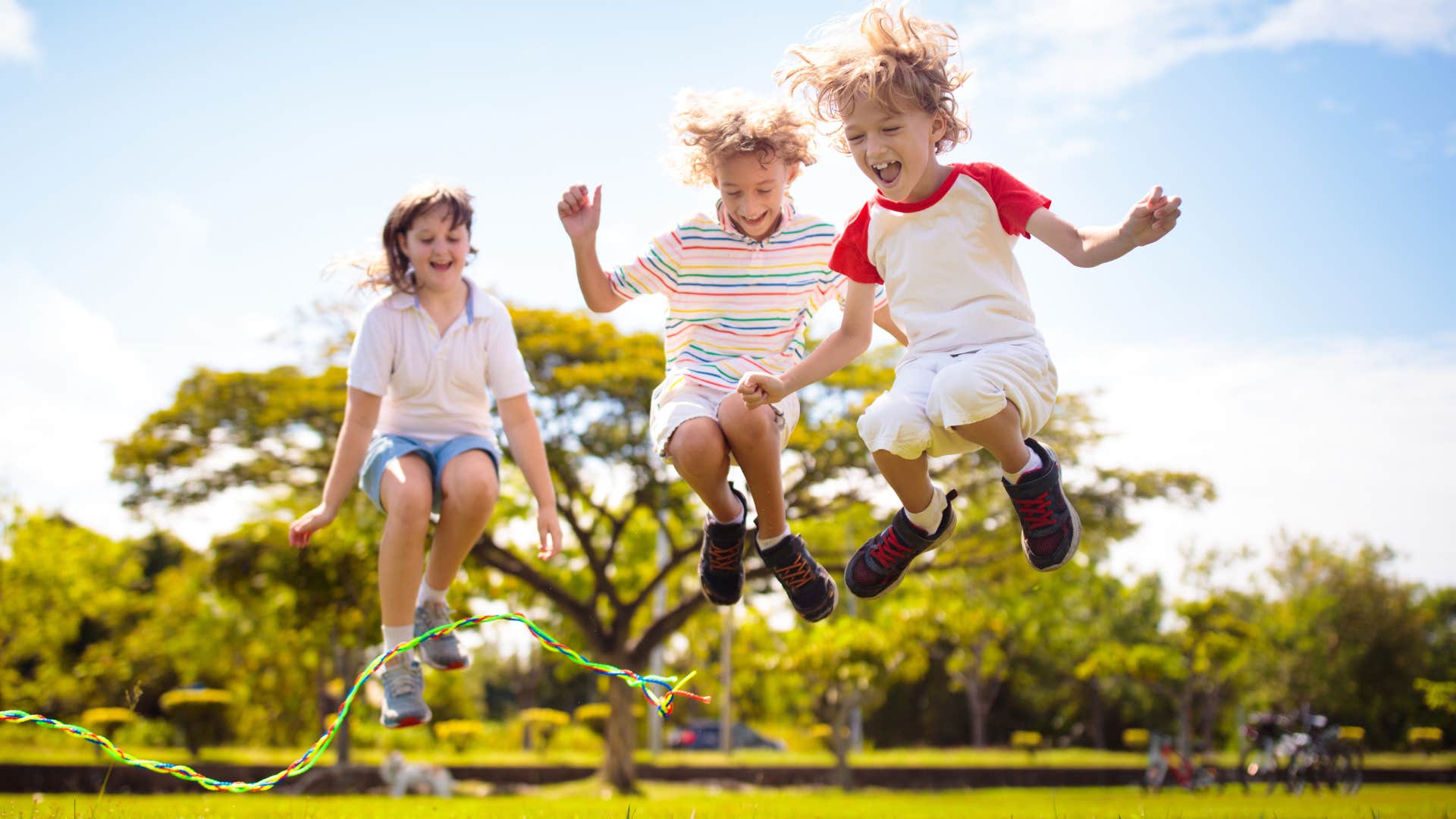
This was probably the ultimate way kids would spend their afternoons once school let out. They would run and chase each other, their laughter booming up and down the street. The only warning they would get from their parents is that they needed to be home before it got dark out and the streetlights came on.
Being outside and independent in this way was not only fun, but improved their lives. As clinical psychologist Dr. Breanna Gentile explained, "Nature and outdoor adventures offer a wealth of benefits that contribute significantly to building resilience and overall well-being in children."
That sense of freedom was truly unmatched, but is one of the many things kids used to do after school that feel unreal now. In those times, the entire neighborhood was their playground. It was something to look forward to. It wasn't even about the games, really. It was about being able to make connections with other kids and create friendships.
5. Draw on sidewalks with chalk
 Milena Khosroshvili | Shutterstock
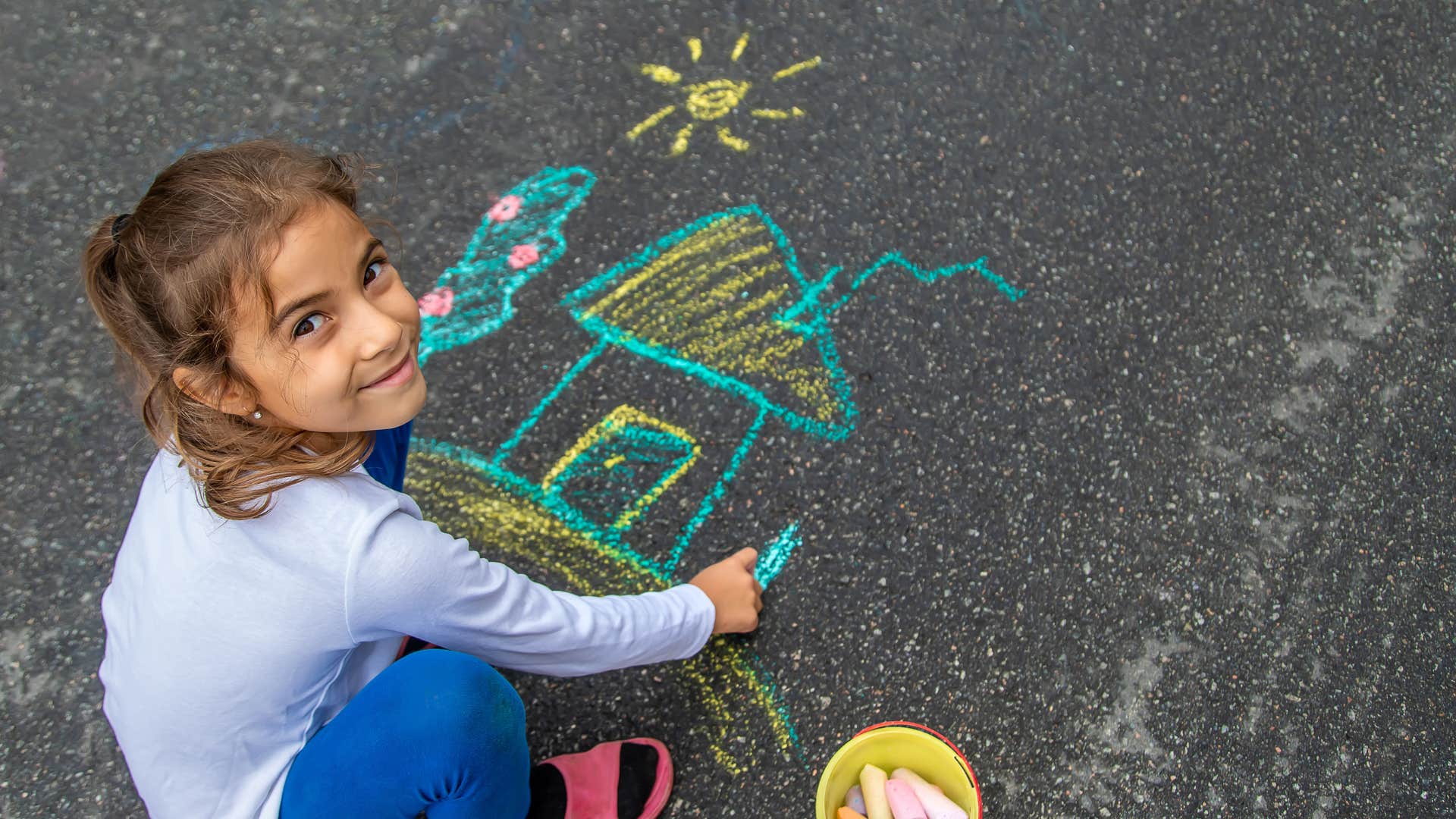
Being able to draw on the sidewalks with chalk after school was such a simple yet fun way for kids to spend their afternoon. With a box of the most colorful chalk they could find, kids would turn the boring sidewalk concrete into a canvas to use for their imagination.
They would doodle random drawings or even make hopscotch grids to play with until it rained and washed away the evidence. Kids were given another way to express their creativity through chalk, and it didn't matter if the drawings were messy or intricately done. It was fun either way.
6. Sit on the curb eating ice cream
 Sokolova Maryna | Shutterstock
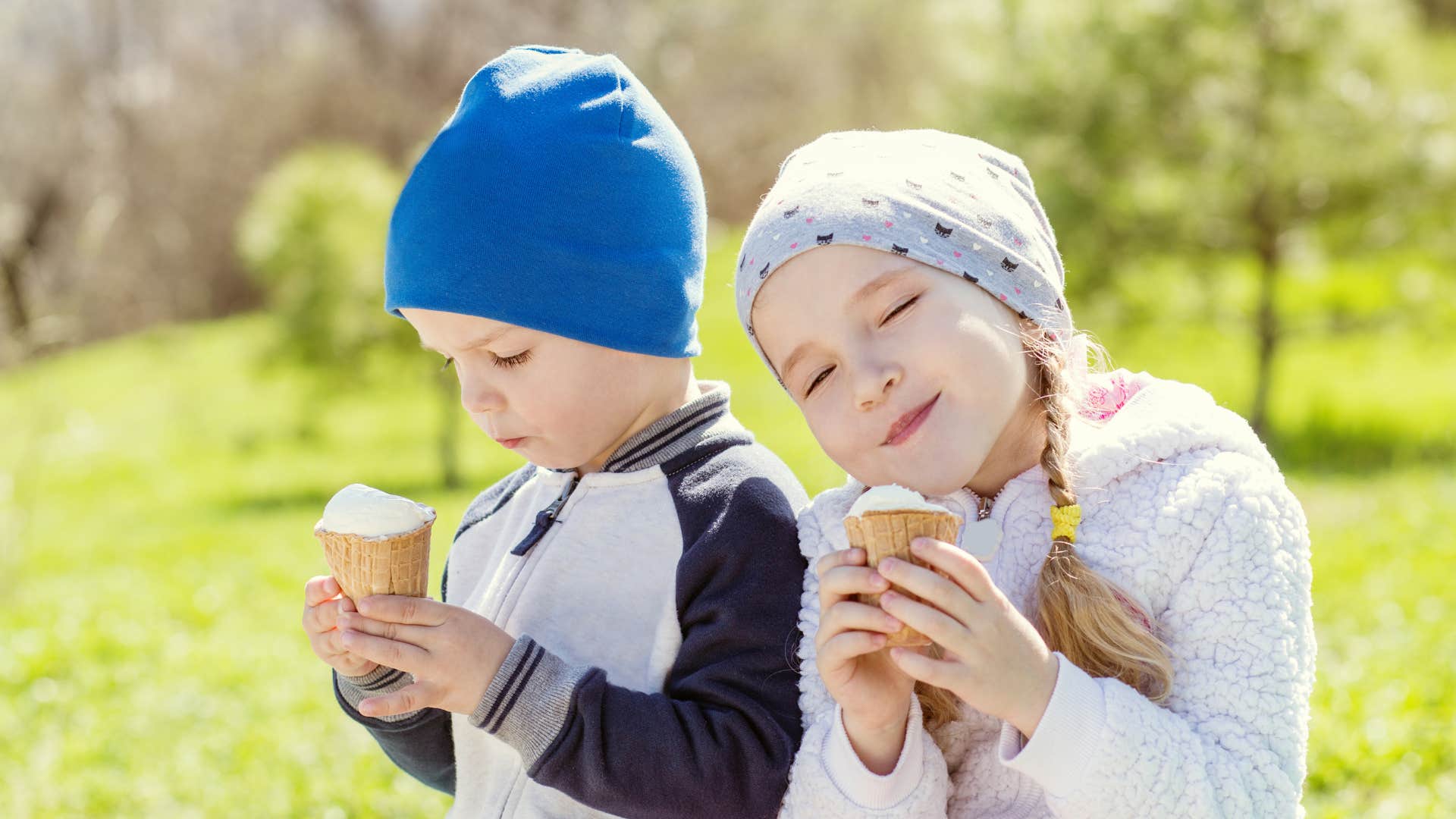
Eating ice cream while sitting on the curb was the best treat to have after school. Kids used to wait with bated breath to hear the familiar jingle of the ice cream truck coming through their neighborhood. They'd immediately run outside with the money their parents left them for that exact moment.
Kids would get to eat their ice cream cones while watching the neighbors walk by and other kids race past on their bikes. It became a bit of a social event. Sometimes there'd be a competition of who could eat their ice cream faster, only to end up getting a brain freeze. It was a mundane moment that most kids were excited about being able to have once the school bell rung at the end of the day.
7. Walk home from school alone
 T.Vyc | Shutterstock
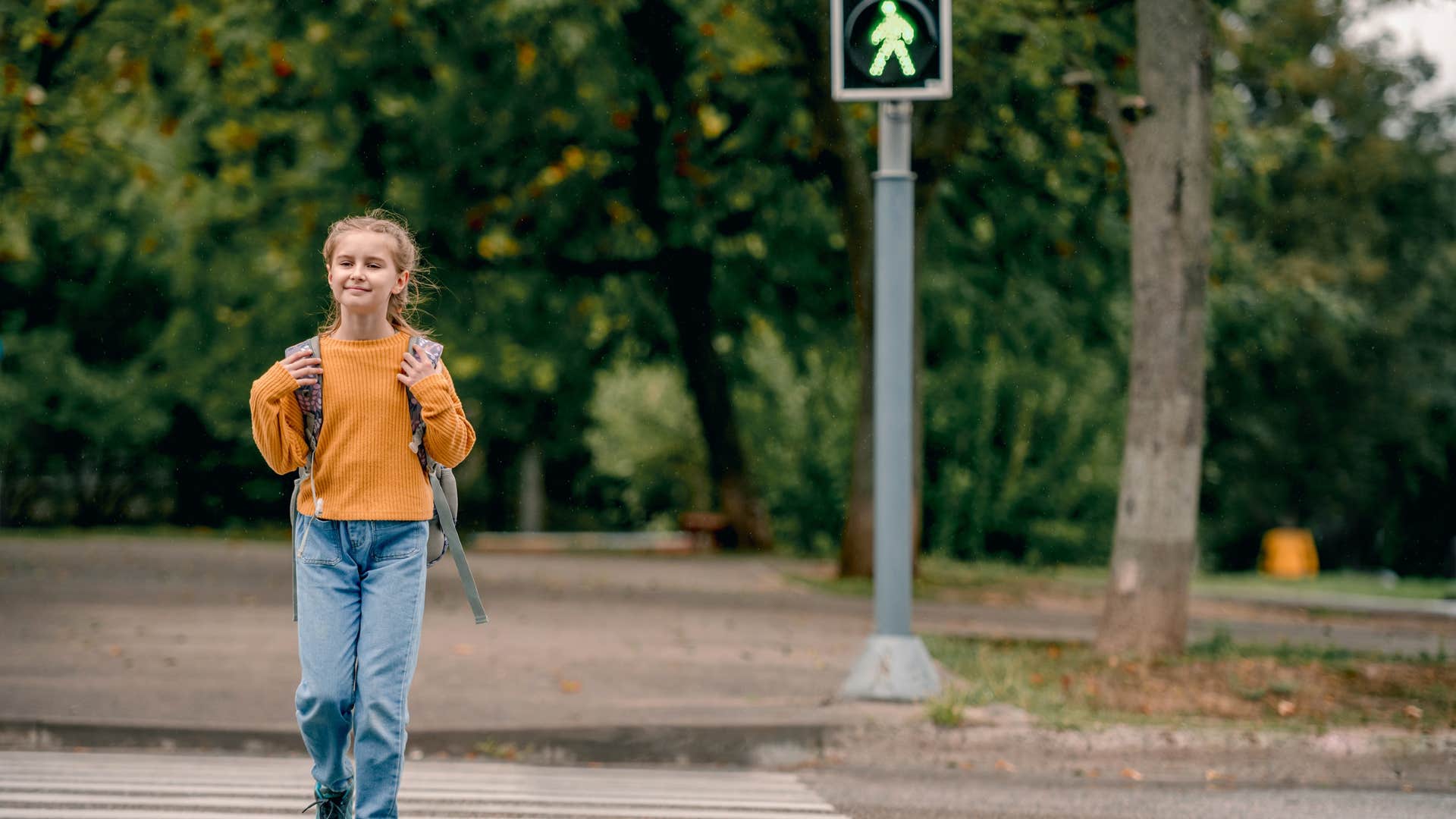
Kids felt a level of enthusiasm at being able to leave school and immediately have the privilege and responsibility of making sure they got home safe. The journey home was its own little adventure to. Kids would stop off at stores to get snacks and candy or take a detour through the park, and each time it would feel more thrilling than the last because it was unsupervised.
"When children have the freedom to travel through their neighborhood without direct adult supervision, they develop critical skills. Independent walking promotes risk assessment, social competencies, environmental knowledge, problem-solving, and decision-making abilities," psychology expert Mariah G. Schug shared.
It was a time that they got to actually explore and take in the world around them. That simple routine made kids feel like actual adults for just a short amount of time. They felt more capable to handle the world by having to walk home alone.
8. Jump rope with friends while chanting rhymes
 AnnaStills | Shutterstock
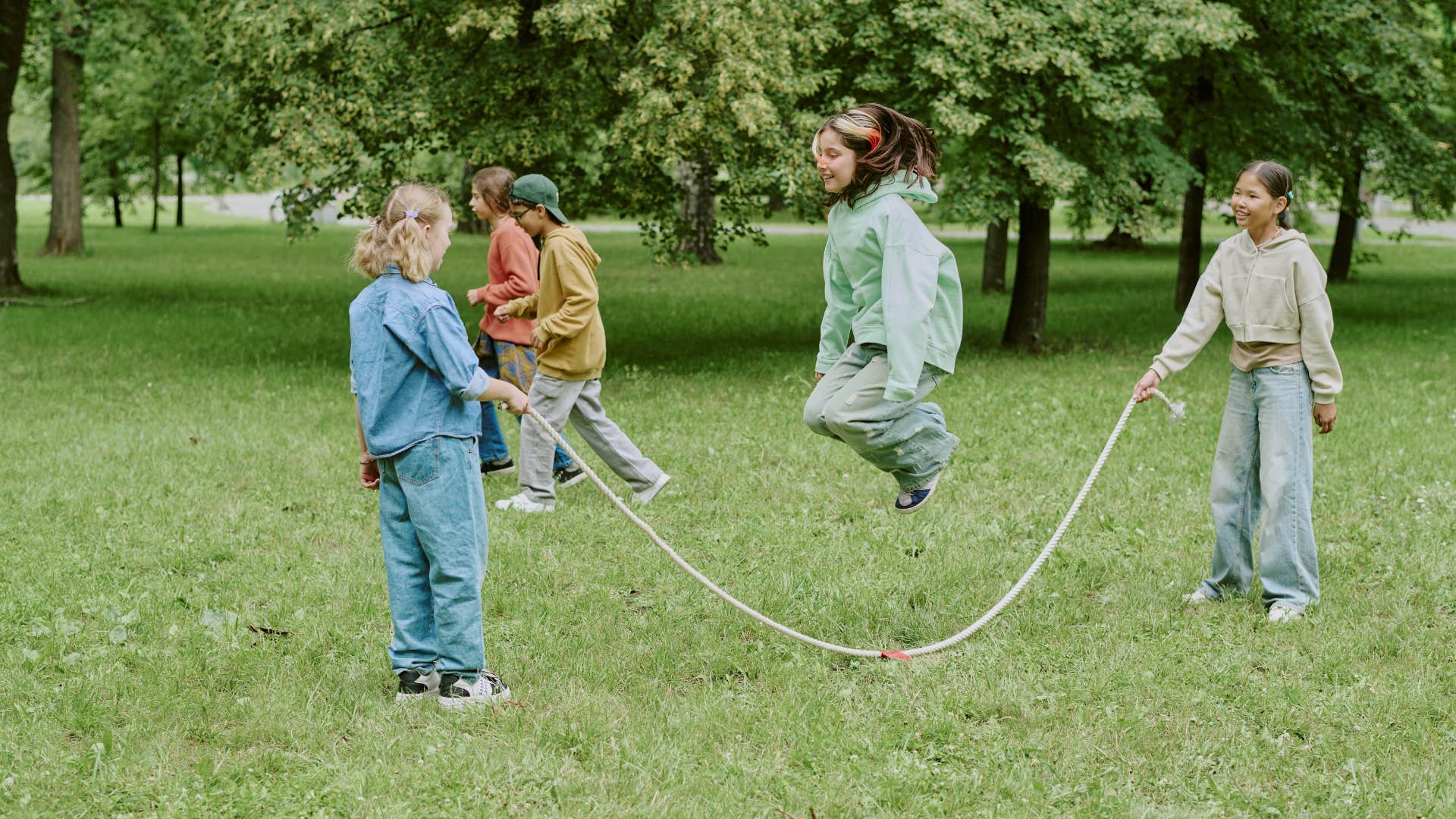
One of the best ways that kids would pass the time in the afternoon was by simply jumping rope with their friends. It was a mix of having fun and also some friendly competition of who could last the longest without getting tripped up. Kids would sing and shout the familiar rhymes while making sure their jumps were perfectly timed with the rope.
Memorizing them, being able to keep the rhythm, and jumping at the right time was sometimes a challenge but also very compelling. Once the weather started to get warm again, kids would be outside after school with their ropes in hand.
9. Build forts in the backyard
 Hryshchyshen Serhii | Shutterstock
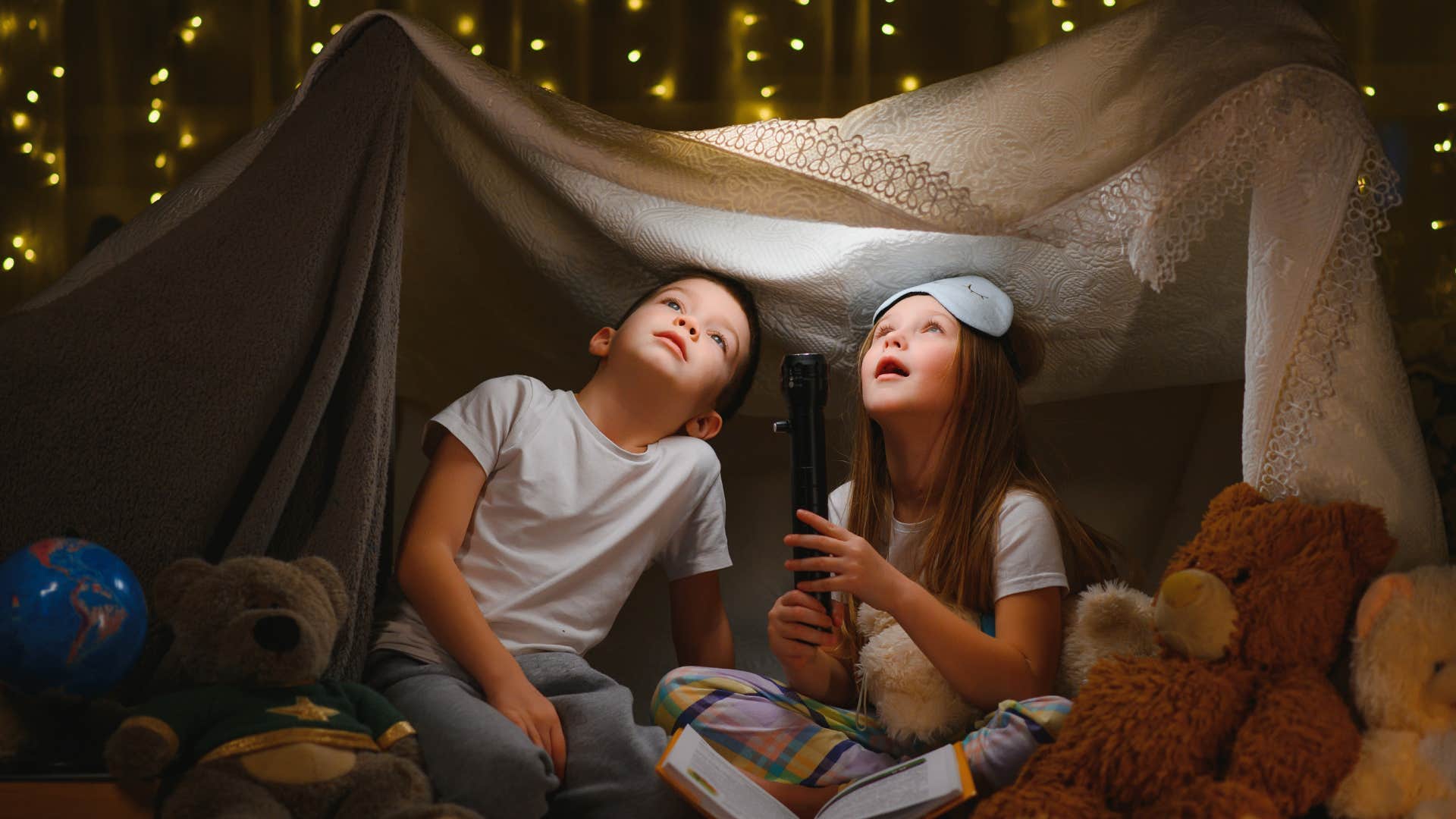
Kids would practically ransack their house for anything they could use to make a fort in the backyard. From finding sheets, pillows, blankets, chairs, and even tables, they would drag them outside and turn it into some kind of fun creation to play in.
That process of putting together the fort was just as fun as being able to play inside of it. That creativity was important. Children are naturally creative from a young age, and scientists agree that kids who remain creative prove to be better problem-solvers and innovators.
Kids would be able to use their full imagination to create different scenarios with their forts. It was a time where they got to be storytellers. They would recruit all of their friends to come over and help out, making it important to have solid teamwork so the fort didn't just collapse on them in the middle of playing.
10. Roll down grassy hills
 timages | Shutterstock
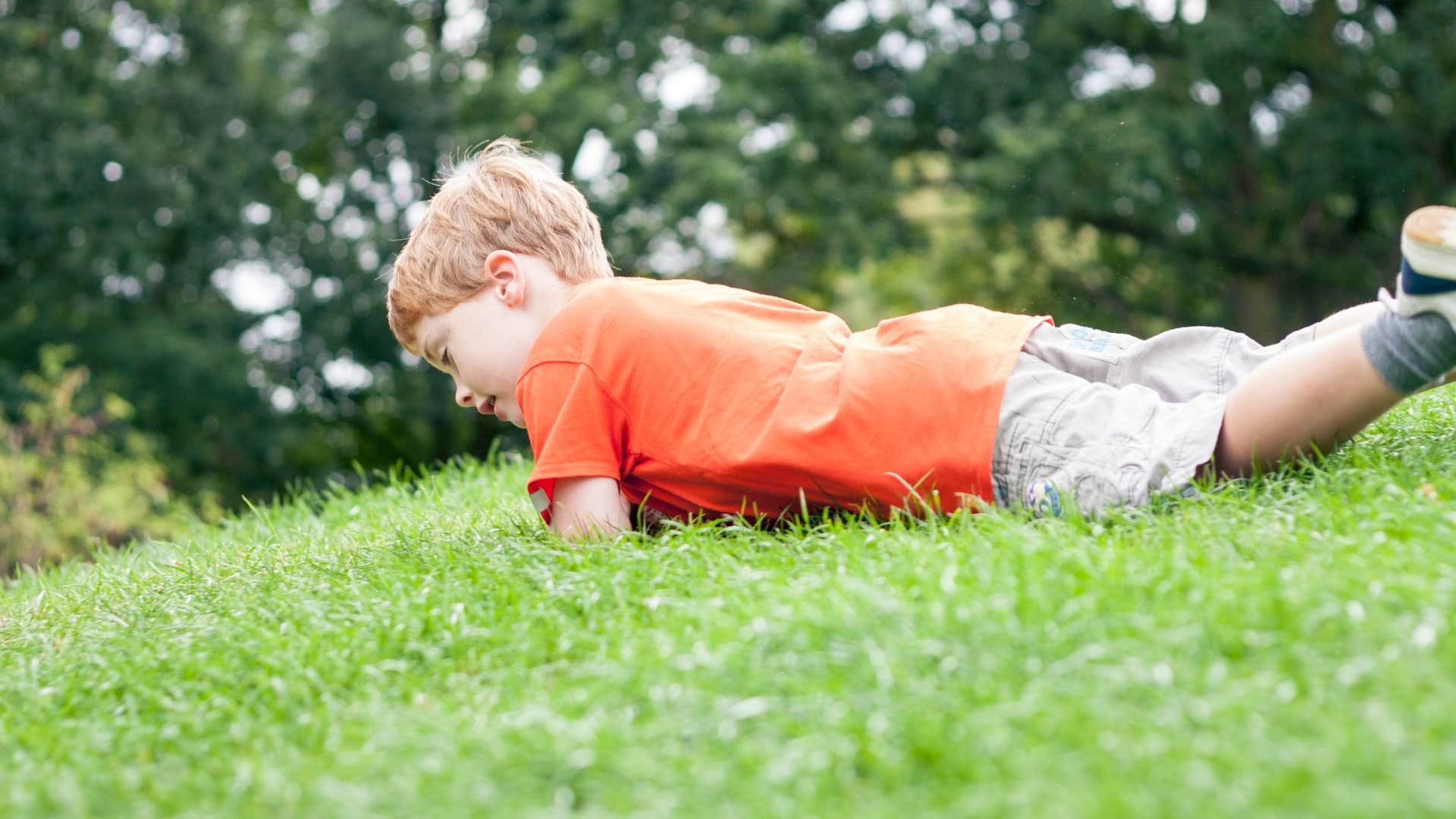
Perhaps one of the most thrilling things kids used to do after school that feel unreal now is rolling down hills for fun. In fact, there was something extremely exhilarating about being able to stand at the top of a hill and just let themselves tumble freely down.
It might have seemed like the most mundane activity to do once school was out for the day, but kids looked forward to the outside time. Friends would race down the hills together to see who could make it to the bottom the fastest. Others would stand on the side and cheer them out while impatiently waiting for their turn.
Rolling down hills just felt like an adrenaline rush for kids who had been cooped up in a classroom all day long. Unfortunately, many parents these days tend to be incredibly overprotective, so even the most mundane activity would be a no-go if there was any chance of injury.
11. Sit around swapping stories until dinner
 PeopleImages | Shutterstock
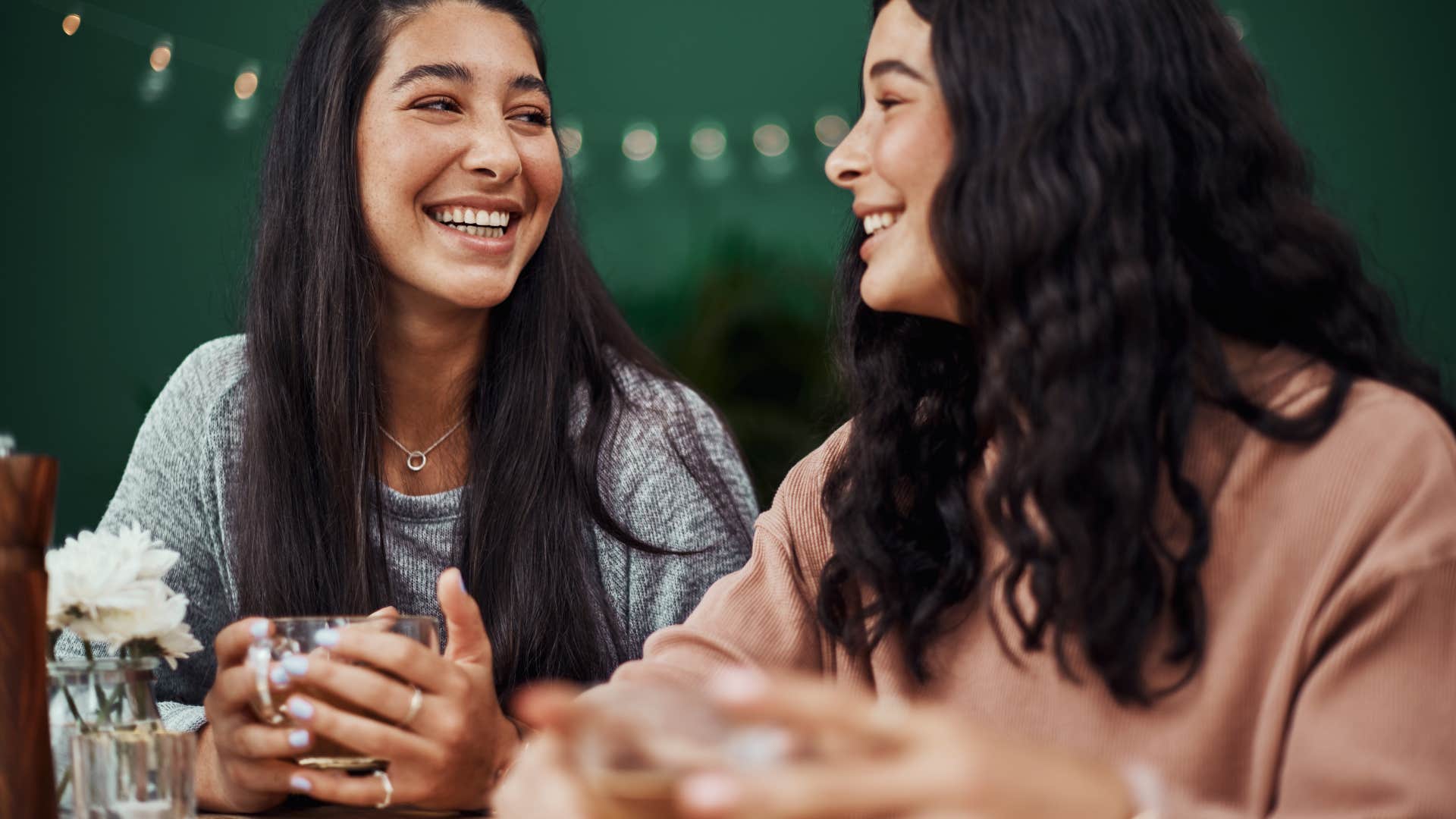
Sometimes the simplest activity that kids would do after school was just sitting around with their friends swapping different stories and jokes. They'd gather in the living room at one of their houses and raid the kitchen just to sit around and goof off. The hours would simply stretch on as they got into silly arguments and laughed until their bellies hurt.
"While social skills are important for successful interactions, personality plays a major role in friendships. It is important to guide children in fostering authentic, close friendships," encouraged clinical psychologist Jennifer Keluskar. "Flexibility, openness, and being willing to go with the flow are key to strengthening friendships."
The stories themselves would be about anything. Some were wild exaggerations of an incident that happened at school while others were tall tales of what they might be doing in the future. The possibilities were endless but it was the quality time of being around their friends that mattered more.
Nia Tipton is a staff writer with a bachelor’s degree in creative writing and journalism who covers news and lifestyle topics that focus on psychology, relationships, and the human experience.
