
11 Things Kids Learned From Being Bored That Still Matter Today
 TsElena / Shutterstock
 Boredom used to be an ordinary part of childhood. It showed up on long summer afternoons, during quiet weekends, or in the backseat of a car with nothing to do and nowhere to plug in. No one rushed to fix it. No one treated it like a problem. It was just space, and kids were expected to figure out what to do with it.
Today, boredom feels almost outdated. There is always something to scroll, stream, or tap. But the kids who grew up without instant entertainment developed skills that still carry weight in adulthood. What looked like nothing happening was actually something forming beneath the surface.
These are 11 things kids learned from being bored that still matter today
1. How to entertain themselves
 Studio Romantic / Shutterstock
When there wasn’t a device ready to fill every gap, imagination became the default setting. A stick could turn into a sword, a microphone, or a magic wand. Blank notebooks became comic books.
Empty boxes became forts. Learning how to create amusement out of ordinary surroundings built a kind of internal resourcefulness. That ability to generate interest without external stimulation still matters in adulthood, especially in moments when life slows down or plans fall through.
2. How to sit with discomfort
 NadyaEugene / Shutterstock
Boredom doesn’t feel pleasant at first. It can feel restless, itchy, or frustrating. Kids who had to endure it learned that discomfort passes. They figured out that not every uneasy feeling requires immediate escape.
That tolerance carries over into adulthood in powerful ways in long meetings, difficult conversations, or seasons of uncertainty. The capacity to sit with an uncomfortable moment without instantly numbing it is quietly valuable.
3. How to problem-solve without instructions
 Victoria Antre / Shutterstock
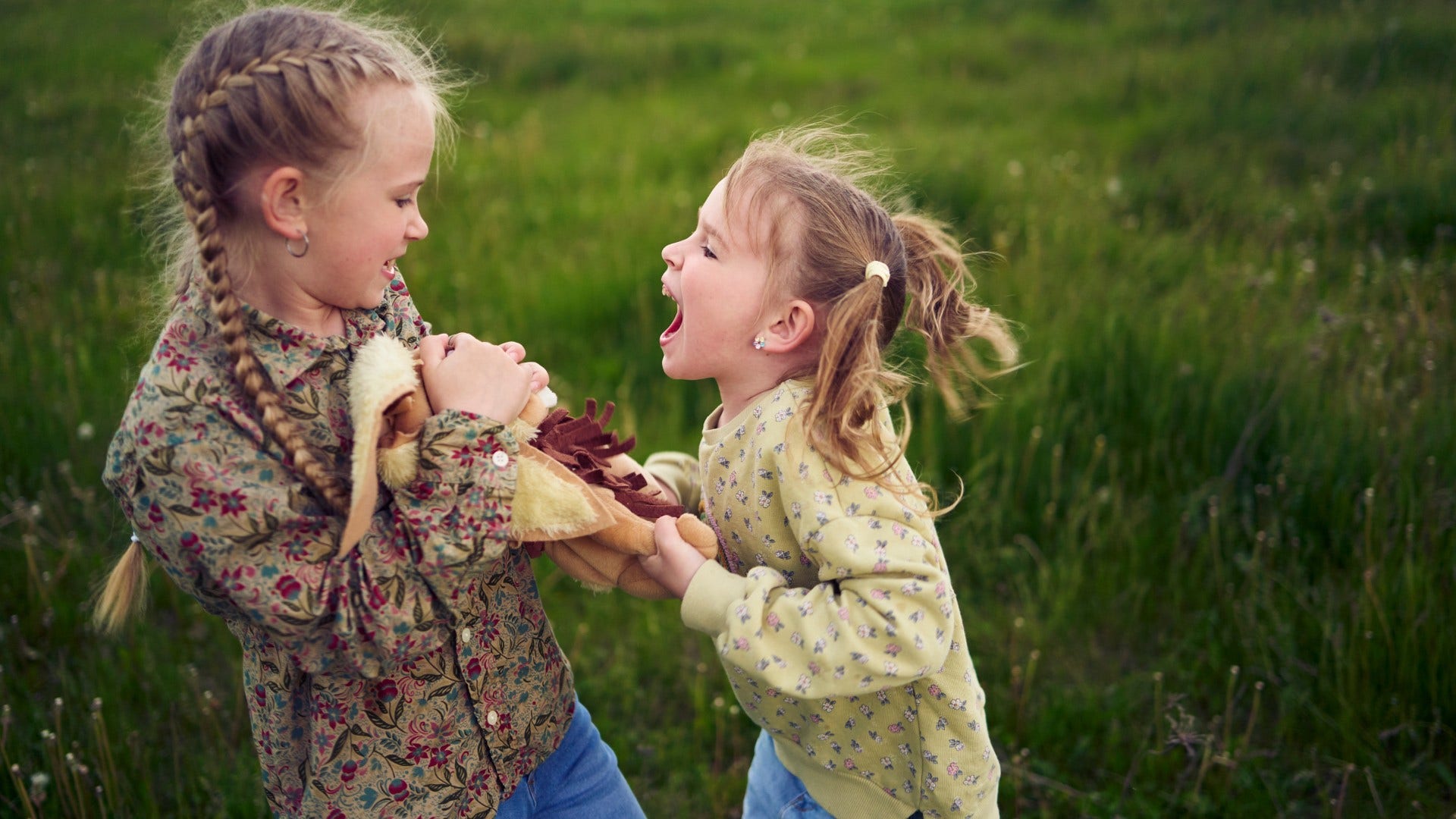
When nothing was planned for them, kids had to figure things out on their own. They negotiated games, invented rules, and resolved conflicts without step-by-step guidance. That unstructured time encouraged experimentation and improvisation.
Instead of looking for a tutorial, they learned to test ideas and adjust. Those early moments of trial and error built confidence in their ability to navigate ambiguity later in life.
4. How to stretch their attention
 pics five / Shutterstock
Long afternoons required sustained focus. Building something, reading for hours, or wandering outside demanded patience. There were fewer constant interruptions competing for their attention.
That kind of mental stamina grows slowly through repetition. Adults who developed it early often find it easier to concentrate deeply when it counts.
5. How to appreciate anticipation
 Gorodenkoff / Shutterstock
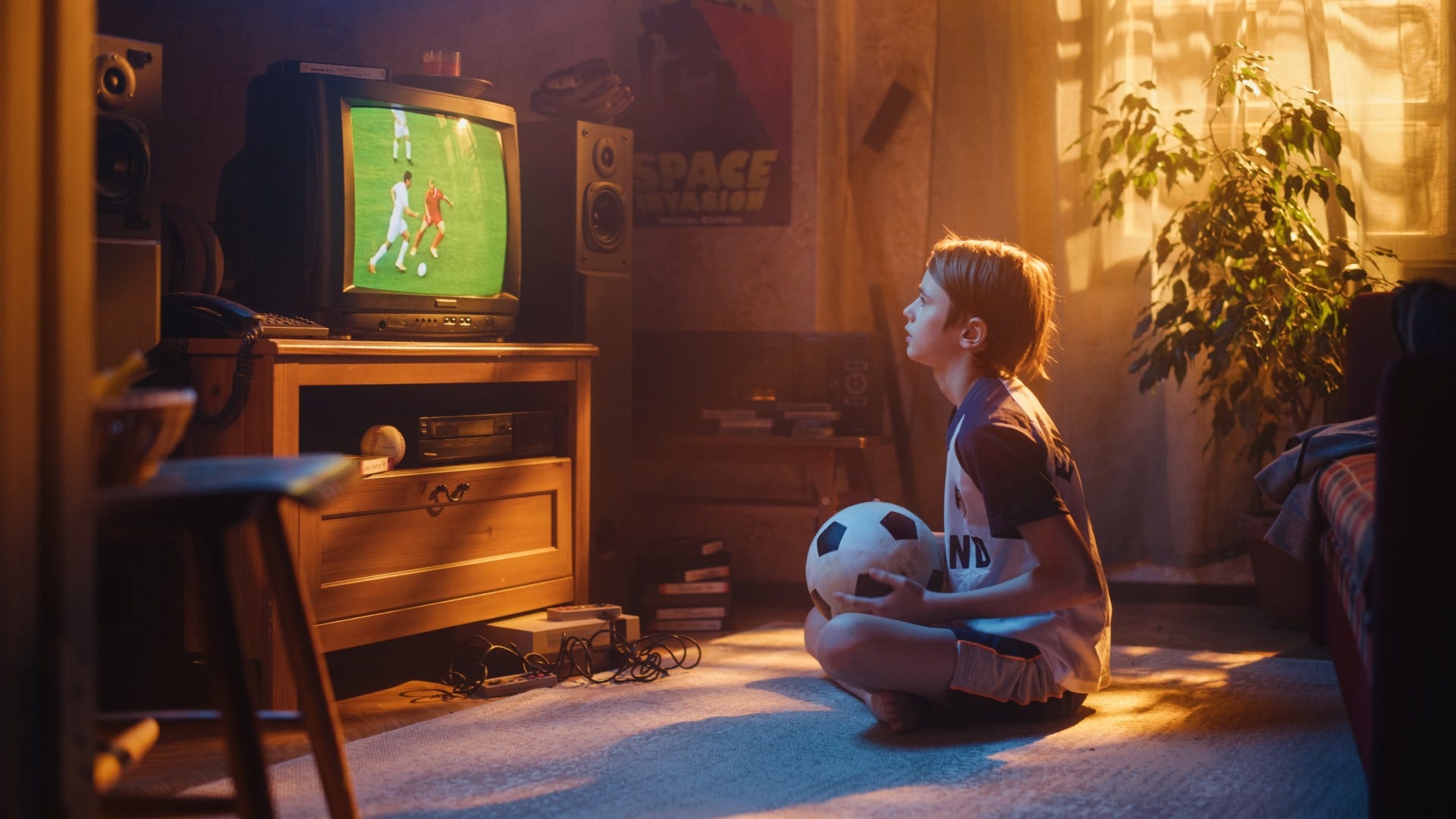
Waiting used to be part of the rhythm of life. A new episode aired once a week. A movie release meant planning ahead. Even playdates required coordination rather than instant messaging.
That slower pace built anticipation, which is a skill that sharpens enjoyment. Delayed gratification tends to deepen satisfaction, and learning to wait without constant updates shapes emotional resilience.
6. How to be alone without feeling lonely
 Prostock-studio / Shutterstock
Spending time alone was not automatically seen as a red flag. Solitude was simply part of the day. Kids learned how to exist in their own company, to let their thoughts wander, and to discover what interested them without social feedback.
That comfort with aloneness often becomes a stabilizing force in adulthood, especially in seasons when relationships shift or life grows quieter.
7. How to observe the world closely
 Bricolage / Shutterstock
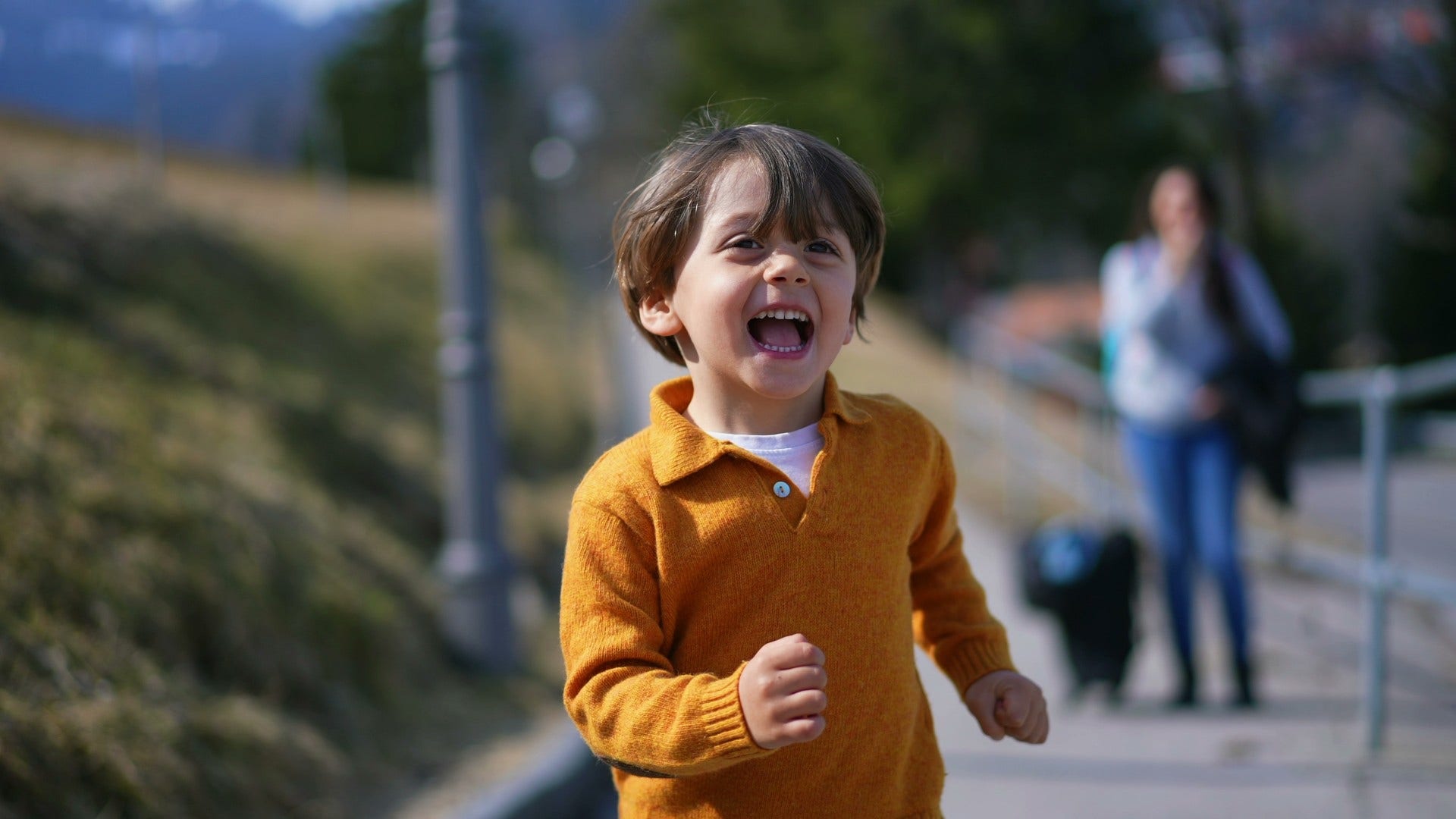
Without endless digital input, attention turned outward. Kids noticed small changes in their surroundings, such as weather patterns, neighborhood dynamics, and the way shadows moved across the yard.
Observation sharpened because there were fewer competing distractions. The habit of paying attention nurtures awareness, creativity, and even empathy later on.
8. How to negotiate and collaborate
 MillaF / Shutterstock
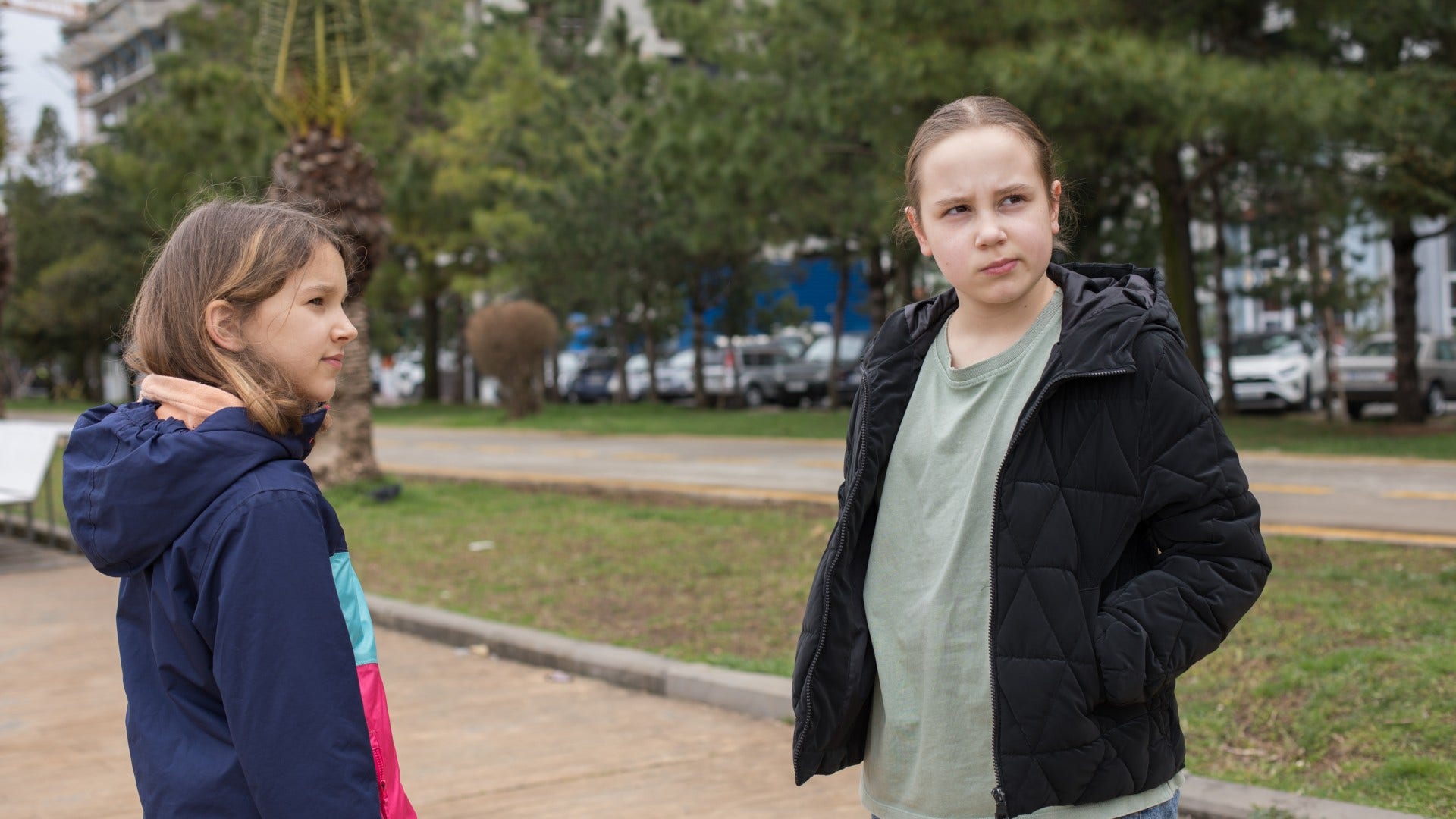
When kids were bored together, they had to agree on what to do next. Arguments happened. Compromises followed. They practiced persuasion, patience, and cooperation in real time.
These were essentially social workouts. Learning how to share control over unstructured time laid the groundwork for teamwork and healthy communication later in life.
9. How to trust their own ideas
 oatawa / Shutterstock
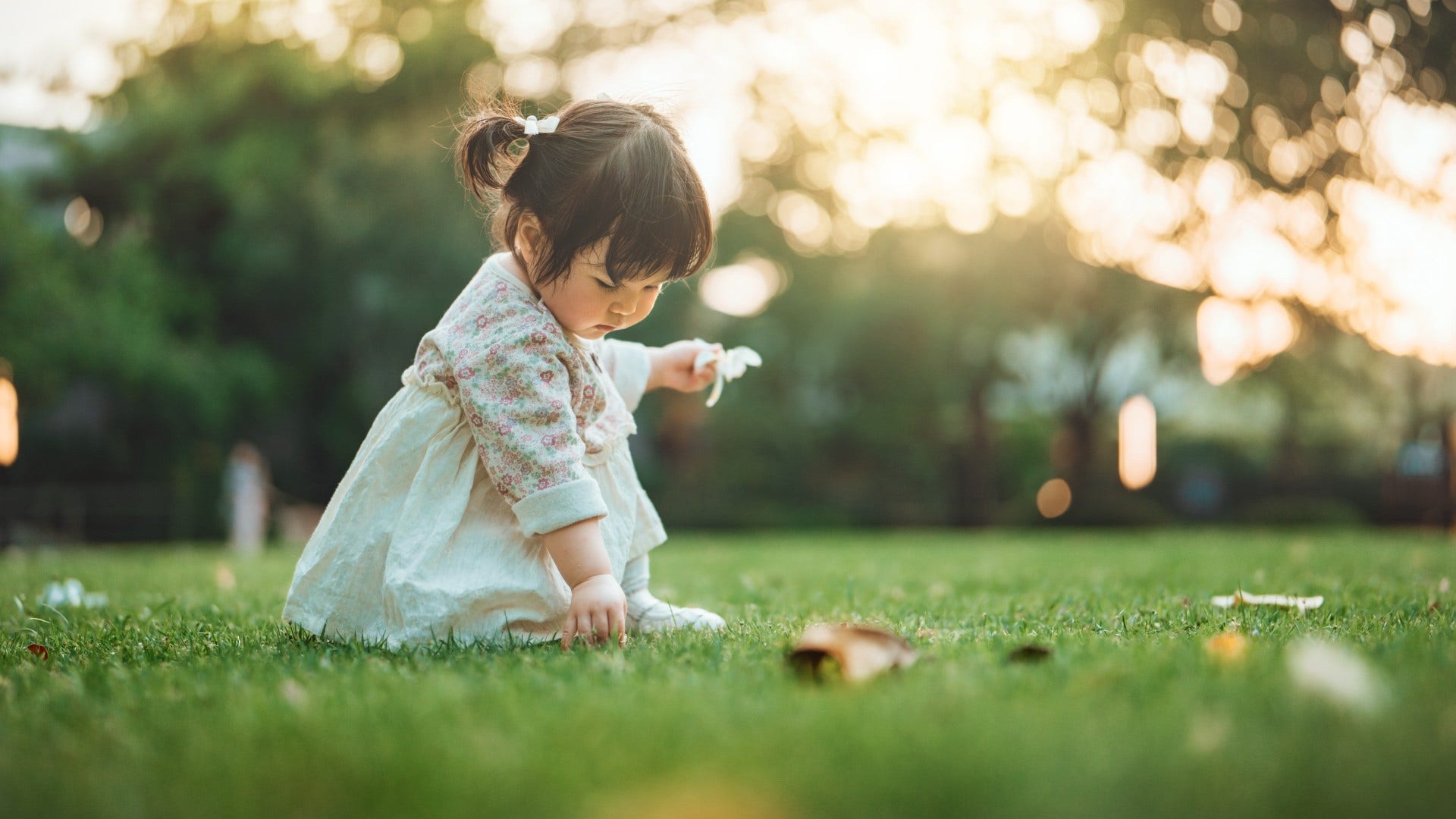
Unstructured time leaves room for originality. Without constant exposure to trending content or curated feeds, kids relied more heavily on their own instincts.
They followed curiosity wherever it led. That habit of trusting internal inspiration rather than external validation builds creative confidence, which is something many adults spend years trying to reclaim.
10. How to move through time without constant stimulation
 MAYA LAB / Shutterstock
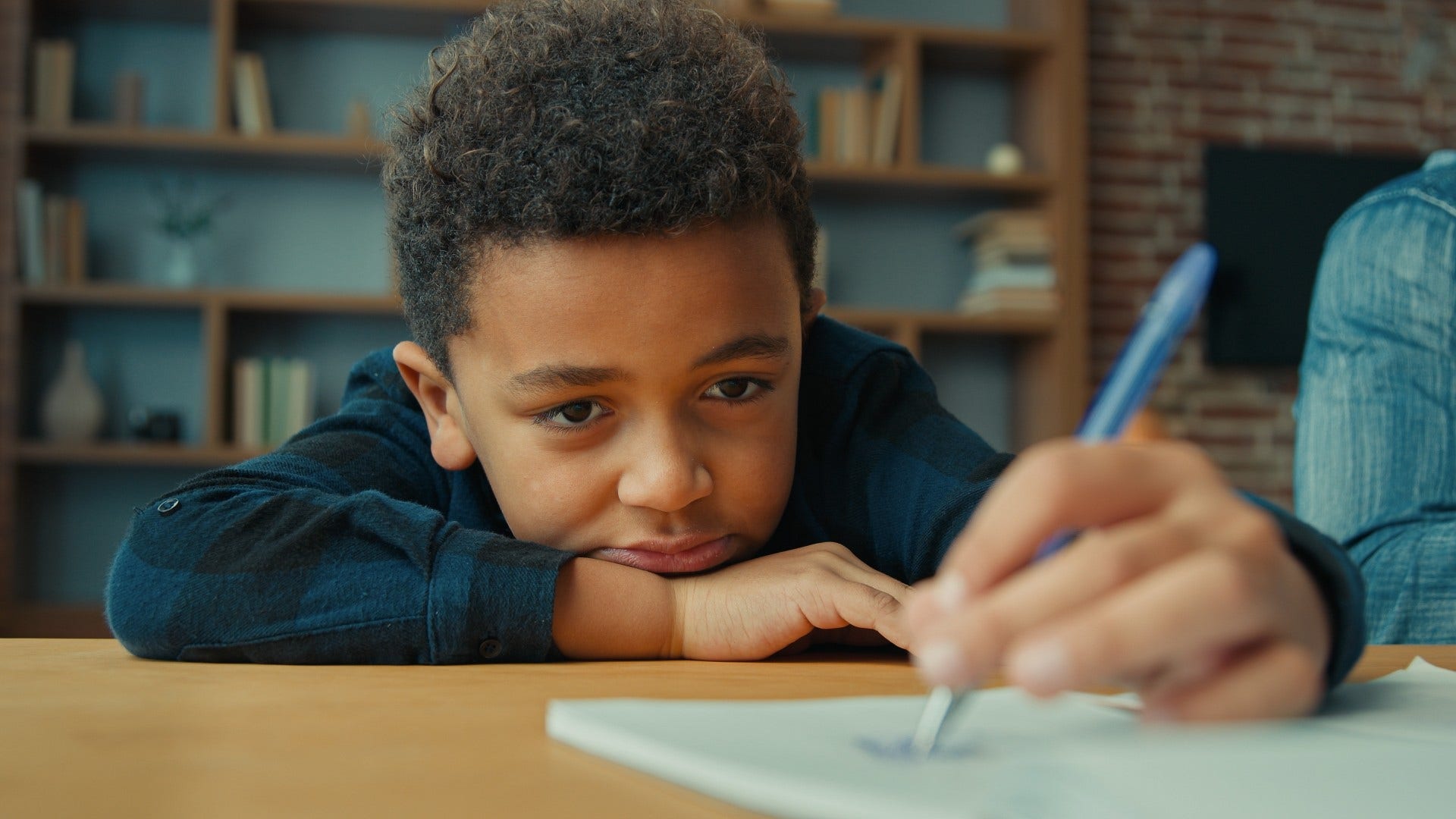
Boredom slowed things down. Minutes felt long. Afternoons stretched. While that could be frustrating, it also built patience.
Kids learned that time doesn’t need to be optimized every second to be meaningful. In adulthood, that relationship with time can soften the pressure to always be productive or entertained.
11. How to turn nothing into something
 pics five / Shutterstock
Perhaps the most enduring lesson of boredom was its transformative power. Empty space became an opportunity. Stillness became invention. Silence became thought. The absence of structured activity forced creativity into motion. That ability to generate momentum from stillness is a skill that serves adults well, whether starting a project, rebuilding after a setback, or simply learning how to rest without panic.
Boredom was never as empty as it seemed. Beneath the restlessness, it was shaping patience, imagination, resilience, and self-trust. While childhood looks different today, the skills born from unstructured time remain deeply relevant. In a world that moves faster every year, the lessons learned in quiet moments may matter more than ever.
Sloane Bradshaw is a writer and essayist who frequently contributes to YourTango.
