
12 Life Lessons Kids Know Without Even Trying That Adults Spend Years Figuring Out
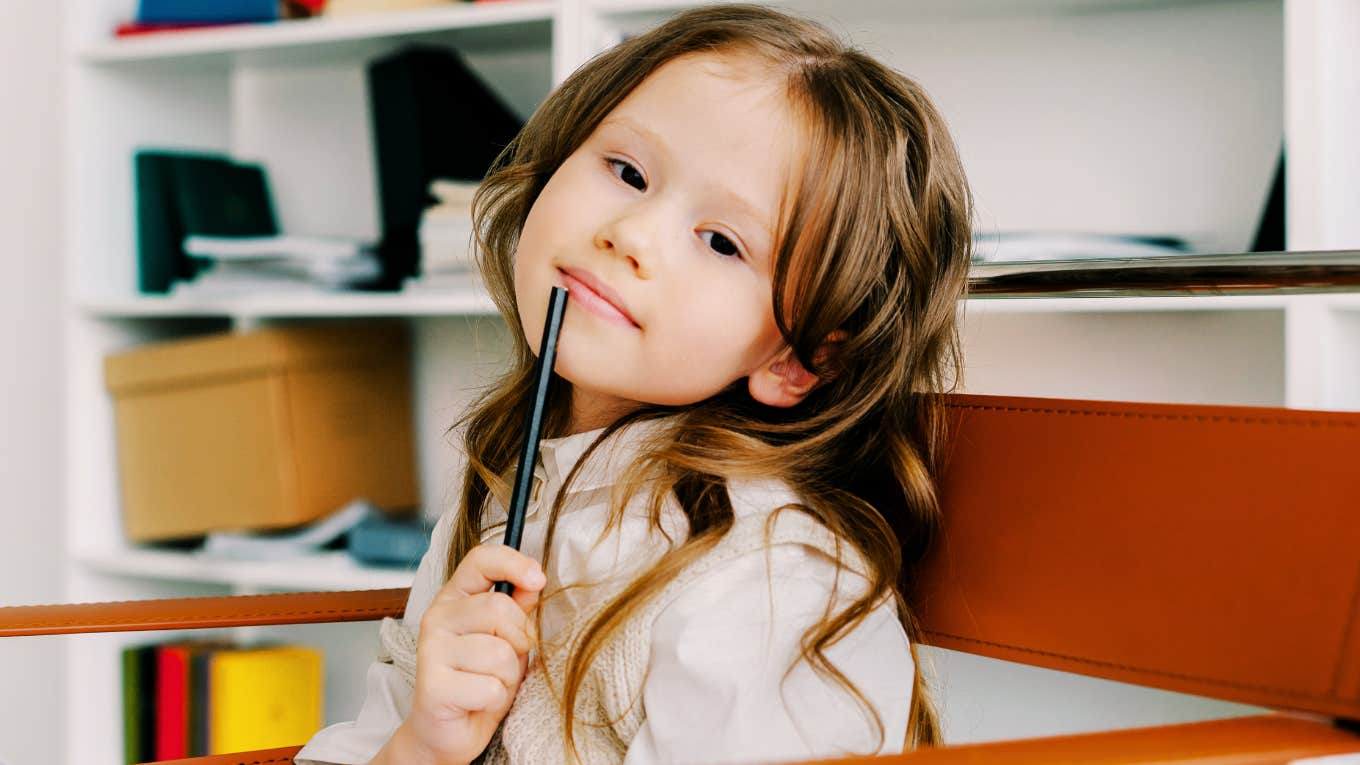 Mikhail Nilov | Canva
 I have been lucky to work with children throughout my life, and they know things adults spend years trying to figure out. I’ve been everything from au pair to mentor, and despite the snot, sweat, and tears, I genuinely have learned so much.
I’ve been granted the precious gift of access to the day-to-day lives of some truly wonderful little beings. They’ve made me laugh, and without even trying, they’ve taught me life lessons about the simple requirements of life that most adults spend years figuring out.
Here are 12 life lessons kids know without even trying that adults spend years figuring out:
Life lesson 1: The imagination is a truly wonderful thing
Getting older is inevitable, but you do not need to neglect the younger you. Do not let aging make you boring or bored — both are a travesty! Kids use their imagination, and adults look for learning opportunities.
"Embrace being a Kindergartener," said educator Wendy Conklin. "One of the best ways to find our inner creative self is to learn a new skill. There’s nothing like being a beginner and learning something new to get our creative juices flowing. Learning new things also boosts our self-esteem. So the next time you have the opportunity to learn a new skill, embrace that inner kindergartener and go for it."
Life lesson 2: Money has little real meaning
 PeopleImages.com - Yuri A via Shutterstock
Children are still children. They’ll still smile about the silliest things, whether you’re loaded or not. Laughter costs nothing, and it sounds the same, regardless of bank balance.
Psychologist Dr. Alicia H. Clark, PsyD, explained, "Laughing increases the production of immune cells and reduces cortisol, the hormone that's chronically high when an individual suffers from long-term stress and suppresses the immune system. It also lowers blood pressure, antibody levels rise, and the body’s natural anticarcinogenic response accelerates. Laughter truly is great medicine!
Life lesson 3: Sometimes, you just need to stop, draw the curtains, and watch a film
Life can get hectic sometimes. Don’t discount the value of taking a break from it all by enjoying a movie. Kids haven't been forced into the adult world of productivity yet.
"We live in a world that rewards busyness," cautions life coach Heather Moulder. "There's always another email to answer, another errand to run, another goal to chase. But somewhere along the way, many of us forgot that happiness isn't something you arrive at once everything on your to-do list is checked off. It's something you practice. And sometimes, the simplest way to find more joy is to stop rushing through life and start actually living it."
Life lesson 4: Anything can be used as fancy dress
There’s something very freeing about make-believe. You can travel the world without leaving the room, but only if you truly believe — believing is power. Playing make-believe as children is no different than trying to use the power of manifestation as adults.
Spiritual coach Kristine Carlson explained, "You can think all you want without creating anything. You need action to create. For example, you could think about making a meal. Just thinking about it doesn't make the meal appear, but it guides you into deciding what you do want, then you take action to create it. Your thoughts are there so you can try out some ideas in your head before actually creating them."
Life lesson 5: Respect is a two-way street
Do not expect anyone to respect you if you are unwilling to do the same to them. Respect has no price tag and cannot be forced. It must be earned.
"If people are disrespectful to you, how do you respond?" asked life coach Moira Hutchison. "Do you say something to the offending person, or do you just go on with life? People treat us in the way we allow them to treat us. If you confront the person and voice your opinion and unhappiness, chances are that person won't treat you that same way in the future. It's not about being confrontational. But a simple, "I don't appreciate how you're speaking to me," goes a long way."
Life lesson 6: Fresh air and grass are the cheapest, purest thrills we’ll ever find
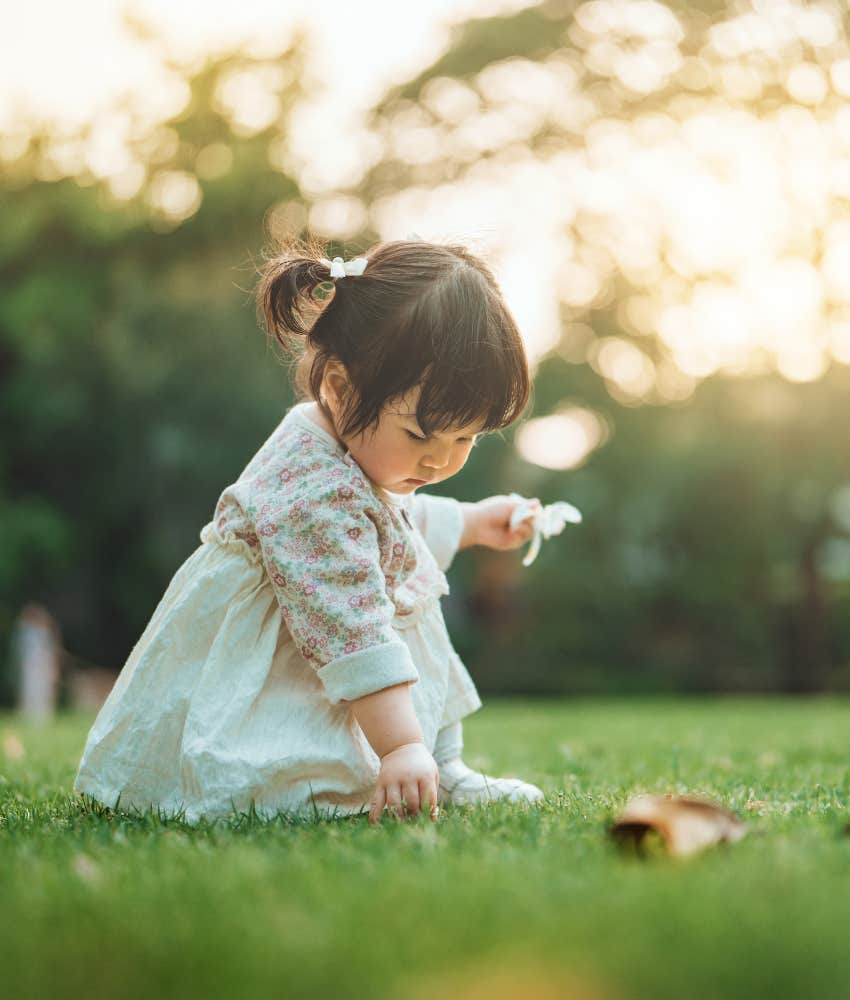 oatawa via Shutterstock
Run far, climb trees, swim often, and feel the sand between your toes. Do not become so fearful of seaweed, splinters, or soggy socks that you miss out on moments. Kids call it playing, adults call it nature therapy.
Health coach Ingrid DeHart elaborated, "Nature therapy, the practice of spending time outside in nature, cultivates a state of holistic balance and equanimity. Nature can make a big difference in maintaining a healthy mind and body. Being in nature connects you to "source energy," your true identity as a spiritual being."
Life lesson 7: Do not be scattery — both literally and metaphorically
Label your underwear (OK, perhaps not literally, although having worked in a boarding school, there is nothing more frustrating than unnamed underwear), and know your own mind. Your opinion matters — have an opinion. Do not be ashamed to take up space.
"Discovering your voice, your influence, and your skills allows you to join hands with others and create common ground," advised life coach Cherise Stewart. "Together, we can send a strong and loud message to create lasting change. Unity is key. Finding your voice is the first step. It's important to learn where, how, and when you can use your unique voice to change the world for good."
Life lesson 8: Manners cost nothing
Good manners are possibly one of the easiest things you can give someone. Often, their absence says a lot more than their presence. They matter.
"When we struggle with social skills, we may avoid social situations, and that can affect how we build relationships," pointed out life coach Caroline Maguire. "Even if spending time with people drains you and you don’t feel like putting in the effort to attend an event, it’s important to find social skills activities that help recharge your energy and make you feel connected. Connecting while talking about a mutual interest like kids and dogs is an easy way to strike up a conversation."
Life lesson 9: Baking is as much about the journey as the final product
Let them eat the cake mix. And this can be applied to more than just cupcakes — don’t stress about the final product being perfect, just enjoy the experience. Kids know how to have fun with the flow, but adults need to remind themselves not to chase perfection.
"Get realistic about the worst-case scenario," recommended psychologist Judith Tutin. "If your balance isn’t good in your first yoga session, so what? Are people going to laugh at you? Will they think you don’t belong there? If you don’t learn the tango the first time, will the teacher kick you out? Will people refuse to partner with you?
Possibly yes to all of these, but probably not. Don't allow irrational thinking to keep you from growing. What if someone does laugh as you flop instead of flow in your first vinyasa? Is that so terrible? Does it make you a bad person? Of course not! You’re a work in progress like the rest of us."
Life lesson 10: Most things come out in the wash
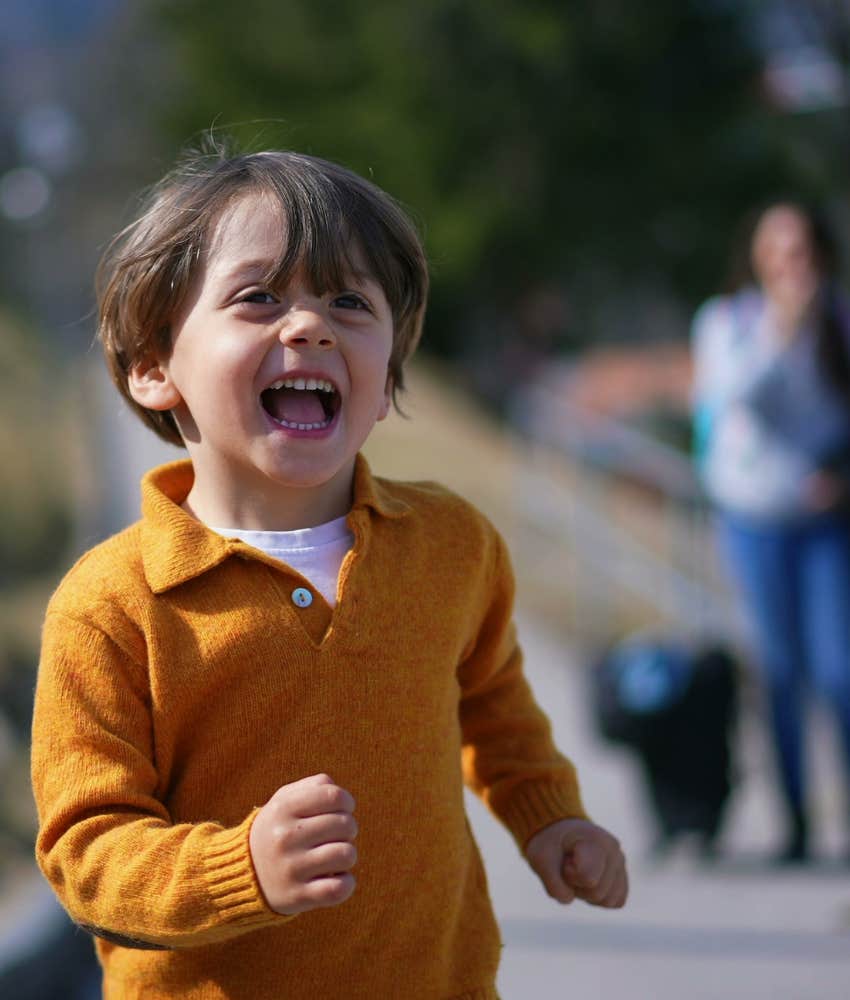 Bricolage via Shutterstock
Do not stress the small stuff. Do not become so hung up on material things that you miss the experience. Kids chase joy, while adults end up chasing stress.
Life coach María Tomás-Keegan suggested, "People who use cognitive reappraisal during a negative experience report less negative emotion and show lower stress response while experiencing better psychological health overall. This is a way to reframe the pain. Ask yourself, 'What can I learn from this? What are my options?' These questions turn you away from the blame game and allow you to focus on the good that might come from the situation."
Life lesson 11: Sometimes, we all need a hand to hold
Kids understand the power of a hand and a hug, but often, adults forget it really is that simple. Family therapist Carolyn Sharp explained, "Quick moments of sustained eye contact with a friendly face can reconnect you briefly but powerfully to help your nervous systems regulate one another. Turning off your devices and breathing together face to face deepens that moment. Holding hands can offer a needed physical connection that reminds us of the importance of one another."
Life lesson 12: Life skills are an important gift to give to children
They may not appreciate being told to make their beds or learning how to fold clothes. In fact, they will probably actively resent it (and you). But this is part of their growth. This is part of their learning. It is part of providing parameters, tasks, boundaries, and goals. This is part of raising well-rounded adults.
Adults are there to teach children, but we adults can still learn a lot from them. Approach life with the purity of a child. Do not become so fearful of living (or dying) that you forget how much you truly love life. Don’t let this world make you bitter, brittle, miserable, or insecure. Do not let reality blindside you to how desperately and wholeheartedly you want (deserve and need) to feel alive.
Yasmin Braddell is a writer who focuses on love, relationships, and family.
