
People Who Take More Naps As They Get Older Usually Have These 11 Personality Traits
 fizkes | Shutterstock
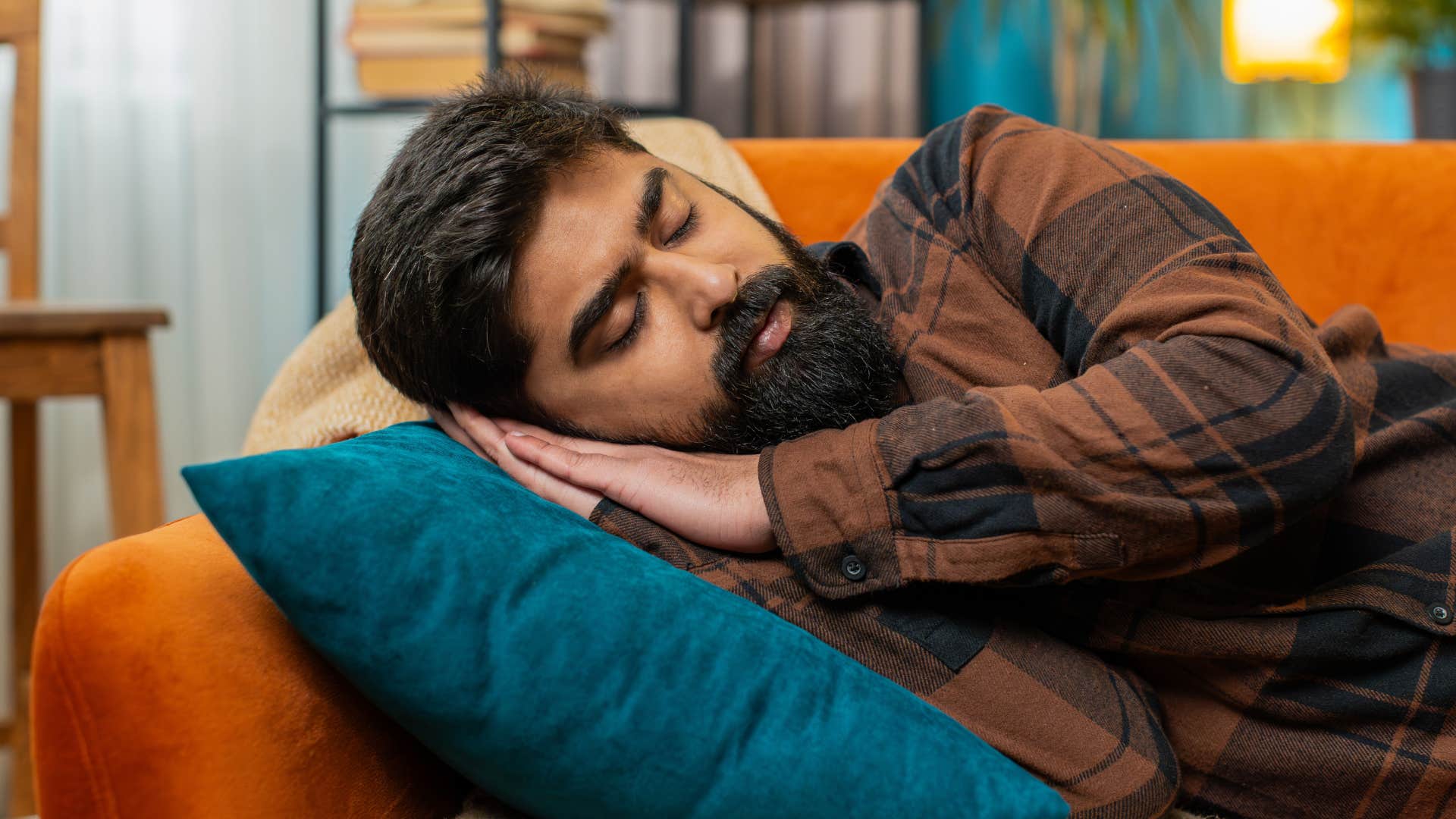
 Even if they’re largely controversial, as is rest in general amid our “hustle culture,” research shows that short naps during the day can actually be incredibly beneficial for energy levels, cognitive performance, and mood. No matter what age you are, these small breaks from the chaos of the day give our bodies a chance to regulate themselves and our minds the opportunity to rest, even if it’s just for 5 or 10 minutes.
So, what do people who regularly take naps have in common? From being more open to accepting rest as they need it to being self-assured enough to set boundaries in their everyday routine, people who take more naps as they get older usually have these personality traits. They don’t let their to-do list or rigid routine keep them from reconnecting with their bodies and indulging in small moments of rest.
People who take more naps as they get older usually have these 11 personality traits
1. They’re aligned with their energy
 Andrii Iemelianenko | Shutterstock
People who are aligned with their energy use their bodies and minds as a compass for the day, not a rigid to-do list or even societal expectations about how they should be filling their time. They’re mindful enough to notice when they’re experiencing brain fog or when their bodies are pushing through fatigue, and make space to take a break or nap.
According to a study from the British Journal of Health Psychology, just 10 minutes of mindfulness throughout the day can improve mood, energy levels, and general well-being. So, if a person is self-aware and energetically aligned enough to make space for rest, chances are they also first adopt these mindful habits to reconnect with their bodies and energy levels.
2. They’re intentional
 Kosim Shukurov | Shutterstock
Setting goals and habits means nothing if you’re not intentional about them. From crafting them from a space of self-awareness to being intentional about making space for them when the time is right, even small practices like taking a 10-minute nap require intentionality to do well.
People who take more naps as they get older usually have these personality traits innately. They’re careful about how they spend their time, intentional about making space for rest, and consciously leaning away from our “hustle culture” society that urges people to push their way through fatigue and into burnout.
3. They’re not motivated entirely by external validation
 BongkarnGraphic | Shutterstock
With age often comes a boost in self-esteem, largely from the perspectives and wisdom of experience, at least according to a study from Developmental Psychology. Instead of relying on external validation and acceptance to feel at ease, these people now look for gratification internally. They have the confidence and self-assuredness to turn to themselves for a sense of stability.
They’re no longer working themselves through exhaustion or seeking praise in exchange for burnout, but connecting with their bodies and crafting trust by leaning into rest when they need it.
4. They have strong personal boundaries
 Tirachard Kumtanom | Shutterstock
Whether it’s with work, their routines, or in their relationships, it’s people with the self-awareness to set strong personal boundaries who often take more naps throughout the day as they get older. They’re careful and intentional with their energy and aren’t afraid to set limits on the behavior and discomfort they’re willing to tolerate.
As experts from Vanderbilt University agree, it’s boundaries like this with work that often protect personal well-being. If you’re not giving yourself the grace to take a break or nap during the day, you’re likely more burnt out and exhausted because of it.
5. They don’t equate rest to laziness
 Just Dance | Shutterstock
Rest is what boosts our general well-being, from creativity to problem-solving skills, and even the ability to regulate our own complex emotions. Rest is productive, period. Yet, at the hands of our employers and entitled people around us, we can often feel guilty making space for rest and putting our own energy levels first.
However, people who take more naps as they get older usually have personality traits like self-assuredness and self-awareness that allow them to push back on these misguided beliefs. Rather than equating rest to laziness, they view it as a productive, necessary part of their routines, especially on the days when they’re feeling sluggish and exhausted.
6. They’re intuitive introverts
 DC Studio | Shutterstock
Intuitive introverts don’t just boast a special appreciation for their solitude — they’re also naturally self-aware and connected to their personal intuition. Whether it’s spotting discomfort with a person in a conversation or noticing when their bodies need a small break, they’re not afraid to listen to their gut instincts.
Especially for women, whose brains are naturally wired toward fast, intuitive thinking, the older they get, and the more practice they have to lean on their intuition, the easier it is to carve out space for self-care — even if it’s a quick nap.
They’re comfortable with alone time, but also with self-care and rest. They don’t mind leaning into softness that allows them to reconnect with their bodies and minds, so making space for a nap during the day is a treat, rather than a shameful necessity.
7. They’re balanced
 Prostock-studio | Shutterstock
People who are truly balanced on a deep level often protect their sanity and well-being in many aspects of life. From balancing their work ethic, productivity, and self-care in the office to appreciating alone time and extroversion in their social lives, they’re not afraid to bend the stereotypical “black” and “white” binaries of true self-care.
They know better than to restrict themselves from something they very clearly need. So, it’s not surprising that with the perspective, intuition, and self-assuredness that come with age, these people are more likely to lean into habits that actually feel good for them.
8. They’re protective of internal stability
 Pixel-Shot | Shutterstock
Truly self-assured, grounded people are protective of their internal emotional stability, even if that means choosing to take a nap to ensure they’re energized and navigate the rest of their day. They’re not afraid to say “no” to social plans or to occasionally cancel on plans at the last minute if it means protecting their own well-being.
People who take more naps as they get older may need to practice setting these boundaries and putting themselves first, but at the end of the day, it’s a routine that becomes easier the more they learn to lean into the ease of self-care.
9. They invest in inner peace
 nadia_acosta | Shutterstock
According to a study from the American Journal of Lifestyle Medicine, people who are better at regulating their emotions and leveraging self-awareness to acknowledge discomfort are often more mentally grounded. They have the power of inner peace on their side, because they know how to acknowledge and address passing emotions as they come up, rather than letting them linger into resentment and frustration.
People who take more naps as they get older likely boast these personality traits — they’re emotionally intelligent enough to notice small signs of fatigue or discomfort, and make the choice to rest as a result.
10. They’re comfortable with change
 Media_photos | Shutterstock
People who are emotionally grounded, well-rested, and self-aware are often more equipped to deal with change. They’re not stuck in fight or flight mode from trying to navigate anxiety without healthy coping skills or managing anxiety from a place of fear, but leaning into self-care habits that feel good in the moment.
That’s why prioritizing sleep and breaks throughout the day is often associated with better mental health, because they lead to less stress and strain.
11. They’re reflective
 StratfordProductions | Shutterstock
There’s a reason why emotional intelligence — skills like regulation and self-awareness — are often inherently associated with better well-being and life satisfaction, as a 2024 study suggests. People who have not only acknowledged their internal habits and behaviors, but also made peace with them, have the ability to make choices that truly align with their best interests.
Whether that’s deciding to go to bed earlier or taking a nap on a hard day, they’re self-aware and reflective enough to make space for these things.
Zayda Slabbekoorn is a senior editorial strategist with a bachelor’s degree in social relations & policy and gender studies who focuses on psychology, relationships, self-help, and human interest stories.
