
People Who Start Going To Bed Earlier As They Get Older Usually Fear These 11 Things Most
 MAYA LAB | Shutterstock
 While it might seem like a simple and harmless everyday ritual, consistently going to bed earlier could actually make you happier. While “night owls” have an almost doubled risk of depression, people who go to bed early tend to protect their mood and general mental health, according to a study from Molecular Psychiatry. Some people shift their bedtime rituals and protect their sleep for this reason — to protect their general mood and well-being.
But people who start going to bed earlier may also fear these things most. From a fear of waking up on the wrong side of the bed to worrying about burnout, people who prioritize their rest, stick to a consistent bedtime routine, and set boundaries to protect their rest may be coping with fears of other, unsuspecting things.
People who start going to bed earlier usually fear these 11 things most
1. Burnout
 Lazy_Bear | Shutterstock
The only thing that can truly cure burnout is rest. Whether that’s taking intentional breaks during the day or ensuring you’re getting enough sleep on a consistent basis, if you’re not resting your body and mind, you’re more susceptible to burnout symptoms.
People who start going to bed earlier usually fear these things most. They want to ensure that they’re being productive and hardworking, but never at the expense of their personal well-being, health, and mood.
2. Morning anxiety
 Evgeniia Primavera | Shutterstock
If you’re setting yourself up for success with a stable morning routine and avoiding your phone, but still waking up anxious and overwhelmed, chances are you’re not getting enough sleep. Either you’re staying up too late or indulging in habits during the day that sabotage your sleep quality, but either way, it’s making your brain feel overwhelmed from the second you open your eyes.
That’s why so many people avoid “night owl” behavior, because it’s largely linked with higher levels of anxiety and worsened sleep. People who start going to bed earlier usually fear these things most — they want to ensure that they wake up ready to embrace the day, rather than dreading it.
3. Being exhausted at work
 Roman Samborskyi | Shutterstock
If you’re consistently not getting enough sleep every night, chances are you won’t just wake up tired and anxious, but you’ll feel exhausted all day. Even small, tedious tasks and responsibilities will feel impossible because you’re fighting with your brain over the bare minimum.
People who are careful about their sleep schedule and who always go to bed early often fear this kind of tiredness. They want to be present and productive, which means making time for rest whenever possible.
4. Illness
 Ahmet Misirligul | Shutterstock
People who consistently sleep less than 7 hours every single night are not only experiencing sleep deprivation that puts their energy levels and mental health at risk, but also their physical well-being, according to a study from the American Journal of Lifestyle Medicine.
It might seem harmless to stay up late and work evenings at the office, but if it’s at the expense of your sleep routine, chances are you’re doing more harm than good. That’s why people who start going to bed earlier are intentional about their bedtime — they’re afraid of putting their physical health at risk.
They’d prefer to get a full 8 hours of sleep and protect their physical well-being than work for a few extra hours or say “yes” to plans that sabotage their sleep.
5. Irritability
 PeopleImages | Shutterstock
According to a study from Personality and Individual Differences, people who consistently get poor sleep also often report higher levels of irritability. To be our most regulated, happy selves, we need to feel rested, so it’s no surprise that people who start going to bed earlier fear being irritable and rude.
If you don’t have the space to rest, you won’t have the internal space to show up as your best self.
6. Being alone with their thoughts
 PeopleImages | Shutterstock
Alone time can be incredibly healthy for emotional well-being and self-esteem, but only with the right mindset and habits. If someone is using their solitude to avoid confrontation or distract themselves with a screen, chances are they’re not comfortable with their own company.
People who start going to bed earlier usually fear this kind of alone time. They don’t like being alone with their own thoughts and often don’t have hobbies to fill the time, so they’d prefer to rest and let the rest of their free time be defined by social interactions and conversations.
7. Getting stuck in a cycle of bad habits
 CGN089 | Shutterstock
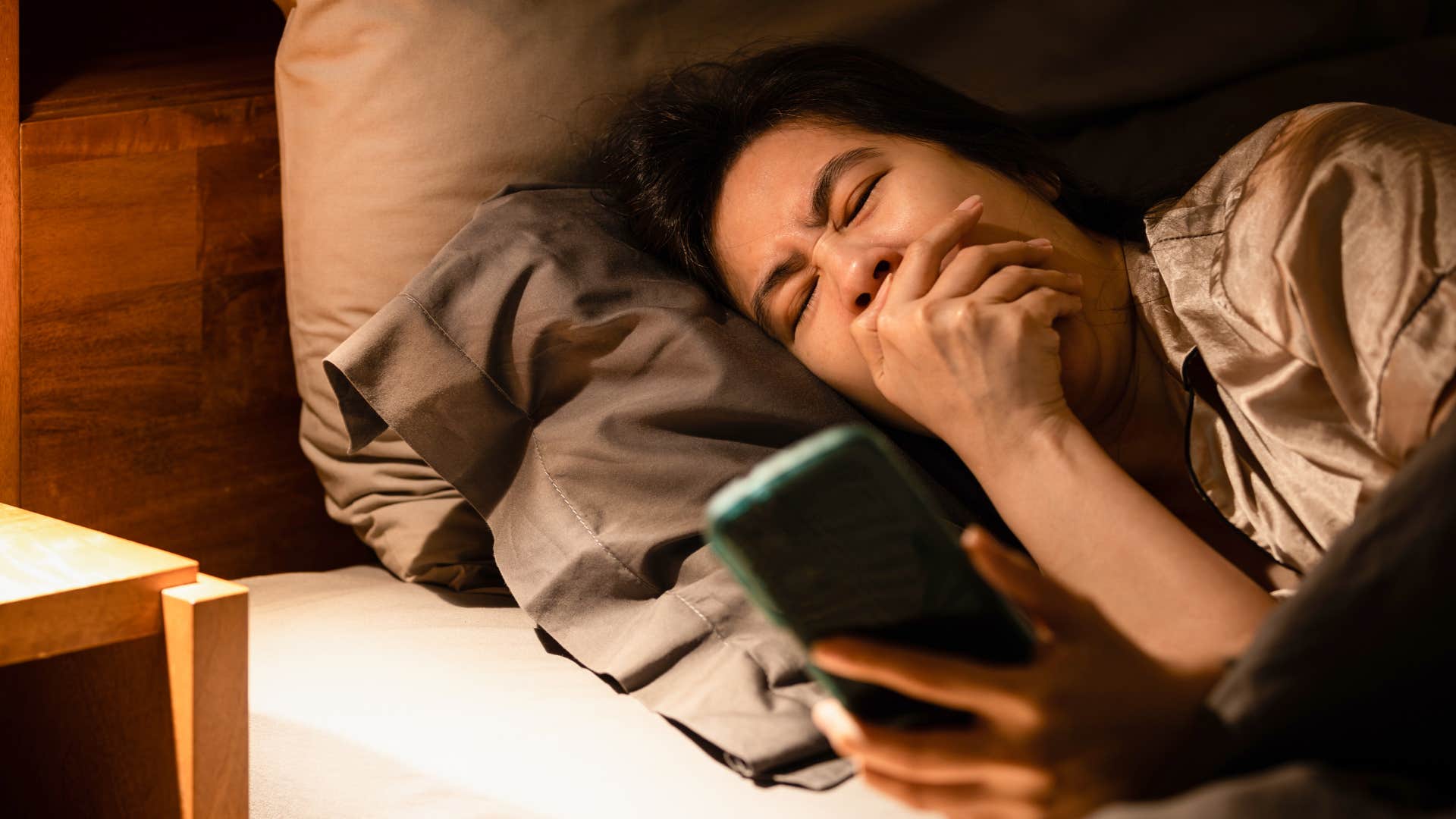
While setting a healthy routine and committing to healthy habits can be a challenge, breaking a bad habit cycle is even harder. It often takes a lot of effort, self-discipline, and intention to break them, considering they’re interwoven in coping mechanisms and emotional stability.
For many people who have been in the chaos of bad habit spirals and unhelpful routines, going to bed earlier could be their means of protecting themselves. By holding themselves accountable to a strict bedtime, they ensure they’re not throwing themselves back into a bad routine of staying up late, guilting themselves in the morning, and struggling with their mental health.
8. Missing out on morning mindfulness
 PeopleImages | Shutterstock
Many people protect their morning routines vehemently because it’s the only quiet time they have for themselves amid a chaotic routine. People who start going to bed earlier usually fear missing out on this time, and having to wake up to an alarm and immediately start their day without a second to wake up naturally.
While the actual habits they use to fill this morning routine may look different from person to person, going to bed earlier and making sure they get enough rest to actually enjoy it is a common thread.
9. Being late
 Face Stock | Shutterstock
Whether it’s being afraid of missing their alarm and being late to work or missing out on commitments with their loved ones happening in the morning, people who start going to bed earlier usually fear these things. Especially for people who equate their self-worth with being an overachiever or a successful employee, the fear of being late or missing a meeting is actually more anxiety-inducing and destabilizing than it may seem.
Of course, if they can find a way to ensure they’re getting the 7 to 9 hours of sleep every adult should be prioritizing, like going to bed early, that helps to soothe their anxiety and protect their sense of self.
10. Wasting time
 Stock Unit | Shutterstock
Many people who struggle with worries about “wasting time” or not filling their days often stay up late completing tasks, only to guilt themselves over sleeping in the next day. They know that they’re not going to feel rested in the morning by staying up late, but struggle with the guilt of not “doing enough.”
However, people who start going to bed earlier usually fear wasting their time in the morning the most. So, if getting more sleep and prioritizing rest at night allows them to leverage their peak productivity time in the morning, so be it.
11. Emotional exhaustion
 KucherAV | Shutterstock
Many people who have dealt with emotional exhaustion, mood swings, and a general sense of internal unease know what a struggle it is to heal. They know how disillusioning it can be to try navigating life through the lens of this exhaustion, and now, they do whatever they can to protect themselves from it.
People who start going to bed earlier usually fear these things most. If rest is the cure to their mental health and well-being, they’re not afraid to say “no” to plans and protect their bedtime ritual to make space for it.
Zayda Slabbekoorn is a senior editorial strategist with a bachelor’s degree in social relations & policy and gender studies who focuses on psychology, relationships, self-help, and human interest stories.
