
People Who Love Staying At Home Almost Always Have 11 Unique Traits
 Anastasija Vujic | Shutterstock
 While introverted personality types are known for spending time alone and needing it to feel refreshed, there are all kinds of benefits for the average person to spend more time in their own company. Thankfully, it’s the people who learn to craft this solitude and lean into practicing it that get the most out of it.
People who love staying at home almost always have certain unique traits. From not struggling with “FOMO” to appreciating their own company, they operate from a place of self-assuredness and security that some people need attention and validation from others to achieve. That’s their superpower.
People who love staying at home almost always have 11 unique traits
1. They craft their home as a safe place
 ViDI Studio | Shutterstock
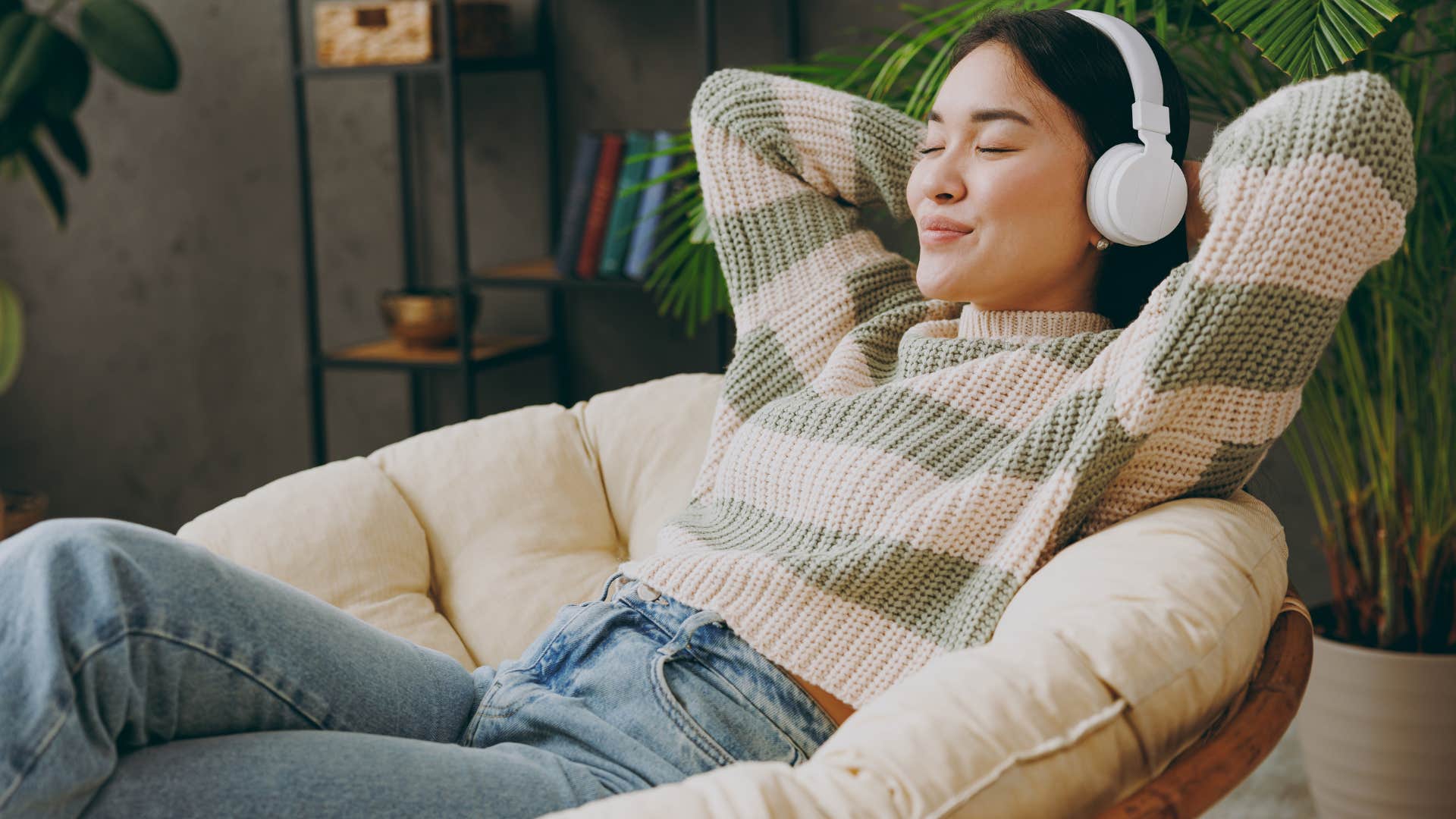
Our homes are often a reflection of our self-expression and identities, but they can also be a mirror to our personalities, emotions, and struggles. If someone loves spending time alone and at home, chances are their living space reflects that. It’s their safe space away from the chaos of the world.
Whether it’s carving out a space where they can be alone without distractions or putting their identity into the decor surrounding them, a person who enjoys opting out of social events to spend time at home usually feels safe, secure, and seen there.
2. They enjoy their own company
 Drazen Zigic | Shutterstock
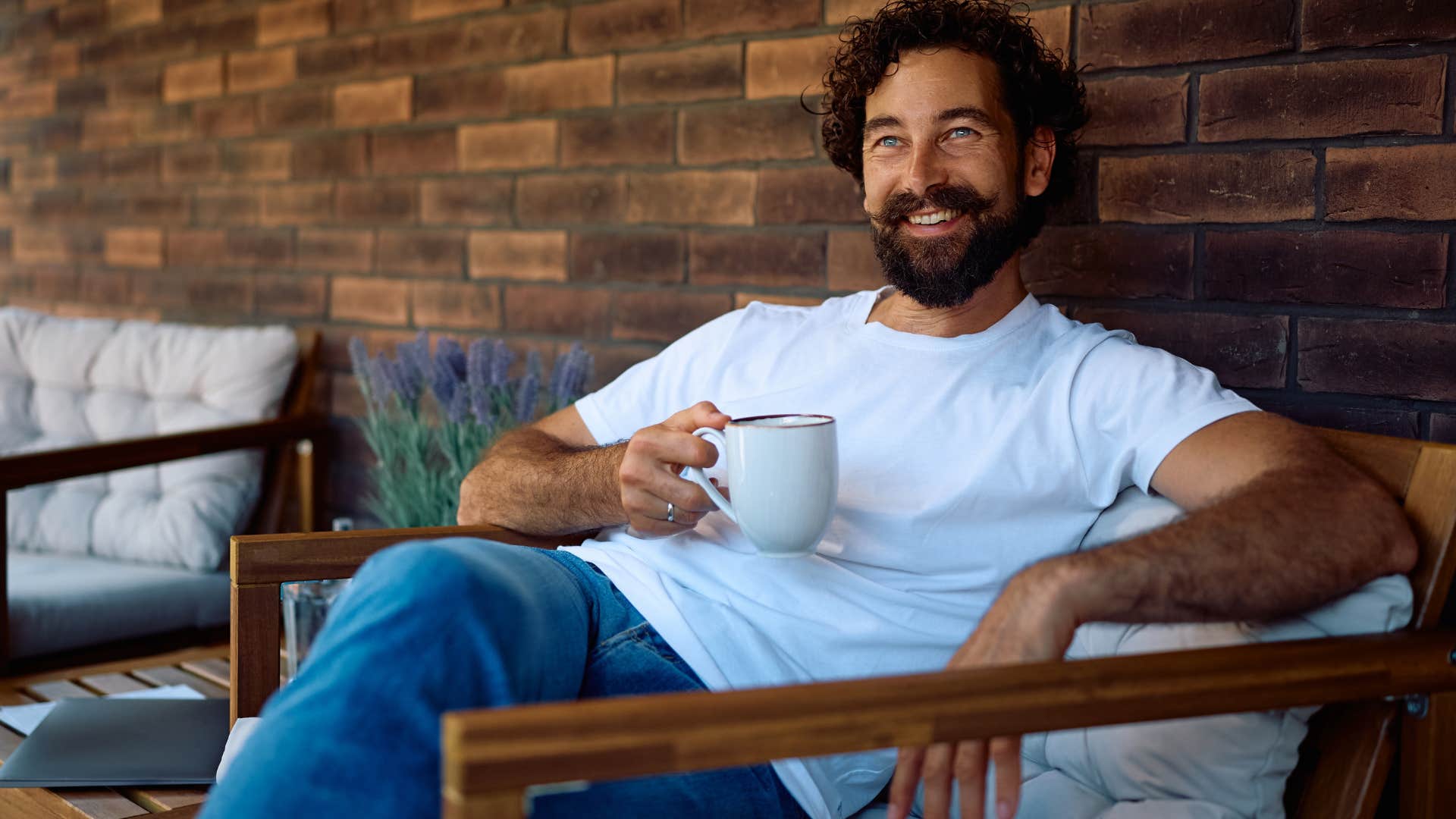
As a study from Nature Communications explains, the mentality and mindset someone has about their alone time truly influences how many benefits they reap from indulging in it. For a person who loves staying at home and enjoys their own company, they have space for reflection, relaxation, and happiness.
However, someone who dreads it and actively avoids stillness may experience quite the opposite. Even if they’re only watching a comfort show or investing in a hobby, this curated alone time is what draws them away from unnecessary social obligations and back home.
3. They need solitude to recharge
 PeopleImages | Shutterstock
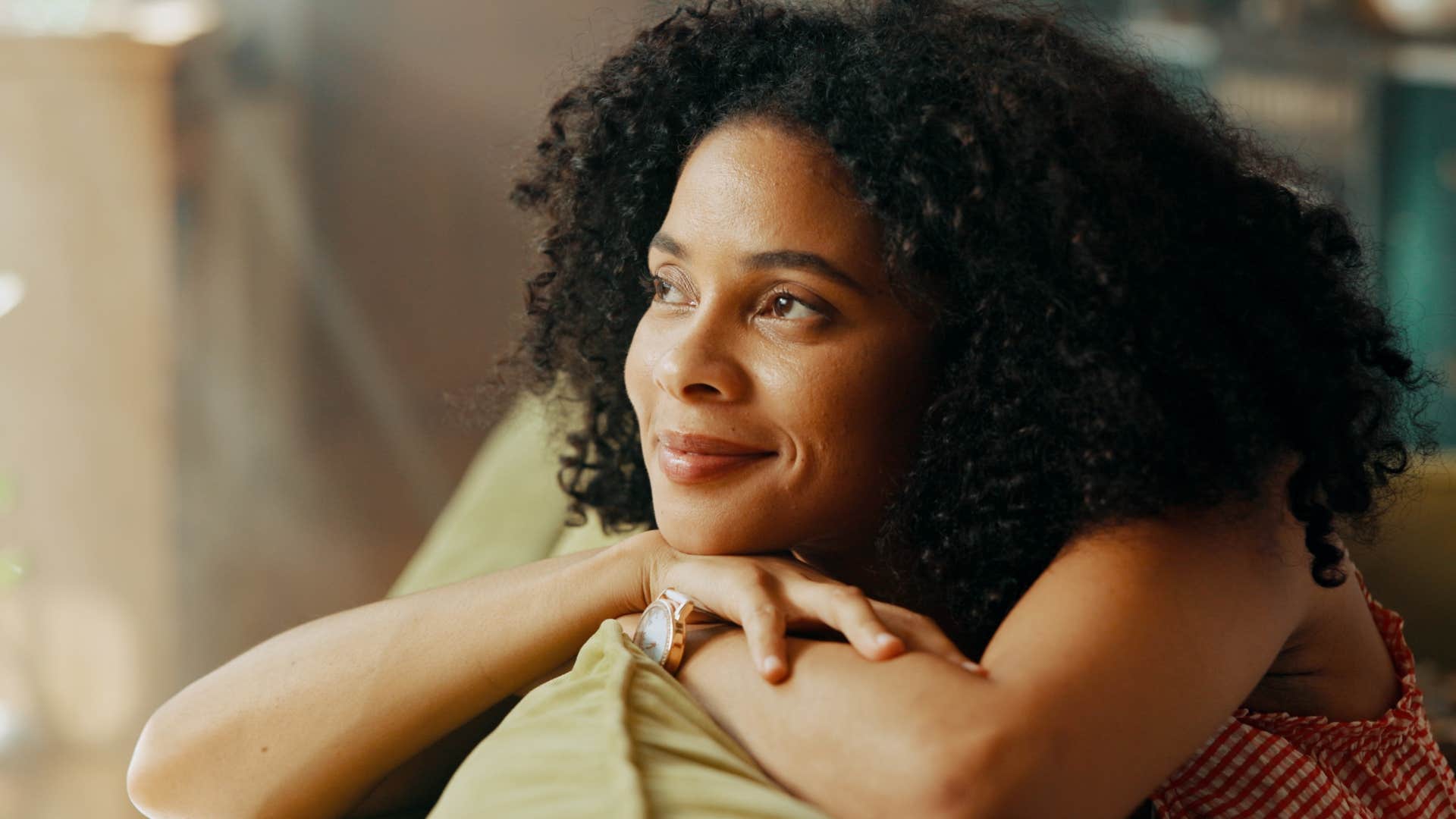
Especially for introverted people, their alone time is energizing. If they’re preparing to leave the house or coping after a long day, it’s their solitude that actually recharges their social battery, not always being around other people, like their extroverted counterparts.
So, if they know they’re going to have a long week or simply want to feel refreshed after a hard day at work, it’s no surprise these introverts love staying at home. They love an excuse to say “no” to social plans and invest in a routine at home that truly makes them feel more grounded, even if it disappoints other people every once in a while.
4. They’re intentional with their social circles
 Miljan Zivkovic | Shutterstock
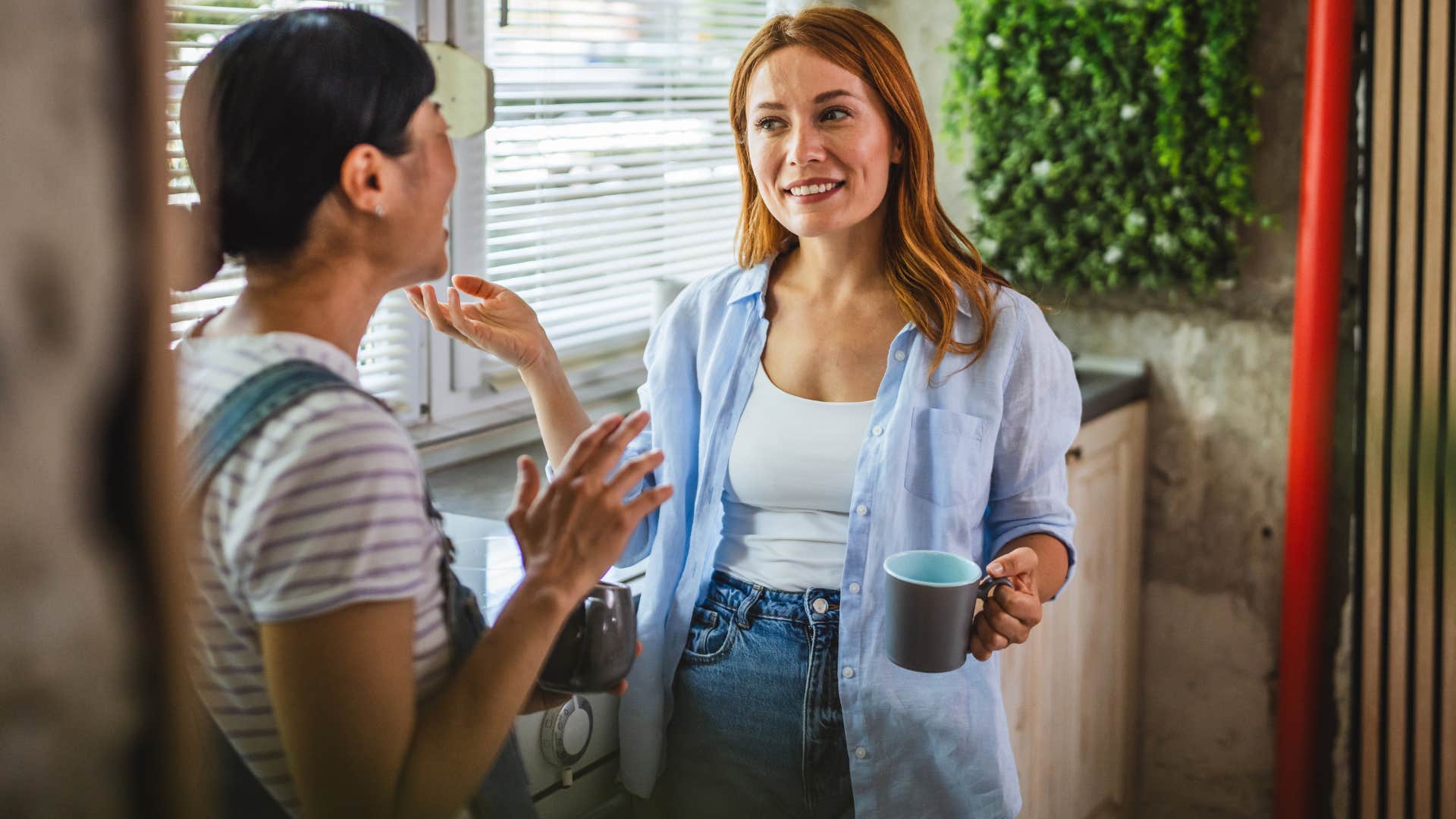
People who prefer to spend healthy time alone over going out and indulging in small, superficial conversations know better than anyone that the people around you influence your energy. If they’re going to spend their social energy on someone, it’s going to be a meaningful friend or a social event that actually brings value to their lives, not a draining party they felt pressured to say “yes” to.
Whether it’s contagious negativity from a chronic complainer or feeling guilty for sharing success around a jealous friend, they’re not interested in being anything less than “picky” and intentional with their social circles, even if that means spending more time alone at home.
5. They romanticize the mundane parts of life
 PeopleImages | Shutterstock
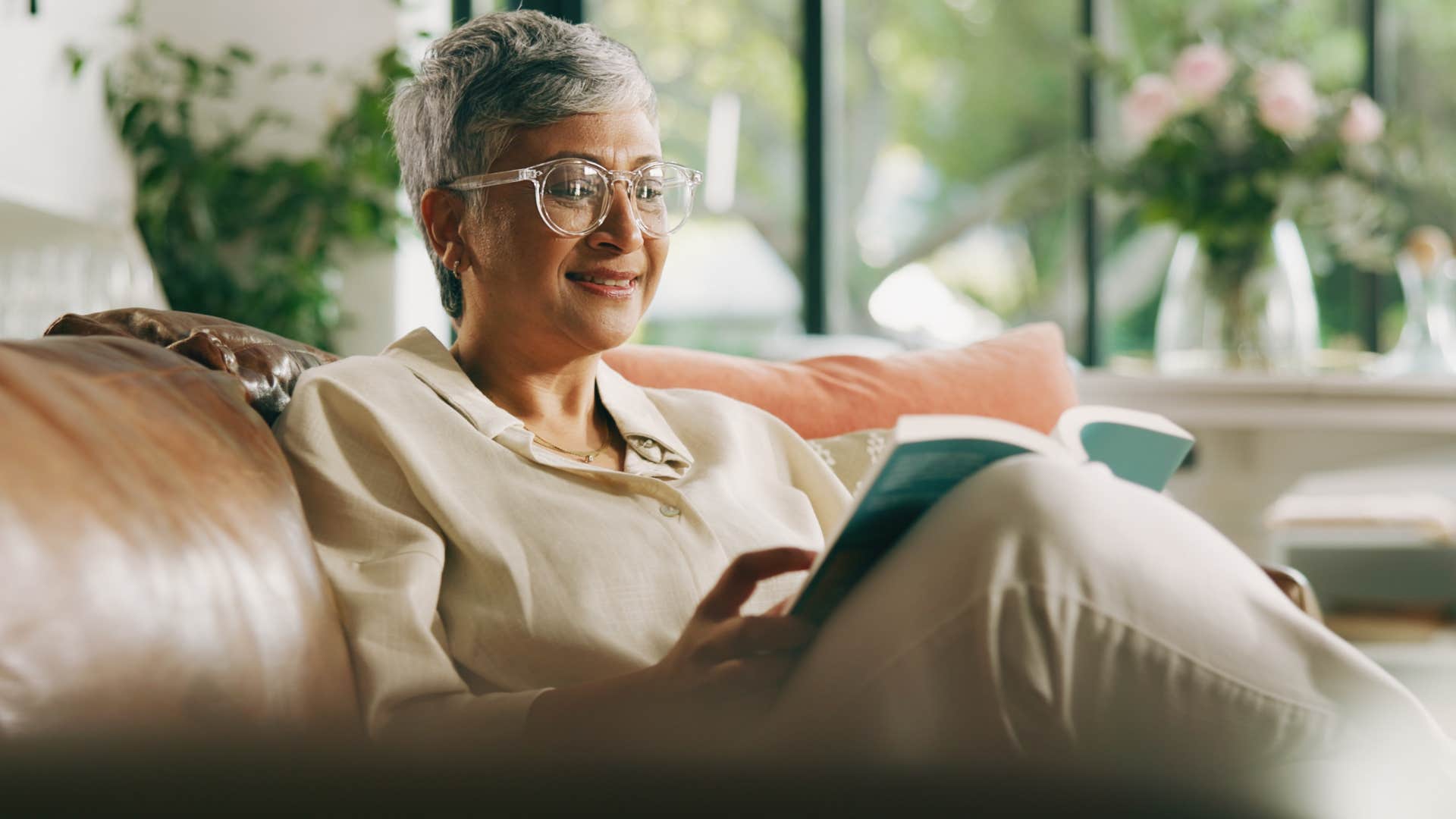
From their skincare routines in the morning to the stillness right before bed, it’s usually people who romanticize these mundane parts of their days who feel more fulfilled and happy. They know that how you spend your days is how you end up spending your life, so they’re intentional about making the most of the little things.
They don’t have to do anything extraordinary or overextend themselves to seek joy, because there’s so much meaning and happiness hidden in romanticizing the parts of our routines that others easily overlook. So, it’s no surprise they love spending time alone at home, because they’ve crafted a space and routine that genuinely serves them well.
6. They accept themselves for who they are
 Miljan Zivkovic | Shutterstock
Many people who truly enjoy and feel comfortable spending time alone have a natural kind of emotional intelligence that allows them to sit with their thoughts and feelings. They don’t need social interactions or doomscrolling habits to distract them from their feelings, because they accept and acknowledge them as they are for a sense of peace.
As Harvard Health experts explain, that’s part of the reason why self-acceptance breeds better emotional well-being and security. They don’t need other people’s validation or attention to feel secure, because their self-worth is fully internal, fueled by solitude, self-awareness, and emotional intelligence.
7. They don’t get ‘FOMO’
 fizkes | Shutterstock
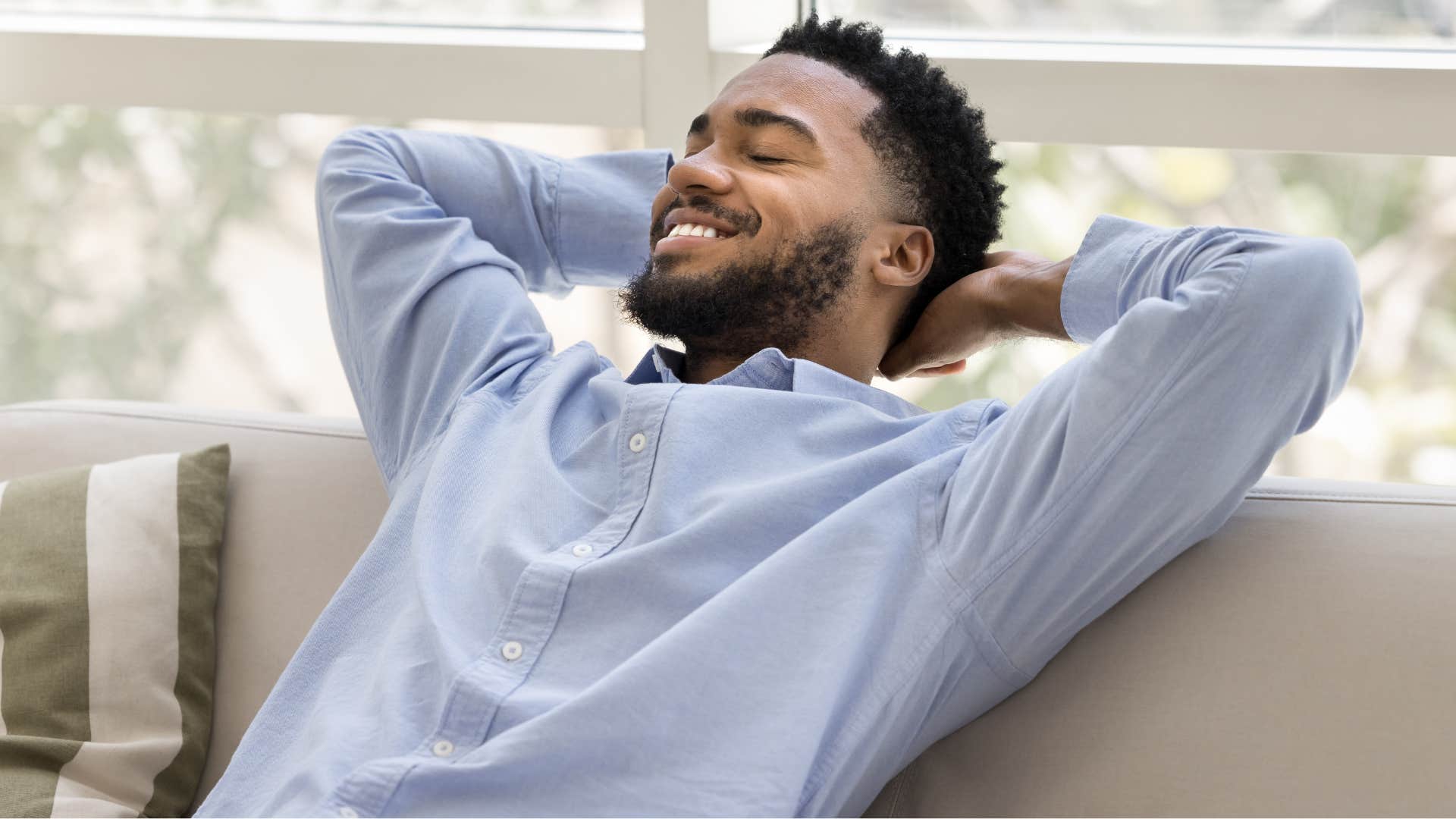
Many people with a fear of missing out, often coined “FOMO,” feel a sense of anxiety at home that they can’t shake. They’re worried about the fun and conversations they’re missing, even if they know that saying “yes” to a social interaction would actually drain their energy or make them feel anxious.
However, people who love staying at home have figured out how to cope with FOMO, and instead appreciate the joys that alone time can offer. Even if it means saying “no” to friends occasionally and carving out space for stillness in a world that prefers constant “hustle,” they’ve figured out to promote their own well-being with this space.
8. They’re more creative on their own
 PeopleImages | Shutterstock
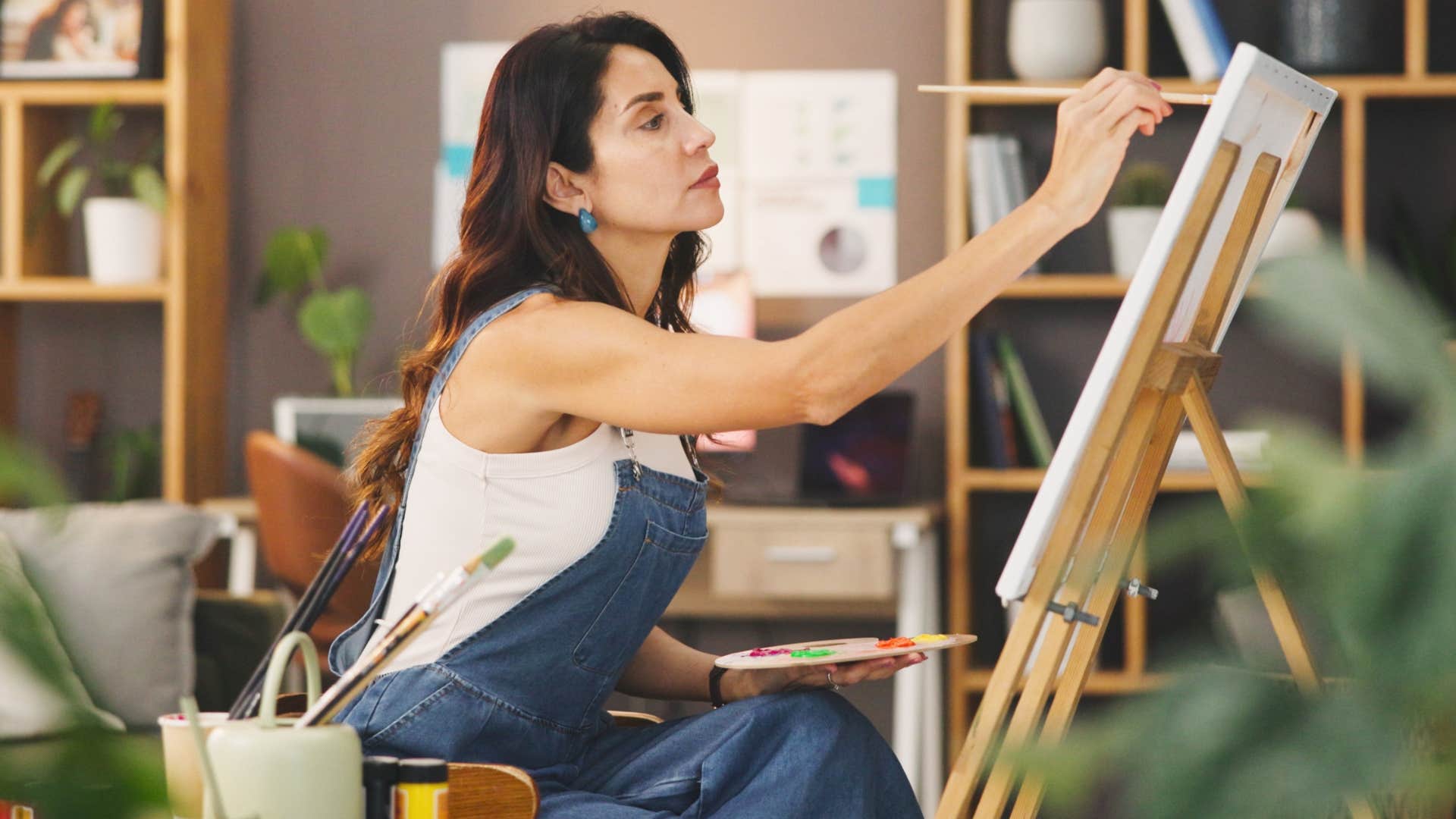
For artists, writers, and general creatives, spending time alone and seeking out stillness is a huge part of their inspiration and creation process, at least according to a study from the University of Arizona. While they might enjoy spending time with friends or seeking inspiration by leaving the house, their alone time is a safe haven for their thoughts to run wild without any kind of rigid bounds.
Their deep-thinking, sensitive minds do best without the distractions and chaos of the world lingering over their shoulders, which is why they prefer to spend most of their time at home.
9. They’re comfortable with silence
 Photoroyalty | Shutterstock
As therapist Michele DeMarco explains, being comfortable with silence is a superpower that requires a kind of internal stability to achieve. Whether it’s emotional regulation with complex feelings internally or self-worth that comes from hobbies and personal time, it’s a rare trait that people who love staying at home often boast.
Despite pressure to be constantly busy, moving, and productive, these people enjoy the stillness that spending time alone in silence offers. While their friends and peers might struggle with a fear of silence, largely because of the stimulation from their phones being accessible at all times, they seek it out almost every day.
10. They’re self-sufficient
 PeopleImages | Shutterstock
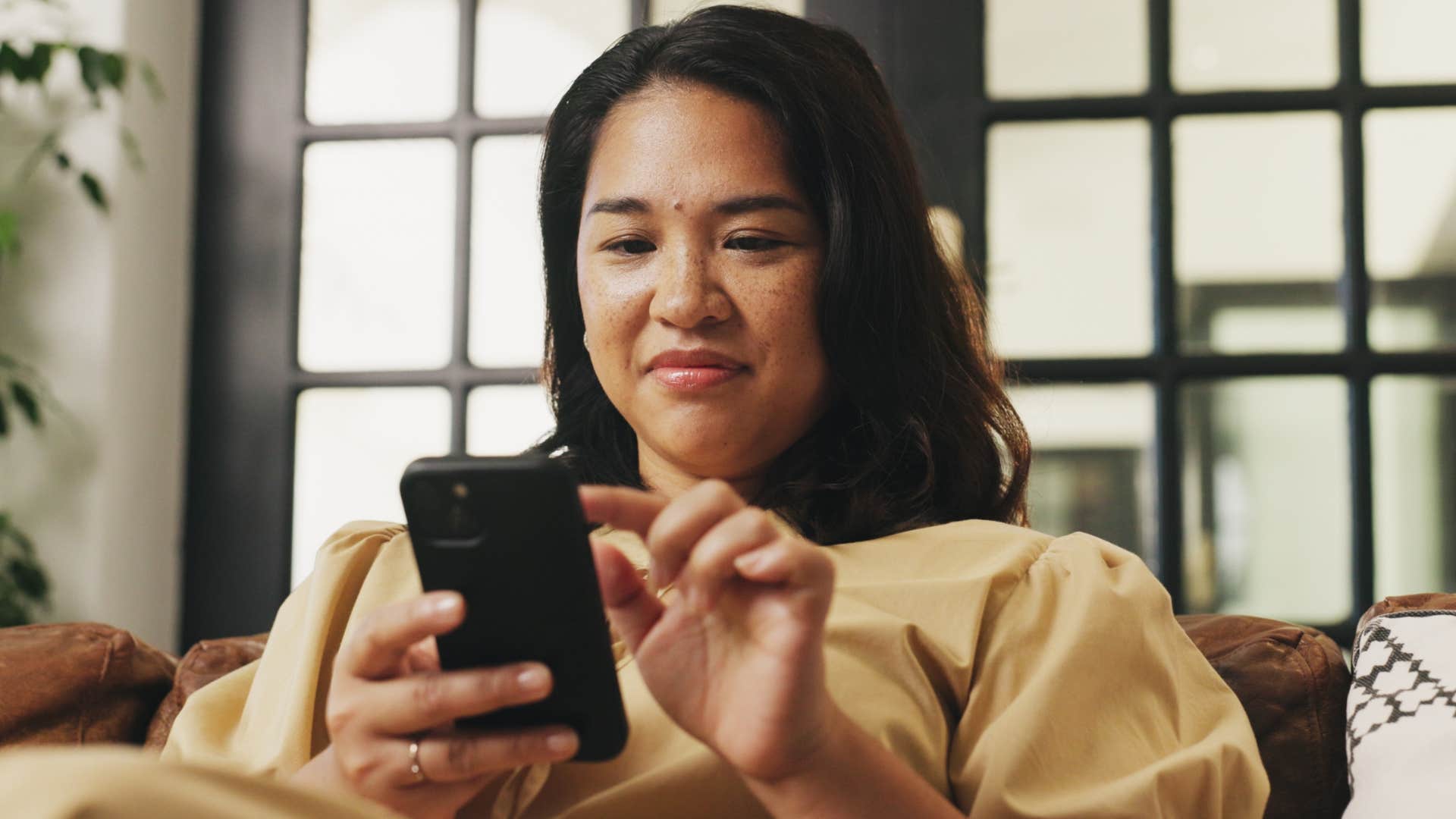
Whether it’s emotional self-sufficiency, like being able to meet their needs and regulate their emotions, or a more literal independence with daily obligations and responsibilities, people who enjoy staying at home are comfortable with this space. They don’t need to rely on anyone else to craft a feeling of safety at home, because it comes directly from them and their routines.
Of course, as a Scientific Reports study suggests, a balance of alone time and socializing is healthy for everyone, but these people still get a lot of joy and meaning from spending time in their own company on a regular basis.
11. They know how to manage boredom
 phM2019 | Shutterstock
While some people immediately resort to leaving the house or spending time in social settings to “cure” their boredom, the truth is that they may just be uncomfortable with stillness, silence, or a lack of purpose through busyness.
However, people who enjoy spending time at home and feel comfortable with silence know how to manage boredom. Whether it’s choosing a hobby they love or resorting to a comfort show, they’re not afraid to linger in the occasional discomfort of boredom for the benefit of their emotional and mental health.
Zayda Slabbekoorn is a senior editorial strategist with a bachelor’s degree in social relations & policy and gender studies who focuses on psychology, relationships, self-help, and human interest stories.
