
People Who Are Far Too Genuine & Real For Modern Society Usually Have These 11 Specific Traits
 Jonatan Ivan Diakow | Shutterstock
 While there’s certainly goodness and kindness in our culture, there’s no disputing its flaws. From rising rates of narcissism and selfishness to a convenience culture that’s making people generally meaner, we’re existing in a “every man for himself” type of world without any large institutions or systems for promoting community and belonging.
However, there are certain types of people who are far too genuine and real for modern society that have certain specific, positive traits. They’re the hope for our culture to grow into something more unifying than divisive. The people who make us feel seen and important, rather than isolated and alone.
People who are far too genuine and real for modern society usually have these 11 specific traits
1. They’re not performative
 oneinchpunch | Shutterstock
When authenticity becomes performative, rather than genuine, a person’s “specialness” and self-concept are all forced. They’re more concerned with status in a society that tends to praise a certain, acceptable level of uniqueness — under limits that still exclude certain demographics and people — rather than truly being themselves without a filter.
However, the most authentic people aren’t putting on a mask or filtering themselves to be appeasing to others. These people are far too genuine and real for modern society and usually have specific traits like openness and thoughtfulness that allow them to make true connections with themselves and others.
2. They aren’t driven by material things, but by experiences
 Tint Media | Shutterstock
Many people who fall into consumerist mindsets or materialistic routines are more likely to sabotage mindfulness and secure attitudes in their lives, at least according to a 2022 study. They’re constantly living in pursuit of what’s “missing” from their lives and trying to chase an impossibly unattainable image through feeding into trends that make them more unhappy, unsettled, and stressed than the average person.
However, people who are far too genuine and real for modern society aren’t driven by material things — they’re driven by experiences. They care more about connecting with other people and growing on a personal level than acquiring a bunch of useless “stuff.”
3. They’re drained by superficiality
 PeopleImages | Shutterstock
According to a study from Psychological Science, deep conversations can actually instill a sense of meaning into relationships, much like self-disclosure promotes intimacy in long-term connections. However, if people are more interested in seeming “cool,” seeking validation and attention, and growing a huge network of friends, chances are they’re not having many intentional, deep conversations.
For people who are far too genuine and real for modern society, they’re not interested in small talk and superficiality; in fact, they’re easily drained by it. They appreciate intentionality and meaningful conversations with people who don’t care about following trends or seeking attention at every turn. They’re internally secure and assured enough to genuinely make space for someone else.
4. They don’t follow or chase after trends
 Arthur Bargan | Shutterstock
While some people chase after trends for a sense of belonging and purpose in their lives, people who are truly authentic and genuine in their identity don’t need material things and other consumerist trends to feel secure. They not only build their own communities in reality and outside of their phones, but they also don’t fall into social media comparison traps that prey on a sense of isolation and a lack of meaning.
Their personal sense of authenticity cultivates stronger interpersonal relationships, allowing them to steer clear of harmful trends and the need for screen time that isolated, insincere people lean on for support.
5. They seek true growth through discomfort
 PeopleImages | Shutterstock
People who are far too genuine and real for modern society usually have specific traits, like a desire for personal growth. They don’t care about challenging themselves with newness or trying things that they’re bad at to get better at them, even when these things are difficult and uncomfortable, for the sake of personal growth and learning.
Authentic leaders and people know what’s important to them, so they also know where to expend their energy. They’re careful with it and about spending it, so when learning opportunities and challenges arise that make sense for them, they’re not already too drained to make space for them.
6. They’re forgiving
 fast-stock | Shutterstock
According to a John’s Hopkins Medicine study, forgiveness is actually the key to safeguarding personal health and well-being. It’s not always about seeking out direct “closure” from someone and reintroducing negative people back into your life, but simply letting go of grudges and constraints that hold you back as a person.
While negative people in our society cling to their struggles to gain sympathy and feel like the victim all the time, truly genuine and authentic people are usually naturally forgiving people. They don’t let other people’s actions affect their sense of stability, so they’re not afraid to give grace.
7. They appreciate being alone
 Stocklite | Shutterstock
Despite largely being misunderstood in our current culture and society, alone time is actually better for you than people suggest. Without balance and boundaries, it can cause a sense of loneliness, but in moderation, especially for introverts who need this time to recharge their social batteries, it’s powerful for health and wellness.
People who are far too genuine and real for modern society usually have these specific traits. They appreciate crafting alone time and hobbies that feed into their genuine identity, saving social time for meaningful relationships and deep conversations when they do get out of the house.
8. They’re not driven by a desire to ‘win’
 Synergic Works OU | Shutterstock
Especially in conflicts and conversations with people they love and feel close to, genuine people aren’t competitive or trying to “win.” They’re more interested in fostering a sense of understanding and connection than winning.
However, many people who derive a sense of comfort from being “superior” to others, like natural narcissists, are more interested in making people feel smaller and inferior by “winning” in conflicts and arguments. They care about making themselves feel correct and right rather than finding a compromise with someone they love or resolving an issue together.
9. They’re ‘old souls’
 Andrii Kobryn | Shutterstock
People often characterized as “old souls” have a greater capacity for empathy, crave truly meaningful connections, and value experiences over material things.
They’re sentimental with the keepsakes and things they do have in their possession, but don’t feed into consumerism to follow trends or have the “next best thing.” Compared to the average person playing the game of consumerism and greed in today’s society, they’re a stark, genuine contrast.
10. They crave simplicity
 Miljan Zivkovic | Shutterstock
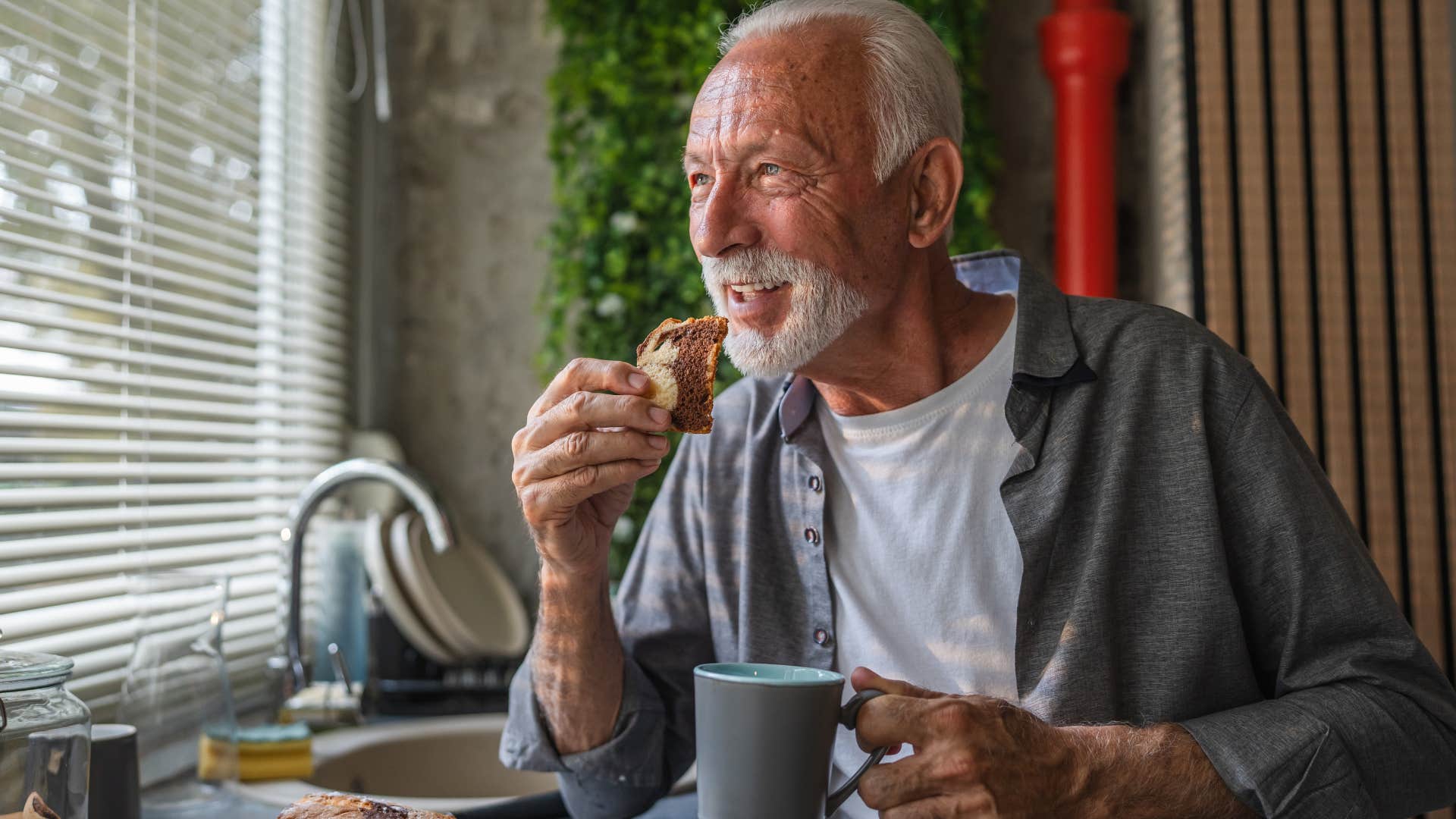
Rather than overcomplicating things to seem “important” or making their lives unnecessarily urgent all the time, people who are far too genuine and real for modern society usually have specific traits like simplicity that add to their value and mindfulness in daily routines.
As therapist Louise Taylor suggests, the key to living a happy life is to craft more simplicity, especially in our modern culture that’s driven by “hustle” and constant productivity. While their counterparts chase after things, cultivate stress in their routines, and overwork themselves toward burnout, these kinds of people chase mindfulness in ways that allow them to slow down.
11. They’re mindful of social media usage
 PeopleImages | Shutterstock.com
Many people who spend more time on social media are at risk for more anxiety and depression, largely because algorithms and trends encourage a sense of inauthenticity and performance.
However, people who are too genuine and real for modern society often set strong boundaries with social media and their online presence, balancing online communities and entertainment with true social connections in reality and a sense of personhood built through genuine hobbies and daily habits.
They’re not chasing after praise or validation online, but using it as a tool to truly connect with others and grow on a personal level. They know how to step away, especially when they’re driven toward social comparison and feeding into trends.
Zayda Slabbekoorn is a senior editorial strategist with a bachelor’s degree in social relations & policy and gender studies who focuses on psychology, relationships, self-help, and human interest stories.
