
10 Pretty Common Ways People Accidentally Make Their Dogs Less Affectionate
 CL Shebley | Shutterstock
 While affection is somewhat of a personality trait amongst many dog breeds, with some enjoying cuddles from their owners more than others, their experiences and development with owners are usually more influential.
Some owners cultivate healthy boundaries and discipline styles that protect their close, affectionate bonds with their dogs at home, but there are also a handful of pretty common ways people accidentally make their dogs less affectionate. From interrupting their space for calmness and even overstimulating them at home, the reason their dogs don’t always enjoy their company stems from mindless attempts at “training” or even cuddling too often.
Here are 10 pretty common ways people accidentally make their dogs less affectionate
1. They interrupt their peaceful time
 Hananeko_Studio | Shutterstock
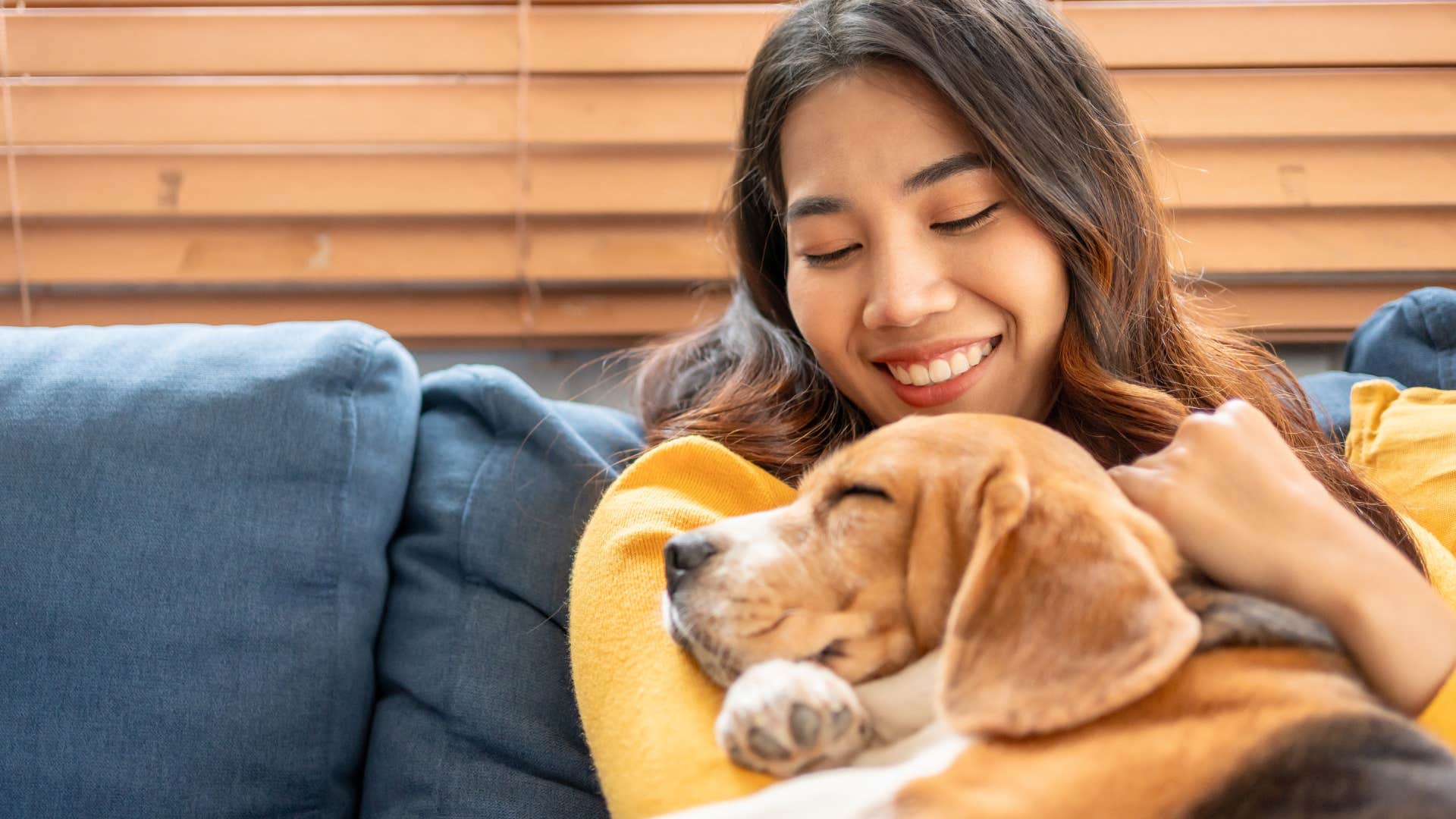
According to dog trainer Victoria Smith, when owners overstimulate their dogs by interrupting calmness and peaceful time, overstepping physical boundaries, and giving them too much praise, they can ironically make them less affectionate. They avoid their owner when they want peace, instead of seeking them out to be calm in the same room.
So, if your dog is taking a nap or lounging around the house, resist the urge to remind them how cute they are with cuddles and love. Admire from afar, at least if you want them to stay calm, peaceful, and affectionate in your presence.
2. They ignore their request for attention
 PeterPike | Shutterstock
When you ignore a pet, specifically a dog, it’s usually a cue that you don’t like their behavior. It’s a “punishment” tactic for bad behaviors, but if you’re also ignoring them when they’re requesting positive attention, praise, or affection, it could stop them from reaching out as often.
If they’re less affectionate, they may not be certain that their requests for love will be met or reciprocated by their owner. So, if they’re calm, initiating positive touch, or making peaceful eye contact around you, give them a little bit of affection and praise their good behavior, because it can make the relationship closer.
3. They punish them for too many things
 Sjale | Shutterstock
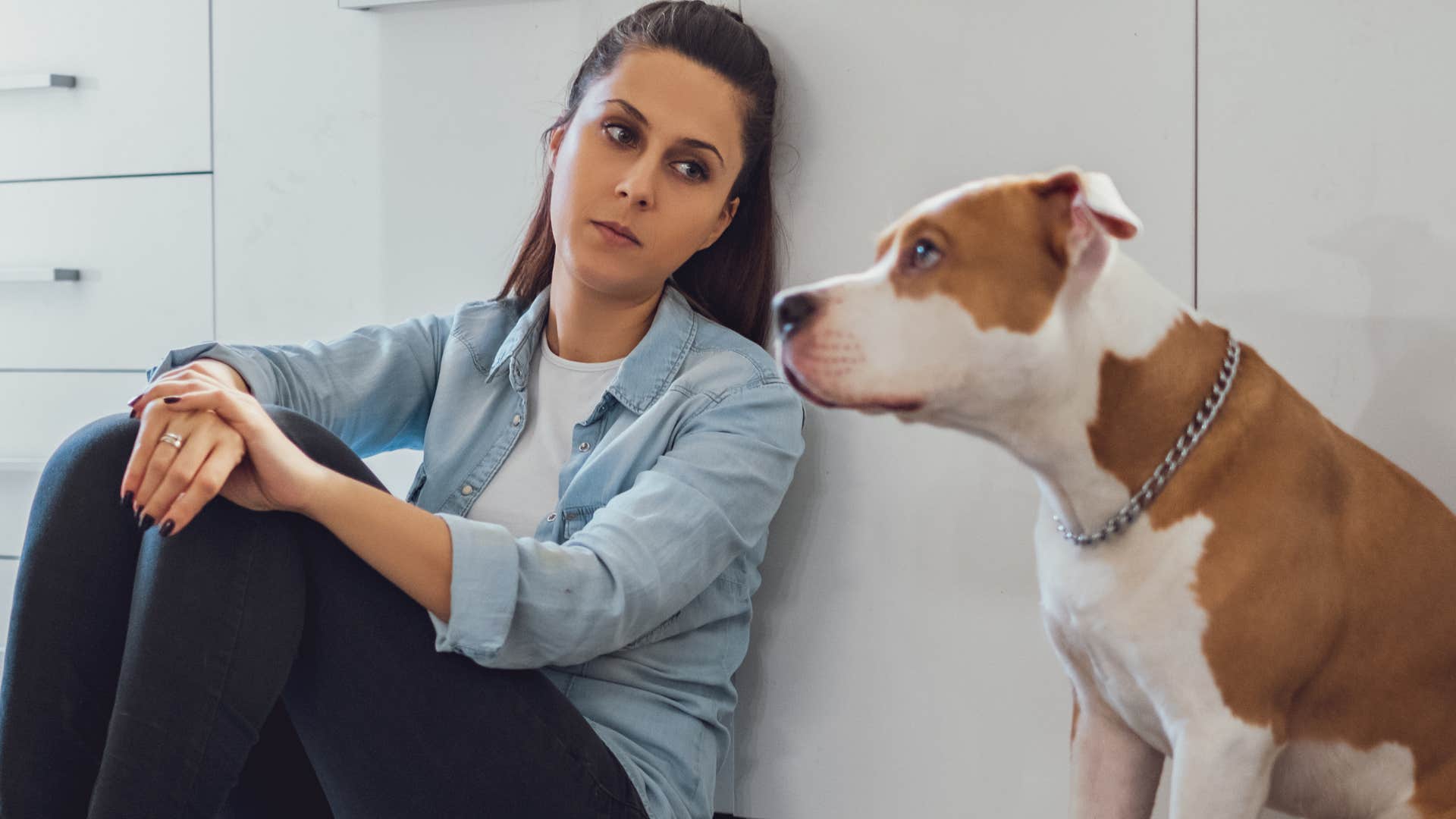
While disciplining pets and dogs, much like children, has positive outcomes for their overall development, when they’re too harsh, they can have the opposite effect. According to animal behavior management expert Karolina Westlund, too harsh a punishment for dogs can actually spark apathy, aggressive behaviors, and anxiety.
If your dog is becoming less loving and affectionate, it could be because you’re not using discipline intentionally enough. If you need to correct behavior, use ignoring tactics in the moment, rather than a minute later, and make sure to actually shift behavior with training, instead of assuming they’ll know what to do instead.
4. They don’t provide a lot of structure at home
 sophiecat | Shutterstock
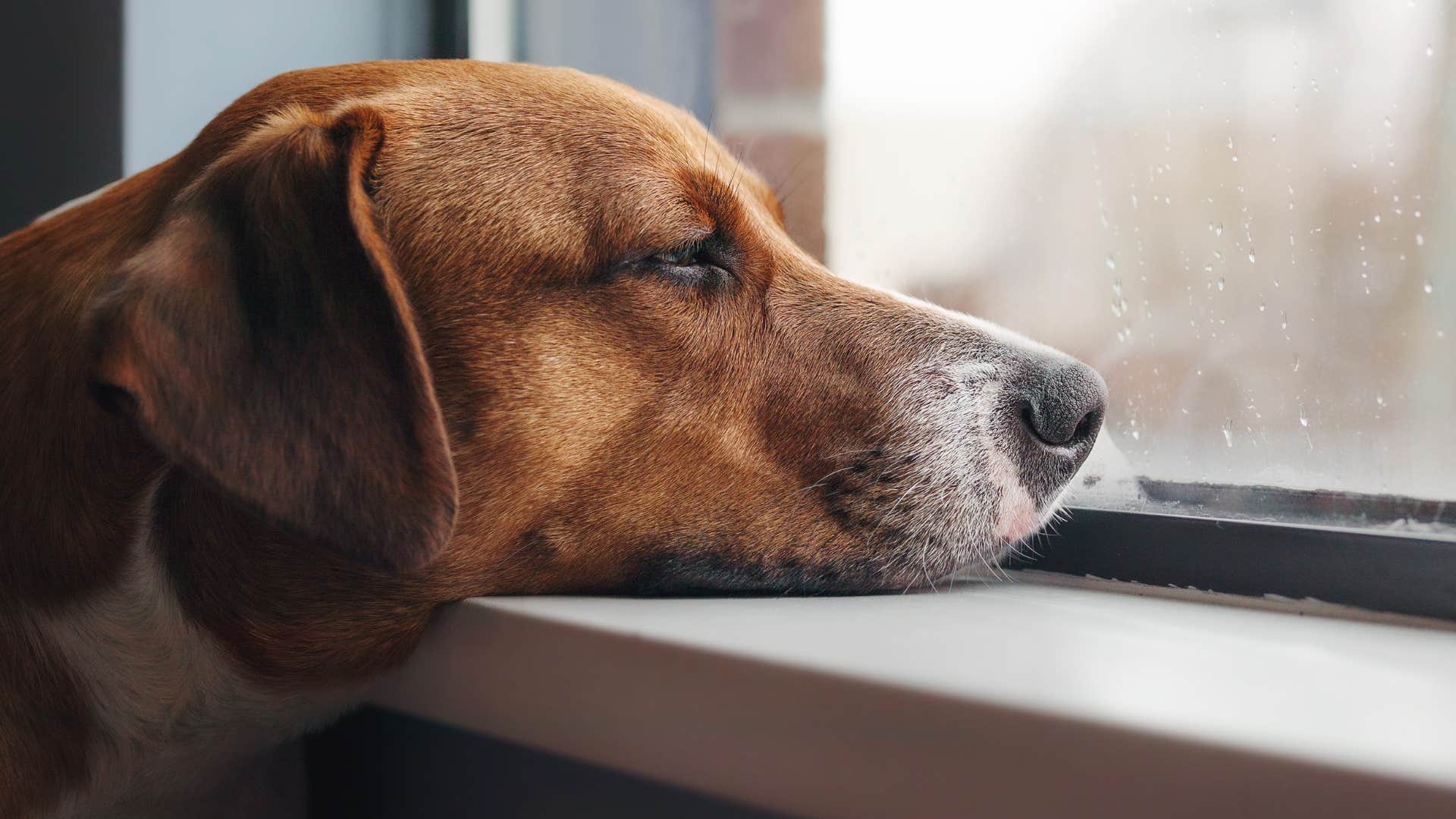
When a dog doesn’t have a routine or the structure to create a predictable life, they can often resort to undesirable behaviors. Whether that’s less affection or even aggressive behaviors, an owner’s lack of quality time with pets or routine can sabotage their dogs’ behavior, even if they’re usually the ones blamed for it.
If you’re not regularly giving space for your dog to play and exercise or switching up your own routine every single day without considering consistently for your dog, there’s a chance their avoidance of you stems from that uncertainty.
5. They struggle to learn their dog’s cues
 AYO Production | Shutterstock
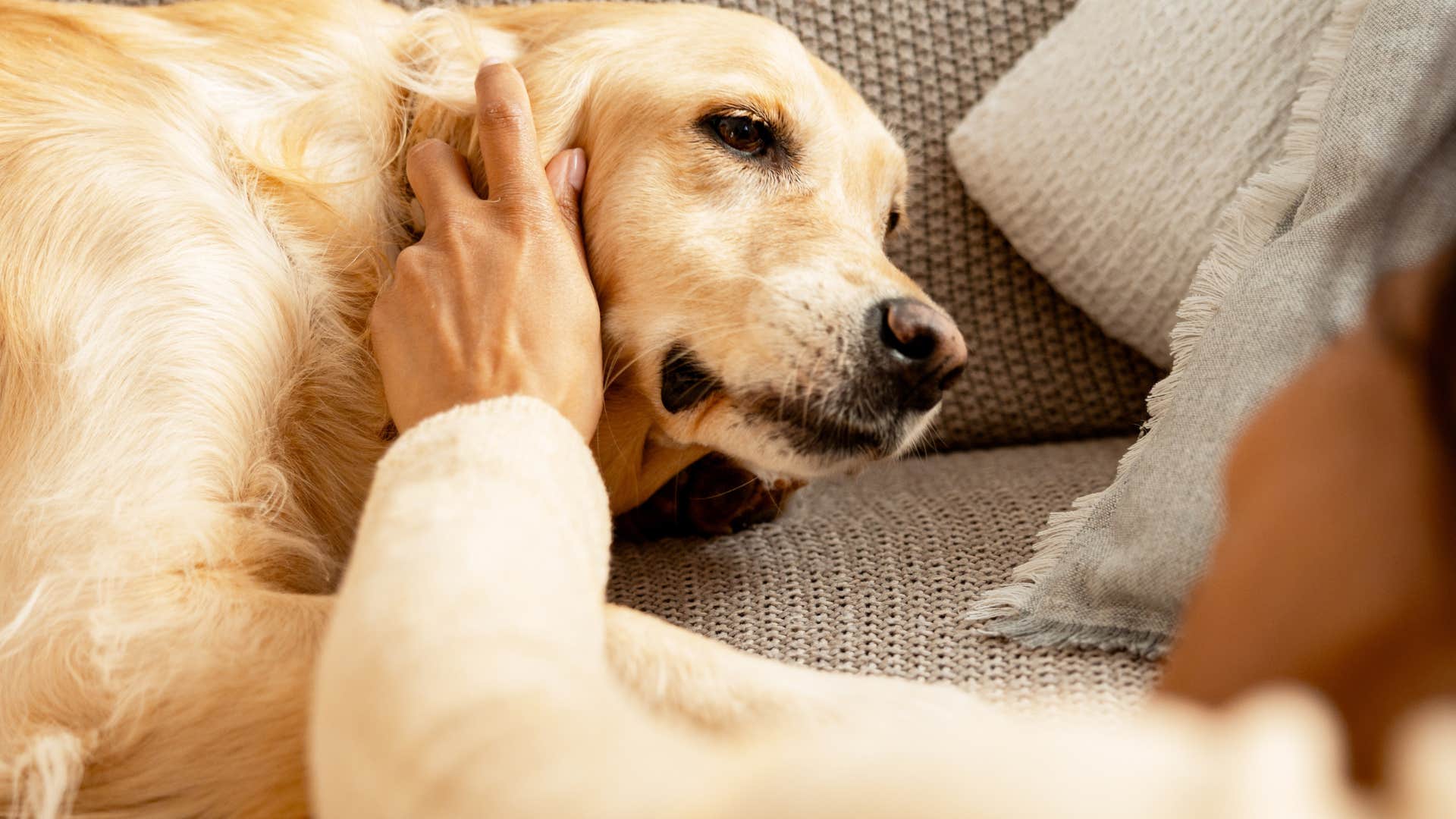
Most people are not great at reading their animal’s body language at home, but some pet owners have invested a lot of time, training, and research into strengthening their relationships. However, for someone who doesn’t understand communication with their dog or misperceives their behaviors entirely, it may be harder for everyone to lean into affection.
Especially when a dog feels like their boundaries are overstepped or their needs aren’t met in some way, affection with their owner is the last thing on their mind.
6. They don’t play enough
 anatoliy_gleb | Shutterstock
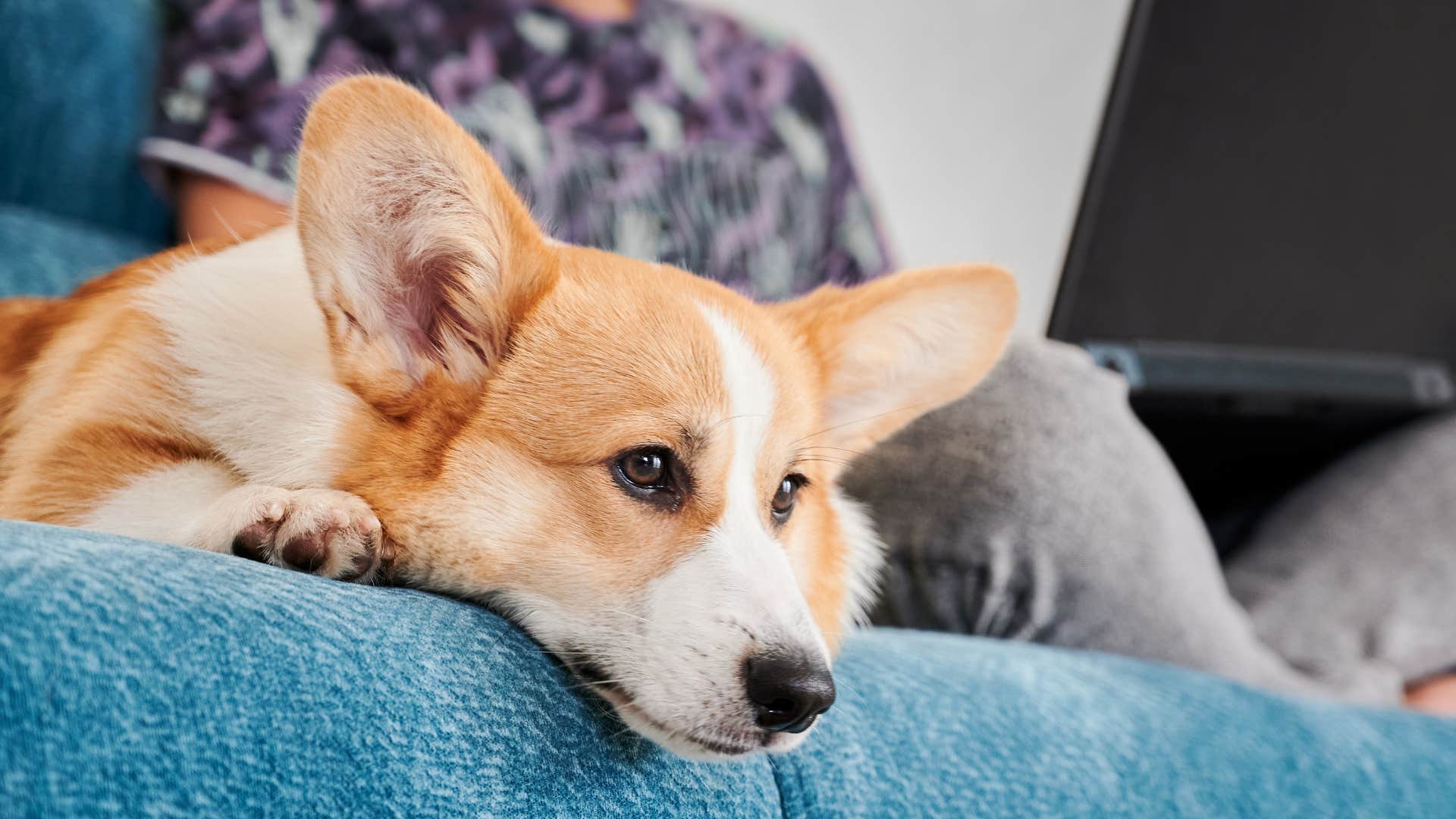
Casual play and fun at home are often the primary bonders in pet-owner relationships. The more time an owner spends carving out space for fun with their dogs, the more likely they are to boast a strong relationship together.
However, if an owner is working long hours or avoiding play as their dog gets older, they may be missing out on the bond their dog needs to feel safe enough for affection.
7. They condemn them for being excited
 josera | Shutterstock
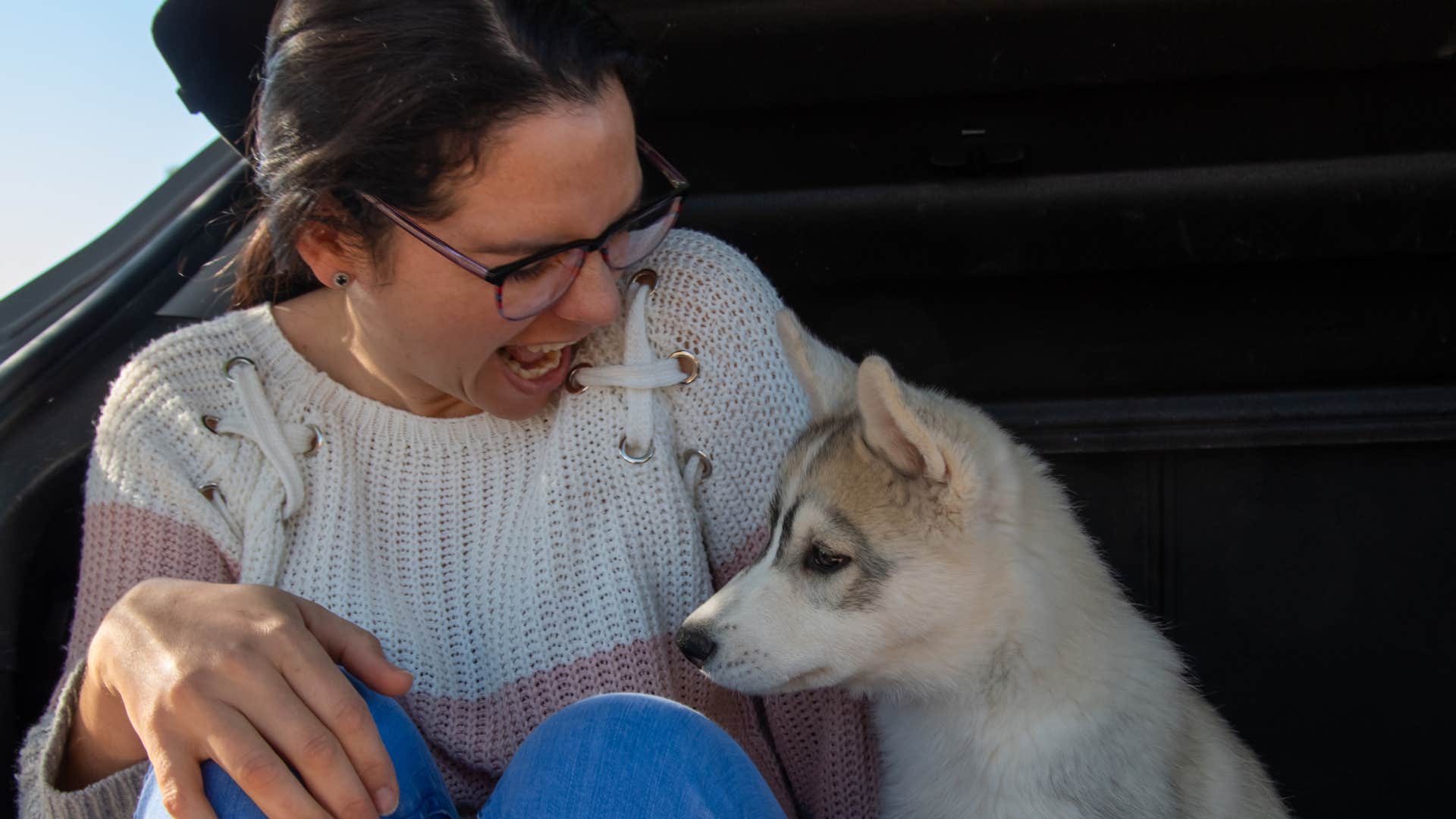
If every single time you come home or spend time with your dog, they’re incredibly happy and excited to see you, that’s probably a sign that you have a strong relationship. However, if an owner scolds or condemns their dog for being excited, that only punishes their animal for trying to seek out affection.
Of course, it’s important to set boundaries and correct a dog's behavior, especially if their excitement means jumping on you or being a little bit crazy. But if their happiness is always condemned, there’s a chance they’ll start avoiding affection altogether.
8. They want too much control
 Momentum studio | Shutterstock
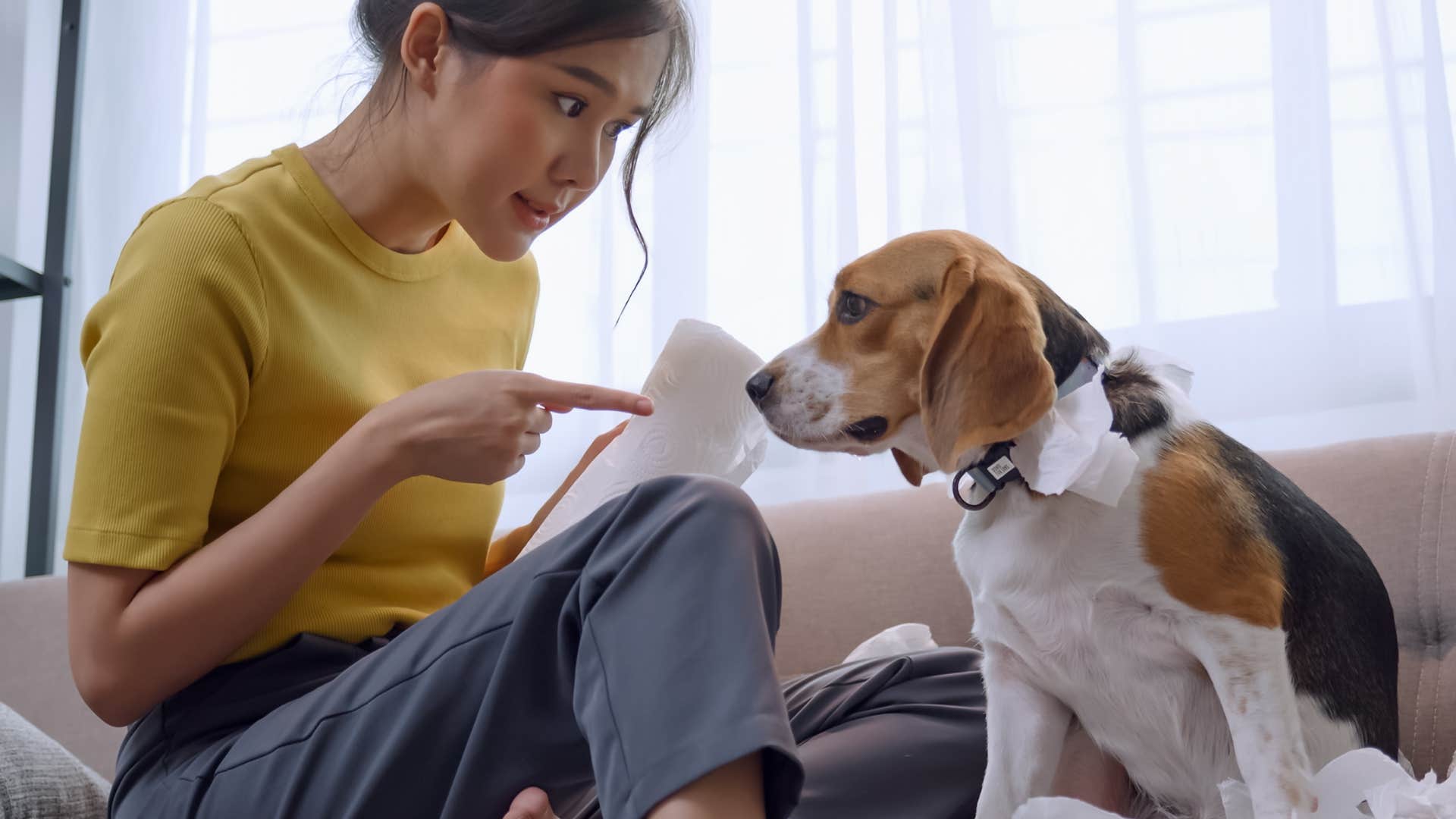
One of the primary reasons why we tend to collectively like dogs more than cats in our society is that dog owners want more control. They believe that they’re the “owners” and “masters” of their pets, rather than cat owners, who tend to offer more autonomy to their pets.
However, too much control and an incredibly rigid routine can often mold a less affectionate animal. Certainty and structure are good, but harsh punishments and unrealistic expectations for a dog can often lead to a much less warm, fragmented relationship.
9. They bring them to overwhelming environments without protection
 Ivan Moreno sI | Shutterstock
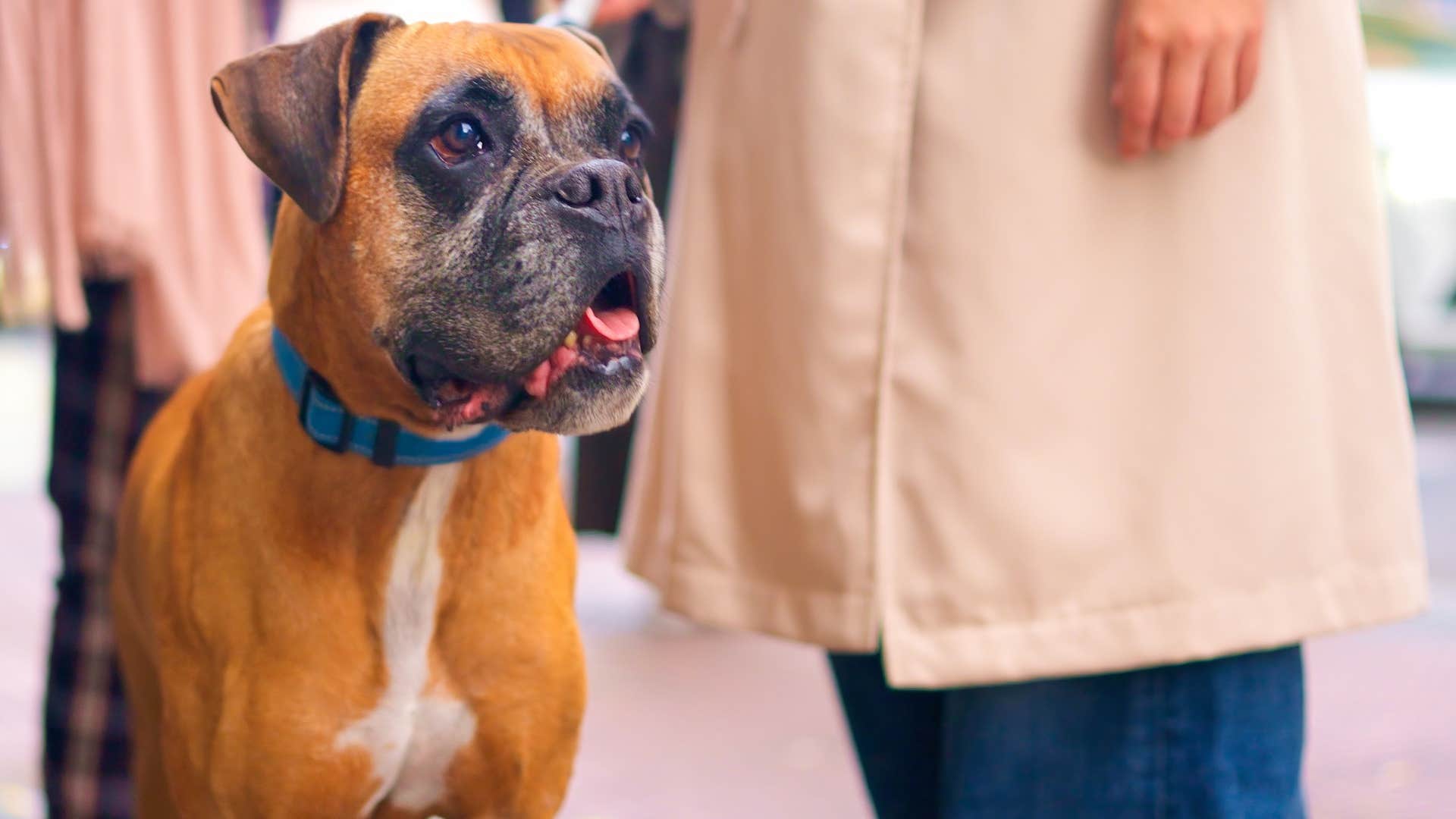
Especially in crowded, busy areas like a dog park, animals can get easily overstimulated, with excitable behaviors that linger in the days after they’ve returned home. Especially for dogs who don’t feel a safe space with their owners to fully relax or feel protected in these environments, the chaos they feel inside in these spaces, and when they return home, can sabotage affection.
They need to feel like, regardless of the environment they’re in, their owner will protect them, not the other way around. So, if you notice your dog is more stoic or anxious when you return home, rather than affectionate, it might be time to switch up your routine or training.
10. They don’t build trust
 Pic Media Aus | Shutterstock
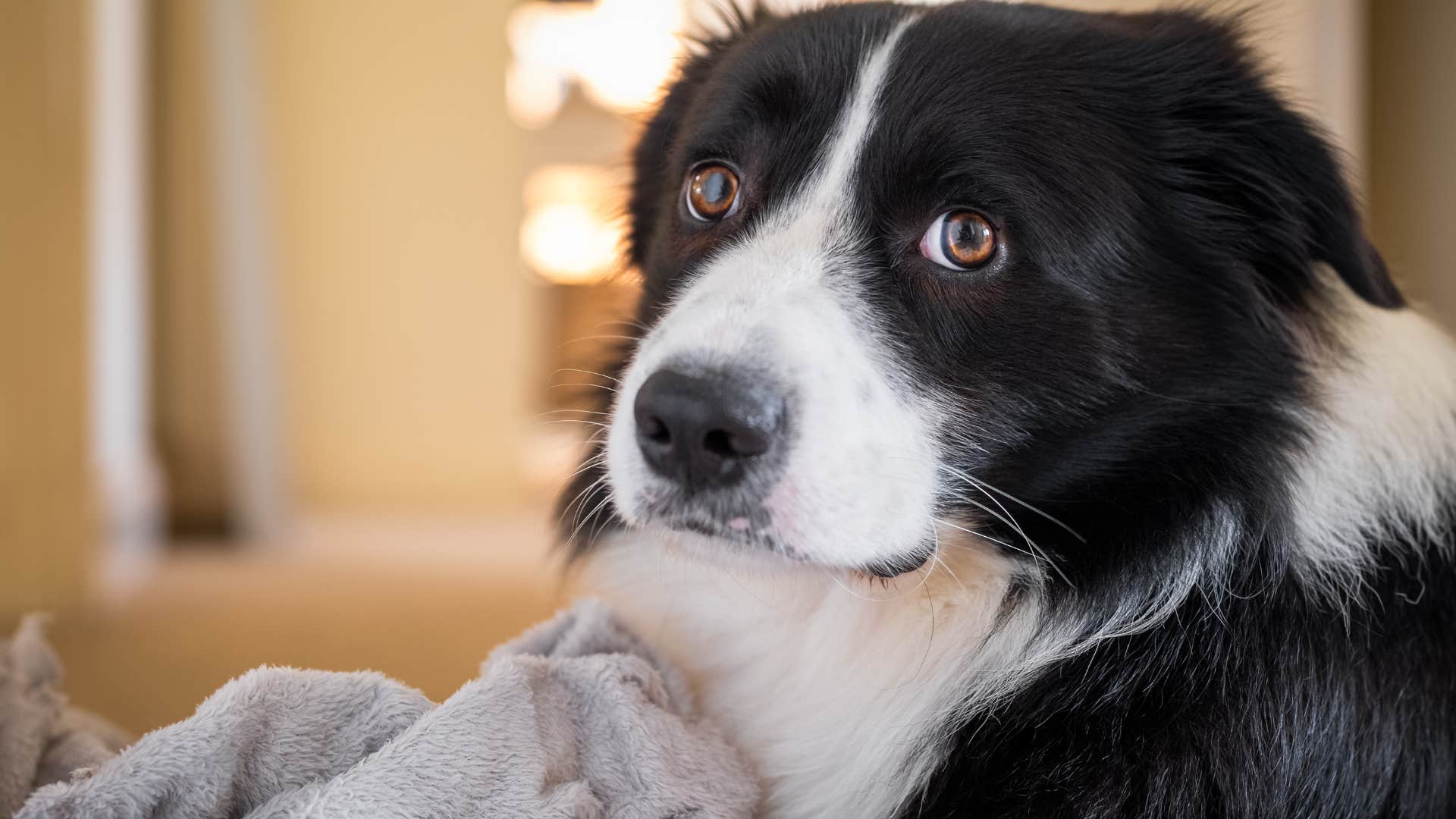
Building trust with a pet is an incredibly important, yet unique experience for dog owners to prioritize. From building a routine, showing up consistently for your dog, and even crafting a safe space where they can fully unwind, these are all important for showing respect and building trust.
If they don’t feel safe and secure in your presence, they won’t trust you. If they don’t trust you, they’ll always be on the defensive, taking on anxiety, rather than affection.
Zayda Slabbekoorn is a senior editorial strategist with a bachelor’s degree in social relations & policy and gender studies who focuses on psychology, relationships, self-help, and human interest stories.
