
Gen X Women Who Were Excluded A Lot Growing Up Usually Have These 11 Rare Traits As Adults
 Nadino / Shutterstock
 Gen X women grew up during a time when social hierarchies in school could feel rigid and unforgiving. Long before conversations about bullying, emotional safety, or inclusion became common, many girls simply learned to navigate exclusion quietly. Being left out of friend groups, overlooked socially, or treated like the different one was often something they handled privately, without much adult intervention or language to describe what they were experiencing.
While those experiences could be painful at the time, they often shaped how these women see the world as adults in surprising ways. Early experiences with exclusion can lead people to develop deeper empathy, stronger independence, and a more nuanced understanding of others. As a result, Gen X women who spent time on the social margins growing up frequently carry a set of rare strengths that others may not immediately recognize.
Gen X women who were excluded a lot growing up usually have these 11 rare traits as adults
1. They’re wildly resilient
 insta_photos | Shutterstock.com
According to a study published in Frontiers in Psychiatry, we often build resilience from adversity. While this fact of life might be widely understood and acknowledged, that doesn’t necessarily mean that it’s easy to accept or comforting whilst coping with the chaos of social isolation and pain.
Gen X women struggled with loneliness and shame, of course, but as adults, they have the perspective of all those challenging times and emotions to guide them into something better today.
2. They’re comfortable with their own company
 yourphotopie | Shutterstock.com
While solitude and alone time are misunderstood in our culture that rewards extraversion, the truth is that spending time in our own company and being comfortable with silence are true superpowers. Not only do they tend to improve self-awareness, but they also offer space for intentional reflection and regulation.
Gen X women who struggled to find their people, community, and place growing up likely spent most of their time alone. Or, at the very least, felt lonely in groups of people. While growing into their unique authenticity might’ve been a struggle, they’re at least comfortable in their own company now.
3. They only make space for truly healthy, authentic friendships
 PeopleImages | Shutterstock.com
For people who’ve learned how to exist on their own, wasting energy on people and superficial interactions that don’t serve them is not on their radar. They’re comfortable in their own company and rarely waste it on people and things that don’t deserve their effort.
Having spent their childhood searching for answers in others and trying to pick apart how others interacted with them, they also notice superficiality and fakery immediately, which helps them protect their energy as adults.
4. They’re socially aware
 Migma__Agency | Shutterstock.com
Social awareness often stems from emotional intelligence, or the ability to regulate emotions in conversations and interactions, and to be observant of the energy existing around a person.
For Gen X women who’ve spent their lives feeling left out and excluded, observation and awareness came naturally. Whether it was constantly searching for nonverbal cues and attention in the people around them or picking apart someone’s perception of them in a conversation, they’re observant, sometimes to a fault.
As adults, this socially aware trait is rare, especially in our society that’s growing more selfish and narcissistic every single day. They simply notice and often act on what they notice in a thoughtful, empathetic way.
5. They’re incredibly empathetic
 WHYFRAME | Shutterstock.com
As social psychologist Megan Shen explains, struggling and hardship can be disorienting and incredibly destabilizing, but in the end, many people actually reap resilience and empathy from going through them.
Especially when they’re around big groups of people, these women know immediately when someone’s being talked over or excluded. They put themselves in a lot of people’s shoes and empathize with everyone, but especially those going through what they’ve spent their lives grappling with.
They make space for people who are usually overlooked, make eye contact intentionally, and listen, even if everyone else in the group is caught up in status, attention, and validation.
6. They appreciate being different
 Lightfield Studios | Shutterstock.com
Even though they’ve spent their entire lives being shunned or shamed by others for living authentically, the benefit of social pain is that it often leads to authenticity, self-acceptance, and resilience on the other side. At some point, these misunderstood Gen X women had to accept themselves to move forward, without attention or validation from anyone.
Especially as today’s social norms shift to embrace individuality and uniqueness, they’ve likely found their place, even if they’re still working to find their people. They appreciate being different, instead of loathing it about themselves or trying to lean into conformity.
7. They’re loyal to their people
 Luis Rojas Estudio | Shutterstock.com
While feeling misunderstood can often cause feelings of stress, loneliness, and anxiety, according to a study published in the Journal of Social and Personal Relationships, it can also lead to a sense of resilience over time, especially for Gen X women who had the chance to grow up and into their uniquely personal identities.
They’re now resilient in the face of social pain and loneliness, allowing them to be picky about how they spend time with and where their energy goes. If they do have strong relationships and friendships, they’re for a good reason, which is why loyalty falls in naturally. They understand that respect, appreciation, and love are two-way streets, and if there’s effort, there’s a sense of loyalty by nature.
8. They’re deeply creative
 shurkin_son | Shutterstock.com
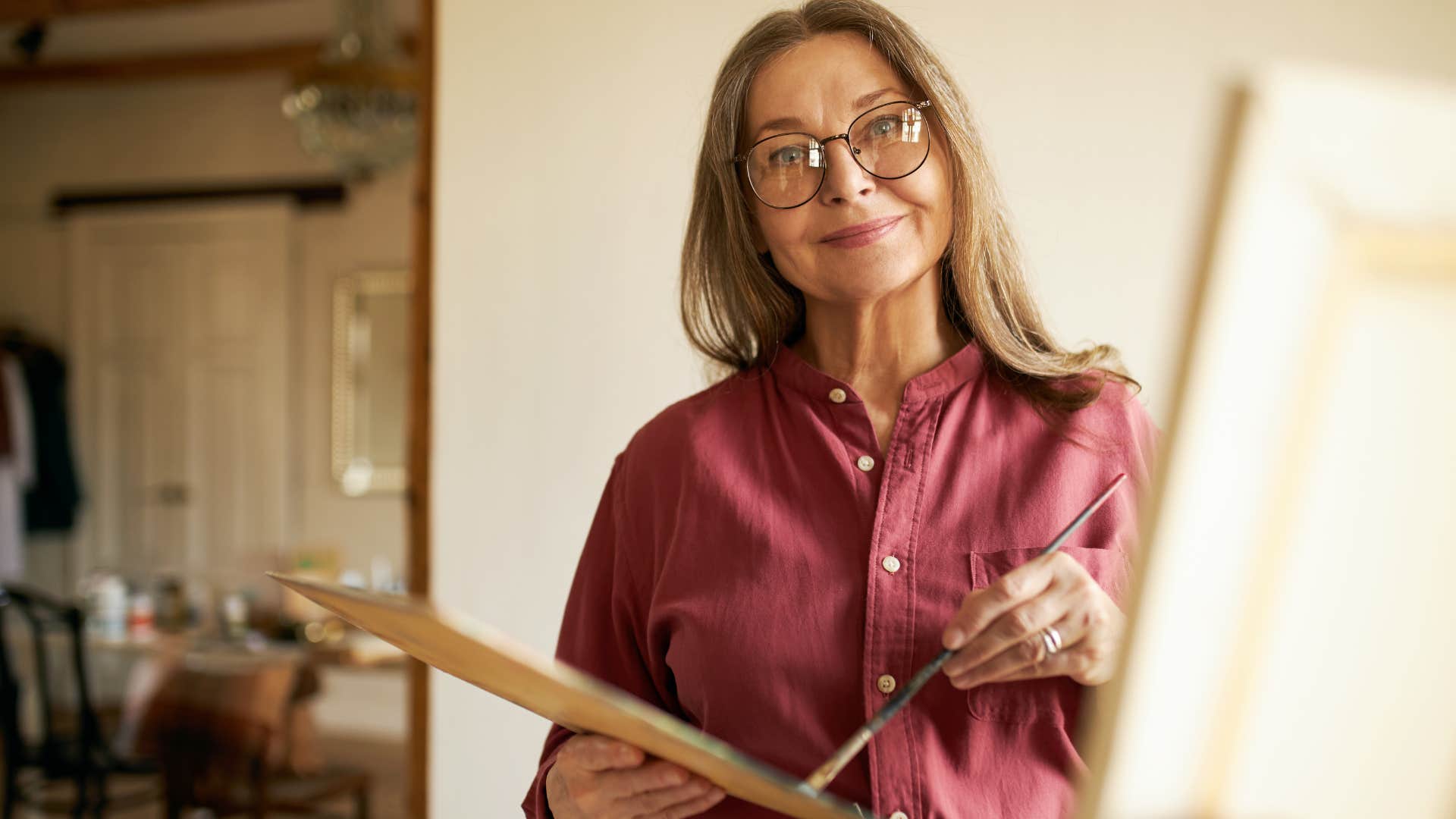
Considering deeply creative people often need idleness and alone time to truly thrive, it’s not surprising that Gen X women who were excluded a lot in life flexed this muscle. They spent most of their time alone, even when surrounded by a room full of people, and could think deeply and creatively without the pressure to perform.
Of course, with good friends and solid support systems today, they appreciate alone time without guilt or shame, making it even more impactful for deep, creative thinking.
9. They’re thoughtful communicators
 Chay_Tee | Shutterstock.com
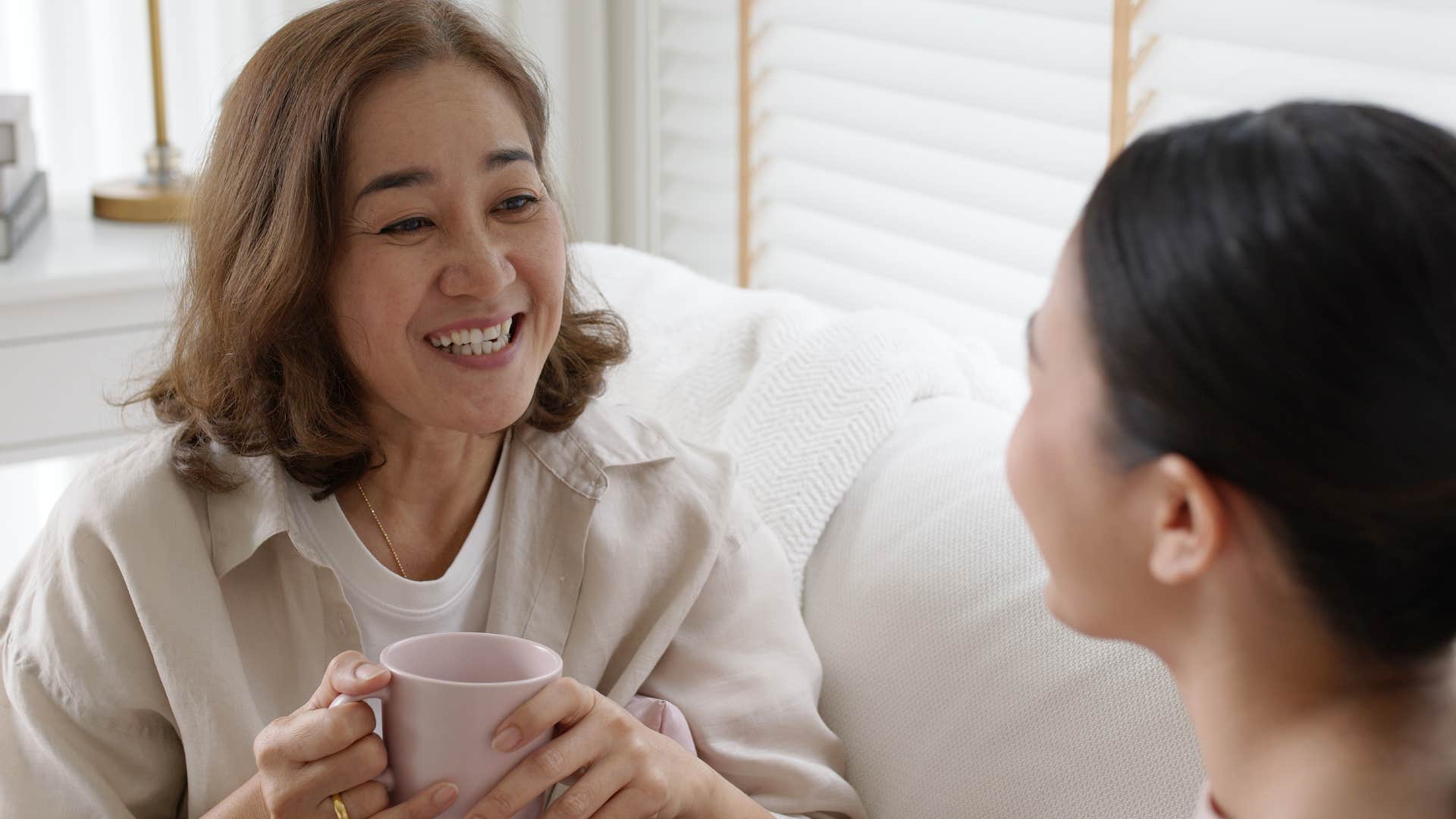
Forced to grow emotional regulation and personal self-esteem in their own time, without much assurance or validation from others, Gen X women who were excluded are now more thoughtful than ever. They lead with empathy in most interactions, because they know what it’s like to not feel seen or heard, but they’re also thoughtful with language.
Considering active listening is usually how they make people feel appreciated, when they choose to speak or ask questions, they come from the most authentic, thoughtful perspective.
10. They’re quietly strong and intentional
 PeopleImages | Shutterstock.com
It takes a quiet kind of strength to fight to be seen, especially as a child with parents and people you are supposed to be able to rely on. Many Gen X women who were often excluded growing up now have this rare trait as adults because they’re forced to cultivate a support system from the inside out.
While hardship and difficulty might have shaped this sense of strength and self-assuredness, the intentionality and identity they have now are superpowers. They don’t have to look to other people to feel seen anymore, because their authenticity attracts the people, things, and opportunities that are meant for them into their lives without much effort.
11. They’re curious
 Miljan Zivkovic | Shutterstock.com
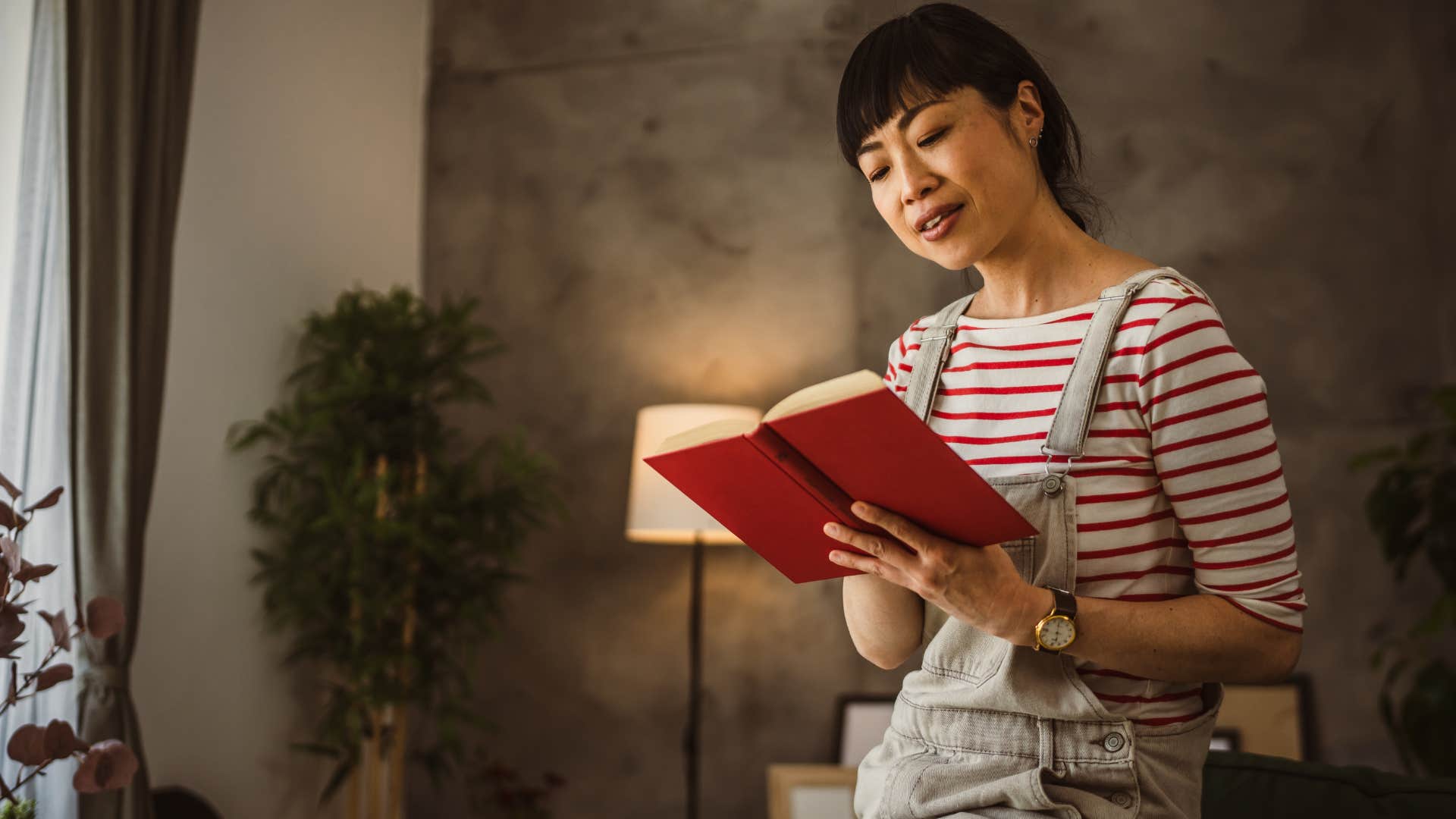
Whether it’s a curiosity about other people who are typically overlooked or a sense of ambition to create their own authenticity without worrying about how they’re perceived anymore, many Gen X women who were excluded growing up are naturally curious now.
It’s a part of the resilience and intelligence they were forced to grow into. Without other people around to guide their interests and shape their personalities, their alone time required a sense of personal curiosity about the world around them that they still appreciate today.
Zayda Slabbekoorn is a senior editorial strategist with a bachelor’s degree in social relations & policy and gender studies who focuses on psychology, relationships, self-help, and human interest stories.
