
People Who Felt Left Out As Kids Often Develop These 11 Quiet Traits As Adults
 WorldStockStudio | Shutterstock
 Being left out as a child never just stays in childhood. Even when the exclusion seemed subtle or unintentional, it can shape how someone learns to relate to others and how they see themselves as they grow older. Kids who felt excluded carry those early experiences into adulthood in ways that don’t always look obvious from the outside.
People who felt left out as kids often develop quiet emotional traits as adults. Patterns like anxiety, self-doubt, withdrawal, or hyper-independence that trace back to early social rejection. These traits are learned responses. Understanding them can help explain why certain situations still feel harder than they should, even years later.
People who felt left out as kids often develop these 11 quiet traits as adults:
1. You feel anxious in social situations
 PeopleImages.com - Yuri A. | Shutterstock
According to a developmental-behavioral study from 2017, peer rejection is an all-encompassing term defining "the many behaviors used by children to exclude and hurt one another, including overt forms of control and exclusion and more subtle tactics, such as gossiping and spreading rumors."
The study reported that around 10 to 15% of kids are rejected by their peers, and almost half of those kids are still rejected a year later. Additionally, 30% of excluded children stay excluded after 4 years.
The tactics kids use to exclude others can be overt or less obvious, yet both can lead to emotional damage. Kids who internalize the experience of being excluded often develop depression and anxiety.
Being excluded makes it hard for kids to find their place amidst the various cliques at school. Their sense of social isolation can build on itself to the point where even small interactions with peers feel fraught. It's not unusual for children who were excluded from school to have anxiety in adolescence and as adults.
Researchers from the study found that rejected children described themselves as more anxious than other kids, and that they expected to have more negative social outcomes.
2. You struggle to fully trust people
 Dima Berlin | Shutterstock
Sadly, peer rejection isn't the only kind of exclusionary behavior that kids experience. Sometimes, children can be excluded by their own family. Parental rejection can come as a physical or an emotional distancing, and the effects can be devastating to people's development.
When parents don't comfort, encourage, or show empathy to their kids, those kids can grow into adults who are scared of getting close to other people, because they weren't given the support they needed when they were young.
People who were excluded by their families can grow up to be hyper-independent. Their traumatic childhoods lead them to believe they're better off alone and that they don't need any help or affection from anyone else.
3. You doubt your own worth
 Motortion Films | Shutterstock
Even when exclusion isn't purposeful or intended to cause harm, it can ripple out, impacting someone's sense of self.
Our level of confidence is related to our self-efficacy, i.e., whether we see ourselves as capable and resilient. Yet it's also affected by our interpretation of how others see us.
If you were often excluded as a child or teenager, it's likely that you have a low sense of self-esteem. Not believing in yourself can make it hard to make friends and feel as though you belong. It can also affect your professional performance, in that you might doubt your abilities and the quality of your performance.
In contrast, a neuroscience study from 2015 found that people who are included by peers gain an increased level of confidence and sense of competence. The more accepted we feel, the more likely we are to see ourselves as worthy of love and care.
4. You feel lonely even when you're not alone
 hugo_34 | Shutterstock
According to the same 2015 neuroscience study, kids who aren't socially accepted tend to feel lonelier than those who are. The study noted that even unintended exclusion can make people feel lonely.
Feeling excluded can arise from many social situations that go beyond the group dynamics of bullying. Someone might feel excluded after a divorce or breakup. People can feel excluded by their family members, which leads to a strong sense of isolation.
Loneliness has major consequences on our emotional and physical health as we grow older. In 2023, Surgeon General Dr. Vivek Murthy reported that being lonely can lead to major health problems. Not having strong social connections can increase the risk of heart disease, strokes, and dementia.
Feeling lonely is painful, but it isn't permanent. Making small efforts, like talking to the clerk at the grocery store or saying hi to our neighbors, can boost our sense of connection.
5. You have trouble sleeping
 fizkes | Shutterstock
According to an English study from "Psychological Medicine," being excluded can literally cause people to lose sleep. The study found that lonelier people were 24% more likely to be tired and have trouble concentrating during the day.
Researchers believe that at least one connection between sleep quality and loneliness has to do with people's stress response systems. They referred to past research positing that being lonely causes changes in cortisol, a stress hormone.
Professor Louise Arseneault, an author of the study, declared that "Diminished sleep quality is one of the many ways in which loneliness gets under the skin." She emphasized that negative thoughts and self-perceptions "can make loneliness a vicious cycle," which is one reason why getting into therapy can give people tools to stop their negative feedback loop from running on high.
6. You compare yourself to others
 Daniel M. Ernst | Shutterstock
Another indication that you were excluded as a child is that you tend to feel jealous of other people.
According to psychologist Dr. Lori Beth Bisbey, jealousy often arises when someone feels insecure. Feeling insecure is an entirely normal reaction to being excluded, because the act of being left out makes us question our value: Are we good enough? Are we lovable?
Dr. Bisbey shared that there are various ways to quell the bitter feeling of jealousy. Work on boosting your own confidence through affirmations, positive thinking, and recording everything you love about yourself. Practicing gratitude is another way to calm jealousy and focus on the good things we do have.
7. You pull away instead of speaking up
 MAYA LAB | Shutterstock
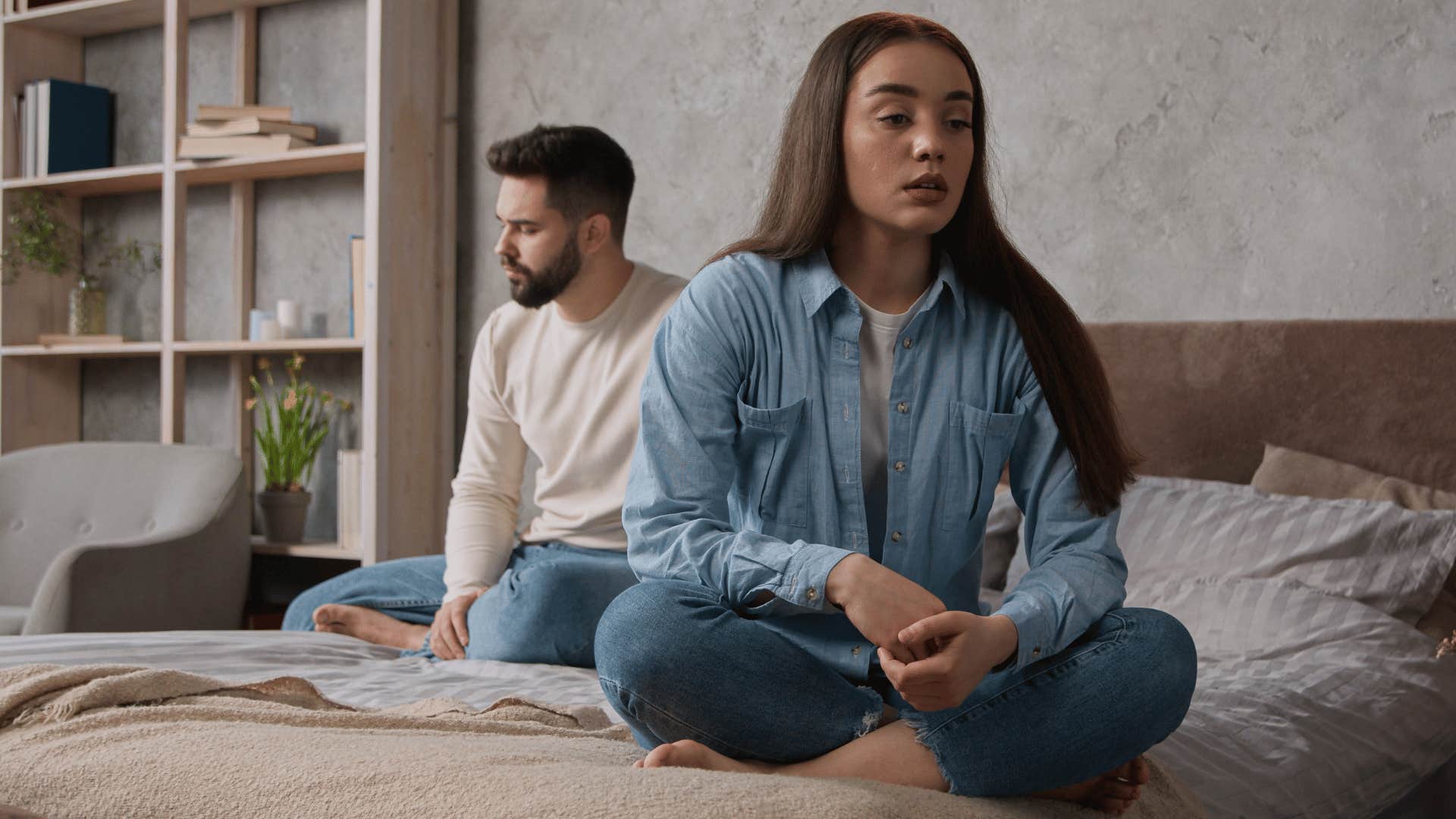
Oftentimes, being shy or introverted can make kids the target of exclusionary behavior. Their insularity tends to build on itself. They learn to withdraw from social situations to avoid being hurt.
A 2019 behavioral study noted that kids who experience peer rejection pull away from others over time, whether due to social anxiety or a low sense of self-worth. Kids who withdraw when faced with challenging situations are often adults who have an avoidant attachment style. They react to conflict by shutting down emotionally and distancing themselves from their partner.
8. You carry a lot of shame
 Perfect Wave | Shutterstock
Shame is one of those feelings that sneaks up on you and sticks around longer than you expect. When kids are rejected or left out, they don’t just feel hurt in the moment; they often start turning that pain inward. Instead of thinking, “That situation was unfair,” it can quietly turn into, “Something must be wrong with me.”
Researchers have found that repeated rejection can grow into shame, especially when someone feels judged as a person, not just left out of a group. Over time, that feeling can follow you into adulthood. You might replay old moments in your head, overanalyze social interactions, or feel embarrassed about parts of yourself you never chose in the first place.
The hardest part is that shame lies. Being excluded can make you feel flawed or unworthy, even though that was never true. Everyone has value, even the people who were overlooked, ignored, or made to feel invisible growing up.
9. You second-guess your abilities
 Evgeny Atamanenko | Shutterstock
A Canadian study titled "The Consequences of Childhood Peer Rejection" reported that kids who were excluded often struggled with academic performance as a result.
The study noted that kids who were rejected in kindergarten had trouble in school as they got older. Early peer rejection is also related to chronic absenteeism later on, along with less academic success in young adulthood.
While being excluded as a child can affect how you feel about yourself in adulthood, having a negative interpretation of your identity isn't written in stone. When people shift how they view themselves, they can gain a more positive outlook on life and how they fit into it.
10. You become extremely self-reliant
 Bricolage | Shutterstock
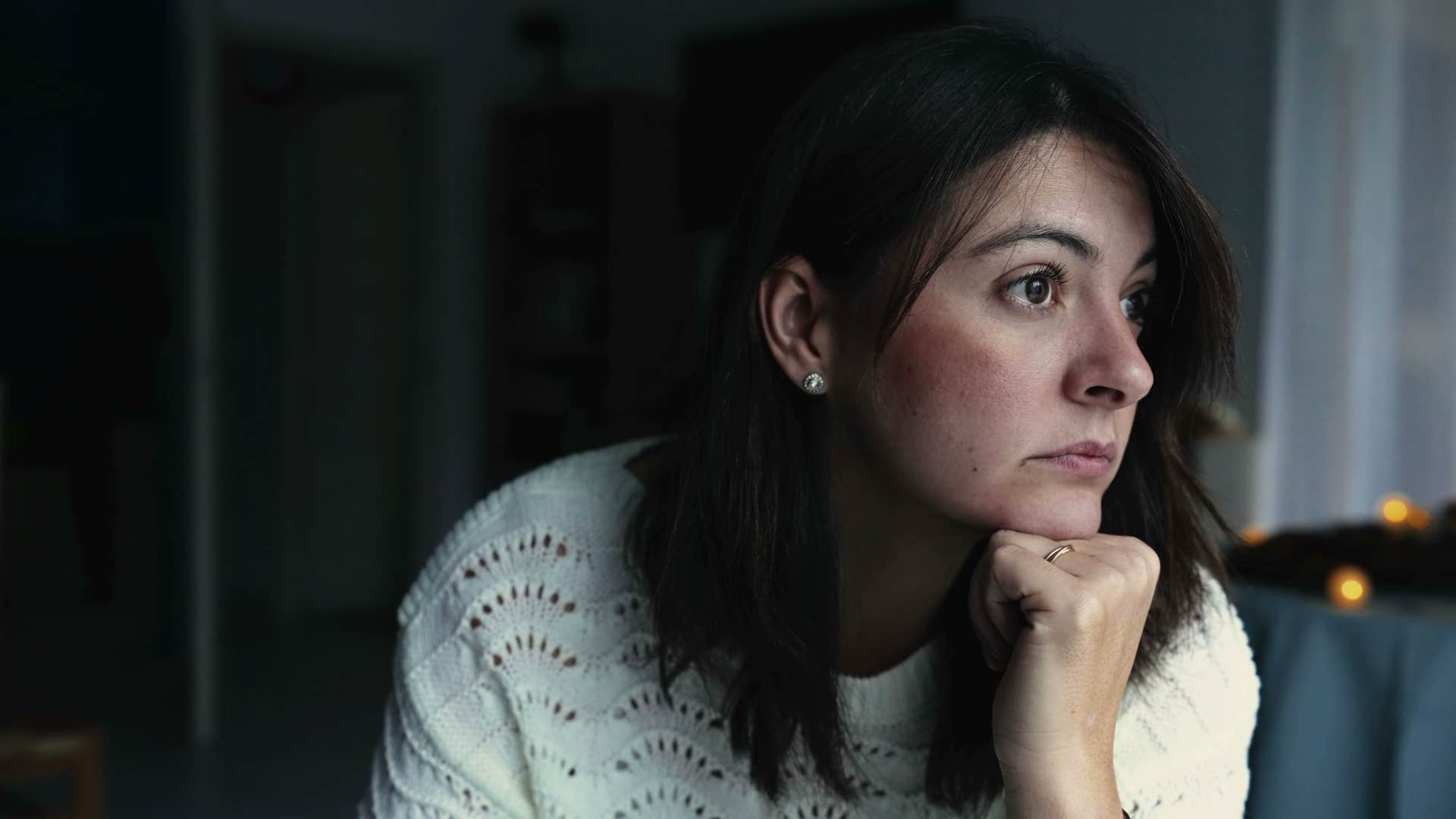
Relying on yourself feels safer than expecting support that might not come. Independence becomes a shield, not just a strength.
When you grow up feeling left out, you learn pretty fast that relying on other people can be a letdown. So you stop doing it. You figure things out on your own, handle problems yourself, and don’t expect much help, because expecting help used to end in disappointment.
As an adult, this looks like being very capable. You’re the one who gets things done, doesn’t ask for favors, rarely needs backup. People probably describe you as strong or independent. And you are. But a lot of that independence came from learning that it was safer not to need anyone.
The downside is that letting people show up for you can feel weird or uncomfortable. Even when someone offers help, you might brush it off or think you've got things handled. Depending on others doesn’t feel natural; not because you don’t want connection, but because you learned early on not to count on it.
11. You stay emotionally guarded
 Irene Miller | Shutterstock
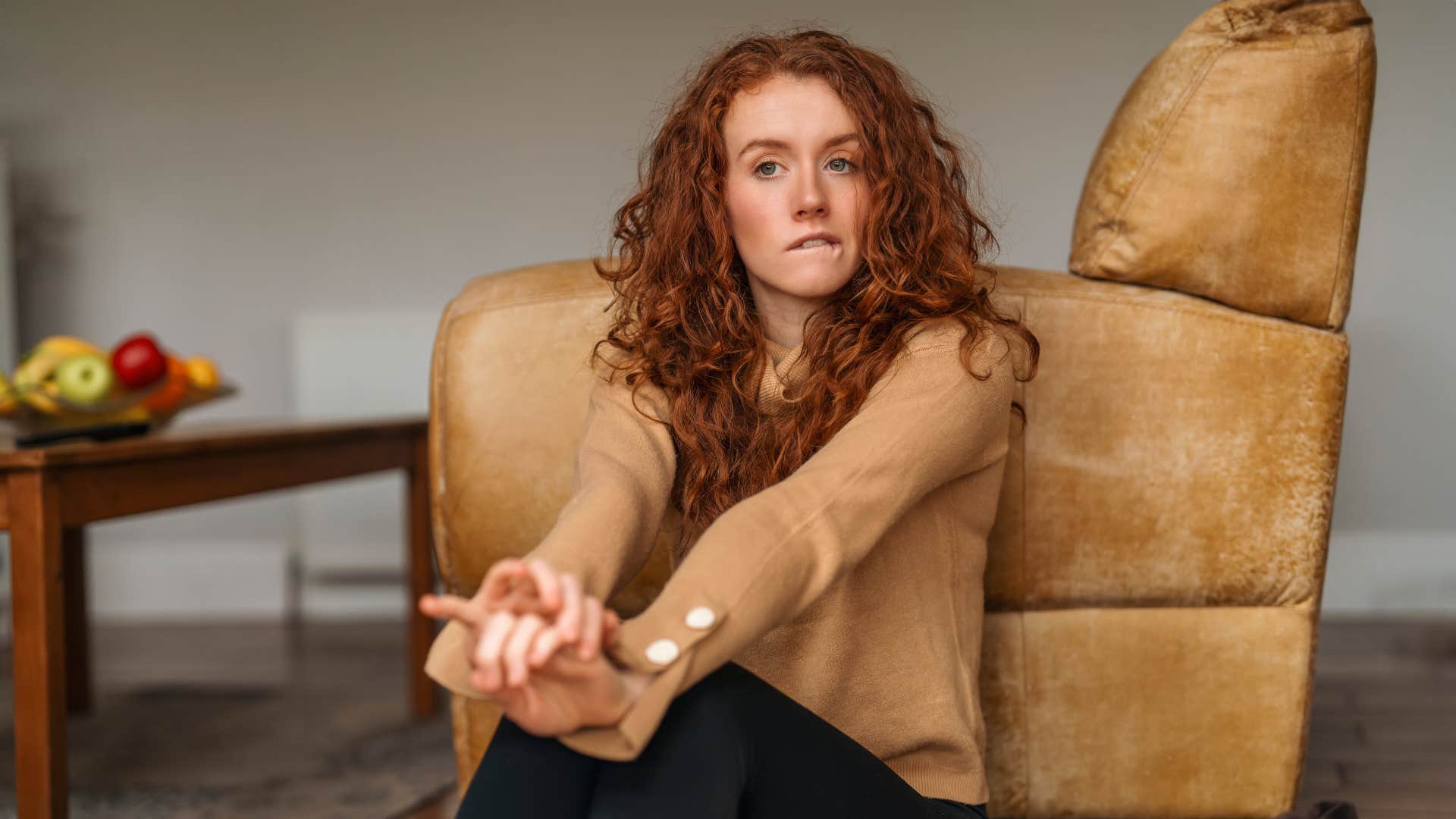
Letting people see the real you feels risky. You may share selectively, holding back until you’re absolutely sure it’s safe.
If opening up didn’t feel safe when you were younger, you probably learned to keep things to yourself. Sharing your feelings felt risky, especially if being honest didn’t lead to support or understanding. So you started holding back.
As an adult, you might open up slowly or only share parts of yourself. You test the waters. You watch how people react before you decide what to reveal. You don’t overshare; not because you’re cold, but because you’re careful.
The tricky part is that this can leave you feeling unseen. You might want a deeper connection, but still keep a wall up, just in case. Letting someone really know you feels like a gamble, and you’ve learned the hard way that not everyone handles that responsibility well.
Alexandra Blogier is a writer on YourTango's news and entertainment team. She covers social issues, pop culture analysis, and all things to do with the entertainment industry.
