
People Who Almost Always Sit With One Foot Tucked Under Them Usually Have These 11 Personality Traits
 ViDI Studio | Shutterstock
 While our body movements, facial expressions, and sitting positions are sometimes arbitrary and accidental, they sometimes do reveal things about our moods and personalities to other people. For example, people who almost always sit with one foot tucked under them usually have personality traits like creativity and nostalgia whirling around in their minds.
Experts do argue that this sitting position can cause more tension and pressure on your back, joints, and posture over time, but in the moment, these people often subconsciously find themselves there, until a leg that’s fallen asleep snaps them back into reality. We all have our quirks, but they’re sometimes more telling than we realize about how we’re feeling or what we’re prioritizing in our routines.
People who almost always sit with one foot tucked under them usually have these 11 personality traits
1. They hold a lot of tension in their bodies
 BongkarnGraphic | Shutterstock
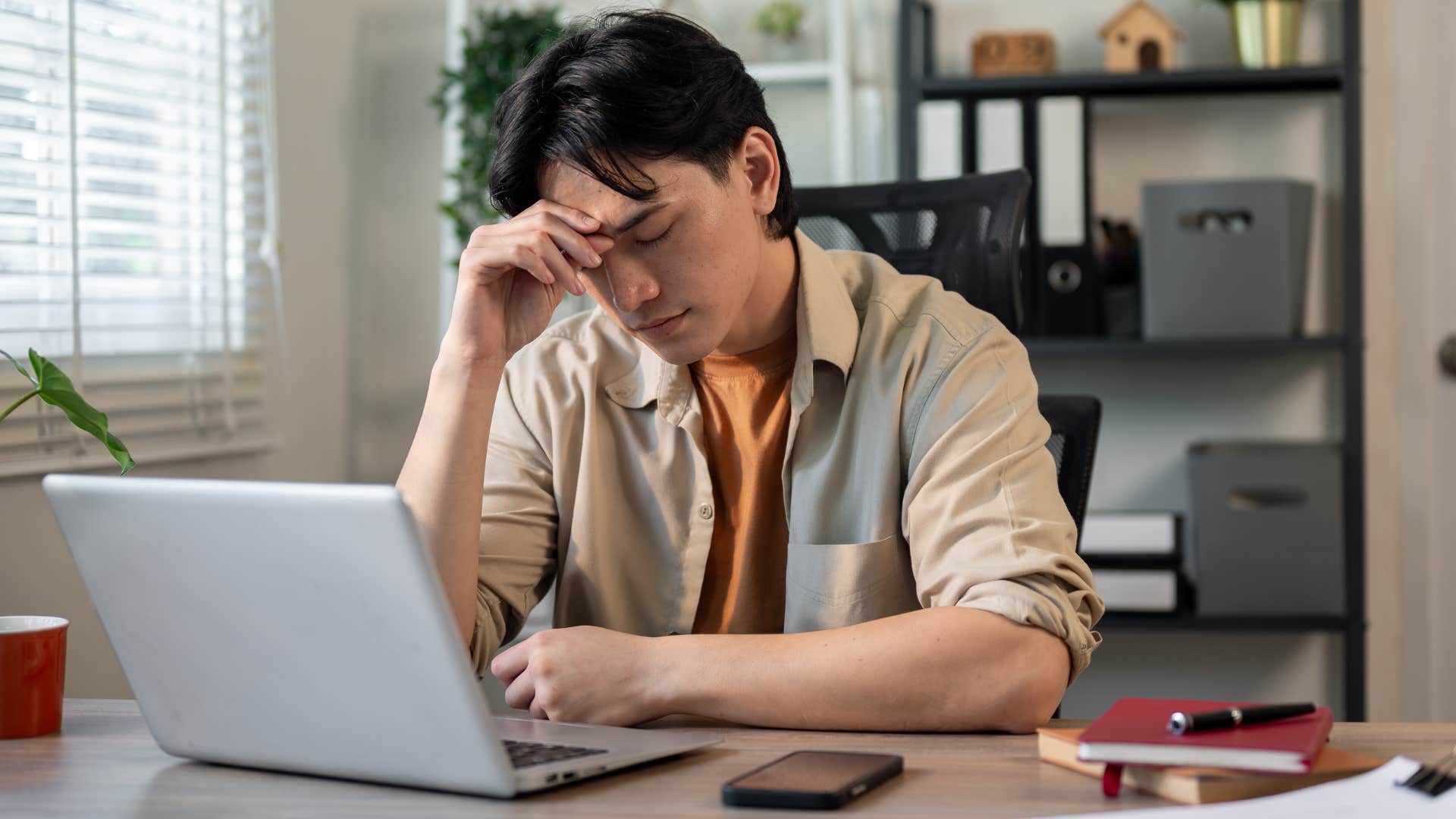
Even though stress can feel overly cerebral, a study shared by the American Psychological Association argues that our physical bodies also tend to bear a lot of tension from overwhelm and anxiety in our lives. Even if it ends up creating more strain in the long run, people who almost always sit with one foot tucked under them may feel more grounded due to how much tension they hold.
It relieves some of the restlessness that comes from sitting in a sterile, typical position, and offers pressure and grounding energy that helps to release some of that tense stress.
2. They’re nostalgic
 GaudiLab | Shutterstock
While sitting with legs underneath them is partially aligned with women’s natural body shapes and needs, according to physiotherapist Sam Bhide, they’re also partially tied to childhood needs and identities. Despite being adults now, some people still resort to these “childlike” sitting positions to feel safer and more secure, whether they’re talking to a partner at home or working in an office at their desk.
From nostalgia for the innocence of their childhood to a need for physical safety when things are emotionally tumultuous, people who regularly adopt these seating positions usually have these tendencies and personality traits.
3. They crave comfort amid the chaos
 aliaksei kruhlenia | Shutterstock
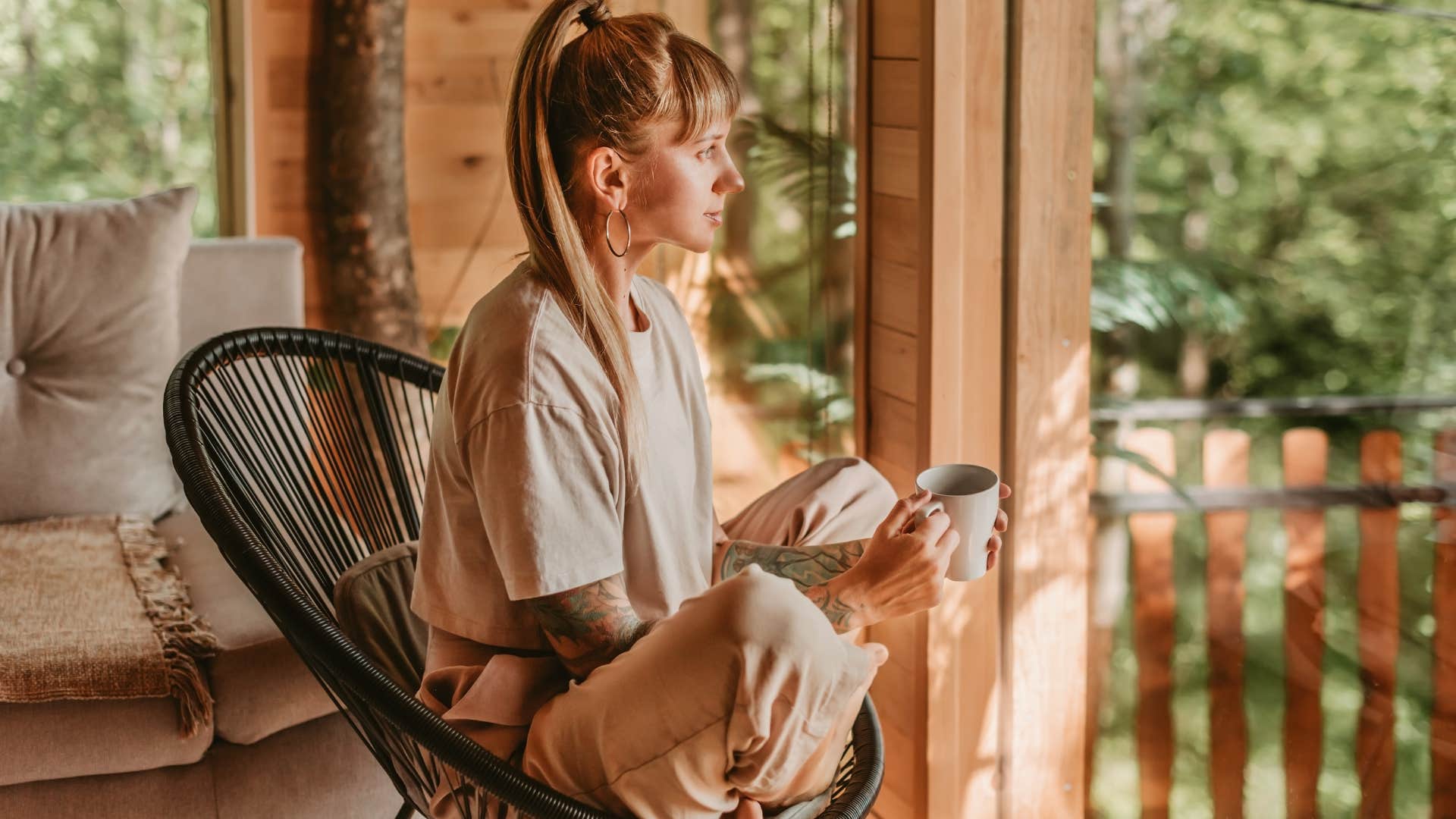
While it might seem harmless and insignificant amid the chaos of life, soothing self-touch and movement in our bodies can truly help to release pent-up stress and tension, according to a study from Stress & Health.
Whether it’s EFT tapping at a work desk or sitting with their legs tucked up under them to feel more grounded and contained, stressed out people resort to these hyper-personal self-soothing habits in times of need, often subconsciously.
4. They’re adaptable
 LightField Studios | Shutterstock
People who sit in atypical sitting positions and tuck their legs underneath them while working tend to be adaptable. They know how to get comfortable anywhere, even if their chair is rigid, there’s a lot going on around them, or they have a million obligations on their plates.
It’s these little choices, habits, and movements that make the most difference, and while it might strain their tendons or joints after a long time, it provides a momentary feeling of calm in the moment.
5. They’re creative and imaginative
 PeopleImages | Shutterstock
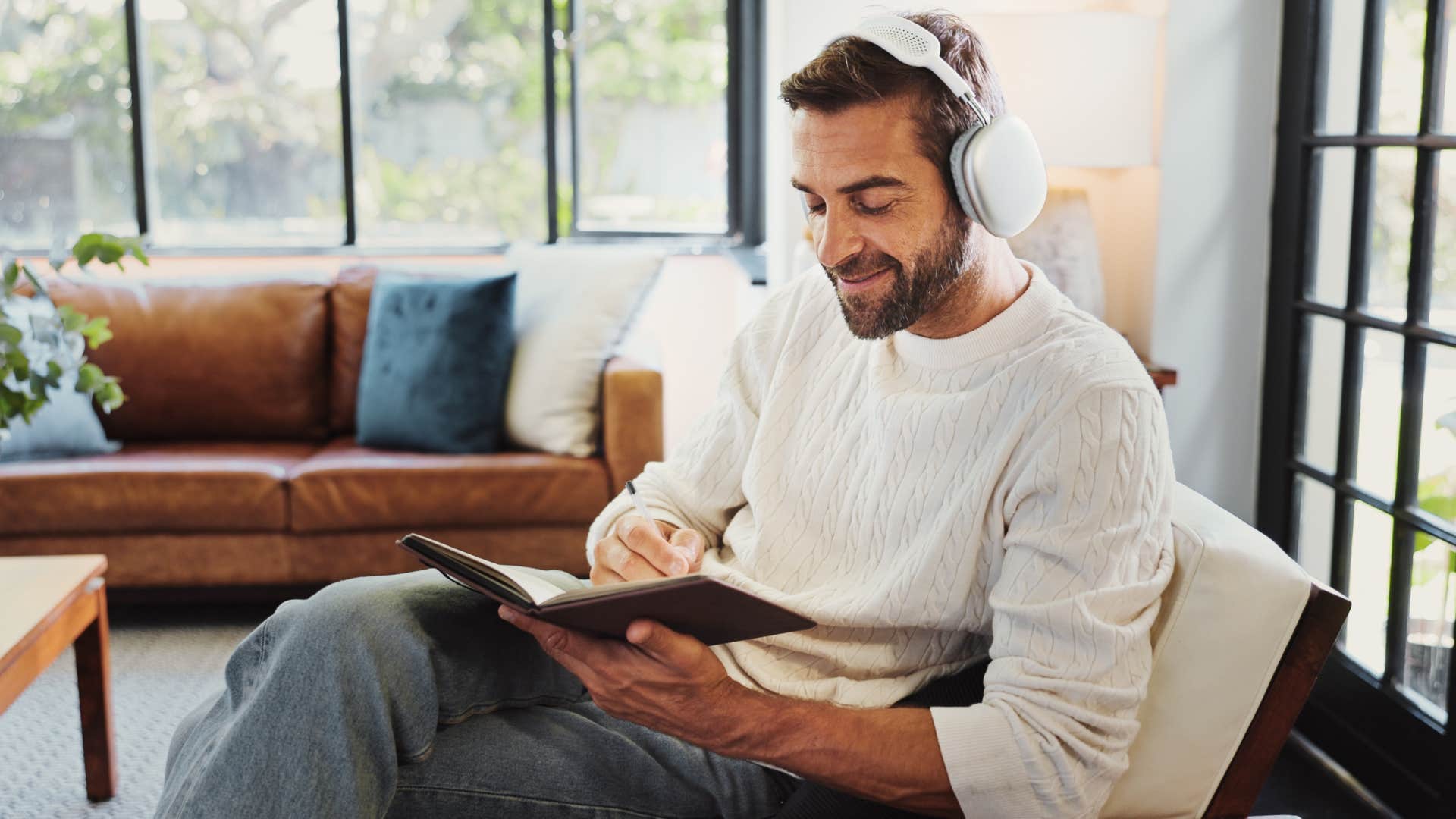
While shifting a seated position and engaging in certain body language “quirks” are often subconscious and untelling, a study from the Creativity Research Journal found that the way someone sits when they’re working can actually impact their creative thinking. If they have to extend their arms and maintain a more expanded posture, they’re often more creatively comfortable.
For some, sitting with one foot tucked under them requires this kind of movement. If it helps them to think more creatively or feel more innovative when working through a task, their body may start to instinctively adopt this position, sometimes without them even realizing it.
6. They care about making people feel safe
 StockPhotoDirectors | Shutterstock
As a Duke University study explains, our body language and posture can often reveal how we’re feeling and what we’re thinking to other people. If someone is being overly intentional about crafting a safe space for someone and wants to convey a sense of warmth, adopting a casual sitting position, like sitting on one leg, can offer it.
Especially if they’re engaging in a highly vulnerable conversation or conflict, shifting their body language to make someone feel more comfortable, even if it’s subconscious, can make all the difference.
7. They don’t care about judgment from others
 DukiPh | Shutterstock
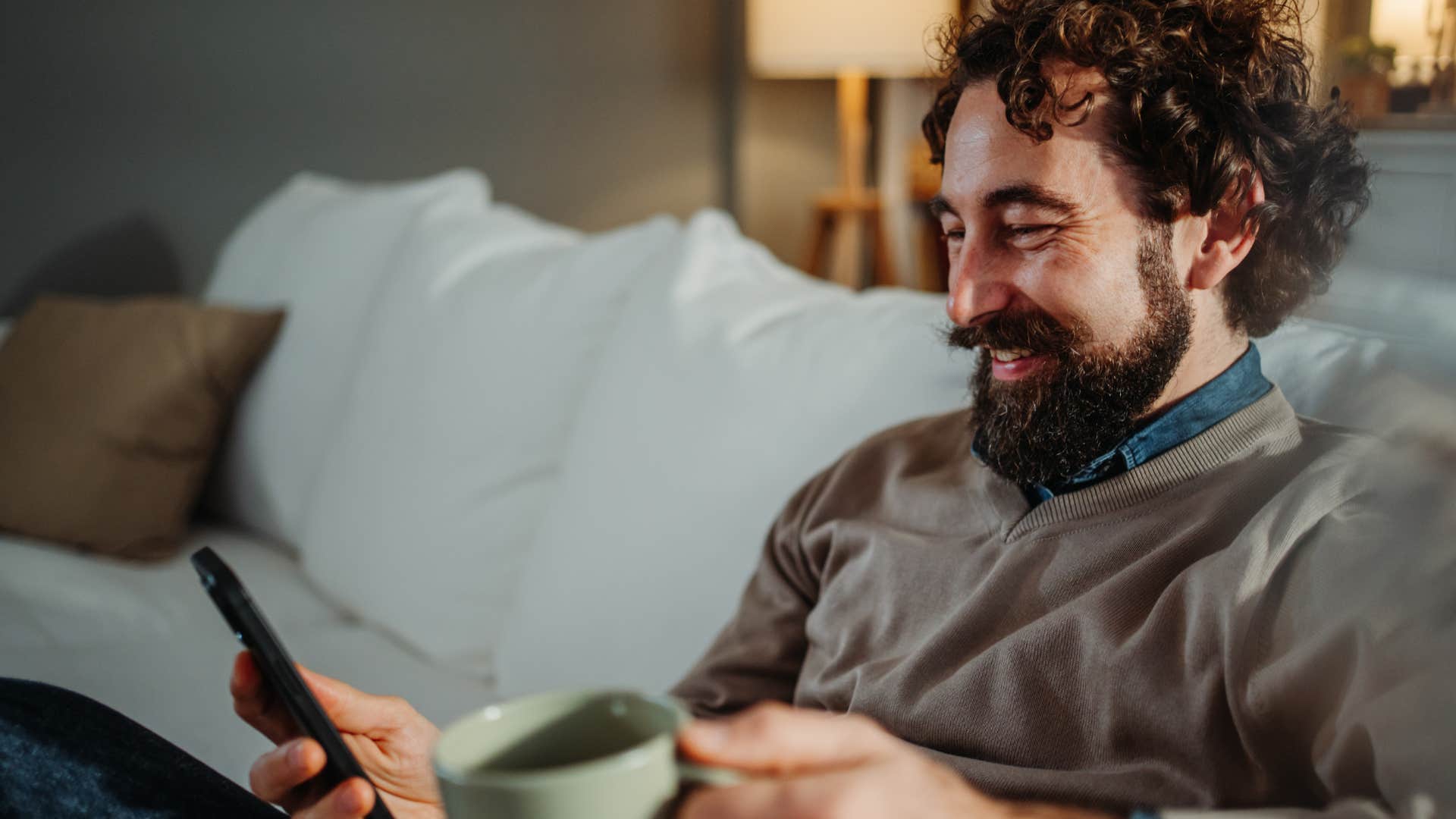
People who constantly worry about judgments from others and misguided social perceptions resort to a more anxious baseline, which often makes their body language and posture seem more rigid and sterile. However, if someone’s not worried about performance or being “liked” by other people, they’re likely more relaxed, open, and authentic in their interactions and in public.
Whether that’s adopting a more relaxed posture, a more genuine attitude in conversations, or sitting casually with one leg tucked under them, their bodies relay the kind of comfort their general identity conveys.
8. They retreat inward when overwhelmed
 Migma__Agency | Shutterstock
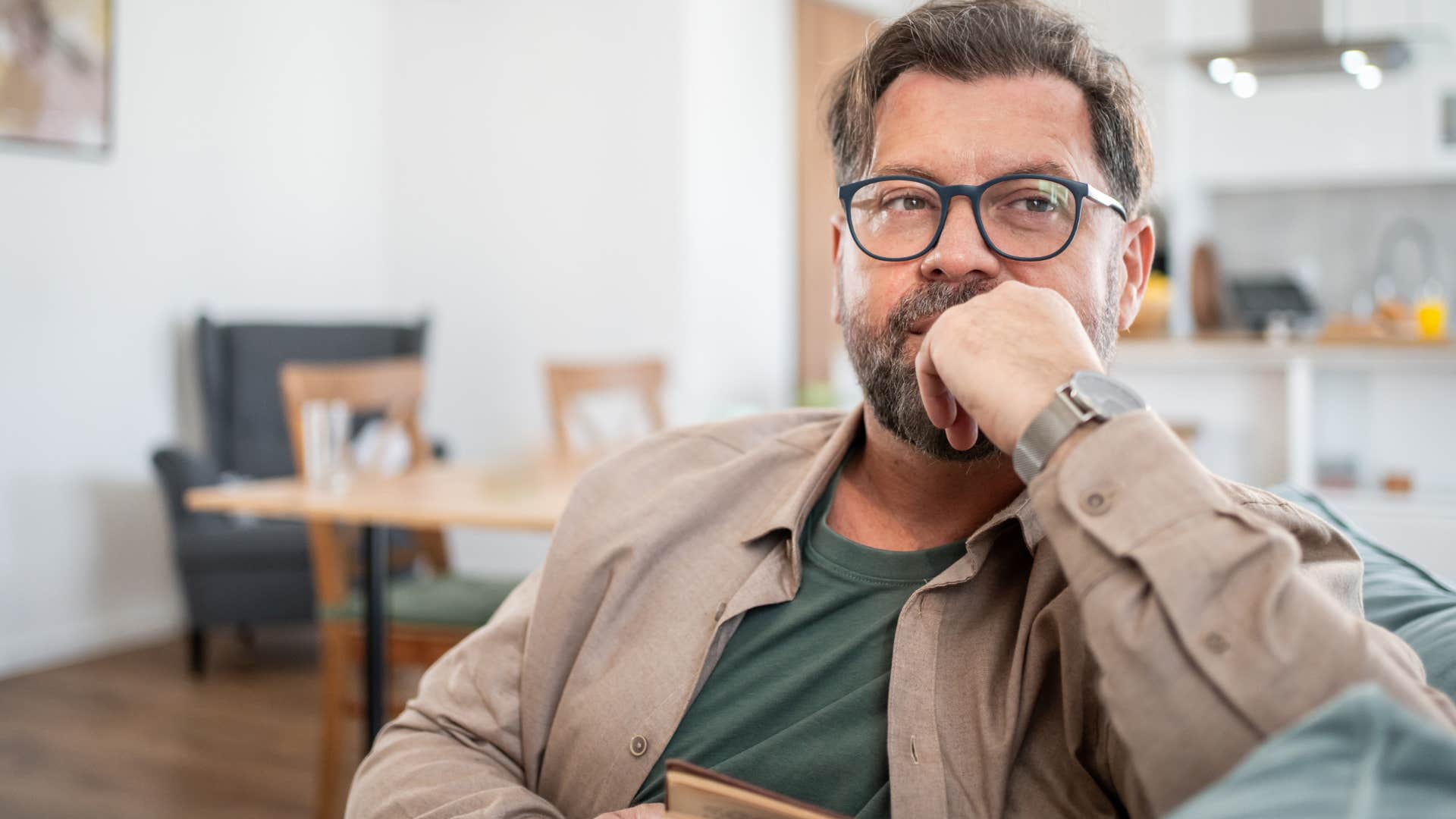
It’s incredibly normal for people to retreat inward when they feel stressed. While reaching out to a community and seeking support can help to manage the feelings quickly, experts like psychotherapist Sharon Martin suggest that alone time can be similarly grounding and intentional when you’re facing emotional overwhelm.
If someone’s going inward in a group of people, rather than moving into solitude, chances are their bodies convey that inner thought first. They contain their limbs, seem “smaller,” and shift their body language in ways that reveal introspection.
9. They need to feel grounded
 Daniel Hoz | Shutterstock
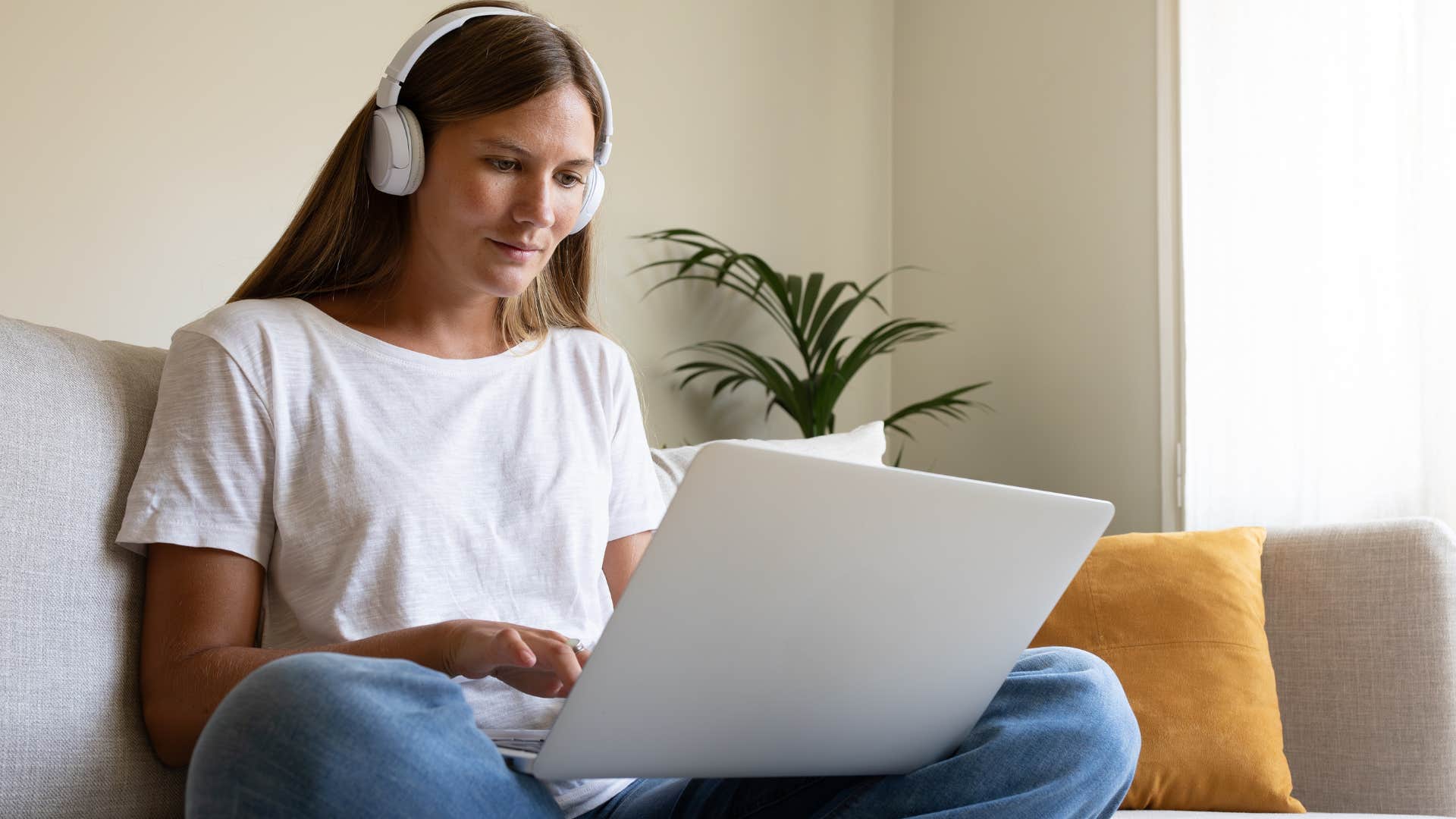
When someone needs to feel grounded in the moment, amid fear, stress, or chaos, shifting their body language as a self-soothing mechanism can be their first defense. People who almost always sit with one foot tucked under them tend to prioritize this grounded energy by shifting their posture and containing their limbs.
While this might be entirely subconscious in the moment, the self-trust they cultivate allows their bodies to seek movements and postures that address their overwhelm on a deep level.
10. They’re active listeners
 Chay_Tee | Shutterstock
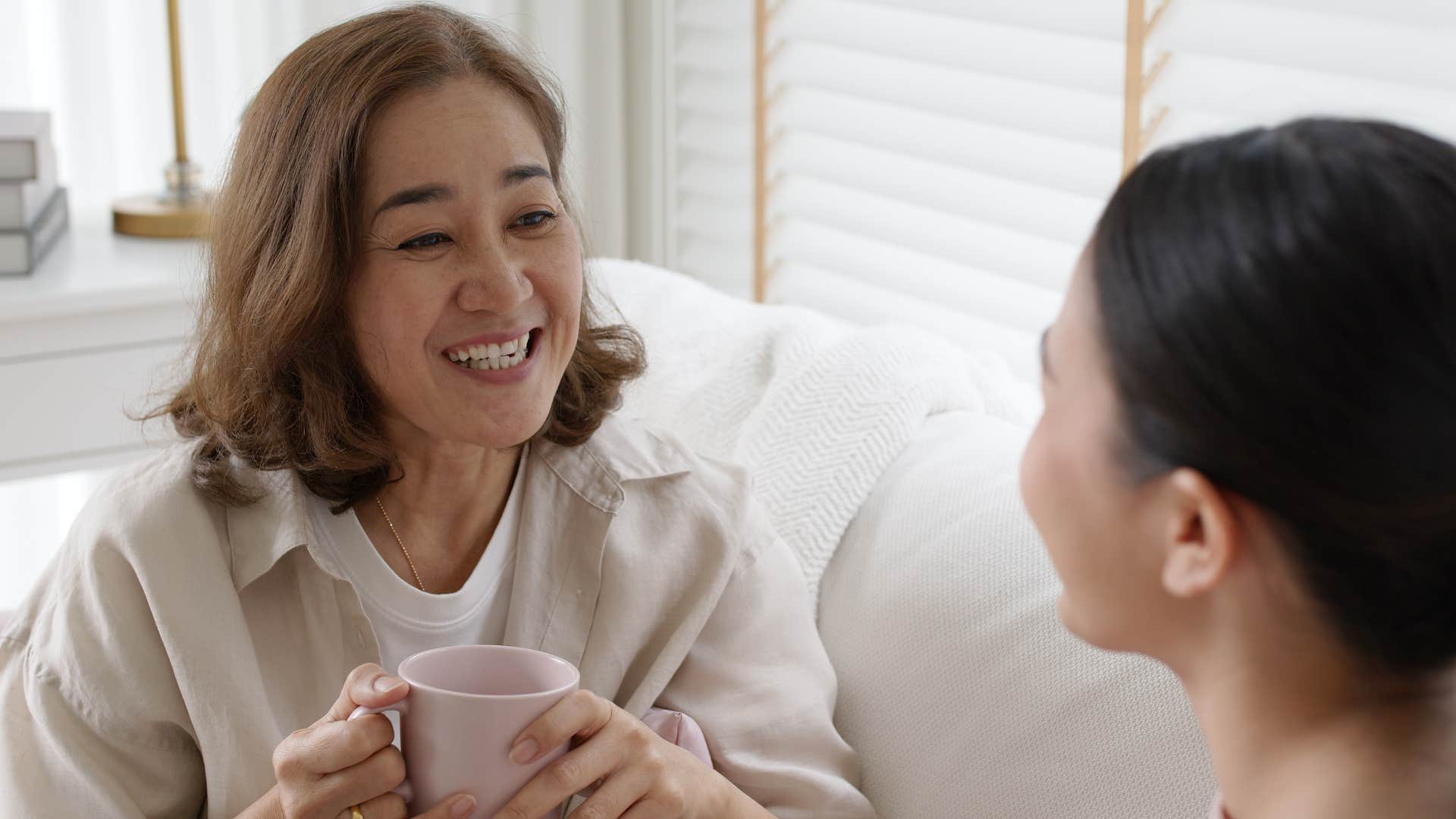
When someone actively listens, it tends to spark the reward center in other people’s brains that makes them feel seen and bonded, according to a study from Social Neuroscience. However, it’s not just about quietness, although that plays an intentional role, but body language, movements, nonverbal cues, and even eye contact that feed into these conversations.
If someone adopts casual sitting positions and opens up their body language around someone, that’s just as influential as making eye contact or offering reassuring nonverbal cues. They care about offering attention to someone and listening to understand, even if that energy is conveyed by how they’re sitting near someone else.
11. They’re introverted
 Drazen Zigic | Shutterstock
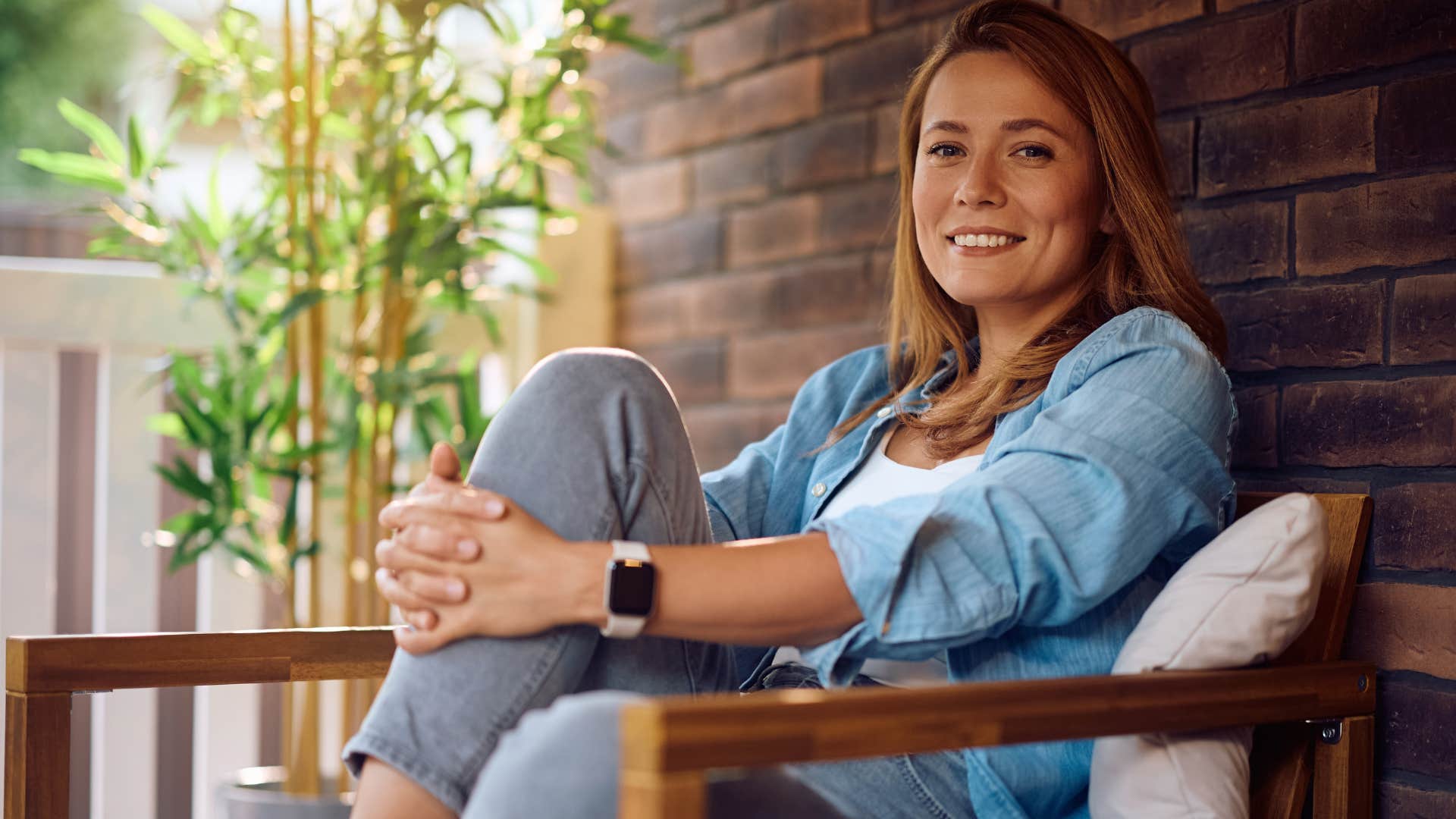
Introverted people tend to prefer depth, intimate conversations, and safe spaces over busy, overstimulating, superficial interactions. They need the grounded nature and safety of a one-on-one conversation or close friends to feel protected and attentive.
Sometimes, even crossing a leg under their body to feel more casual and grounded is the perfect way to soothe some of their anxiousness in the moment. They need some kind of self-soothing ritual to avoid being entirely drained by small talk and superficial people that quickly sabotage their need for depth.
Zayda Slabbekoorn is a senior editorial strategist with a bachelor’s degree in social relations & policy and gender studies who focuses on psychology, relationships, self-help, and human interest stories.
