
9 Ways 60s & 70s Kids Were Prepared For Real Life Way Better Than Younger Generations
 De Visu | Shutterstock
 Because of changing social norms and parenting styles over the years, young people today have much different skills than their parents.
Yes, people raised in the 1960s and 1970s were probably prepared better for adulthood than younger people. Some of these may be warning signs for the skills Gen Z are accused of lacking today.
How people raised in the 1960s and 1970s were prepared for adult life better than younger generations:
1. They solved problems without a screen
 MAYA LAB | Shutterstock
So much of Gen Xers and boomers' "figure it out yourself" mentality comes from these moments early in life where they had to think critically to get out of situations and solve problems. Whether it was harmless situations with friends during unsupervised play outside or bigger issues at home alone, people raised in these generations had to solve problems without Google or a screen.
Gen Zers have a wealth of information and opportunities to learn new skills instantly with platforms like YouTube. But without the right boundaries, they may simultaneously miss out on the resilience and deep thinking skills their parents had when solving issues without phones or Google.
2. They were left to their own devices
 Evgeny Atamanenko | Shutterstock
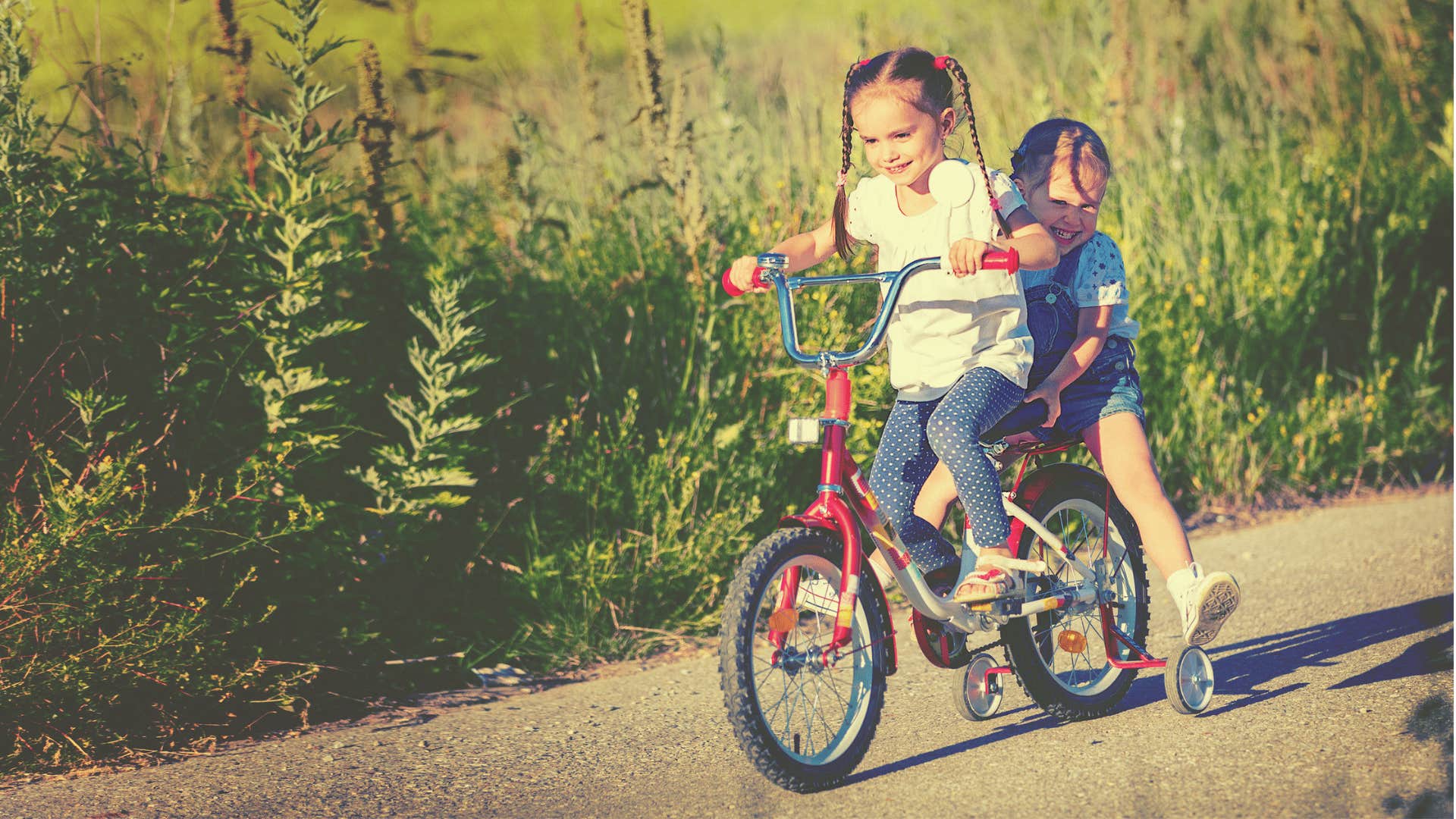
From dealing with their own minds when faced with discipline or coming home to an empty house after school, many Gen Xers were constantly left to their own devices. They weren't coddled by parents who shielded them from discomfort, they were thrown into it and expected to find their way through.
For many kids in this latchkey generation, that came with a lot of trauma and emotional neglect. However, for some, oftentimes simultaneously, it also came with independence, and a strong work ethic. So, while young people today might be on the other end of the spectrum, there's a place somewhere in the middle of these two generations' experiences where the healthiest mentality lives.
3. They expected and coped with uncertainty
 Volodymyr TVERDOKHLIB | Shutterstock
Parents become a pillar of belonging and safety for many kids, but when you spend most of your time alone without their guidance, uncertainty and unpredictability are common. Gen X and boomer kids, who were not only alone a lot but also perceived parents as authority figures, had this aura of uncertainty.
They had to build resilience because that uncertainty was theirs to cope with. Whether it was managing issues at home, babysitting siblings, doing household labor, or filling their time, they had to figure it out on their own. While it was a challenge, as adults in a world full of uncertainty, they're set up for success.
4. They faced regular disappointment
 DimaBerlin | Shutterstock
There are so many young people and kids today who face disappointment, often for the same reasons as their parents at the same age. However, collectively, there's also been a rise in instant gratification and convenience for families that's shifted how patient and emotionally regulated some kids are.
Gen Xers and boomers had to wait for things, even if they had parents who spoiled them and met their every wish. Things weren't coming in the mail overnight. They didn't have their phones for immediate entertainment and stimulation.
Most kids were facing regular disappointment, not just from hearing and having no space to push back from "no," but also because they were rarely offered an instant escape to dealing with their complex feelings.
5. They learned accountability through practice
 mae_chaba | Shutterstock
From doing chores at home without an allowance or watching their siblings from an incredibly young age, people raised in the 60s and 70s were taught responsibility by practicing it. Their independence wasn't something offered once they left the house, but a maturity they grew into out of obligation.
Without learning to be self-reliant without a parent watching over their shoulders, they would have floundered, both in adulthood and as kids in this unique, old-school culture.
6. They learned the value of money
 Rodica Vasiliev | Shutterstock
With parents who used cash to budget their paychecks and balanced checkbooks at home, learning the value of a dollar was common for Gen X kids. Especially when they were responsible for running to the store with cash or working for their own wishlists, they had the financial literacy early on that some young people still lack today.
Even at school, home economics classes were still around, teaching kids all sorts of basic frugal skills and financial tips that go unspoken today. Alongside economic promises that actually paid off post-college or in the workforce, so many Gen Xers and even baby boomers are better off today with this knowledge.
7. They memorized information
 MAYA LAB | Shutterstock
Without a phone to carry their friends' phone numbers around or a digital note to store addresses, so many kids raised in these decades had to memorize important information.
It might seem like a second nature, simple part of their childhoods, but compared to young people today with the conveniences of digital technology and tools, it was a necessary, important skill. They practiced memory daily, in ways that seriously built up their cognitive abilities and protected their safety.
If a child who's reliant on technology to remember their address or parents' phone number doesn't have access to their phone, they're at risk. But kids just a few decades earlier had all that info stored in their minds.
8. They appreciated what they had
 ChameleonsEye | Shutterstock
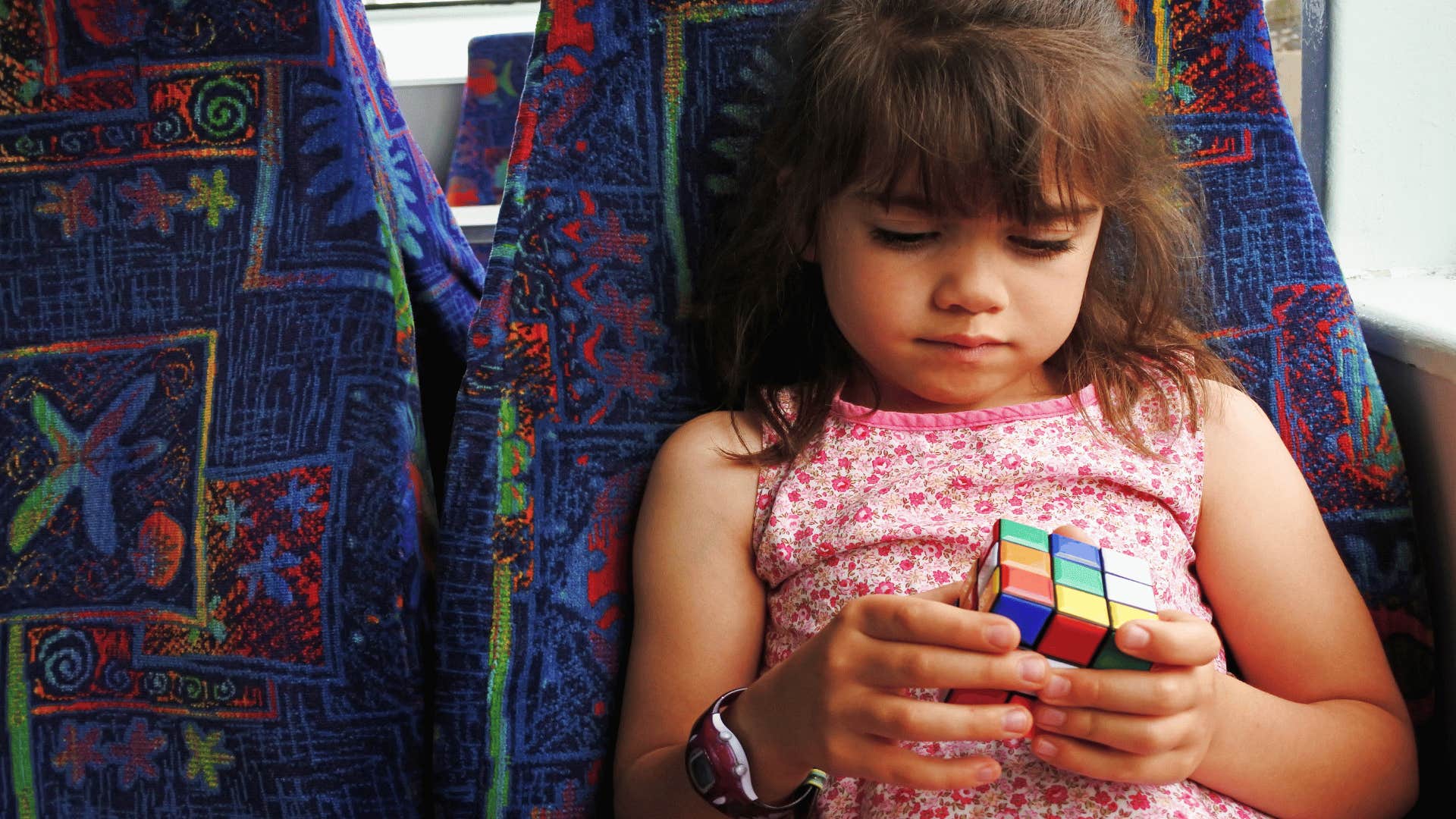
Without the comparison culture of social media today or the convenience that provided instant replacements for things when they were broken, kids raised in the 60s and 70s learned to appreciate what they had.
Their parents didn't go online to order a new toy when they broke it from playing irresponsibly. They had to sit with that disappointment and learn the lesson. This is somewhat of a sweeping generalization, but it's impossible not to mention, considering the conveniences of today's youth.
9. They experienced unsupervised play outside
 Grek Irina | Shutterstock
So many of the benefits of playing outside unsupervised without parents prompted skills that kids today are completely missing out on. From self-reliance to problem-solving skills, and even creativity, it's the kids who were left to run wild and look out for themselves who are better, more resilient adults.
There's a necessary kind of safety that parents should be intentional about considering with their kids that some parents from the 60s and 70s overlooked. But for the most part, being able to fill and manage their own time was a superpower for kids.
Zayda Slabbekoorn is a senior editorial strategist with a bachelor's degree in social relations & policy and gender studies who focuses on psychology, relationships, self-help, and human interest stories.
