
5 Things Your Grandparents Probably Did Every Day That Were Surprisingly Healthy
 fotoak | Shutterstock
 Your grandparents probably never counted their daily steps on a smartwatch or tracked their sleep with an app. They didn't need elaborate morning routines or expensive supplements to help their well-being.
Instead, many of their healthiest habits were simply built into everyday life. Their routines reflected the way people lived before packed schedules and around-the-clock digital distractions became the norm.
Of course, no generation got everything right, and modern medicine has introduced great improvements. Still, there are a handful of daily habits many grandparents practiced that continue to be backed by research today.
Your grandparents kept themselves healthy by engaging in these daily activities:
1. They walked a lot
 IgorGolovniov | Shutterstock
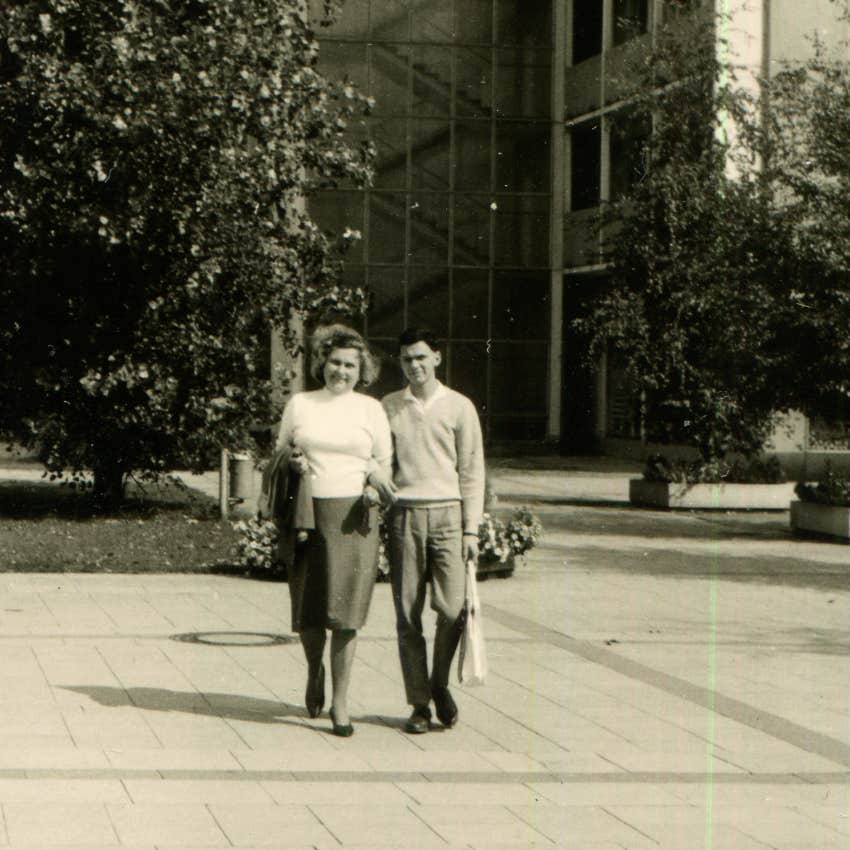
For many grandparents, walking wasn't considered exercise. It was just how they got around. They could walk to the store, visit neighbors, do yard work, or complete errands with no problem. For them, movement happened naturally throughout the day instead of being squeezed into an hour at the gym.
In many ways, they didn't have to remind themselves to get their steps in because daily life already required them to move. This low-impact activity supports heart health, improves circulation, strengthens muscles, and helps maintain mobility as people age. It also provides opportunities to slow down, reflect, notice the world around them, and reduce stress.
2. They talked to neighbors face-to-face
It's almost unheard of nowadays, but when our grandparents were growing up, friends and neighbors would stop by unannounced just to visit. They chatted over a cup of coffee and a slice of pie.
Neighborhood porches were used on warm summer nights for casual conversation. Instead of texting or scrolling through social media, people checked in on one another in person. These brief interactions built trust and helped reduce feelings of isolation.
A quick five-minute chat could easily turn into thirty minutes of catching up. There's something different about making eye contact or hearing someone's laugh. Those small interactions do more for our well-being than we realize. In fact, research found that face-to-face contact is much more beneficial for mental health than even FaceTime or a phone call.
3. They cooked most of their meals at home
 Lyudmila2509 | Shutterstock
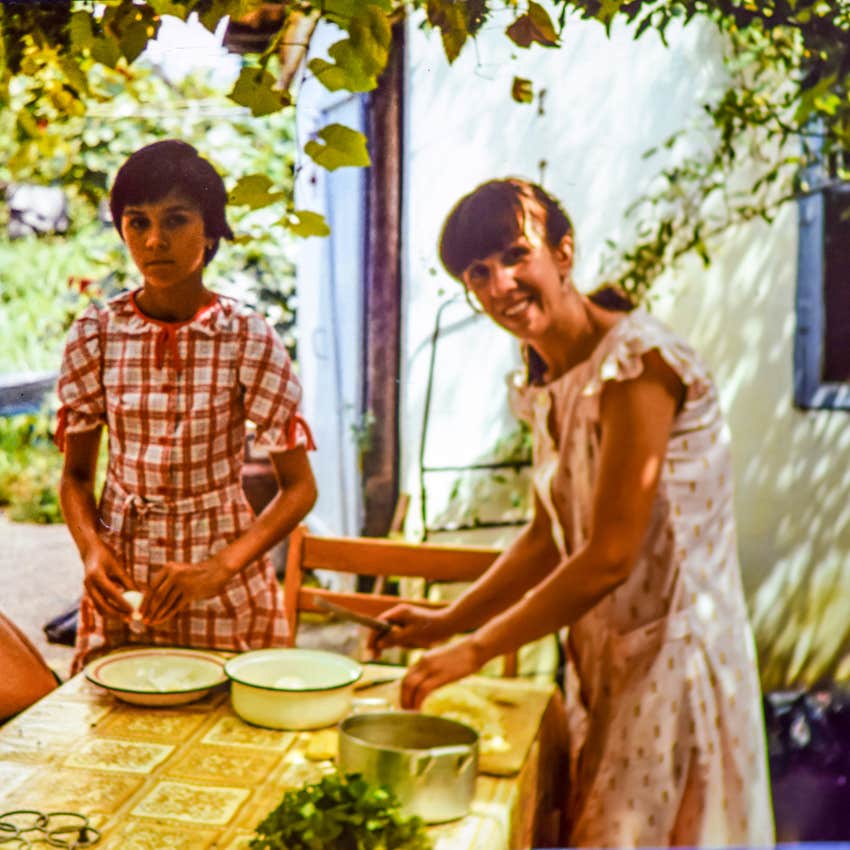
Takeout and convenience foods weren't nearly as common as they are today. Homemade meals were prepared from simple ingredients and were far healthier than processed foods. They also gave families regular opportunities to eat together.
Cooking from scratch also meant people had a better idea of what was actually going into their food. They used recognizable ingredients rather than relying on convenience. Home cooking also encouraged portion awareness and created routines that many families looked forward to, especially to catch up on each other's day.
4. They let themselves be bored
Before smartphones filled every spare moment, boredom was simply part of life. Waiting rooms, bus rides, grocery lines, and quiet evenings meant sitting with your thoughts, reading, gardening, doing puzzles, or finding simple ways to pass the time.
There wasn't always something demanding your attention every few seconds. Although boredom isn't always enjoyable, allowing the mind to wander has been linked to creativity, reflection, critical thinking, and problem-solving. Constant stimulation, by contrast, can make it harder to focus and fully recharge.
It would be impossible to eliminate technology in our modern world, and it isn't necessary. However, setting your phone aside for a few minutes while standing in line or taking a short walk without headphones can give your mind a chance to slow down.
5. They followed a more consistent daily routine
 fotoak | Shutterstock
Many grandparents woke up, ate meals, worked, and went to bed at roughly the same times each day. Consistent routines help regulate sleep, support healthy habits, reduce decision fatigue, and create a sense of stability that benefits both physical and emotional health.
From personal experience, knowing what your day generally looks like at the start is really comforting. Also, having a routine doesn't have to mean having a boring life. Actually, for me, it frees up mental energy because I'm making fewer decisions throughout the day.
Today's schedules are often much more unpredictable, with emails arriving late at night and notifications interrupting meals. Unpredictability in a fast-paced society isn’t always the best thing. That's why establishing clear boundaries that help support a healthy work-life balance is so important. Once you can separate work from your private life, creating a few consistent habits becomes much easier.
MeShanda Deason is a writer with a BFA in Creative Writing from Stephen F. Austin State University and minors in Business Communication and Literature who covers storytelling, culture, identity, and human connection across editorial, journalism, and marketing spaces.
