
11 Subtle Ways Growing Up Without Pets Affects Your Relationships As An Adult
 sama_ja / Shutterstock
 As a kid, I always had cats. I love cats. Cats are my homies. Like many others in my shoes, I was a bullied kid who often turned to her pets to find affection and love. Having pets saved my life, and I have no doubt in my mind that pet ownership saved other kids’ lives as well. In fact, experts note that there are many ways in which "a pet can help encourage emotional development through nurturing empathy and compassion."
According to a recent study, more homes now have pets than they do children. So, a child growing up without a pet is kind of rare. But when it does happen, there are some subtle ways growing up without pets affects your relationships as an adult.
These are 11 subtle ways growing up without pets affects your relationships as an adult
1. They may get overwhelmed with caretaking
 Karola G from Pexels via Canva
If you’ve had a pet, you know how to handle most pet-related things. I know how to feed, bathe, clean up after, and oversee cats during medical visits. Pet ownership has a way of teaching kids responsibility and caretaking skills that can come in handy later on in life.
If you’ve never cared for an animal before, it can be overwhelming. I’ve seen new pet owners panic when they first have to take care of another living being, be it human or animal. If you’ve ever seen it, you likely wondered if a pet would have fixed that issue, too.
2. They may feel more of a need for external validation
 pocstock via Canva
Most adults struggle with some kind of self-esteem issue, often due to trauma they experienced in childhood. However, having a pet can help kids overcome a lot of that trauma. Experiencing the unique, unconditional love of a pet can help children develop a better sense of self. That confidence goes a long way in relationships.
Most mental health professionals agree that pets can help grow a child’s self-esteem, if only by giving them a companion who will always be in their corner. While most troubled kids tend to find their way in life as adults, it’s still likely that former petless kids might still have a hard time with it.
3. Petless adults might struggle more with grief
 dimaberlinphotos via Canva
While death is a common theme throughout life, it’s quite possible to grow up without a single loved one dying before you hit 18. It may require a charmed life, but it’s possible. Unfortunately, this often means that people who haven’t had to deal with profound grief before might fall apart when a tragedy strikes.
Pets have shorter lifespans than humans, which often makes parents worry about the inevitable. Believe it or not, having your child experience the death of a pet can actually help them learn how to overcome grief. It helps your child know that life goes on, that it’s possible to grieve healthily, and that they have the strength to work through it.
4. They may be more prone to allergies, limiting their dating choices
 blackcat from Getty Images via Canva
It’s no secret that allergies are on the rise these days, to the point that schools have to be more careful about ingredients. Parents are always looking for ways to make sure their kids have the best chance at not being the kid who’s allergic to a million different things.
Studies show that pet ownership might play a key role in that. Doctors noticed that children who grow up near dogs and cats are less likely to react negatively to dog or cat dander. As adults, this can harm relationships if not being able to have pets limits your dating pool, excluding those who are more invested in animal ownership.
5. Talking about animals can be awkward for them
 Africa Images via Canva
Our life experiences impact the way we talk to people, for better or for worse. This also applies to the topics we can discuss. If you grew up without a pet and still haven’t had a pet as an adult, hearing the stories of a beloved pet can be fun, but totally unrelatable.
It’s a lot like talking about being in school theater clubs when you were never a theater geek. It can be hard to relate to others, especially if you’ve never experienced a lot of what they talk about. Childhood pet ownership can grease the wheels of adult relationships by making you more relatable.
6. They might struggle with empathy
 Alex Green from Pexels via Canva
Don’t get me wrong. There are tons of adults who are highly empathetic people who had childhoods without pets or siblings. However, growing up with a pet means that you have to think about what your pet wants, even if you’re not on board with it.
Research has shown that parents who gave their kids a pet were more likely to raise empathetic kids. Understandably, higher empathy levels make for a better partner.
7. They might be more sensitive to disruptions or unpredictability
 RDNE Stock Project from Pexels via Canva
Pets bring noise, chaos, and surprises. If your childhood home didn’t have those interruptions, you may prefer cleaner routines and feel more unsettled when a partner’s habits or moods shift unexpectedly.
"The simple act of spending time with a pet can have a remarkably calming effect on our nervous system. Petting a dog's soft fur, listening to a cat's gentle purr, or even watching fish swim peacefully can lower stress levels and reduce anxiety," notes Polk Street Animal Hospital. "These tactile interactions release endorphins, promoting feelings of relaxation and well-being. In moments of stress or worry, the presence of a loving pet can be a comforting anchor, drawing our attention away from negative thoughts and offering a sense of peace."
8. They might struggle with non-verbal aspects of communication
 WhitneyLewisPhotography from Getty Images Signature via Canva
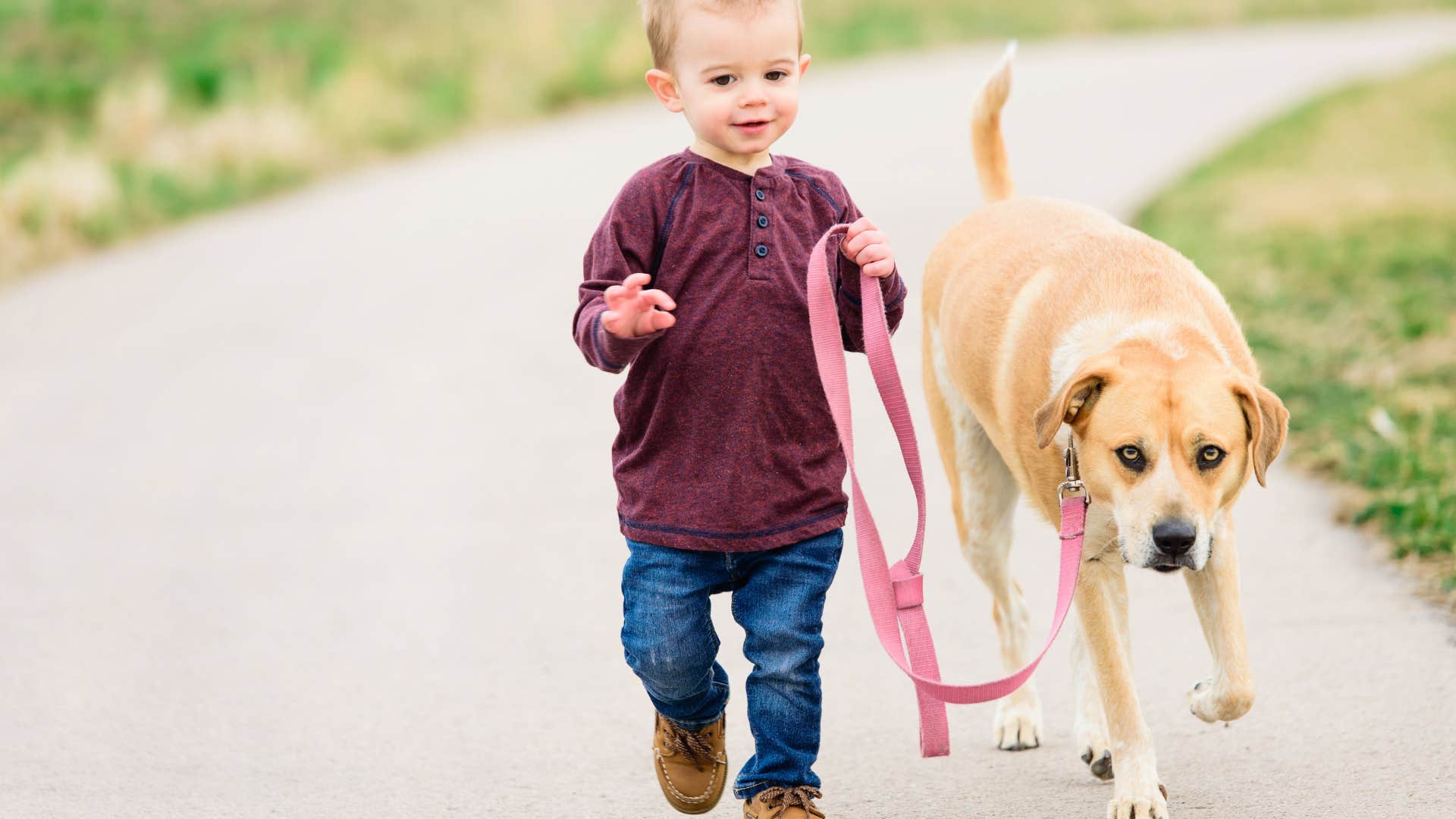
For the most part, adults who grow up without pets don’t have an issue with non-verbal cues. However, pet owners often seem to have a little bit of an edge when it comes to that type of communication, and it’s easy to see why that’s the case.
Animals have their own rich language, none of which involves actual words. "Companion animals can help children learn to express and understand non-verbal communication and decipher intentions, which leads to improved emotional understanding and expression," explains the Human Animal Bond Research Institute.
9. They might take longer to feel comfortable with emotional messiness
 Thepalmer from Getty Images Signature via Canva
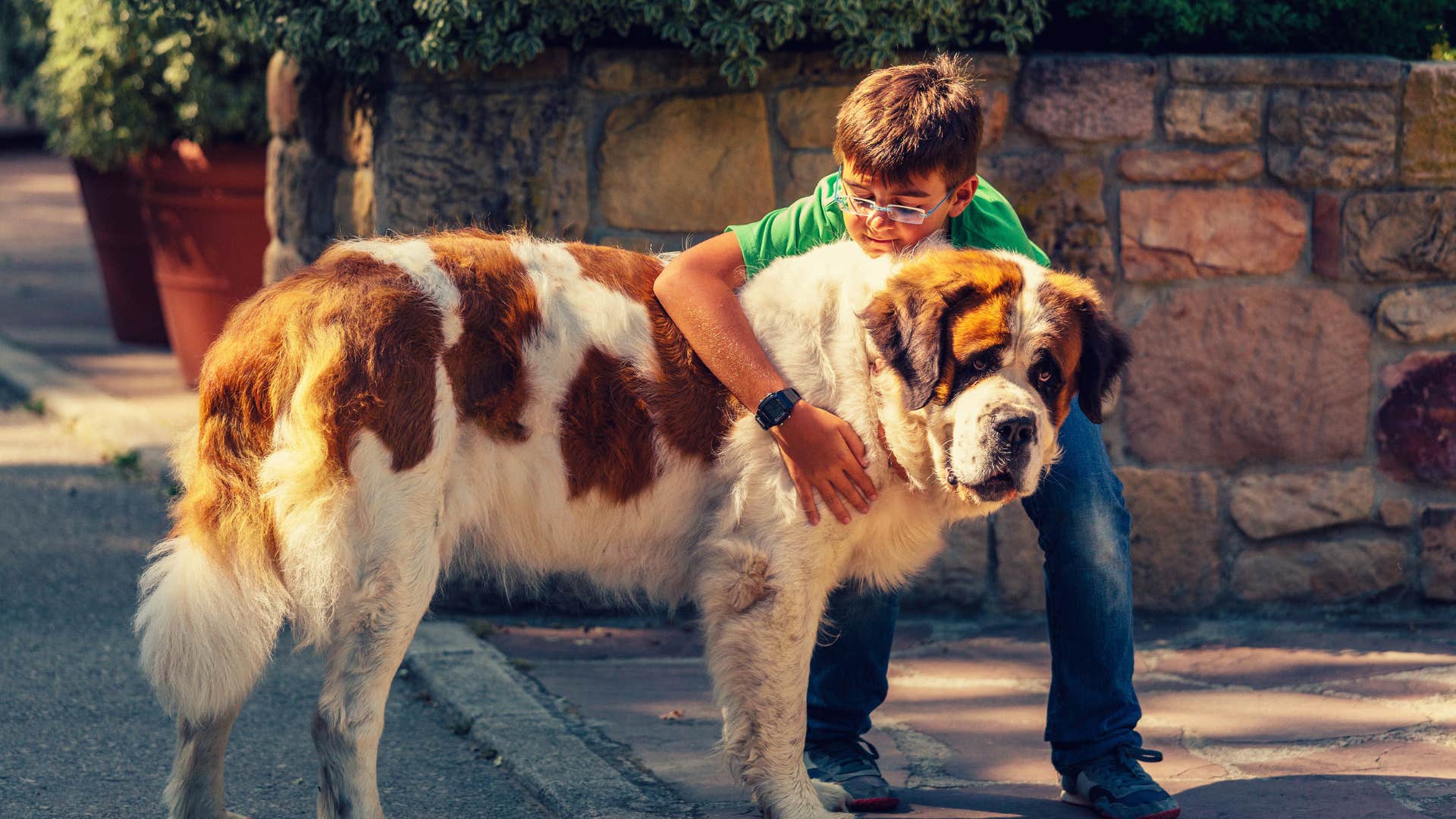
People who grew up with pets often learned early that love is unpredictable. Animals get sick, make mistakes, and need patience. Without that experience, emotional “mess” in relationships can feel more overwhelming or harder to navigate.
Researchers have found that "animals effectively ‘burst’ children’s innocence bubbles, exposing them to topics such as death, violence, consent... and illness," preparing them for all of these real-life issues in ways those who grow up without pets don't get to experience.
10. They might end up feeling a bit lonely
 Biserka Stojanovic from Getty Images via Canva
Not to point out the obvious, but pet ownership tends to open up doors to a wide range of communities. In one town I lived near, the dog park was not just a place for dogs to play. It became the go-to hotspot for people looking to network.
Most people who never had a pet at home won’t feel lonely without a pet as adults. It’s all they ever knew. However, it can sting a little to realize you can’t quite access all those spots in a way that lets you participate.
11. Being petless your entire life might be a dealbreaker for some people
 South_agency from Getty Images Signature via Canva
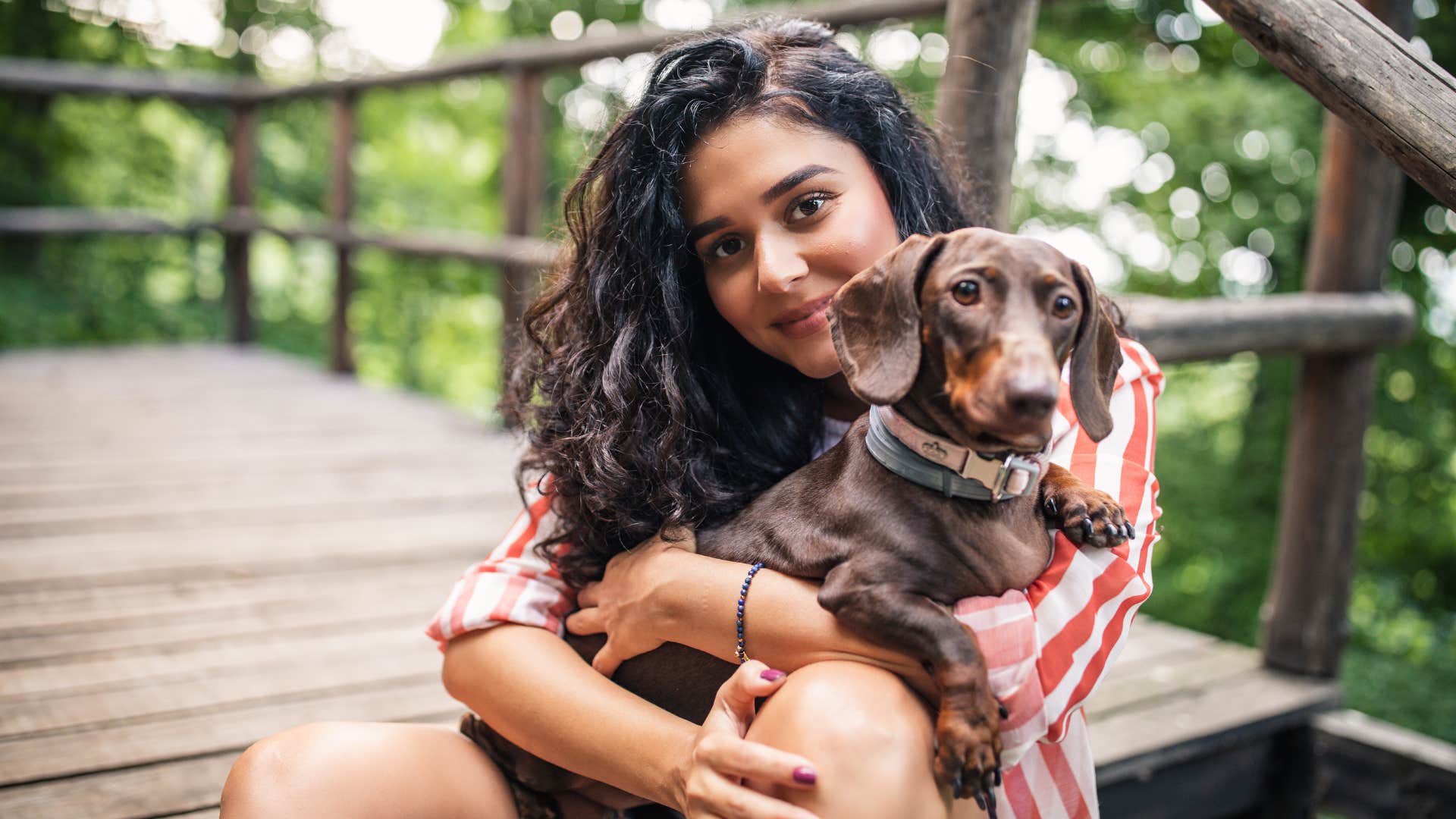
Some people go through life without a single pet, and that’s okay. There is something to be said about living your entire life pet-free by choice, but it’s not a popular choice. While there is nothing wrong with choosing to stay pet-free after living a petless childhood, it can make some people raise their eyebrows at you.
Many people won’t date someone who refuses to have pets or who isn't amenable to the type of pet they like. Unfortunately, that’s just a trade-off that you have to accept.
Ossiana Tepfenhart is a writer whose work has been featured in Yahoo, BRIDES, Your Daily Dish, Newtheory Magazine, and others.
