
11 Crucial Life Lessons Only Children Have To Learn The Hard Way As Adults
 BearFotos | Shutterstock
 As an only child, there are certain moments when I feel deeply "locked out" of standard life things. Having no siblings can be a lonely experience, but at times, the biggest issue I find myself in is the lack of understanding I have with others. And, as it turns out, only children tend to be incredibly misunderstood.
So, if you grew up without any siblings, you might have noticed the crucial life lessons only children have to learn the hard way as adults. Unfortunately, sometimes, you might never learn them at all. But these lessons, in particular, tend to be hard-won as a "one and done" kid.
Here are 11 crucial life lessons only children have to learn the hard way as adults
1. There's an art to sharing
 Dan Race | Shutterstock
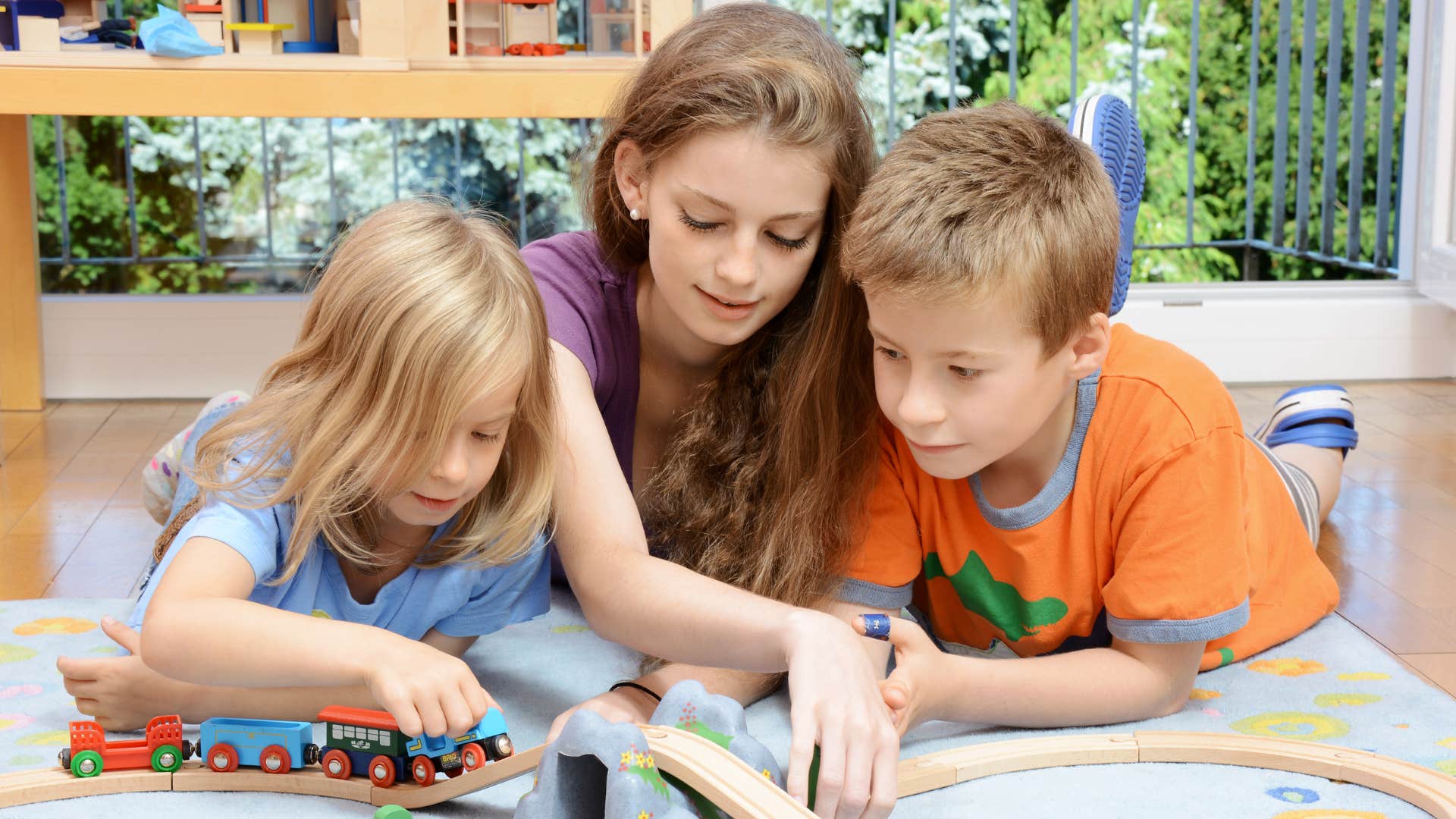
We all know that "sharing is caring," but can we talk about how hard it is to share the right way? Only children often struggle with lending items, simply because they're not used to it. (I ought to know — I was a greedy little kid.)
Siblings often have to learn the balance between give-and-take, not to mention how to barter when it comes to their share of items. Parents often find sharing to be a key part of sibling rivalry, which means that it's often an ongoing process. Really, there is a fine art to sharing things, and siblings seem to catch on faster than most.
2. Favoritism can be damaging
 MDV Edwards | Shutterstock
One thing I lucked out on with being an only kid? I dodged the bullet that is being the "unliked" child. Because perhaps one of the most crucial life lessons only children have to learn the hard way as adults is that parents playing favorites can be incredibly damaging. When a parent shows favoritism to one kid over another, it hurts in a way that's primal.
Most only children will never know how family-destroying or gut-wrenching it can be to be the "black sheep" of the family. Adults who have felt that sting rarely ever allow themselves to treat their own kids the same way, simply because they learned what it felt like.
3. You're not the main character
 Andrii Iemelianenko | Shutterstock
By now, most of us on the internet have heard of "Main Character Syndrome," or the behavior that assumes a certain person is the main character of real-life situations. A person who has this colloquial syndrome is a person who is very self-centered, to the point that they act like a movie main character.
Nothing will make a person lose their Main Character Syndrome faster than being in a large family. Having a sibling or two will make it abundantly clear that you are not the only person in the world — and that, yes, they matter, too.
4. You can learn a lot of social skills from siblings
 Geber86 | Shutterstock
As an only child, it was often hard for me to really connect with kids. I didn't have many opportunities to socialize, which often led to me feeling "out of the loop," even down to things like understanding what an inside joke was.
When you're an only child, it's not always easy to find kids to practice socializing with. When you have a sibling, you basically get built-in social skills practice. At times, it can even come with a way to meet new friends. That's an awesome perk.
5. Fighting doesn't have to mean the end of a relationship
 Antonio Guillem | Shutterstock
Speaking as a secondhand viewer, I've noticed quite a few sibling pairs who bicker and argue until the cows come home. Then, both parties act as if nothing happens. In Hollywood, it's the trope of the Big Brother Bully — the kid who shouts, "No one can bully my brother but me!"
For us outsiders to siblinghood, having that kind of relationship can be baffling. Yet, it's definitely something that's uniquely special in the world of siblings. With that said, most siblings grow out of it and look back at it and laugh.
6. Family dynamics can be hard to understand
 PeopleImages | Shutterstock
Siblings have the unique benefit of growing up together, raised by the same people. It can be hard to explain to friends or teachers what's going on at home or why "Crazy Aunt Katy" is so crazy. Siblings know because they've been there with you every step of the way.
There are a lot of nuances to life that most others won't get unless they've been there, done that. This is why siblings can explain everything with a simple wave of the hand and a quick, "Well, you know how mom is..."
7. Childcare doesn't feel anything like playing with dolls
 Alena A | Shutterstock
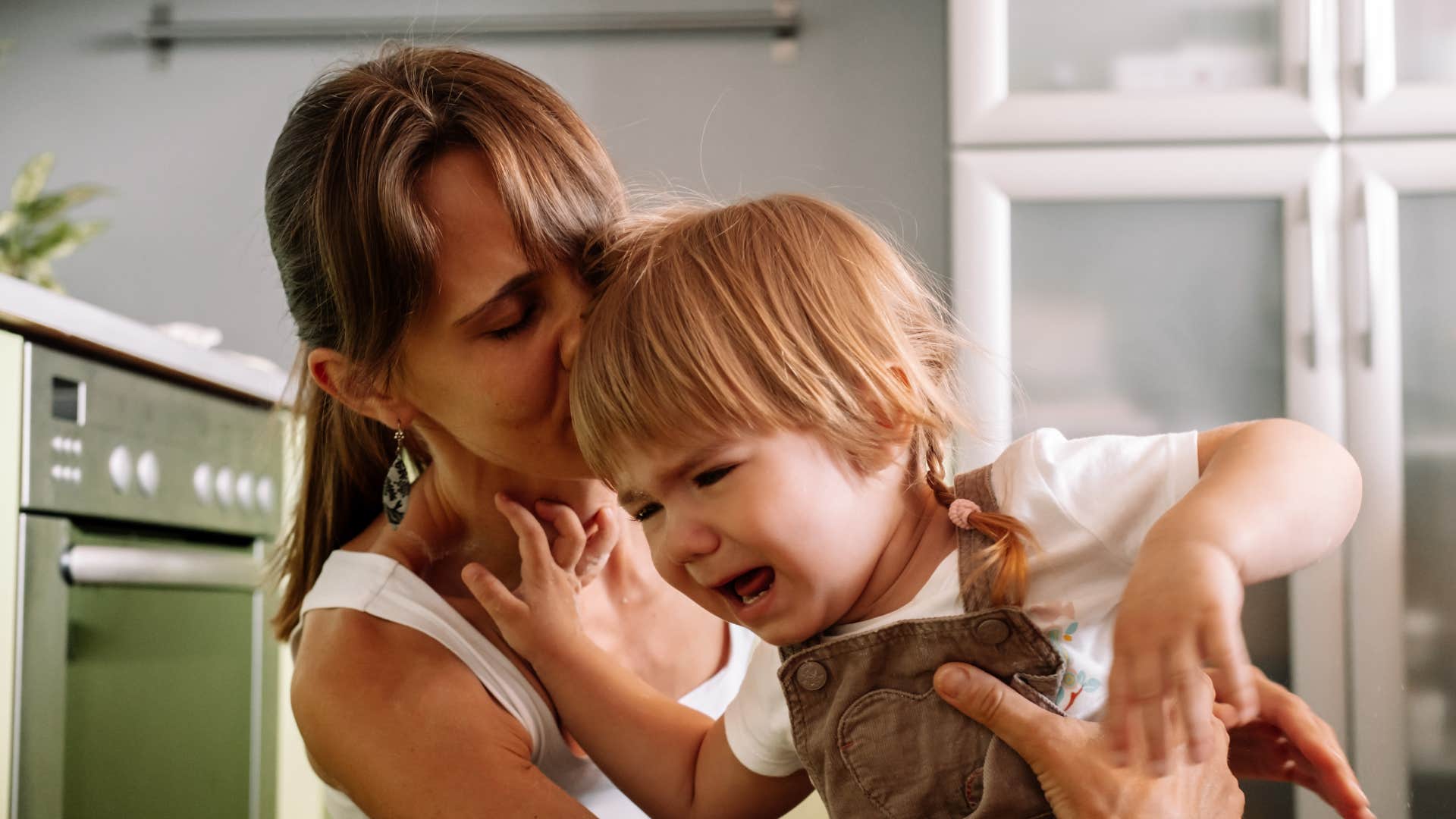
Having kids is very labor-intensive. It's also filled with tons of knowledge bits that tend to be mostly experiential. One of the crucial life lessons only children have to learn the hard way as adults is that their upbringing can affect how they raise their own kids. In fact, only children are often shocked at how much they have to learn when they have kids, even with parenting classes available.
Siblings, especially older siblings, are not shocked by what it takes to raise a kid. They often were the babysitter on call in the family, and when they weren't doing that, they were observing their parents changing diapers. In larger families, older siblings often acted more like a parental figure than a sibling, though that isn't always a good thing.
8. Teaching is an art, too
 SynthEx | Shutterstock
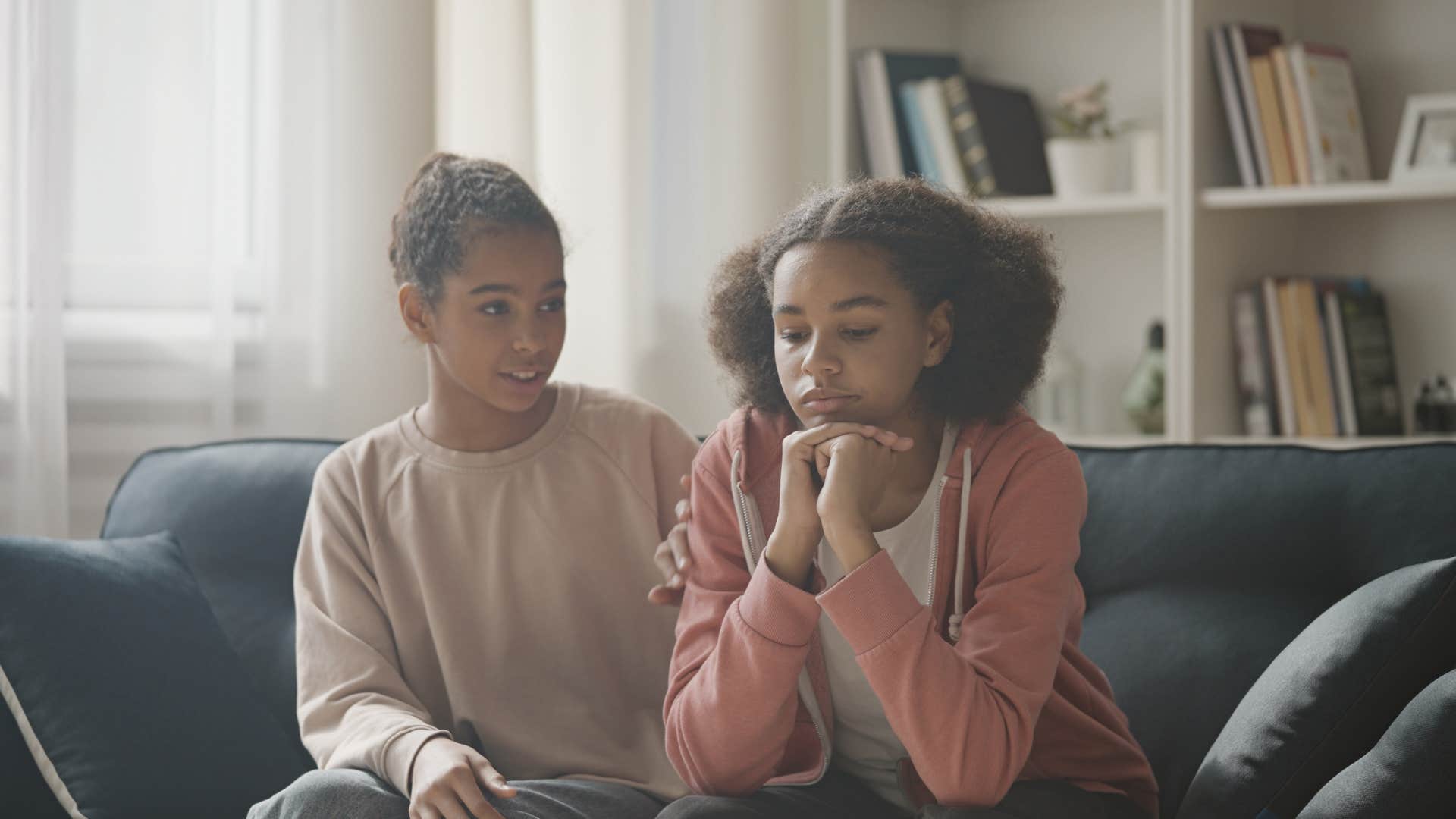
Let's face it: Being a sister or a brother means that you're going to end up teaching your sibling at least one or two things, even if it's something like how to sneak out after midnight. Teaching isn't always easy, especially if you have siblings who don't pay attention.
While many only children end up being capable teachers, siblings who had to spend hours tutoring their younger siblings always have that extra experience. (That, and they often seem to be a little more thankful to tutors at school.)
9. Relationships can make or break you
 fizkes | Shutterstock
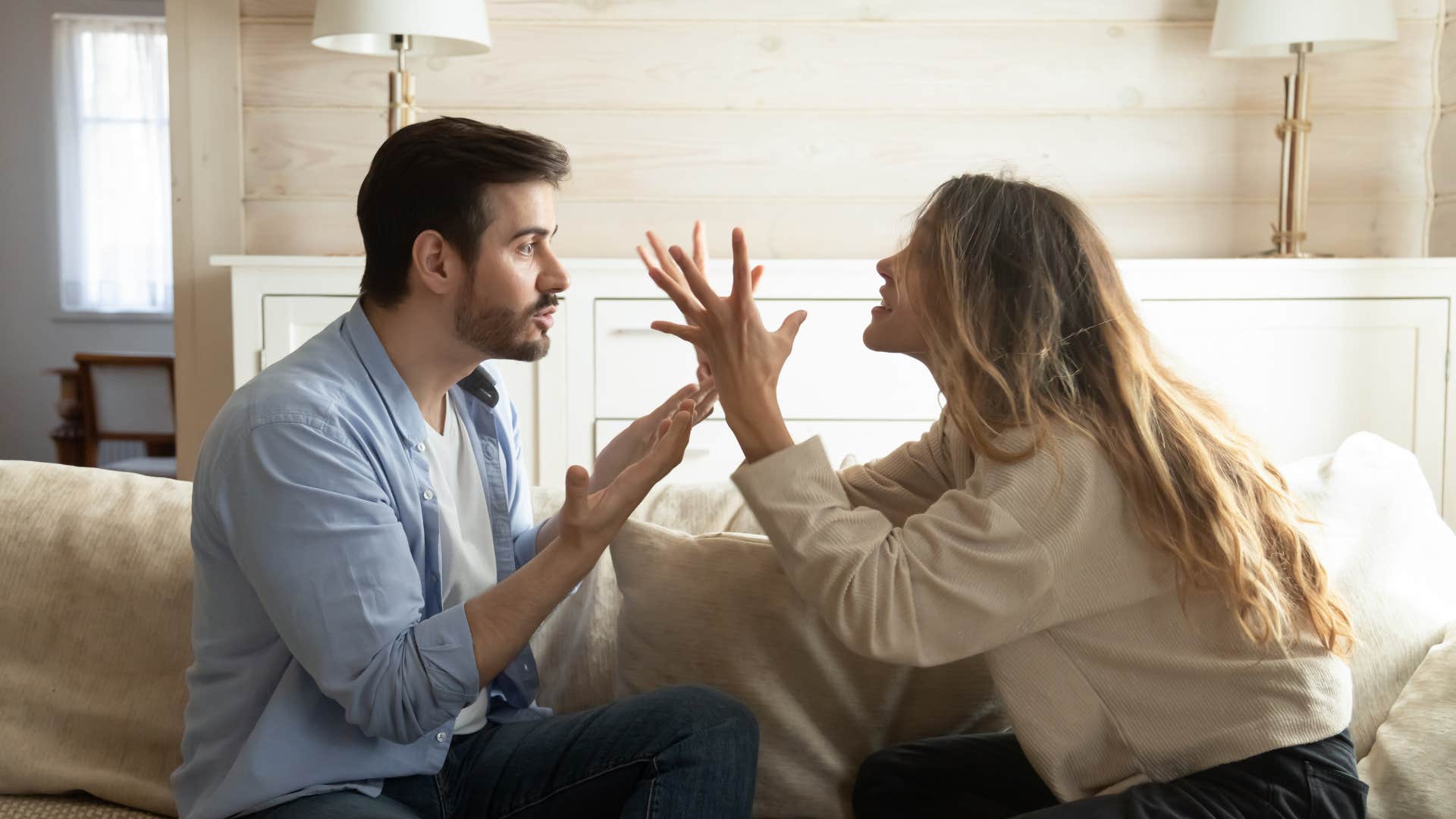
True story: a friend of mine had a sister who ended up with a controlling man. Watching her sister suffer at his hands turned her off to dating permanently, even though she was attracted to men. It was traumatic, but it was also a teaching point for her. She realized she'd rather be alone than in bad company.
So, only children rarely ever see how damaging a toxic relationship can be with a person of their own age until they're adults. Seeing siblings navigate relationships can help you make healthier choices without having to experience the pitfalls firsthand.
10. You might learn about whether or not you want kids or a large family
 shurkin_son | Shutterstock
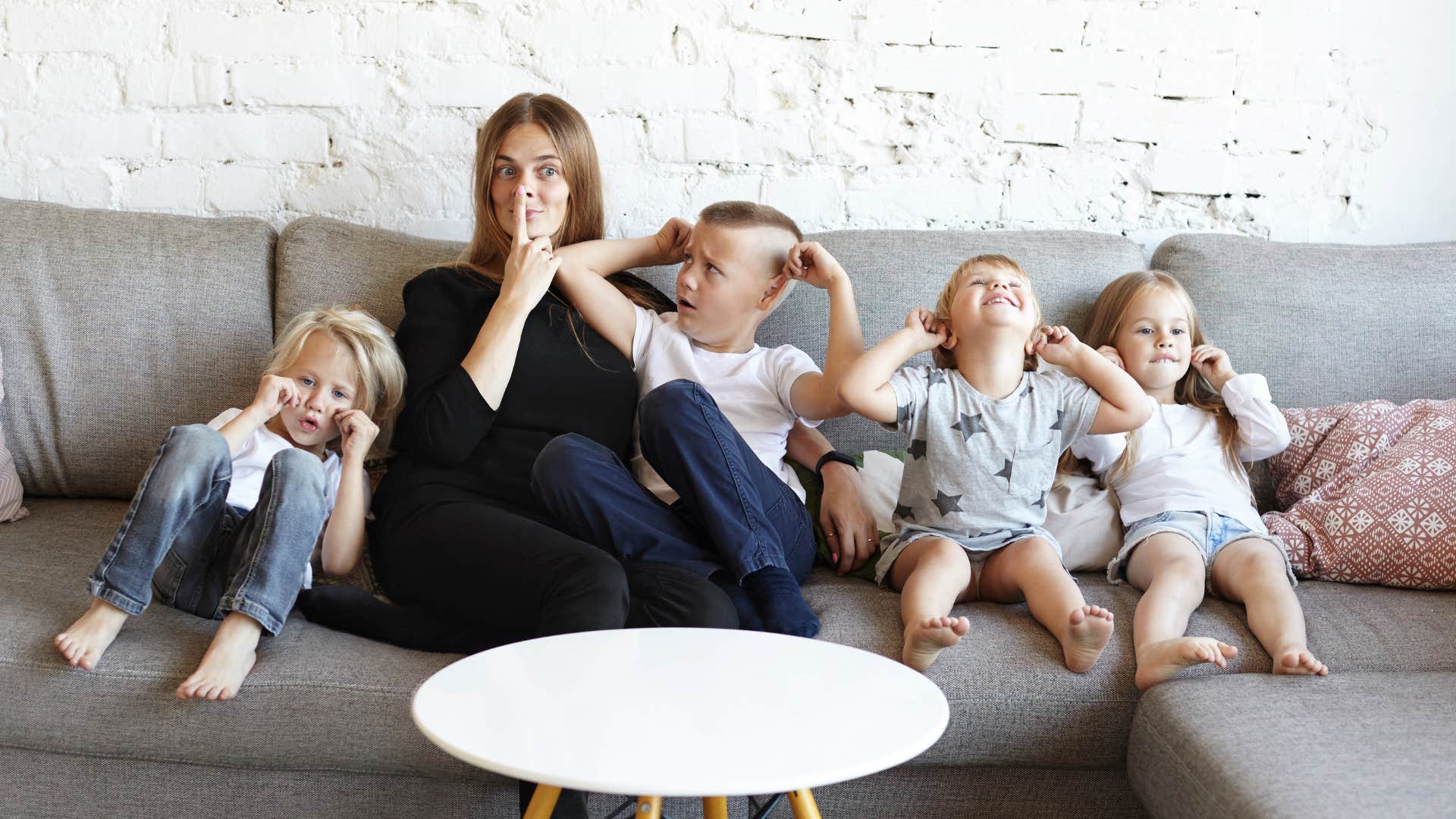
One of the more obvious things that having a brother or sister can teach you is about your own personal preferences. If you grew up in a large family, you know all the perks and pitfalls that come with having six or seven siblings, which is another of the crucial life lessons only children have to learn the hard way as adults.
Only children often have a romanticized view of what a large family is like. For example, I thought it was like living in "The Brady Bunch" when, in reality, it's more like "Malcolm in the Middle" in most cases. Siblings know what it's like and if it's what they want for their kids.
11. Learning the importance of family becomes a lot more real with siblings
 Chay_Tee | Shutterstock
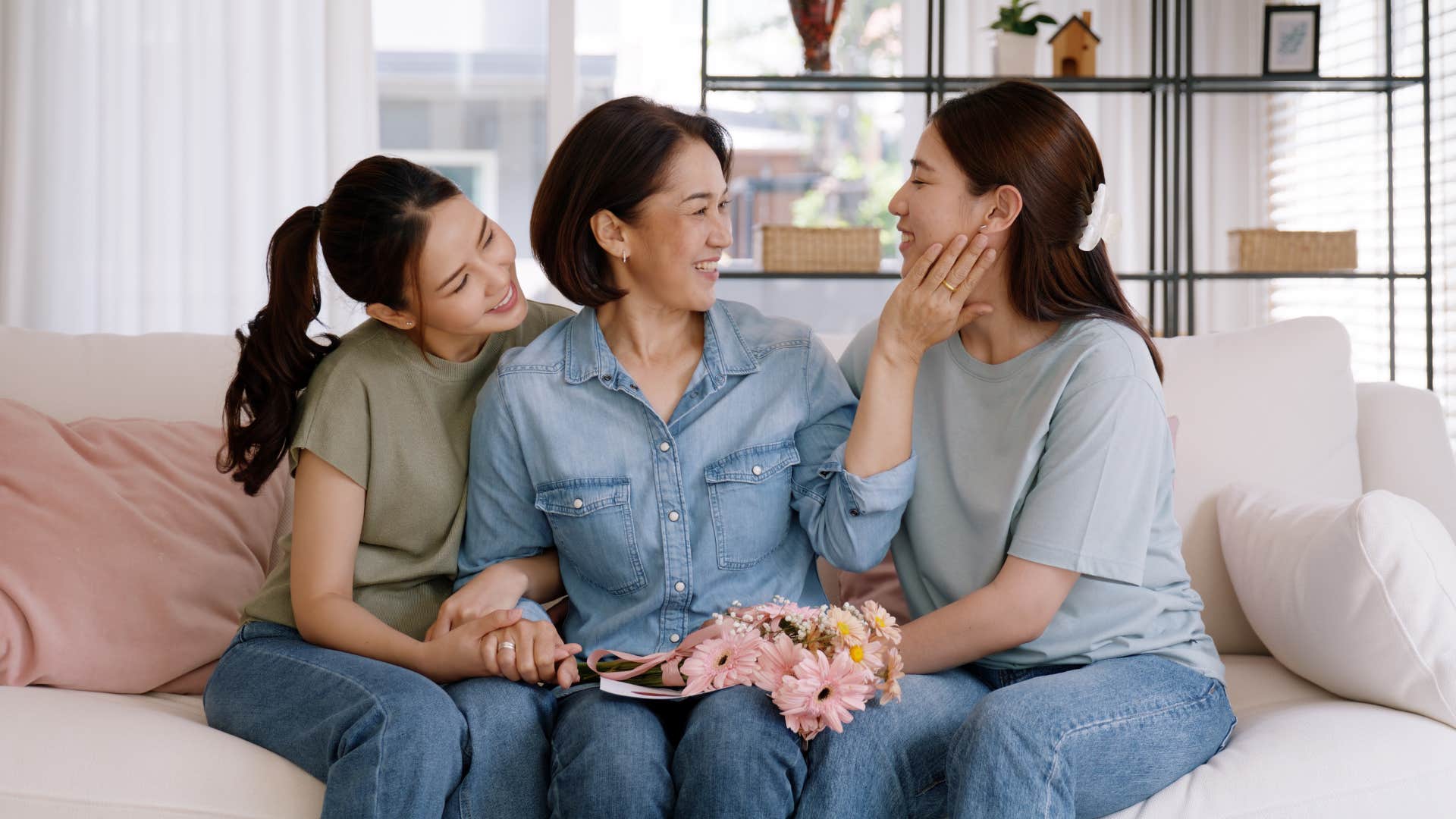
A lot of only children tend to take family for granted until they have a parent pass away. Then, they panic because they might only have that parent around — or, if they're lucky, a bunch of cousins. It can be a seriously scary thing.
Siblings often realize how important family is earlier on, because they end up relying on one another in a way that only children never experienced. I mean, what sibling hasn't relied on their big brother to save them from a bully? What sibling hasn't relied on a sibling for advice on dating?
Ossiana Tepfenhart is a writer whose work has been featured in Yahoo, BRIDES, Your Daily Dish, Newtheory Magazine, and others.
