
Parents Who Raise Creative Thinkers Usually Have These 11 Rare Traits
 LightField Studios / Shutterstock
 Children who grow up with the ability to think outside the box develop unique skills that allow them to conquer their future. Research has found that allowing children space to grow as creative thinkers is important to their overall well-being, and parents who raise creative thinkers usually have rare traits that foster their children's growth.
Sometimes, parents can become caught up in the rigid ideas of what they believe parenting should look like. They may have grown up in an authoritative household where control was their parents' top priority. As a result, they may struggle to allow their children the space to become creative. It takes a unique and rare type of parent to allow true creativity to flourish in their home, but those who can provide this kind of space typically raise successful adults.
Parents who raise creative thinkers usually have these 11 rare traits
1. They thrive in a messy house
 kali9 from Getty Images Signature via Canva
Some parents are strict about the appearance of their homes. Being clean and orderly can be the most important thing to them. When parents have the rare trait that allows them to flourish in a messy, out-of-order environment, they raise creative thinkers. They know the importance of letting their children express themselves, even if that means creating a bit of chaos.
Research from the University of Iowa shows that messy kids make better learners. When studying a 16-month-old, parents who allowed the child to make a mess in their high chair found that they became more inquisitive. Of course, it’s fair not to want your children to destroy your house. However, parents who have the rare trait that allows them to have their children make a mess in the name of learning raise creative thinkers.
2. They love answering questions
 kate_sept2004 from Getty Images Signature via Canva
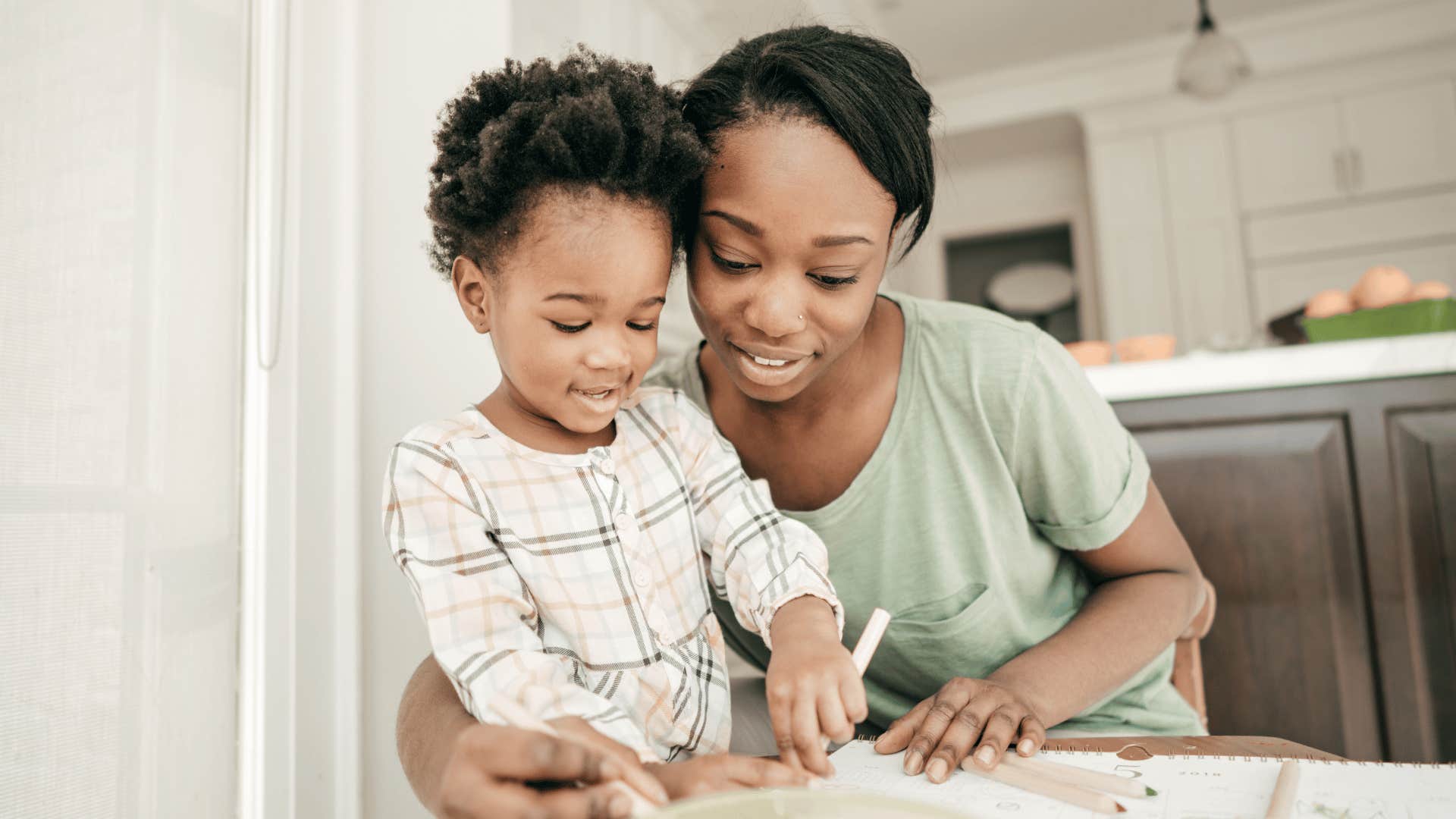
Fielding questions from an inquisitive kid all day can be exhausting. Some parents struggle with it more than others. Those who encourage their children to ask questions and provide the answers are setting them up to be creative thinkers. They encourage their minds to turn, processing new information with ease.
A study done by Talker Research found that parents who responded to their survey valued nurturing curiosity. However, they struggled with things like telling their children to be careful too often, stunting their curiosity somewhat. Of course, keeping your child safe is always the priority, but parents with this trait are comfortable letting their kids learn through both answers and modeling, making them extraordinarily creative thinkers as adults.
3. They enjoy quiet time
 RDNE Stock project from Pexels via Canva
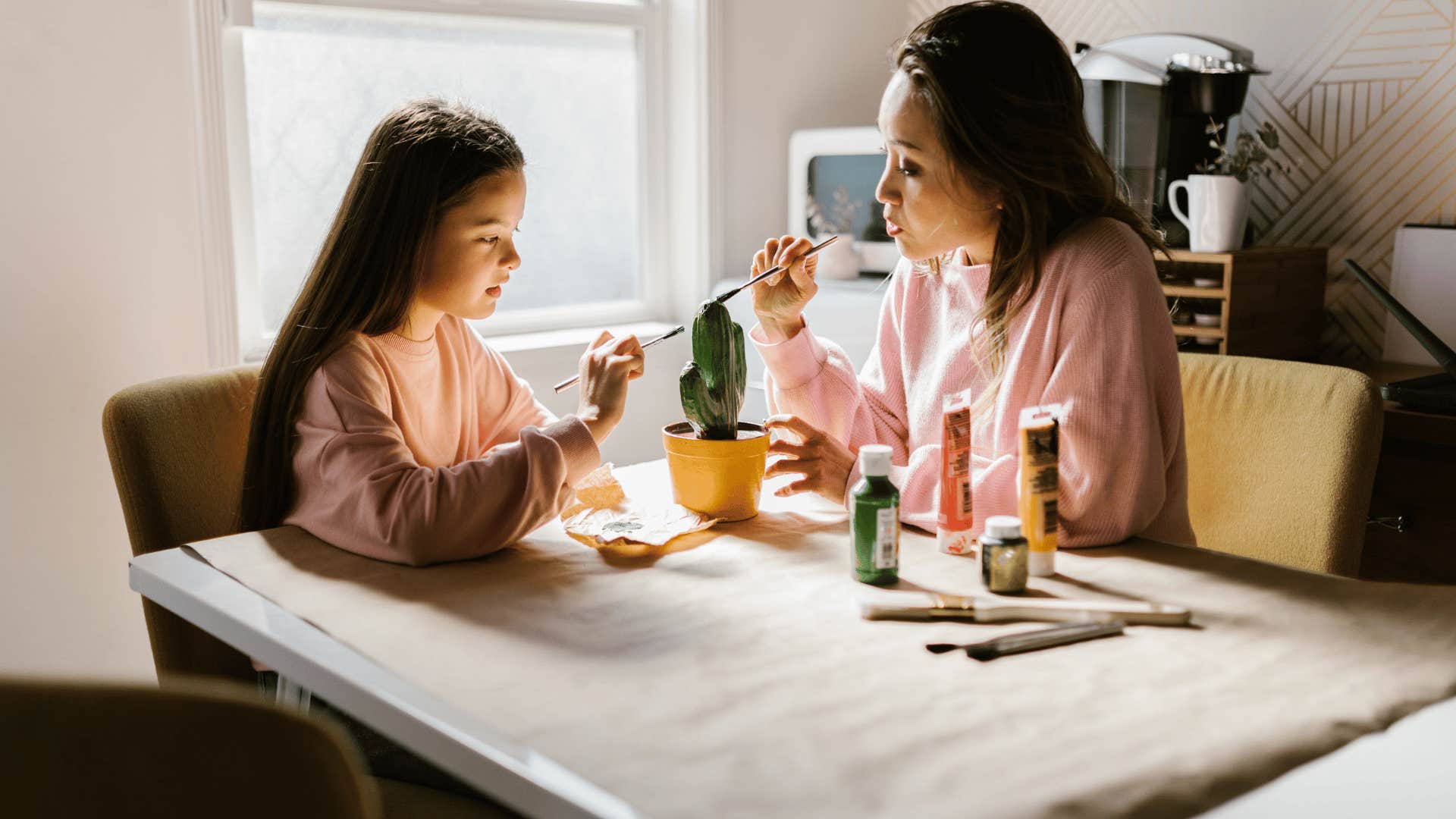
We all know parents who let their children run amok. It’s important to let your children explore and vocalize their feelings. When a parent has the rare trait that allows them to enjoy quiet time in their home, they are encouraging their children to take time for themselves. Whether that’s to read or to let themselves be bored, these moments of silence can allow children to become creative internally, instead of having it forced on them by adults.
Kids who rely too much on screens to entertain themselves can prevent themselves from becoming creative thinkers. Parents who encouraged time away from their devices to allow their minds to wander introduced them to creative thoughts. In these quiet moments, they became creative to entertain themselves, research has found.
4. They allow disagreements
 LittleBee80 from Getty Images via Canva
‘Can’t we all just get along?’ some parents may ask. On the flip side, parents who do not get overwhelmed by their children's disagreements with each other promote creative thinking. Disagreements allow us to form our own opinions and strengthen our ideology. Of course, avoiding arguments is important, and hashing out disagreements can do that. It also allows children to learn another perspective. Opening their eyes to a different idea will strengthen their creativity and understanding.
“It turns out that highly creative adults often grow up in families full of tension. Not fistfights or personal insults, but real disagreements,” says Professor Adam Grant for the New York Times. “If no one ever argues, you’re not likely to give up on old ways of doing things, let alone try new ones. Disagreement is the antidote to groupthink. We’re at our most imaginative when we’re out of sync. There’s no better time than childhood to learn how to dish it out — and to take it.”
5. They are creative themselves
 Rido via Canva
It’s no surprise that parents with creative traits raise creative thinkers. Growing up in a home that embraces art, open-minded conversations, and room for mistakes allows children an open environment to think things through. They can then implement their own creativity. Whether that’s through some sort of art or a different form of thought, it’s a positive experience for children.
One study found that parental rules, routines, and resources shape a child’s creativity into adulthood. Parents who offered a more open-minded, creative space raised children with those skills. The climate for creativity in the home fostered expressiveness in their kids. Imaginative parents fostered the same trait in their children.
6. They aren’t bothered by noise
 kate_sept2004 from Getty Images Signature via Canva
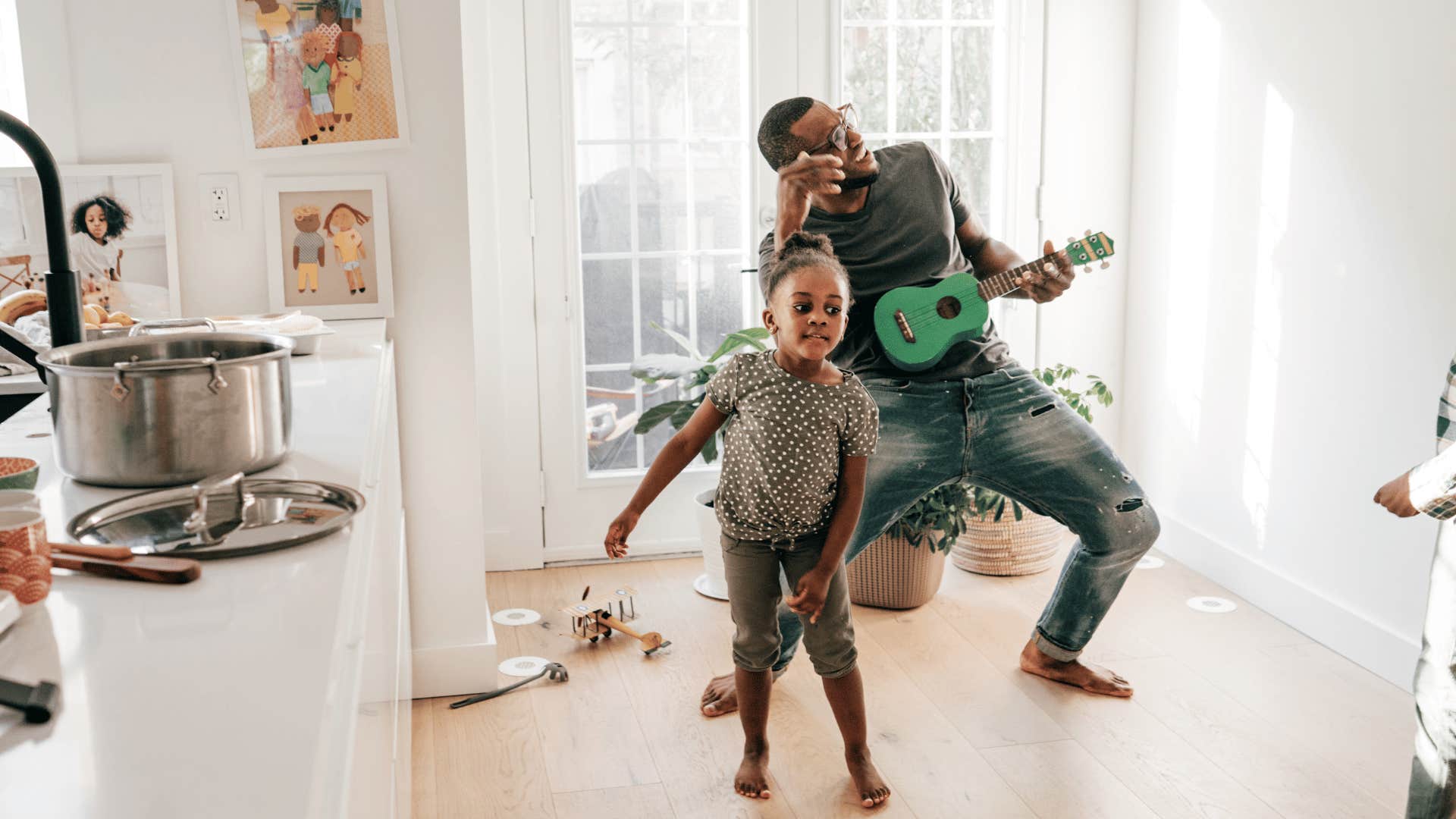
While it’s positive if a parent has the trait that encourages quiet time, it’s also important for them to embrace the noise. Whether it’s the loudness of their kids acting out and working through problems, or practicing an instrument, being comfortable in a loud environment breeds authentic creativity. Though they may get sick of the constant noise, they know its importance. They can look past the loudness for the child's greater good.
Creative activities can be noisy. Rare parents can thrive in an environment like this for the sake of their children. A study found that parents and children who share creative moments have a stronger bond and enjoy spending time together. If that comes with a little noise, these parents embrace it.
7. They are understanding
 Jupiterimages from Photo Images via Canva
Understanding parents makes a difference in their children’s lives. Those with this rare trait know that mistakes are bound to happen. They do not expect their children to be perfect. Forcing perfection restricts creativity and brings forward a rigid life. Instead, they want their children to know that success only comes along with failure, and they are there for them every step of the way.
Psychology Today found that as children lost the freedom to experiment, their creativity declined. “Creativity is nurtured by freedom and stifled by the continuous monitoring, evaluation, adult-direction, and pressure to conform that restrict children’s lives today,” says Peter Gray, Ph.D. Instead, allowing children to try things and ultimately fail will allow them to grow as creative thinkers and strong individuals. Understanding their choices and quirks helps them grow in the long run.
8. They love positive affirmations
 nemke from Getty Images Signature via Canva
Positive self-talk is an important trait for creative thinkers. We can stifle our own creative ability by being too hard on ourselves. Overthinking and creating situations where we doubt our choices can lead to difficulty. Parents who have the rare trait that allows them to give their children positive affirmations, no matter the situation, foster a healthier environment for creative thinkers.
People have a basic need to maintain self-integrity, according to a study conducted by Stanford University. When self-doubt creeps in, it can be devastating to the creative thought and abilities of children. The practice of positive self-talk starts in the home. When parents allow this trait to flourish, their children will as well.
9. They value emotional expression
 triloks from Getty Images Signature via Canva
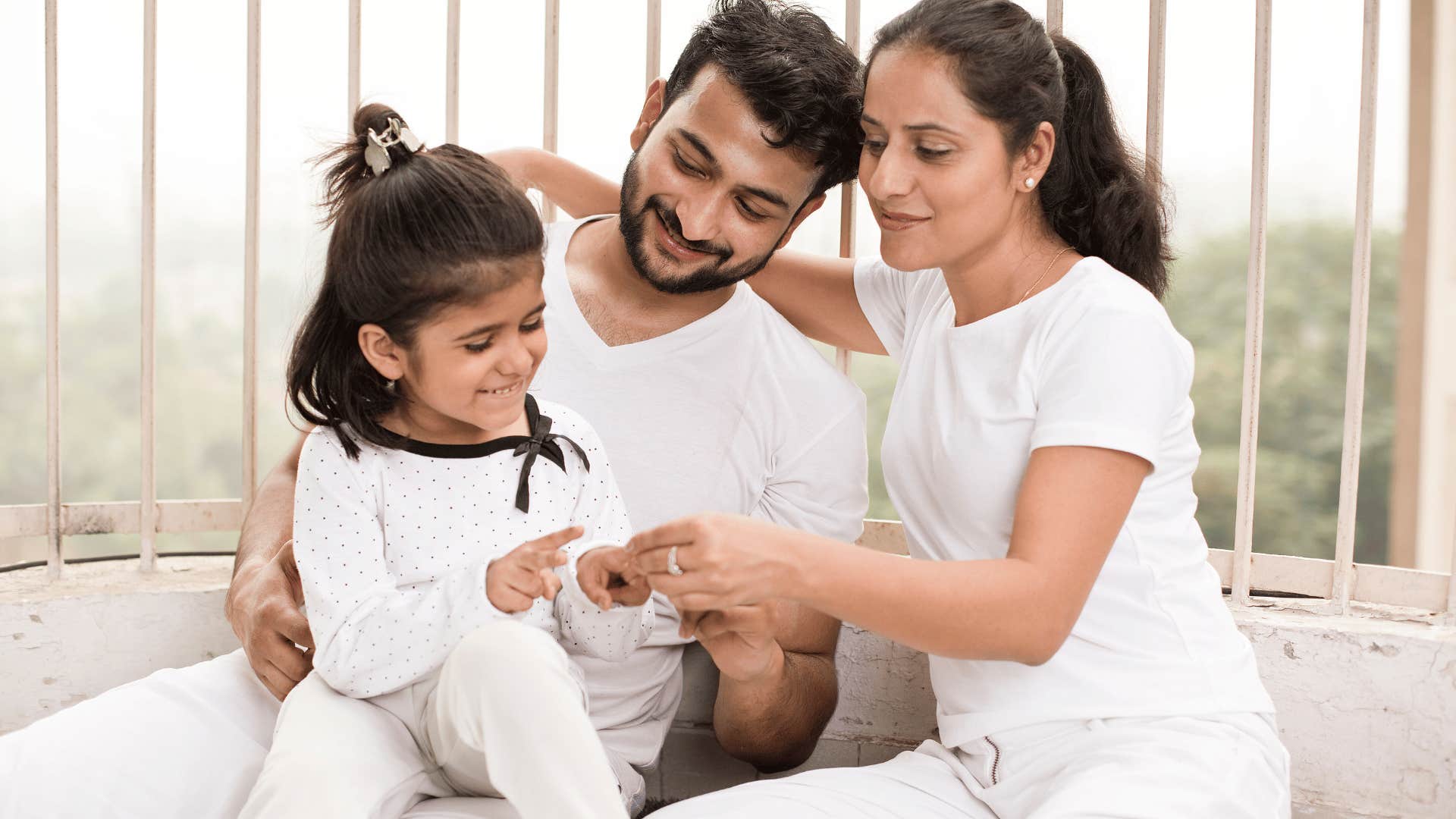
Emotional expression is important, especially when raising creative thinkers. It fuels creativity, science has found. Emotional expression not only supports our creativity, but it also makes us well-rounded individuals. Parents who express their emotions healthily promote the same openness in their children.
Connecting emotionally with others makes one a more creative thinker. They can understand where other people are coming from. It makes them more open-minded. It also allows them to express themselves properly as adults to the people in their lives, making them emotionally mature.
10. They are compassionate
 studioroman via Canva
Compassion goes a long way, especially in parenting. When a child grows up in a comforting environment with the support of their parents, it has a positive impact on their overall well-being. According to research, mindful parenting allows children to have more creative liberty. They watch their parents model compassion and absorb it into their lives.
“Compassionate parents set firm limits about important issues of safety, health, learning, education, money management, and morality. With everything else, they encourage cooperation. The key to cooperation for children and adults is showing value,” says Steven Stosny, Ph.D. Cooperative and understanding children from compassionate parents become more creative thinkers.
11. They are trusting
 RuslanGuzov from Getty Images via Canva
Parents who have the rare trustworthy trait allow their children to carve their own paths. They want them to learn for themselves. They trust the process. They harbor their creativity by allowing them to do what they want, within reason, of course.
Parenting style leads to how a child grows as a creative thinker, research has found. “In the family environment, the parent-child relationship represents the earliest and most important social relationship that could last for life,” the study reads. When parents and children have a mutual, trustworthy relationship, it can spark creativity. They also grow together by experiencing things and evolving their mindset. Trusting your child can give them the gateway to a creative mind.
Haley Van Horn is a freelance writer with a master’s degree in Humanities, living in Los Angeles. Her focus includes entertainment and lifestyle stories.
