
People Who Wake Up At Least Once In The Middle Of The Night Almost Always Have These 10 Distinct Traits
 SB Arts Media | Shutterstock
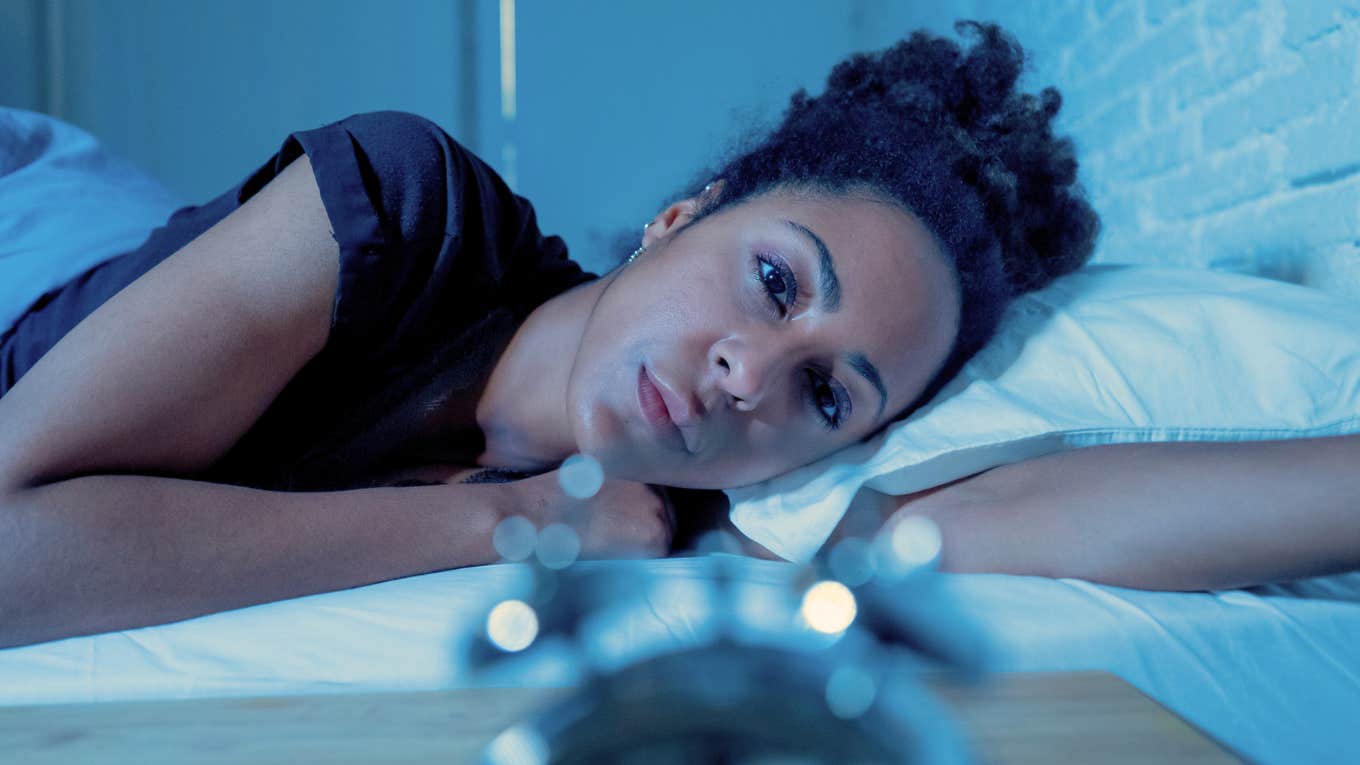
 While people experiencing this regular sleep pattern of waking up mid-sleep might have written it off or normalized it as something everyone goes through, a 2014 study argues that it’s actually more serious than it might seem. Not only are people who regularly wake up in the middle of the night more tired in the morning, regardless of how much they actually sleep in, but they’re at risk for worsened mental and physical health. But it’s not an inherent experience. With the right traits and behaviors, they can get the rest they need and deserve.
Many people who wake up at least once in the middle of the night almost always have certain distinct traits, from overusing their phones to bringing work into their bedroom. They might feel harmless in the moment, but they’re overloading the brain, sabotaging natural sleep processes, and crowding what should be a restful space with too much productive energy.
People who wake up at least once in the middle of the night almost always have these 10 distinct traits
1. They use their phones in bed
 Andrey_Popov | Shutterstock
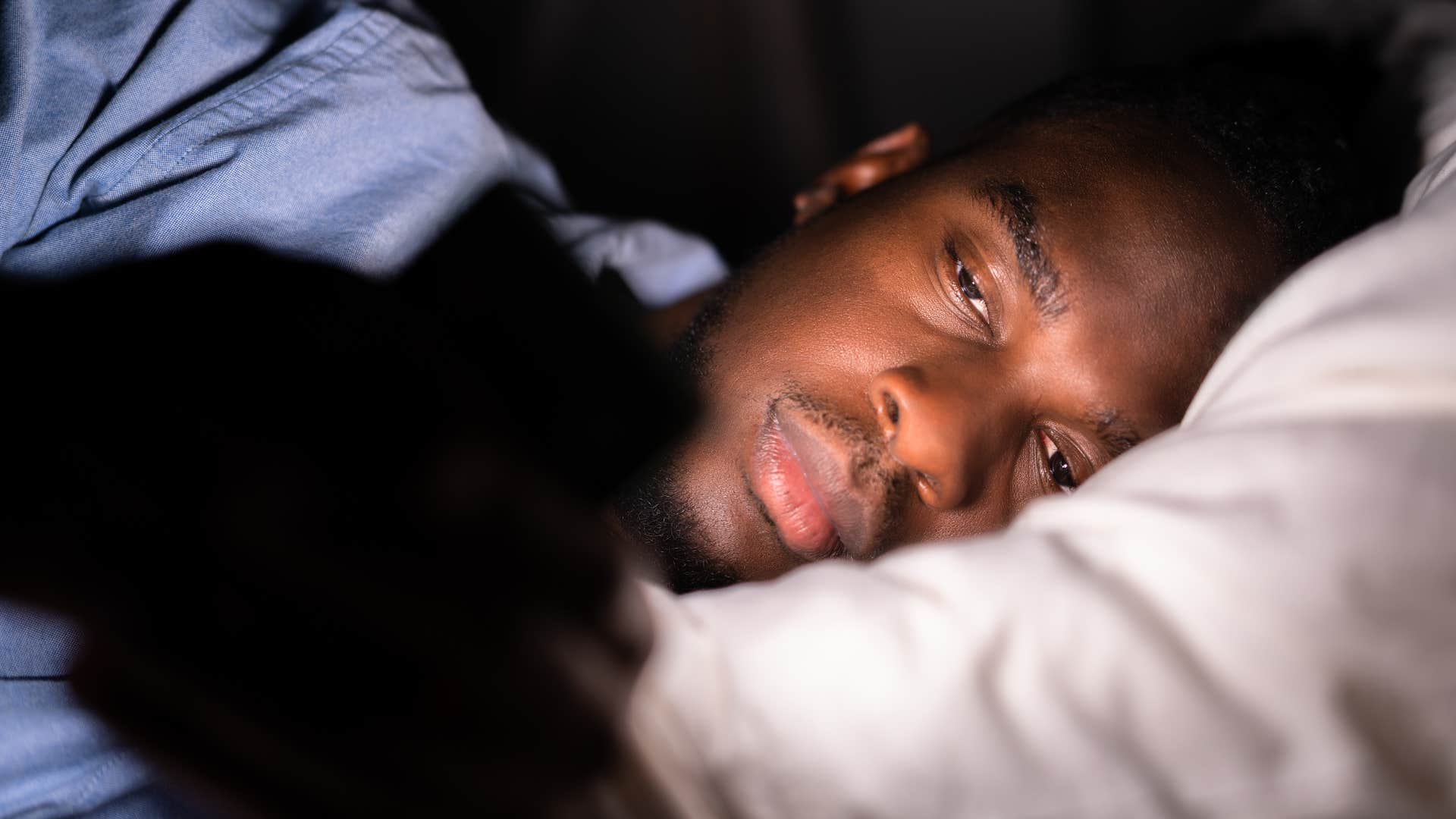
According to a study from Sleep Science, using a phone in bed not only increases the “waketime sleepiness” someone experiences during the day, but it also sabotages their quality and duration of rest at night. Even if it’s just for a few minutes, using your phone in bed before falling asleep or doomscrolling from the minute you wake up overloads your brain during an incredibly impressionable time.
If you’re sabotaging the brain's ability to wake up or rest naturally, you’re immediately jumpstarting your body and nervous system into “fight or flight” before you even start the day.
2. They’re overthinkers
 MAYA LAB | Shutterstock
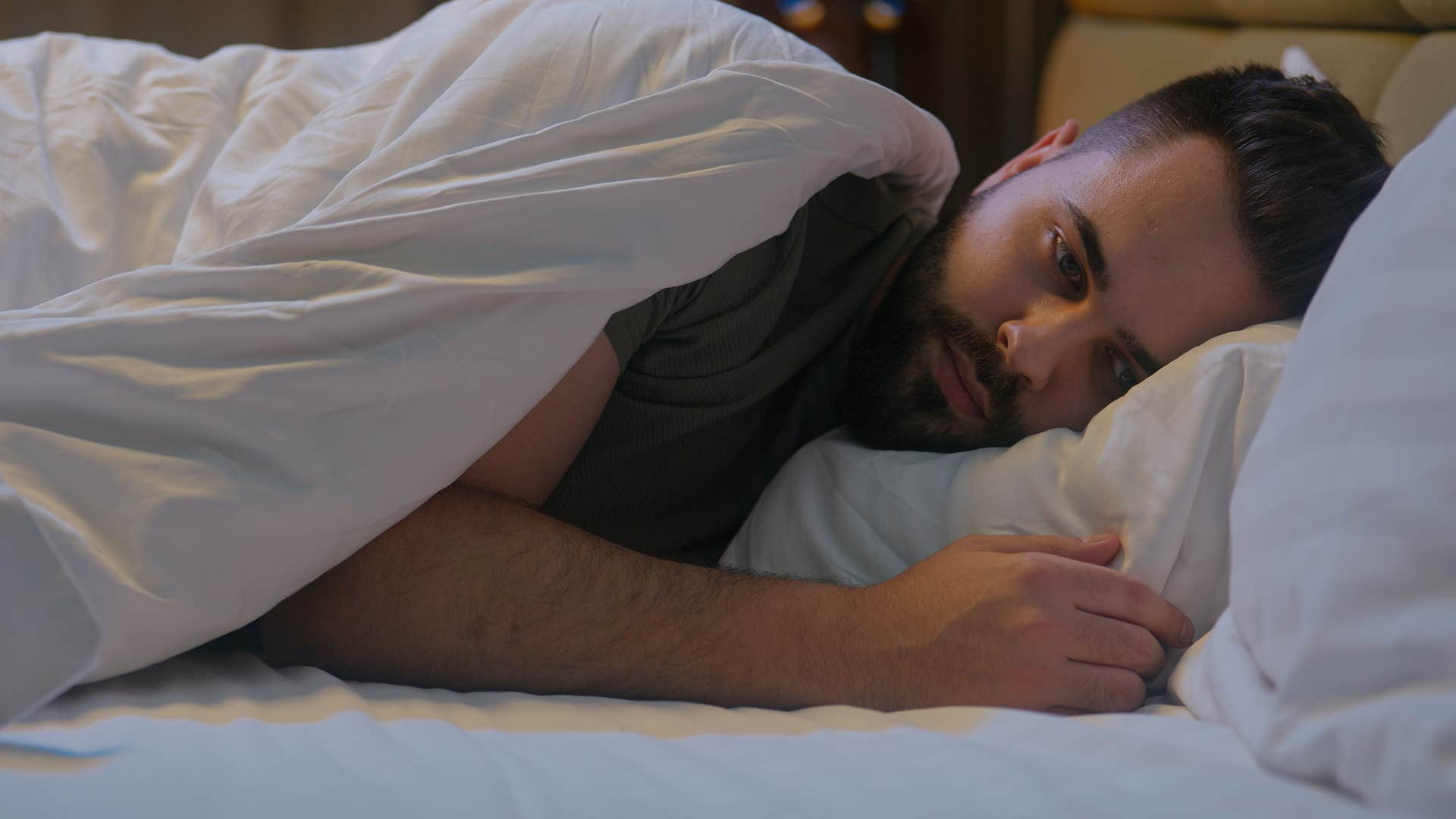
From replaying the day’s interactions and conversations in their mind to worrying about their obligations for the next day, it’s usually overthinkers who are thrust into poor sleeping habits and unexpected early morning wakeups.
Especially considering healthy sleep duration and rest are associated with cognitive processes and emotional well-being, as a study from Frontiers in Network Physiology explains, it’s not surprising that these overactive minds are thrust into a cycle of poor sleep, overthinking tendencies, and anxiety.
3. They’re lonely
 amenic181 | Shutterstock
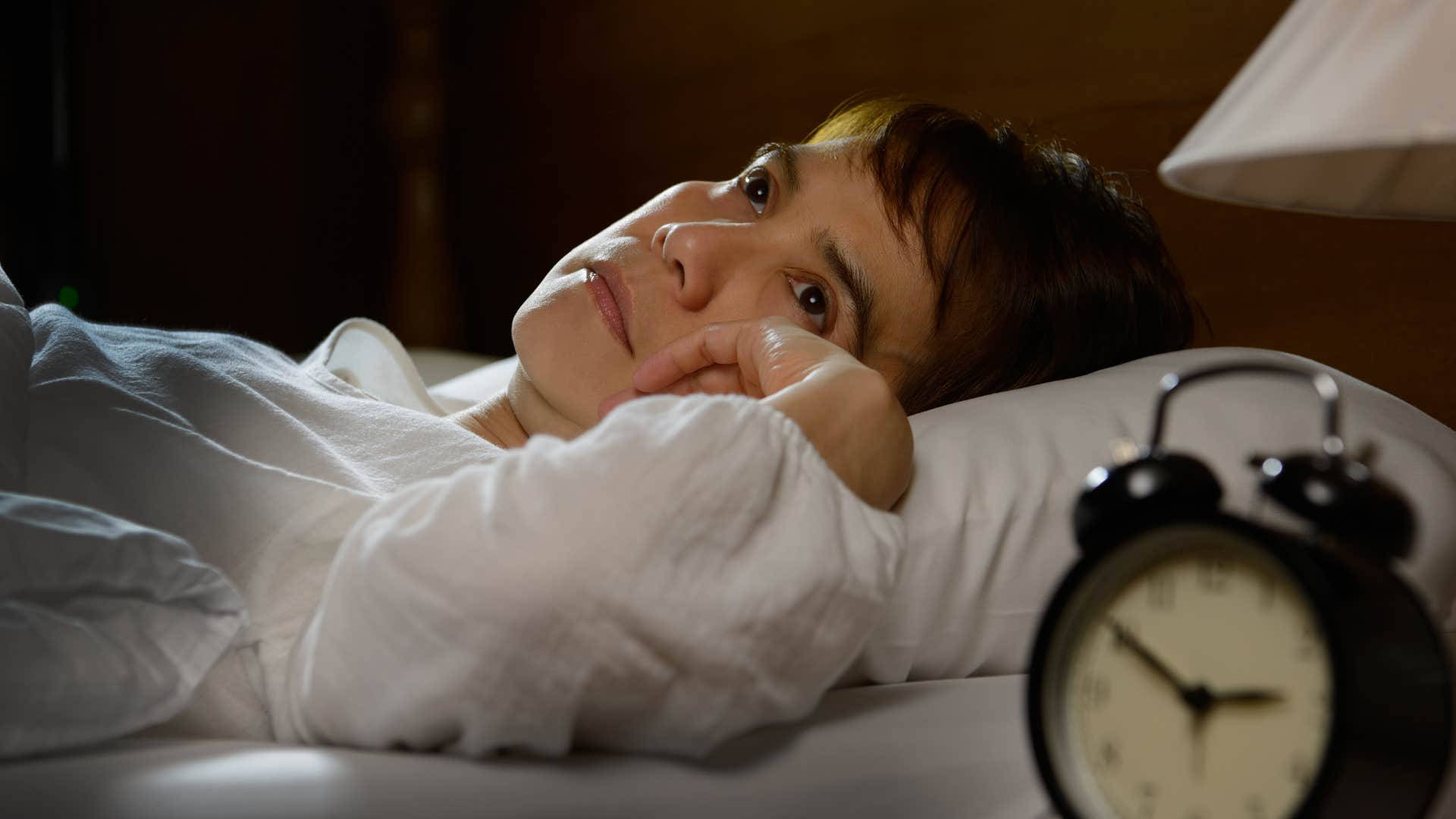
Many people cope with loneliness by leaving their lights on at night or sleeping with background noise from the TV, and while these traits can bring a fleeting sense of comfort before falling asleep, they also make sleep disturbances more common. As a study from Somnologie explains, light exposure and noise disturbances harm the body’s natural circadian rhythms and can alter sleep duration and quality at the “wrong” times of day.
The same goes for the light from someone’s phone before falling asleep or the noise from an overactive city throughout the night. It’s these people who tend to get frustrated waking up at 1 AM and being unable to fall back asleep.
4. They’re anxious or depressed
 Frame Stock Footage | Shutterstock
While it might feel like a stretch to consider that your neurotic tendencies are the reason behind your early morning wake-ups, a study from the Journal of Sleep Research found that there are more connections between personality traits and insomnia than we realize. From neuroticism to openness, a person’s innate traits may be influencing their poor sleeping habits and rhythm.
Of course, most people understand that sleep disorders and shifting sleep patterns are common symptoms of depression, but for other neurotic traits like anxiety or a tendency to overthink, we’re less aware. With the right combination of self-care, mindfulness, and routine, these people can reclaim this rest for themselves and protect themselves from a spiral of exhaustion, both on an emotional and physical level.
5. They’re workaholics
 PeopleImages | Shutterstock
According to experts from Harvard Medical School, the stress and anxiety that “workaholics” tend to take on, often unknowingly, in their minds and bodies can contribute to nightmares that predict insomnia and poor rest. They’re waking up in the middle of the night, because their minds and bodies are trying to process their chronic stress, even if it leaves them feeling more fatigued and exhausted navigating the next day.
Especially when the distress and anxiety from these nightmares make it harder to fall back asleep, they’re plunged into a cycle of exhaustion, stress, burnout, and poor sleep that amplifies all their symptoms.
6. They’re impulsive
 PeopleImages | Shutterstock
While impulsivity can often encourage people to stay up later, indulge in more mindless entertainment when they should be resting, and say “yes” to projects and events they can’t realistically manage without sacrificing sleep, there are more nuanced reasons why people who wake up at least once in the middle of the night have this distinct trait.
Surprisingly, as a study from Appetite explains, people with impulsive personality traits also tend to have a higher tendency to drink caffeine throughout the day. If they’re drinking it too late or over-consuming it, that can quickly affect their ability to fall and stay asleep throughout the night.
7. They’re incredibly extroverted
 Jasen Wright | Shutterstock
While extroverted tendencies can often encourage people to sacrifice their sleep in favor of social events and combating “FOMO,” a study from Health Psychology found that extraversion as a general personality trait is often linked to worsened sleep quality.
Especially for extroverted, prosocial people who seek validation, comfort, and security from social settings and others, there’s a chance that the quietness and solitude sleep requires is uncomfortable for them to lean into. They’d prefer to spend their time outside of the house and with other people, even if it means avoiding the rest and relaxation they need to get good sleep every night.
8. They’re perfectionists
 Lazy_Bear | Shutterstock
Many perfectionist people hold themselves to unrealistic, unsustainable expectations in every aspect of their lives, which often leads to a baseline “fight or flight” mode in their nervous system. They’re always worried about being productive and making progress, even when they’re lying in bed at night trying to fall asleep.
It’s these anxious tendencies, overthinking patterns, and constant internal pressure that prevent their bodies and minds from being able to relax completely, and often leads with early morning and late night wakeups that sabotage their quality of rest.
9. They’re constantly busy
 Vitaliy Abbasov | Shutterstock
Many people who distract themselves with chronic busyness and an overscheduled routine struggle to get the rest they need at night. Especially if this is a misguided coping mechanism for avoiding alone time and the quietness of solitude at night, they often end up too anxious and overextended to relax when they finally make it home.
As a study from the Journal of Sleep Research explains, people who live overly stressful lives and take on unnecessary amounts of stress in their routines are more likely to struggle with sleep quality and duration, leading to late-night wake-ups that leave them tired and exhausted the next day.
10. They’re avoidant
 Adriaticfoto | Shutterstock
Many people with naturally avoidant tendencies and traits struggle to get the rest they need, especially when they’re in bad relationships or struggling to embrace their alone time without taking on anxiety about the introspection it requires.
For example, as a study from the Journal of Sleep Research explains, if a partner is avoiding quality time with their partner by staying up later or going to bed at a different time, that could negatively affect their sleep quality.
Avoidance tends to bring dysregulated people a sense of instant peace and comfort, but it’s fleeting. The more someone avoids the thing that’s making them anxious, the more stress and tension that specific thing holds over them in their lives.
Zayda Slabbekoorn is a senior editorial strategist with a bachelor’s degree in social relations & policy and gender studies who focuses on psychology, relationships, self-help, and human interest stories.
