
People Are Sharing Normal Things From The 90s That Feel Like Total Luxuries Today
 Cabeca de Marmore | Shutterstock
 In every era, there are positive and negative aspects to life. For every change that’s instituted as time passes, there are both gains and losses. Someone on the Reddit subreddit r/AskReddit, where people can ask questions to the online community, posed an interesting exercise to followers, asking them to list things that were normal in the 1990s that are now considered luxuries.
Gen Z might have higher incomes than previous generations if they can find a job, reported the Journal of Consumer Affairs, but massive spikes in housing and education costs mean their money doesn't go as far.
The high price of essentials makes it much harder for young adults to build wealth and get ahead. While the Economic Policy Institute found that the U.S. economy has grown enough over the last few decades to significantly improve the living standards of all families, the wealth was concentrated at the top rather than being shared.
People are sharing the ‘normal’ things from the 90s that feel like total luxuries today:
1. Paying no more than 30% of your income in rent
One person shared that in the 90s, “paying no more than 30% of your income in rent” was normal; now, it’s almost unheard of. Others echoed that sentiment, stating, “single-income families buying a home” and “buying a home in general.”
A 50-year study showed that spending over 30% of income on housing is no longer just a temporary issue but a long-lasting, deep financial crisis for many American renters.
2. Buying a house
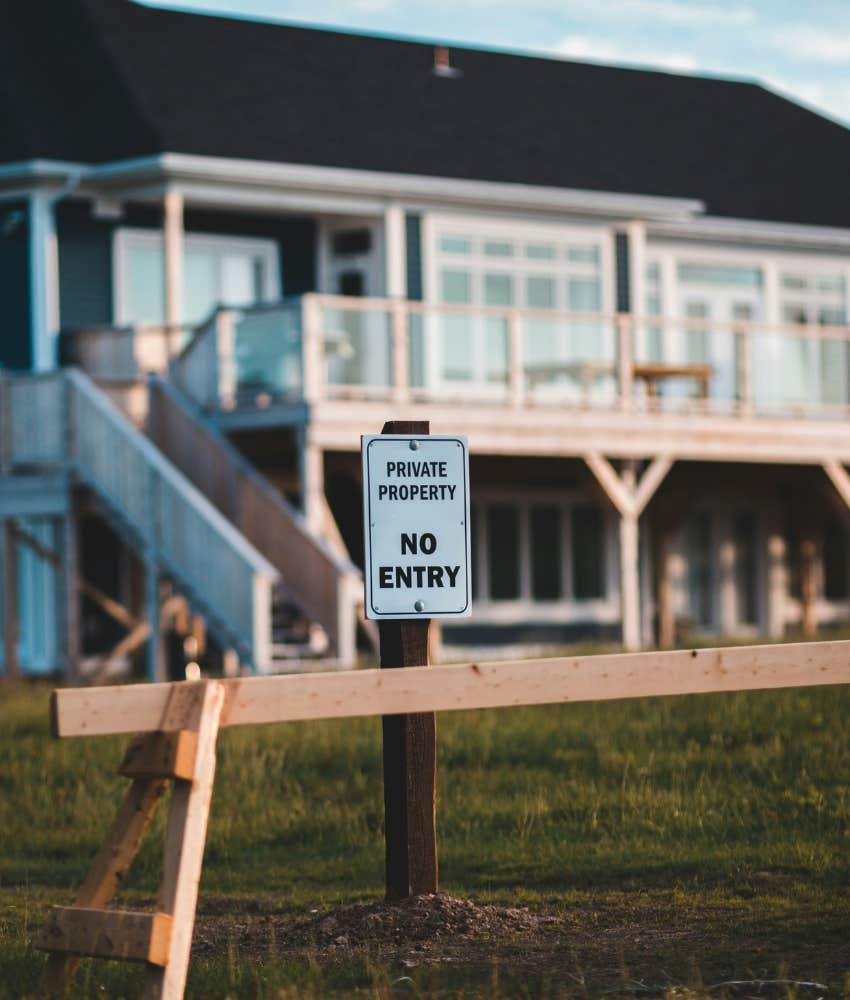 Photo by Erik Mclean on Unsplash
“A lot of double-income families struggle to own a home,” noted one user. Someone else explained that they’re “Double-Income-No-Kids [and] still can't afford a house.”
The high price of housing in our current time is coupled with the extremely high cost of having children. Pew Center Research explained how home prices continue to rise, far exceeding the general cost-of-living increase, which remains a massive burden for many, especially entry-level buyers.
3. Gas prices
Another person mentioned that people used to pay “$1.15 average per gallon gas prices in the 90s,” showing just how much times have changed, and how expensive modern daily life really is.
Unfortunately, the indicators don't look good for the future either: Economic research has suggested that while markets often ignore risks, high global integration today resembles pre-WWI levels, suggesting another massive conflict could cause enormous, unexpected financial damage that past data won't help predict. Deeply connected global economies make widespread disruption more likely in a major conflict.
4. Furniture made out of real wood
Others explained that the quality of certain items has decreased since the 90s and early 2000s. "New furniture made out of real wood," commented one Reddit user, as something normal in the past. "Nothing angers me more than paying luxury prices for fiberboard-framed garbage," someone else responded.
Analysis of wood furniture industry trends has shown that in the early 1990s, affordable, solid oak furniture was common in US homes and made locally. Today, that has changed: solid wood is now considered a luxury, while most everyday furniture is made from cheaper materials like particleboard or veneer.
5. Quality clothing
“Good quality fabric in clothing,” another person said. “I have clothes from the 90s (and 80s from my mother) that still hold up today. These days, I'm lucky if my shirt isn't saggy and misshapen within a year.”
Clothing has become lower quality and less durable today compared to the 1990s. Research suggested that because of fast fashion, clothes are now made quickly with cheaper, synthetic materials designed to be thrown away rather than last, whereas 90s clothes were built to last longer.
6. Products that didn't break easily
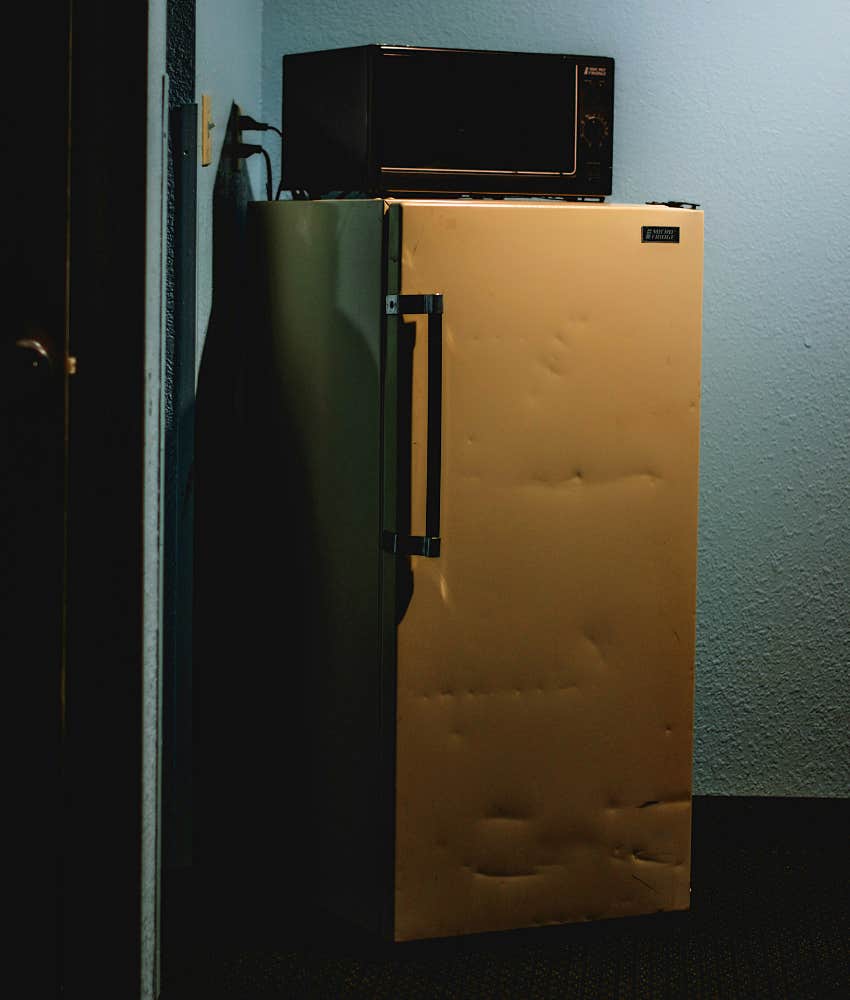 Photo by Dorrell Tibbs on Unsplash
Another person gave the example of “household products that didn't break within the first few years of use.” They offered anecdotal experience, saying, “My grandma had the same fridge from 1993 for a good while before deciding to switch to a newer, bigger one 2 years ago; yes, it broke within those 2 years; my mom's wedding cookware is still going strong 25 years later, but whenever she needs new pans they start flaking Teflon into the food within a few months.”
That teflon is no joke. Researchers found that cooking daily with these materials could add roughly 2,400 to 5,000 microplastic pieces to meals annually, while non-plastic alternatives (like stainless steel or glass) added none.
7. Going to the doctor
Healthcare was another item on the list that seems like a luxury when it’s really a basic human right. “Going to the doctor” was normal, explained one person. “I’m 28, but even when I was a kid, you could go to the doctor when you were sick or hurt. Now I won’t go to the doctor unless I’m dead.”
Studies have outlined that between 1999 and 2009, a typical US family's income gains were almost completely erased by soaring health care costs. Although gross pay increased, massive hikes in insurance premiums, out-of-pocket expenses, and taxes for health services left families with far less monthly spending power.
8. Having downtime
“Not being expected to be reachable 24/7,” commented someone else. Technology is far more advanced now than it was 30 years ago, but the societal expectations of always being accessible put pressure on people. While that’s not the only difference in how we experience the world, it’s certainly a marked one.
Most people’s complaints about modern-day life seem to revolve around the lack of accessibility to getting their basic needs fulfilled, such as taking care of their health and having a stable place to live. And though the 90s were only a few decades ago, such drastic changes have left most people bewildered.
Alexandra Blogier is a writer on YourTango's news and entertainment team. She covers celebrity gossip, pop culture analysis, and all things to do with the entertainment industry.
