
People Who Hate Opening Gifts In Front Of Other People Almost Always Have 11 Distinct Personality Traits
 Dikushin Dmitry | Shutterstock
 Many people who dislike opening gifts and being the center of attention are battling social anxiety. According to social anxiety expert Stefan G. Hofmann, the best way to manage this anxiety, especially around the holidays and during social gatherings, is to face it head-on. When they lean in, they can both identify their specific fears and also challenge existing negative thought patterns and fears.
However, people who hate opening gifts in front of other people almost always have certain distinct personality traits, outside of their anxiety. From preferring one-on-one, meaningful interactions to having a kind of authenticity you simply can't fake, it's not just anxiety that informs how they exist and interact in these environments.
People who hate opening gifts in front of other people almost always have 11 distinct personality traits
1. They hate being the center of attention
 AnnaStills | Shutterstock
According to a study from PLOS One, many people who regularly fear being judged by others and hate being the center of attention are less trusting. They struggle to believe that other people will give them grace or appreciate their identity, especially if they're operating from a place of constant worry, shame, and insecurity.
That's part of the reason why they hate opening gifts in front of other people, because they don't want to be subjected to the entire room's judgments and perceptions, even if they're all entirely positive.
2. They overthink every movement and phrase
 voronaman | Shutterstock
While overthinking is sometimes healthy, improving self-awareness and prompting reflection, if it goes on for too long or impairs how someone navigates the world, it can actually worsen mental health. From sparking self-judgment to feeding into anxious thought spirals, the more someone overthinks, the more their daily lives are negatively affected.
If someone hates being the center of attention or opening gifts in front of others, it may be because they're a chronic overthinker. From facial expressions to language, and even what they're wearing or how they're sitting, as they're opening a gift, they can't help but overthink every single little thing.
3. They're people-pleasers
 Raushan_films | Shutterstock
If someone's a people-pleaser, chances are they're easily exhausted by and anxious about opening gifts in front of other people. They don't want to be too happy and disappoint someone else who gave them a gift. They want to have the right reaction to make people feel valued.
Essentially, they feel responsible for managing the feelings, emotions, and excitement of everyone around them. Even when it's authentic or puts their needs on the back burner, they can't help but feed into these people-pleasing behaviors.
4. They worry about how they're perceived
 fizkes | Shutterstock
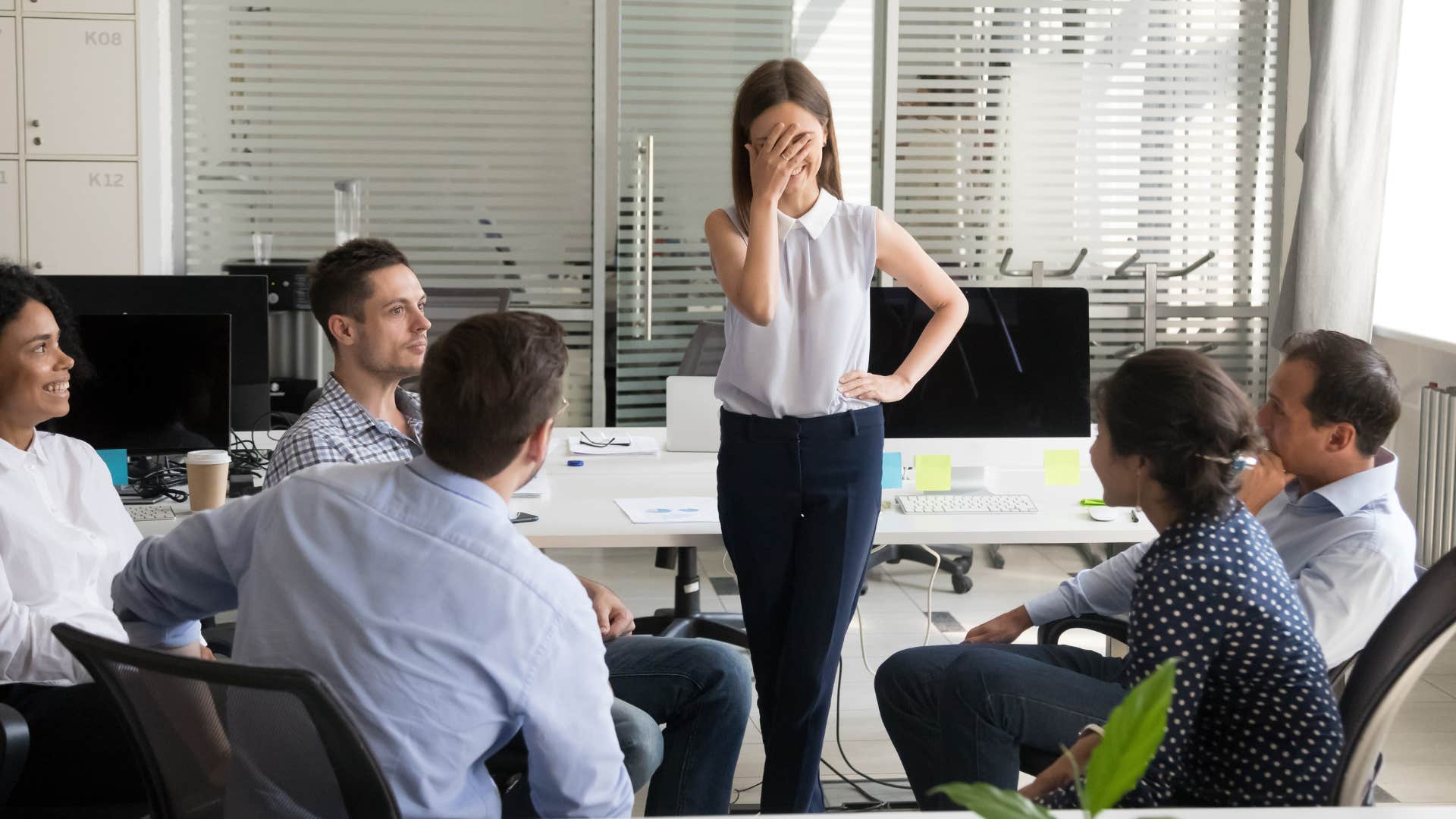
According to a study from Stress & Health, individuals who worry about how they're perceived often deal with more stress and anxiety in their everyday lives. They can't just focus on their own routines, personal emotions, or needs, because they're overwhelmed by a pressure to "fit in" or be likable to the world around them.
That's part of the reason why they don't like opening gifts around other people. They worry about how they're going to be judged or perceived by others for what they didn't or did do.
5. They can't force enthusiasm
 Giulio_Fornasar | Shutterstock
If someone's an authentic version of themselves, they're not worried about how other people consider them. In fact, they're so authentic, even when it's inconvenient or uncomfortable, that they struggle to "perform" in a certain way in social settings and conversations.
They are only themselves, even if it'd be more comfortable for everyone if they did things a certain way or conformed to the "norm." Compared to people who feel overwhelmed by a fear of being perceived, these authentic people may worry about being unable to fake positivity or force enthusiasm when they're not thrilled.
6. They don't like surprises
 syedfahadghazanfar | Shutterstock
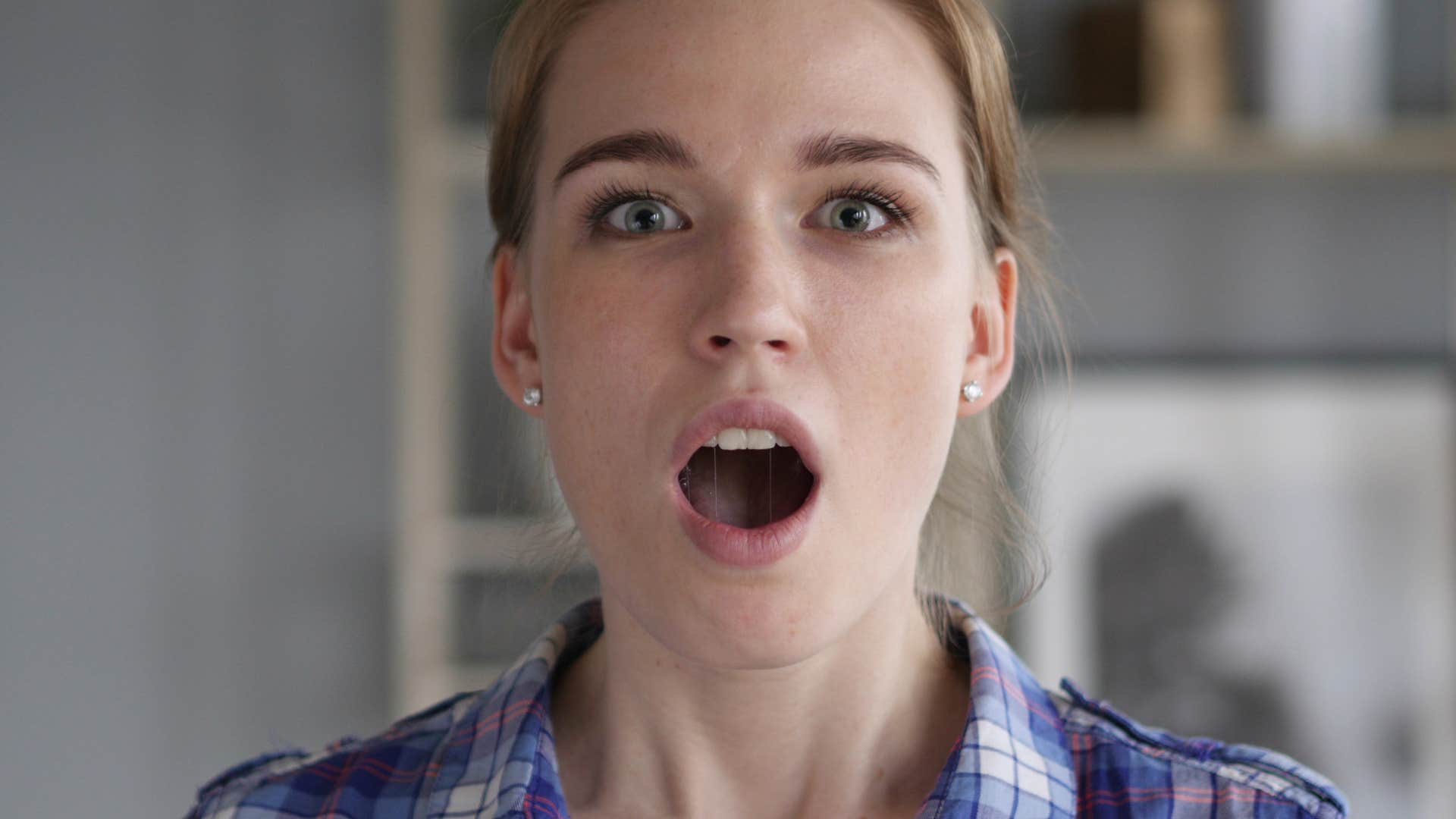
People who are uncomfortable with uncertainty and don't like surprises may also hate opening gifts in front of others. They struggle to appreciate unpredictability, whether that's because of their anxiety or a fear of letting other people down when they can't hide the authentic expressions on their faces.
While our brains tend to enjoy the unexpected sensory input and stimuli that come from a surprise, if we're already anxious people, this added influx of emotion can be overwhelming.
7. They compare themselves often
 Josep Suria | Shutterstock
When someone is prone to comparing themselves with others, they chip away at their self-esteem and slowly intertwine their self-worth with how they align and compare with others. Rather than focusing on what they enjoy and leading with their authenticity, they try to find belonging and comfort in conformity, sameness, and trends.
Even in seemingly harmless social situations like opening gifts at a family gathering, they can't help but to compare themselves. Whether it's a worry about comparing their gifts with other people's or simply trying to "perform" excitement and gratitude like other gift-receivers, they're always judging themselves into a rigid box.
8. They prefer one-on-one interactions
 Dean Drobot | Shutterstock
According to a study presented by the American Psychological Association, the majority of people crave and appreciate meaningful conversations, even with strangers, more than small talk and fleeting, superficial conversations. They want to truly connect with people, feel valued, and seek belonging, even in our disconnected, selfish culture.
However, someone who craves the meaning and depth of more intimate social interactions may hate opening gifts in front of other people. They don't want to have to perform or shift their attention to other people in the room, but instead share the moment with the gift-giver and appreciate their thoughtfulness without distractions.
9. They don't appreciate social norms and customs
 AYO Production | Shutterstock
People who prefer to create meaning on their own terms may feel resentful of social norms, customs, and traditions that force them to act or behave a certain way. From family gatherings to holidays, they are easily overwhelmed by the constricting nature of small-scale interactions like opening gifts.
While traditions can help people feel bonding and give people an excuse to get together, feeling pressured to act a certain way can remove the meaning that comes from genuine quality time.
10. They have a sensitive social battery
 PeopleImages | Shutterstock
Many introverted people have a sensitive social battery and struggle to make space for conversations and social interactions if they don't have time to prepare and recharge. Especially if they've been around people all day and been forced into superficial interactions, the last thing they want to do is perform excitement or energy for other people.
When they're at birthday parties and Christmas gatherings at home, they struggle to put on a brave face and stay invested in conversations when they're feeling internally drained.
11. They like 'giving' more than 'receiving'
 New Africa | Shutterstock
Many people receive some kind of brain reward from giving and receiving gifts, but people who are innate "givers" prefer that boost of energy and bonding that comes from crafting something thoughtful for another person. They love seeing the look on someone's face and being able to express their love, gratitude, and admiration for people, without getting anything in return.
Whether it's a worry about feeling indebted to someone or battling a comparison between their gifts and the ones they're receiving, people who hate opening gifts in front of other people almost always have these distinct personality traits.
Zayda Slabbekoorn is a senior editorial strategist with a bachelor's degree in social relations & policy and gender studies who focuses on psychology, relationships, self-help, and human interest stories.
