
11 Odd-But-Real Benefits Of Being A Hermit Who Keeps To Themselves At Home
 ArkHawt | Shutterstock
 In general, humans are social. Sure, some of us are at our best in crowds, while others are do best one-on-one. But even for those gregarious types, there are some odd-but-real benefits of being a hermit and keeping themselves at home.
While it's crucial to have a good person-environment fit, which is "the idea that people thrive when their environment matches their needs, habits, and personalities," almost anyone can benefit from a "hermit phase" of their own. These benefits are not just for their mental health, but also to help the cultivate creativity and lead a healthier, happier life.
11 odd-but-real benefits of being a hermit who keeps to themselves at home
1. High productivity
 PeopleImages | Shutterstock
According to a 2021 study on adolescent solitary activities, how we spend our alone time impacts the benefits and sometimes consequences we reap from it. They craft three main “types” of activities that a so-called "hermit phase" could encompass: passive media, engaged activities, and thinking.
When we use an activity like passive media to pass the time without investment, there’s often a negative effect like loneliness. In contrast, a more intentional “thinking” activity like journaling is more productive.
Many people find that they’re more productive when they keep to themselves at home. With this kind of engaged intentionality, whether finishing a project or investing time into a creative venture that outward distractions and influence could alter. While social connections can recharge some people, others prefer intentional isolation under an unspoken assumption that they’ll return at some point.
2. Healing your inner child
 ViDI Studio | Shutterstock
A Nursing Clinics of North America study argues that healing your inner child is an incredibly profound, challenging piece of work. The wounds from dysfunctional childhoods and toxic relationships stick with us, whether we’re aware of it or not, and can often perpetuate a feeling of unworthiness as our needs go continuously unaddressed and unresolved.
Many people prioritize this inner child work by being in a hermit phase, keeping to themselves at home, and away from the external pressures and toxic societal standards that perpetuate a cycle of self-esteem problems in adults. By taking the time to reassess their internal needs and unpack childhood trauma that’s causing them to feel unseen by the people in their lives, they can return to social connection from a healthier, more confident, and self-assured foundation.
3. Increased creativity
 PeopleImages | Shutterstock
While a study from the Journals of Gerontology recognizes that the correlation between alone time and loneliness is impactful, especially for older individuals, they argue that the presence of creativity tends to support people’s mental health, even amid a hermit phase. When people feel more creative while alone, they tend to feel less lonely.
Individuals who intentionally enter a hermit phase or spend time alone to create something or finish a creative project harness a profoundly beneficial cycle of creativity. The art of creating and expressing creativity improves their emotional health while also protecting them from the consequences of loneliness and spending time alone.
4. More ways to grow, spiritually
 Olga Kri | Shutterstock
If you’re stuck in old thought patterns or influenced by toxic beliefs, the ability to genuinely restructure them to suit your life better is no easy task. If you’ve already acknowledged that you’ve grown out of them, that’s a significant first step at unlearning them. But, according to life coach María Tomás-Keegan, the next step is essential: making space to figure out what you truly want.
By intentionally keeping yourself at home to learn about what you want and need, whether, through journaling, inner child work, therapy, or another practice, you can return to the world with a more foundational belief system to guide healthy connection.
5. Setting better boundaries
 insta_photos | Shutterstock
Outside the pressures and influence of social connection and external validation, people who prefer to keep themselves at home tend to utilize this time to craft better boundaries. They’re not only re-energized by learning about themselves and unpacking their emotions, but they also feel more empowered to reassess their wants and needs.
According to Merle Yost, a therapist with 30 years of clinical experience, "Being introspective means that you are aware of who and how you are... This prevents others from defining us. It also allows us to take in validating reflections and consider reflections that are a surprise."
When they exit this hermit phase and return to typical social interactions, they can set and advocate for those boundaries from a more self-assured perspective protecting the health and longevity of their relationships. So, while this alone time might not center social connection in the moment, it’s beneficial in the long run.
6. Extra time to process emotions before reacting
 Inside Creative House | Shutterstock
A study published in the Journal of Consulting and Clinical Psychology argues that there’s no way to sidestep the practice of processing and healing from your emotions. Most experts agree that “the only way out is through.” That doesn't mean it's easy.
Of course, the reality of actually working through complex emotions looks different for everyone. This practice is one of the reasons some people prefer being in hermit mode.
Being a hermit who keeps to yourself at home gives you time to process emotions and practice pausing before reacting. This is a gift for people! They are able to feel more comfortable with their thoughts, the boundaries they want to protect, and their own reactions.
7. Discovering self-awareness
 1st Footage | Shutterstock
Many people who’ve experienced a hermit phase, whether intentionally or not, find themselves in a quiet place where only their own thoughts, desires, and goals. This happens in a way that's nearly impossible unless you're isolating them from the outside world.
People who choose to lean into that self-awareness and are truly open to learning about themselves open the door to more fulfilling relationships once they re-enter the world of social connection. Being a hermit keeping to themselves allows them to do better once they come out of hermit mode, too, because they are aware of how they manage feelings and react.
Without the external pressures or opinions of others, many also feel the urge to restructure their inner circle, finally self-aware enough to realize that their connections aren’t serving them. For many people, this kind of alone time without distraction helps them truly get attuned to their true needs, wishes, and desires.
8. Breaking bad habits and leaving behind unhealthy vices
 Krakenimages.com | Shutterstock
While motivation from others can be impactful for unlearning bad habits and a reliance on unhealthy vices, fundamental transformation happens when we can rely on our confidence and self-control. This is easier to cultivate when you take some time to keep to yourself at home.
Our routines are ours to craft, and our bad habits will only disintegrate when we intentionally change them. Especially for people with a toxic inner circle or enabling relationships, committing to a hermit phase to change their routine or commit to a new lifestyle goal can be healthy. When they feel confident enough to maintain a routine that suits their mental, physical, and emotional health, the re-introduction of social connection can be impactful in all the right ways.
9. Finding truly rewarding inspiration
 CarlosBarquero | Shutterstock
We’re all human, and the true nature of connection and the benefits of harnessing great relationships will always feed our souls and emotional health. For some who get stuck in relationship ruts and unhealthy friendships, keeping to themselves at home for a while close themselves off ot inspiration.
By investing time and energy into our own lives, needs, and healing journeys, we return to social connection from a more informed perspective. We know ourselves, we've broken bad habits and are finally able to connect with others without “wearing a mask” or pretending.
10. Extra time caring for pets and plants
 Artmim | Shutterstock
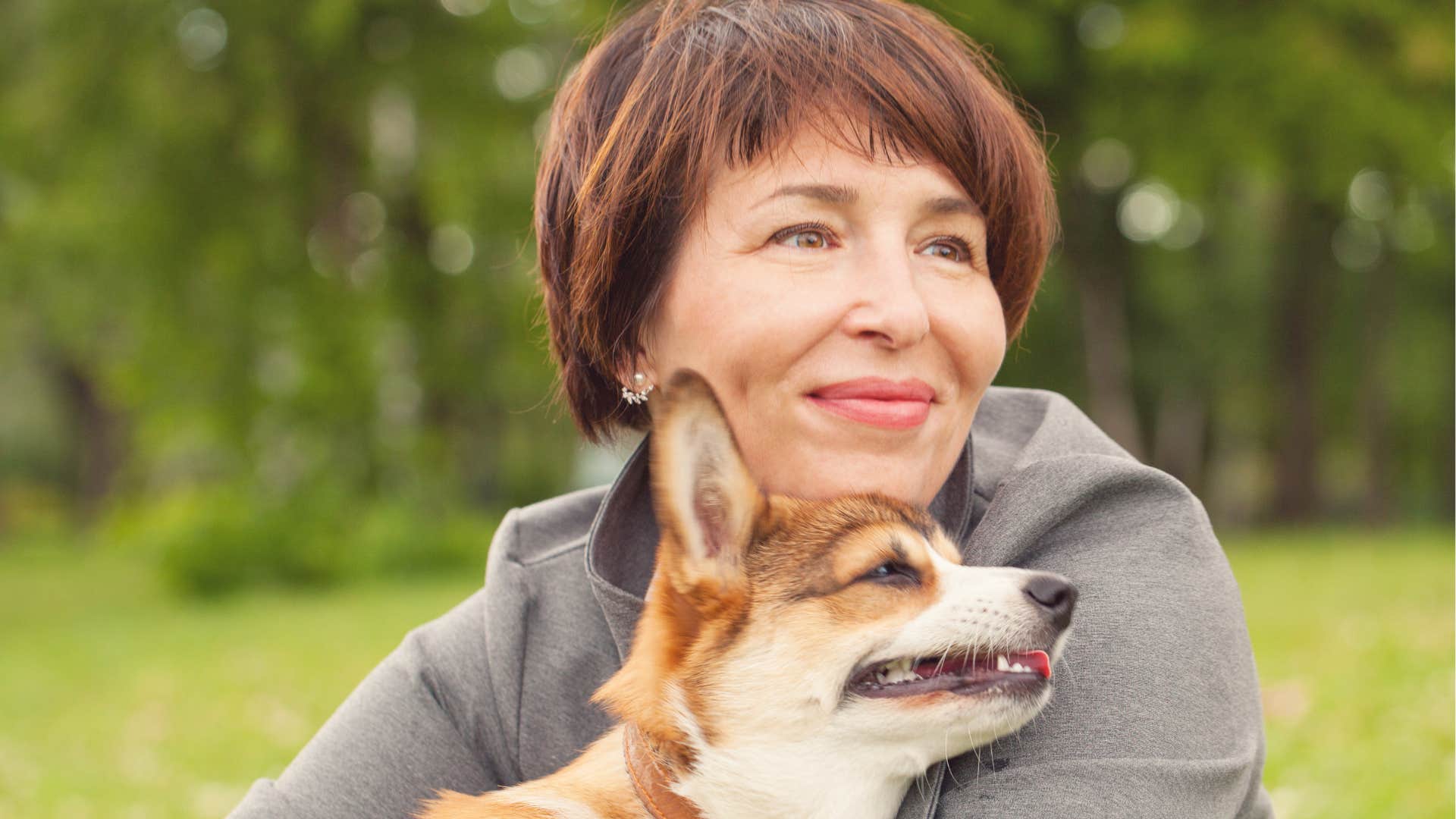
When you have an active social life or work long hours at an office (or, heaven forbid, both), you don't have time to care for pets and plants. It's easy, then, to become somewhat selfish, worried only about yourself.
While this is good at times, having plants or pets to care for can be a rewarding way to experience love and practice your care-taking skills, among many other skills scientists have uncovered. You need patience to care for another living thing, and pets and plants can help us feel grounded in the present and practice being patient.
These skills pay off in many areas of life, but they start with giving yourself the gift of going into hermit mod for a while, and keep to yourself at home while you get it all figured out.
11. Heightened sensitivity
 PeopleImages | Shutterstock
While many might frame sensitivity as a bad thing, as if sensitive people are fragile or not at all strong, we know that sensitivity can be a very good thing. Not just when someone feels sensitive toward others' feelings, but also in what they can feel.
Once a person who feels like a hermit and keeps to themselves at home re-enters a busy social calendar, their senses might be overwhelmed. But, if they re-enter slowly, they may find that their "Spidey Senses" are well tuned for new things. They may be better friends and more responsive partners as a result — if, that is, they took the oppportunity to fine-tune their sensitivity and use it to make relationships better.
Zayda Slabbekoorn is a News and entertainment Writer at YourTango who focuses on health and wellness, social policy, and human interest stories.
