
If You Grew Up In The 1960s, You Likely Have These 11 Personality Traits That Are Exceedingly Rare Today
 De Visu | Shutterstock
 While the social climate was tumultuous and the economic landscape even more fragile, if you grew up in the 1960s, you likely have certain personality traits that are exceedingly rare today. Even though you faced lack, struggle, and financial worry, you still walked into adulthood with a strong arsenal of habits, routines, values, and traits to influence the rest of your life.
From resiliency to a strong work ethic, from navigating and facing these challenges, baby boomers and elder Gen Xers were powerfully set up for success. Compared to our culture today, which tends to reward performance, fakeness, convenience, and ease, this generation embodies the strength of working hard and achieving.
If you grew up in the 1960s, you likely have these 11 personality traits that are exceedingly rare today
1. You’re resilient
 PeopleImages | Shutterstock
While the childhoods of kids from the 1960s weren’t necessarily “easy” by any means, with financial struggles and socioeconomic pains, they did get something from the adversity they watched and faced: resilience.
As a study from Frontiers in Psychiatry explains, people who face hardship are often rewarded with resiliency, especially if they face it head-on, learn the lessons, and commit to growth. No, these experiences aren’t comfortable, but they’re rewarding, to say the least.
2. You have a strong work ethic
 Gorodenkoff | Shutterstock
While their work ethic isn’t necessarily a personality trait exclusive to the boomer generation, as a lot of people like to argue, they are more likely to endorse it in their lives, relationships, and careers. Being hard-working and having a strong work ethic are valuable traits to them, and often influence how they lead and live their lives.
From babysitting siblings at home to managing household labor with jobs, school, friends, and a million other stressors, kids from the 1960s were taught to work hard, even when things were uncomfortable and difficult.
3. You’re a critical thinker
 DimaBerlin | Shutterstock
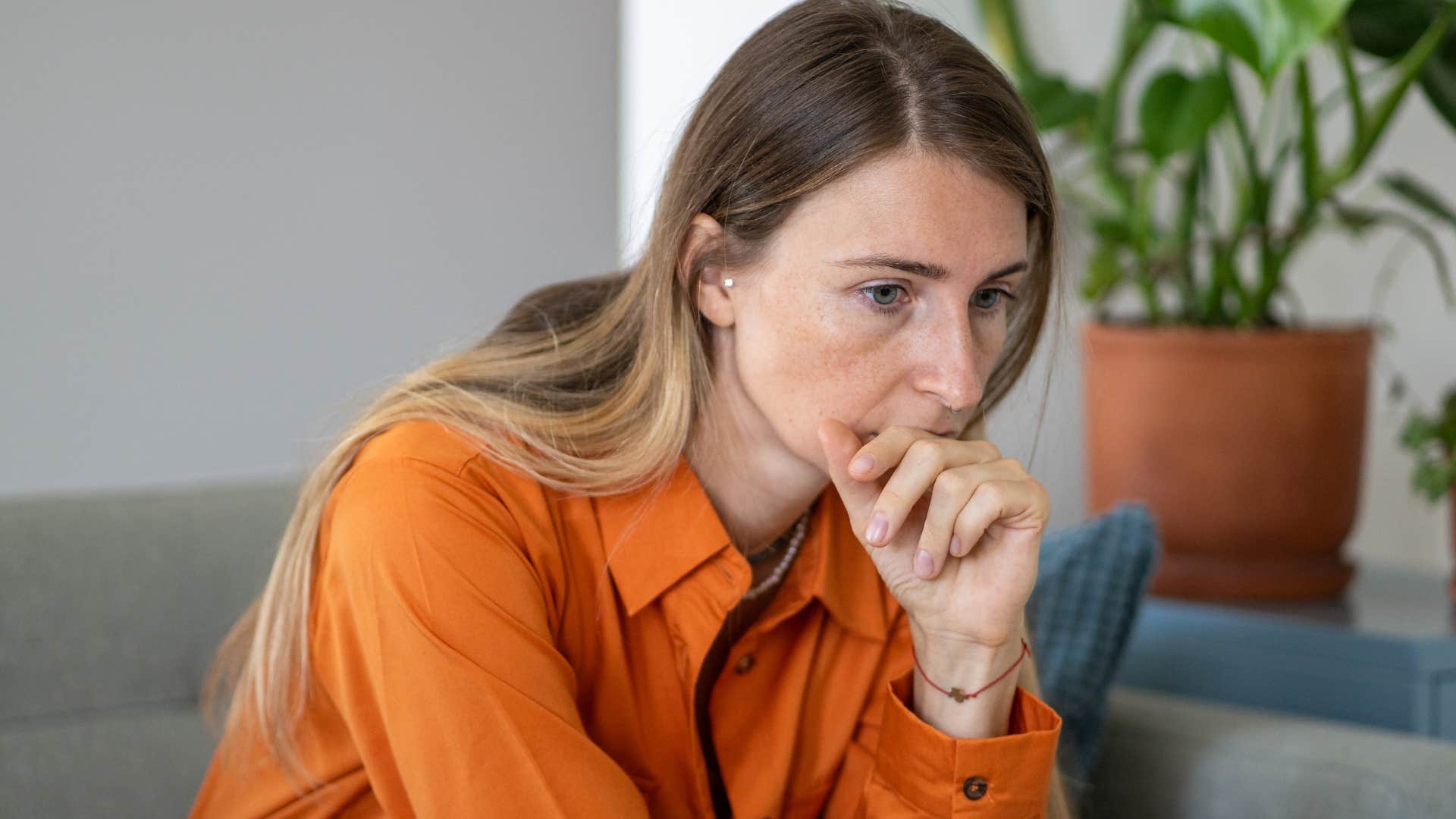
While research today, like an MIT study, suggests that technology and AI tools like ChatGPT are seriously harming children’s cognitive development and critical thinking skills, if you grew up in the 1960s, this ability to resolve issues and consider solutions is an innate part of your personality. It’s growing exceedingly rare today with constant distractions, technology, and convenience, but it’s still alive in the lessons of your generation.
You understand the power of resilience and craft your work ethic around a sense of independence that you’ll be able to tackle anything that’s thrown your way. You know that nobody is coming to save you, both in smaller relationships and the workplace, but also in life, in general.
4. You appreciate solitude
 insta_photos | Shutterstock
People who spent a lot of time at home as kids often have an identity and personality that’s wholly formed around their independence. They were taught to mature not always by parental models and lessons, but by being thrown into their self-reliance and expected to teach themselves by “doing.”
From resolving problems while babysitting kids in the neighborhood to running errands on their bikes, if you grew up in the 1960s, you know how to appreciate your own company. You’re an expert at spending time alone because you don’t need anyone or anything else to manage your boredom and fill your time.
5. You’re self-reliant
 pics five | Shutterstock
Without the parental worry that comes from internet accessibility today or technology to challenge boredom, kids from the 1960s got used to playing outside, usually without a parent around to supervise them. While it might feel like an impossibility for parents today to even consider letting their kids run around without their oversight, educational psychologist Lauren McNamara argues that this kind of play builds resilience.
Kids who have to manage their own boredom, make their own friends, and solve their own problems from a young age when they’re playing are more self-reliant, independent, and emotionally regulated down the road.
6. You’re incredibly loyal
 Lucigerma | Shutterstock
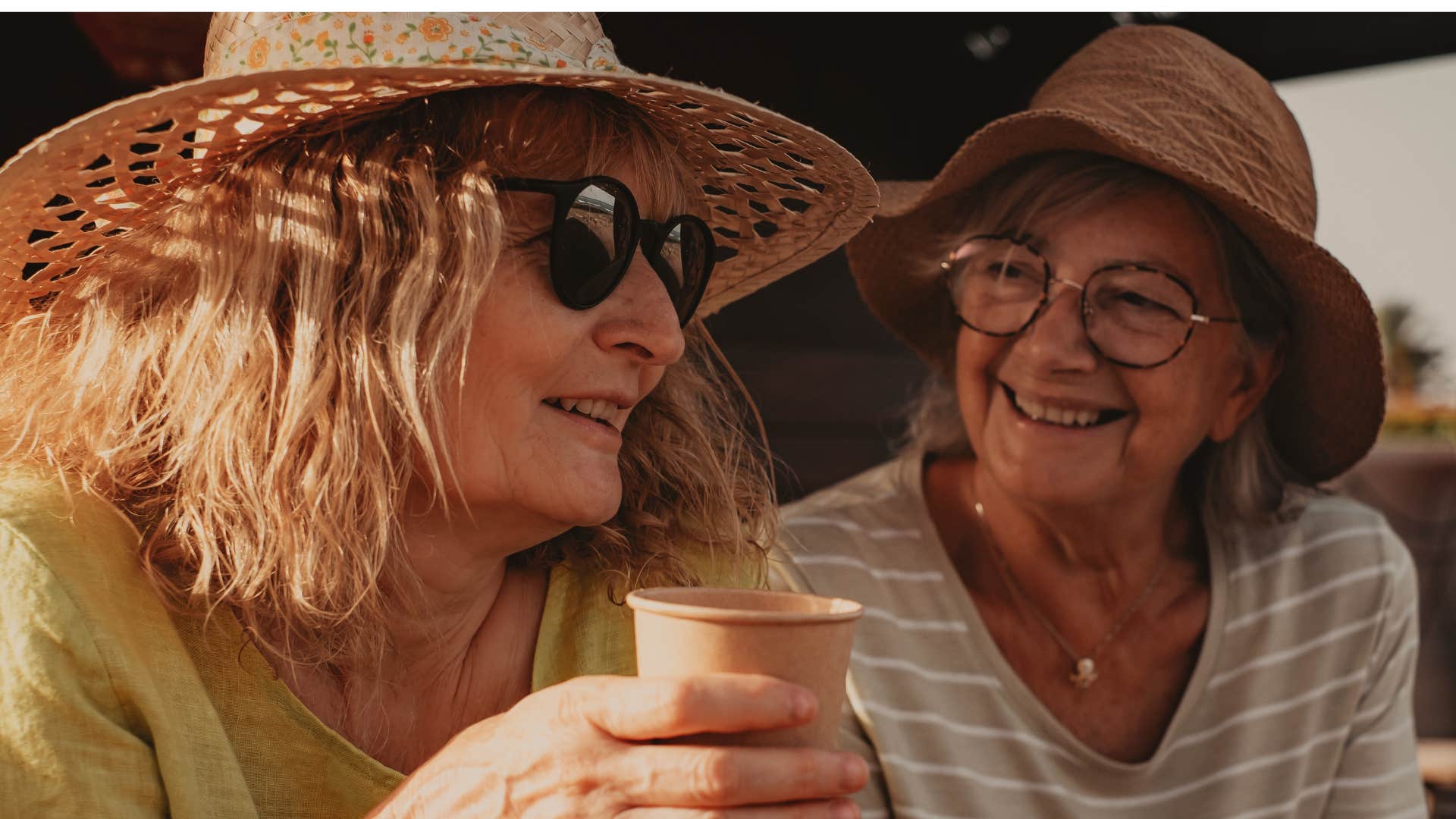
Especially in the workplace and with their employers, people who grew up in the 1960s are incredibly loyal. Of course, this loyalty tends to tie back to family ties and community values from their childhoods, and while it might seem obvious, younger generations today are pushing back on this precedent with new work-life balance expectations.
While there’s certainly a balance to endless loyalty, especially toward an employer or company, and personal autonomy and accountability, many people who grew up in the 1960s leverage their loyalty to benefit themselves. From personal relationships to showing up at work, when they decide something is worth their time, they’re all in.
7. You’re adaptable and resourceful
 Pressmaster | Shutterstock
Growing up in a time period and in households where resources were limited, especially compared to today, resourcefulness and adapting to new environments became second nature for people who grew up in the 1960s. They had no choice but to make the best of what they had and to get crafty with managing boredom and filling their time.
Compared to kids today, who are largely growing more entitled and selfish, this generation of kids was expected to make the best of their environments, rather than expecting and assuming everything would be made entertaining and comfortable for them.
8. You’re intentional
 we.bond.creations | Shutterstock
Whether it’s in quality time with families at home or managing money frugally, if you grew up in the 1960s, you probably have personality traits like intentionality that are both exceedingly rare and incredibly powerful today. Even when it comes to spending and avoiding the consumerist cycle in the modern world, living a frugal lifestyle allows this generation of adults to live a simpler, happier, “richer” life.
As kids, whose maturity, autonomy, and self-reliance were tested constantly by passive, busy parents, it’s no surprise that today, intentionality and personal accountability are strong traits in this generation.
9. You’re an innovator
 Stock 4You | Shutterstock
As author Lawrence R. Samuel explains, one of the core values of baby boomers as a collective is their appreciation for art, creativity, and innovation. They’re driven by a sense of wonder around novelty and critical thinking, because they’re not afraid of depth.
That’s why being an innovator is one of their exceedingly rare personality traits today, especially in a modern world that’s overdefined by convenience culture, shortcuts, and passiveness.
10. You’re always willing to grow
 Gyorgy Barna | Shutterstock
If you grew up in the 1960s, you have a superpower. In a world of stagnancy and an overreliance on comfort, you’re willing to grow and change for the better.
While everyone’s likely to agree to personal growth and development on paper, a study from Psychological Science reminds us that this kind of change in life requires a level of discomfort. We have to be willing to let go of things, be bad at new habits, ask for help, and release tension with our ego. To change, we have to accept others' feedback, apologize, and build a work ethic.
These things are innate traits in people who grew up in the 1960s. However, many young people today are offered shortcuts, technology, and convenience that make it less imperative to learn right away. They’re afraid of change because they don’t know how to make space for discomfort.
11. You’re hard-working
 SeventyFour | Shutterstock
With a mix of influence from resource-limited childhood, unsupervised play, and an early sense of maturity and independence, it’s no surprise that people born in the 1960s cultivated a strong, hard-working attitude early. They had to help with household labor and family responsibilities at home, sometimes even getting a job to contribute financially, so they never had the chance to cultivate entitlement.
In their jobs today, their work ethic encourages them to be loyal, resourceful, and prosocial, while other younger generations are largely defensive, isolating, and struggle with adaptability when things aren’t shaped for their needs.
Zayda Slabbekoorn is a senior editorial strategist with a bachelor’s degree in social relations & policy and gender studies who focuses on psychology, relationships, self-help, and human interest stories.
