
Grandparents Notice 9 Behaviors In Their Grandkids That They Would've Never Allowed With Their Kids
 PeopleImages / Shutterstock
Once grandkids arrive and start to grow up, many grandparents see their children's children behaving in ways they never would have allowed their kids to act in their own homes.
They may well think it's fun to play for a while and head home just when the tantrums start, but that doesn't mean they don't pay close attention to everything that's going on.
9 behaviors grandparents see in their grandkids that they would not have let slide with their own kids:
1. Spending huge amounts of time on screens
 Pressmaster via Canva
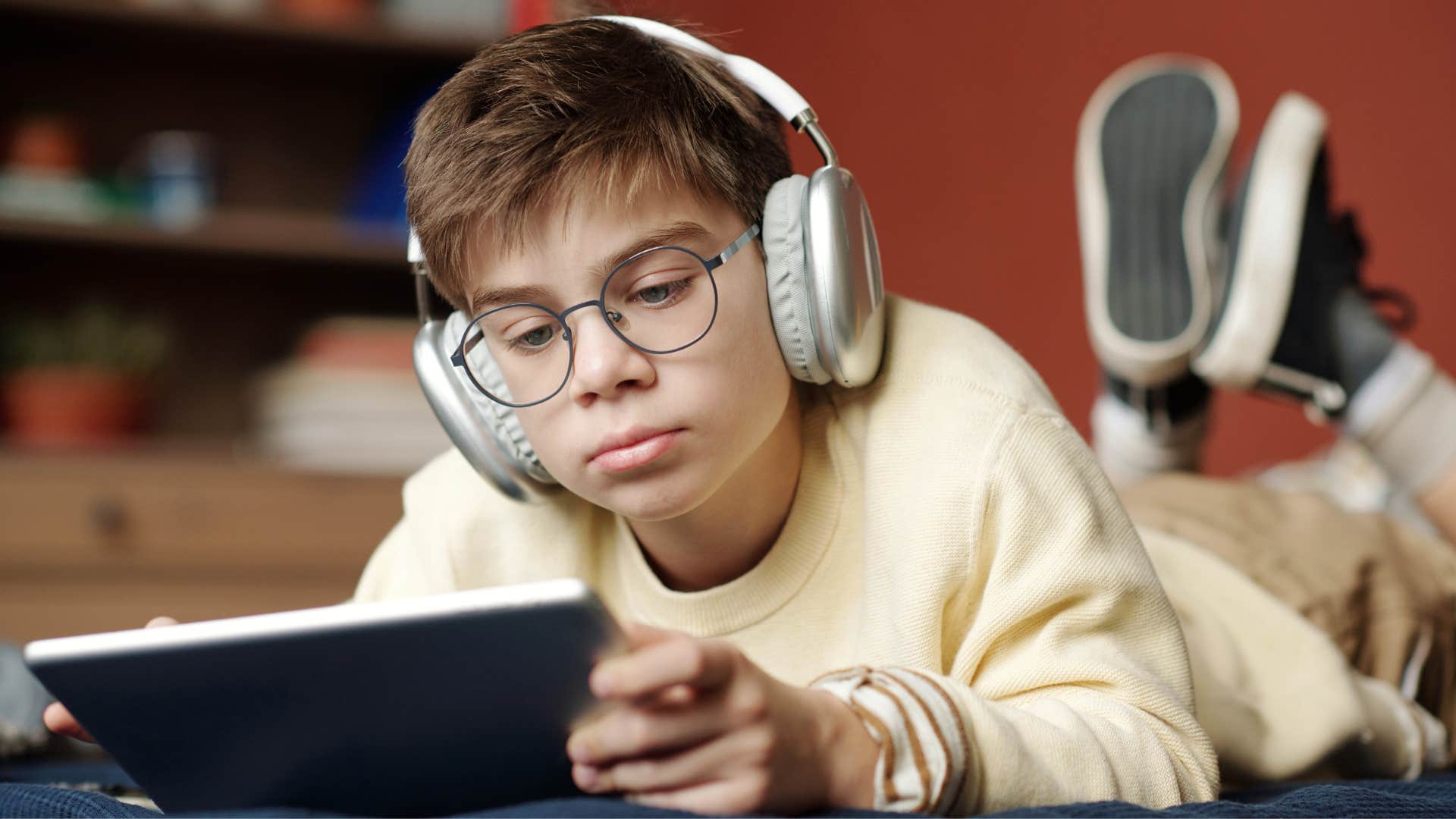
Older people could never have imagined how much we'd come to rely on technology as a babysitter of sorts. It seems like every kid has their own tablet to keep them entertained, or at the very least, they’re always glued to the TV. This can put a wedge in their relationships with family members because they connect less with people than they do with their devices.
Grandparents are right to worry that this can have lasting negative consequences. Research has found that excess screen time can lead to a host of problems, including struggles with social and emotional skills. It's also been linked to anxiety and depression, which can stick with them throughout their lives.
2. Talking back to their parents
 Vika Glitter from Pixabay via Canva
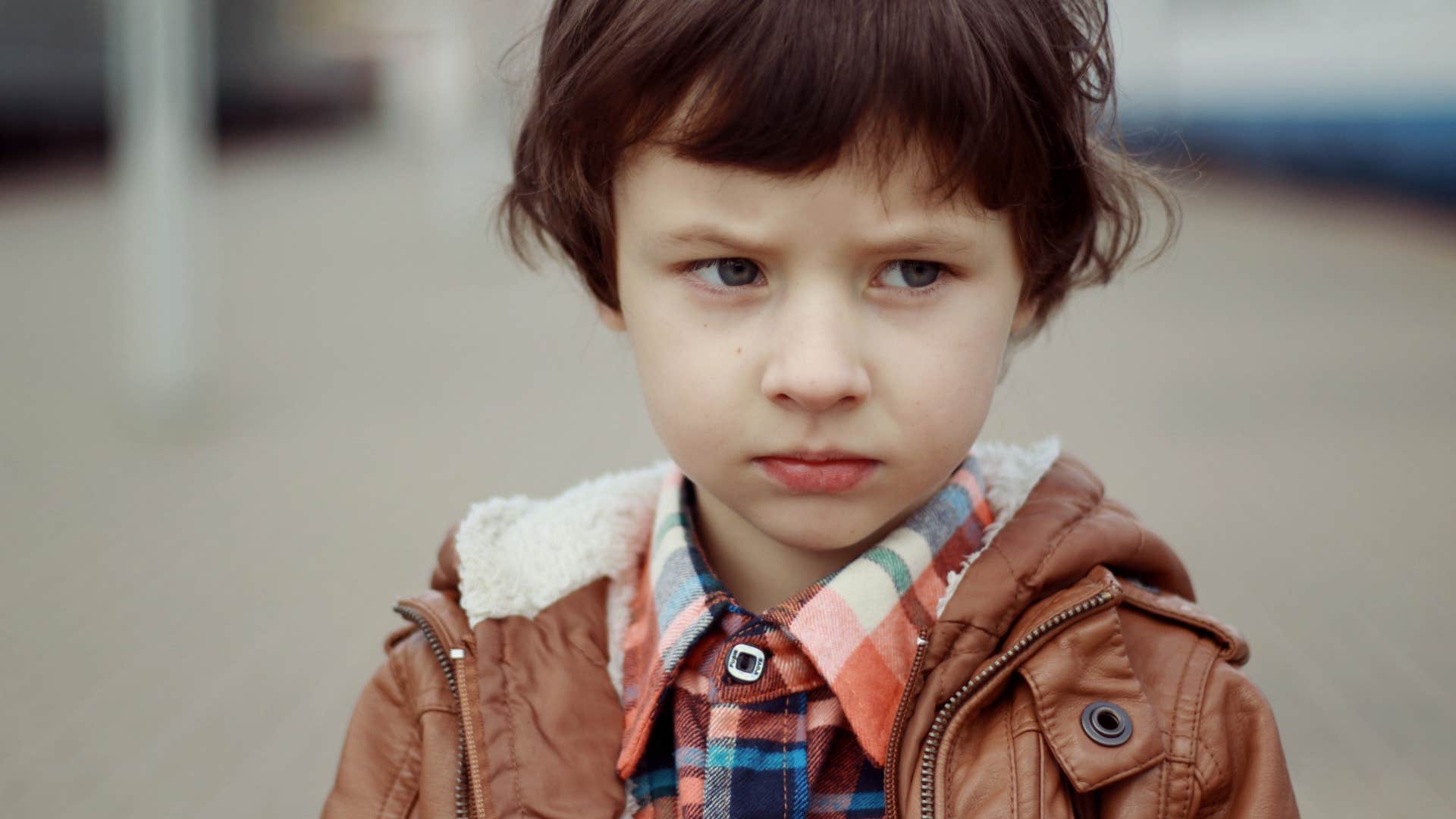
When today's parents were growing up, their own parents required them to respect adults. They were taught manners and were expected to say things like “yes, ma’am” and “no, sir.” Now it seems like more and more kids are comfortable talking back to the adults in their lives. Gone are the days of unconditional respect.
It can be upsetting for grandparents when their grandchildren push back when they're given instructions or feel comfortable speaking to their parents with an attitude when they don’t get what they want. While it’s often a phase, sometimes this behavior can last into adulthood, and when that happens, it's not usually good.
3. Behaving disrespectfully in public
 mheim3011 from Getty Images via Canva
Some people believe modern kids live in a culture of disrespect. This includes talking back to their parents, but it shows up in other ways too. Teachers have noted that children are far more disrespectful than ever, and it’s often hard for them to control their classrooms.
When their parents don’t hold them accountable, they think they can talk to anyone how they want. It creates selfish, disrespectful kids who cause trouble wherever they go. Disrespectful kids don’t only affect the people in their path. It’s been shown that kids who participate in this behavior are more likely to become anxious and depressed, and that they struggle to connect with others and are often viewed as fragile. No grandparent wants to see that.
4. Demanding, and being given, too much autonomy
 nojustice from Getty Images Signature via Canva
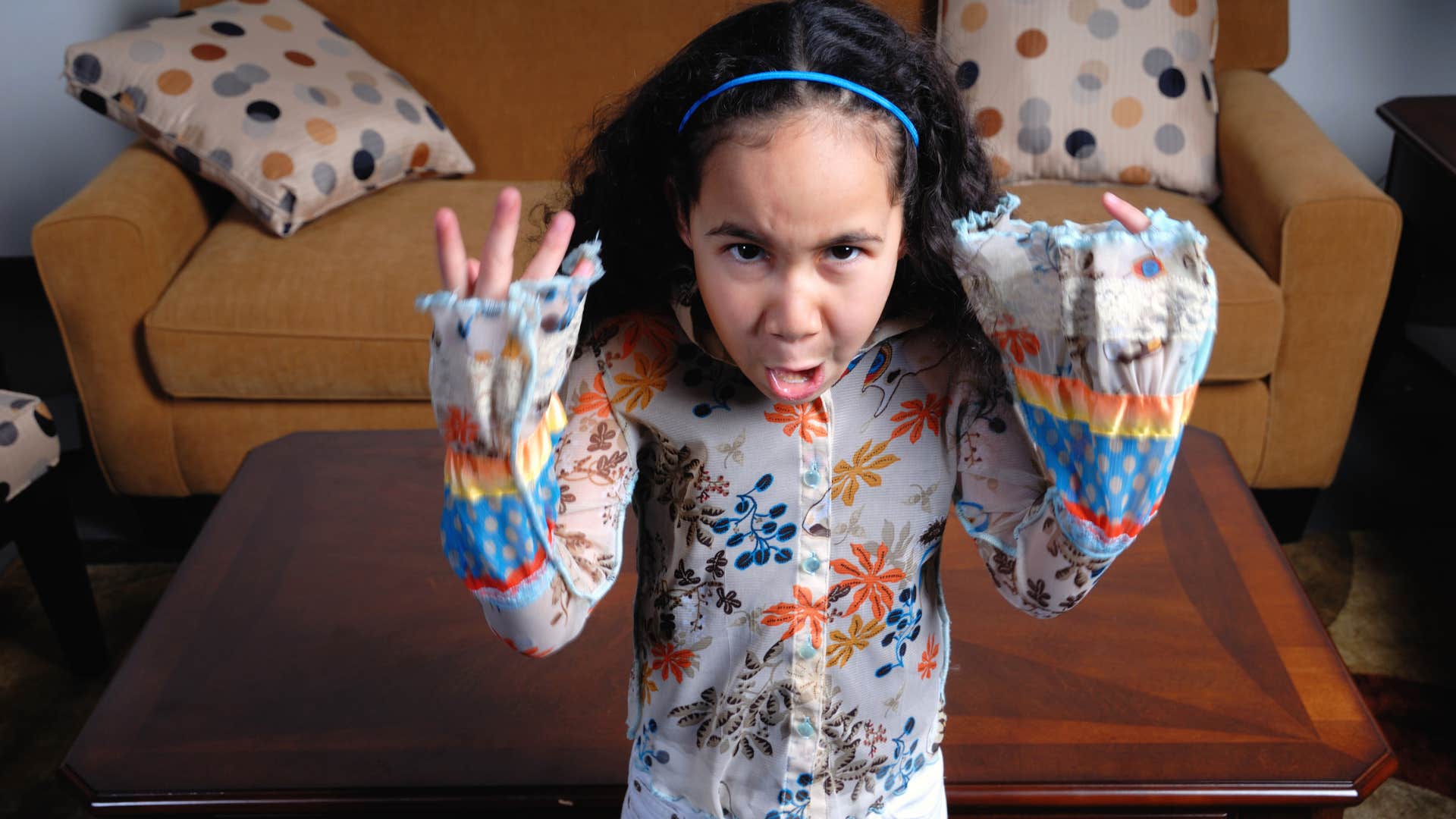
Older generations tend to think kids have too much say in their lives now. When they were growing up, they followed their parents’ commands and rules. They didn’t even think to argue back because they knew that wouldn’t be allowed. Instead, they fell in line.
While it might be annoying that children are more independent, it can be good for them. Kids raised to be more independent have greater overall well-being. Parents who support independence help them become more adjusted adults, but still, that doesn’t mean grandma and grandpa have to agree.
5. Being allowed to be super picky eaters
 Aflo Images via Canva
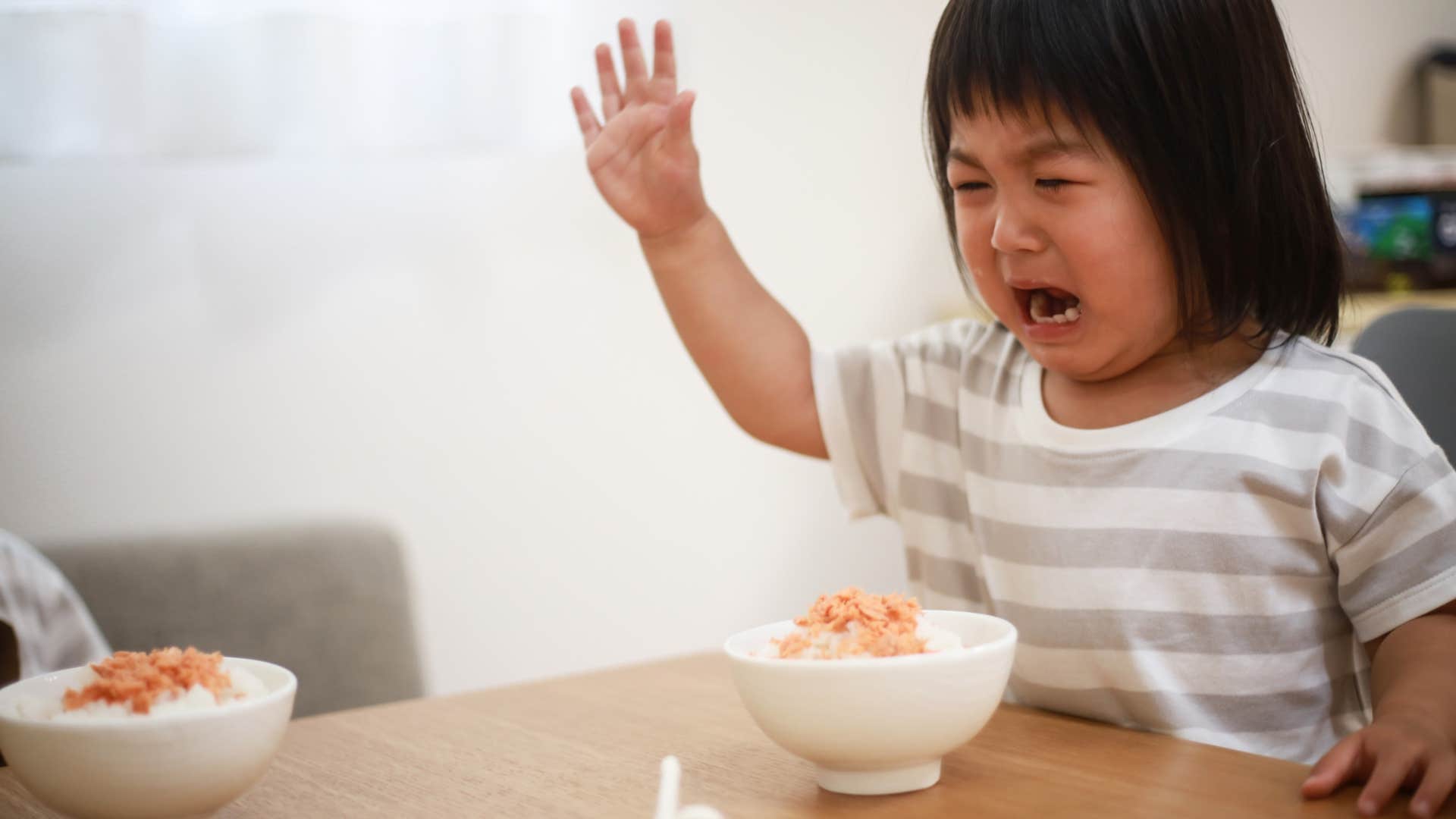
Many of us probably heard the quote “You get what you get and you don’t throw a fit” when we were kids. Our parents said this in just about every situation, including food. We ate what was prepared for us, whether we liked it or not. It was a form of discipline, but it taught older generations to have an expansive taste.
Now, grandparents may notice their grandkids are picky eaters, and their parents go along with it. They may not realize the toll it takes. They are more likely to feel stress and guilt around meals. Meanwhile, their parents made them eat whatever was prepared, and that was the end of it.
6. Doing all of their learning online
 studioroman via Canva
If you have kids, you know that education has changed dramatically. Gone are the days of paper homework and overhead projectors. Now, technology has taken over the classroom. Most schools send kids home with laptops to do their coursework on. Their own children might agree. It turns out that parents aren’t thrilled with the state of education.
A Gallup poll found that 32% of parents are satisfied with their children’s K-12 education. This is a record low in the United States, and 73% of parents surveyed said they thought education was moving in the wrong direction.
7. Requiring their own special set of rules
 Sergey Novikov via Canva
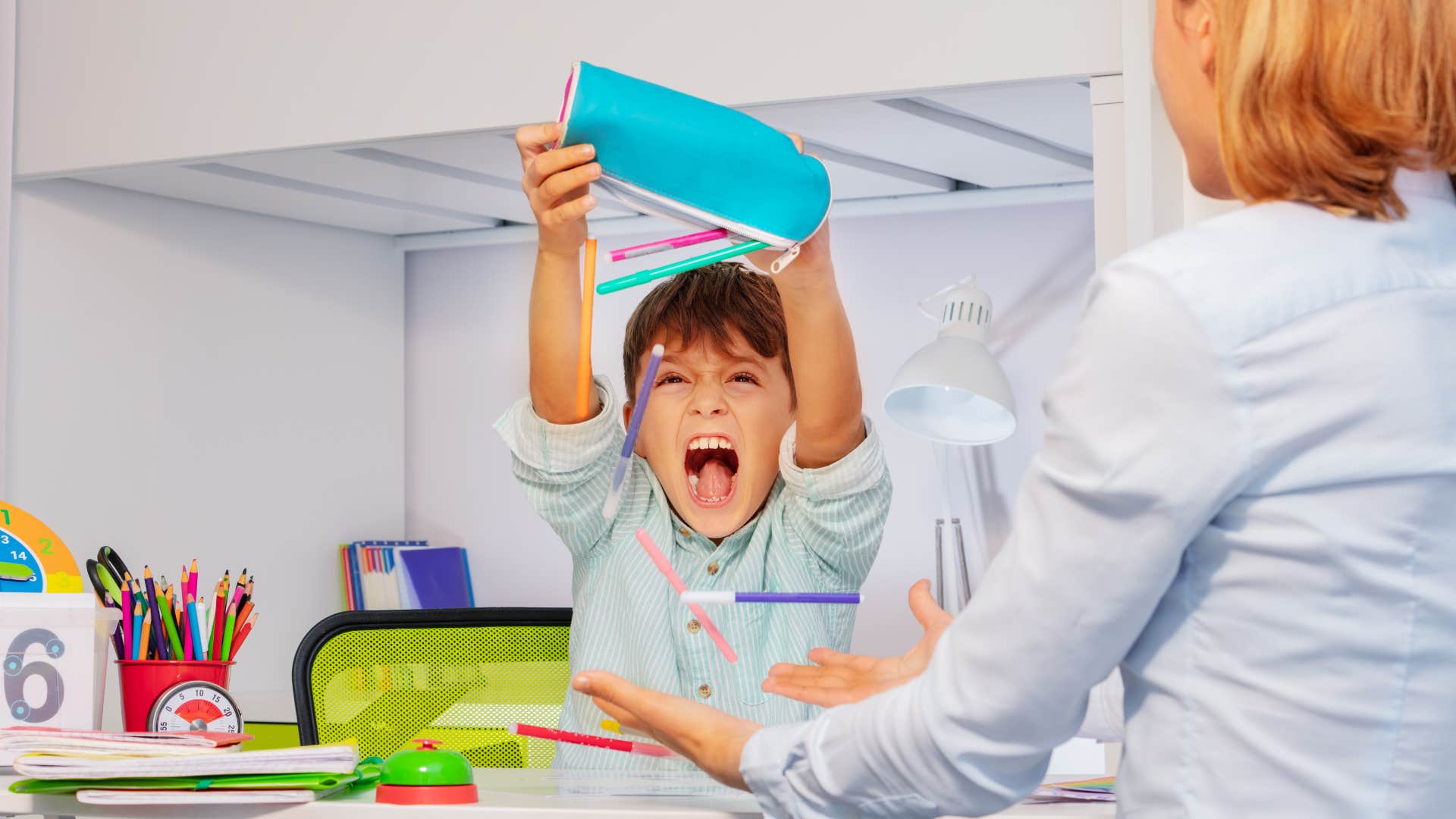
There is no longer a one-size-fits-all childhood. Parents are more understanding of their children's needs. Many schools also have this model. Society has come a long way in understanding that not everyone has the same needs. While many people will fall in line naturally, others need a little help along the way.
Most parents see this as positive because they feel their children are being seen for who they are. One-on-one time with children is beneficial. It allows relationships to grow. However, when some people’s grandparents were growing up, this individualized society didn’t exist. They were meant to fit into a generational mold, with nearly everyone following the same rules. This can make it hard for them to understand the younger generations. Why aren’t they all falling in line?
8. Not going to bed at a strict bedtime
 RDNE Stock Project from Pexels via Canva
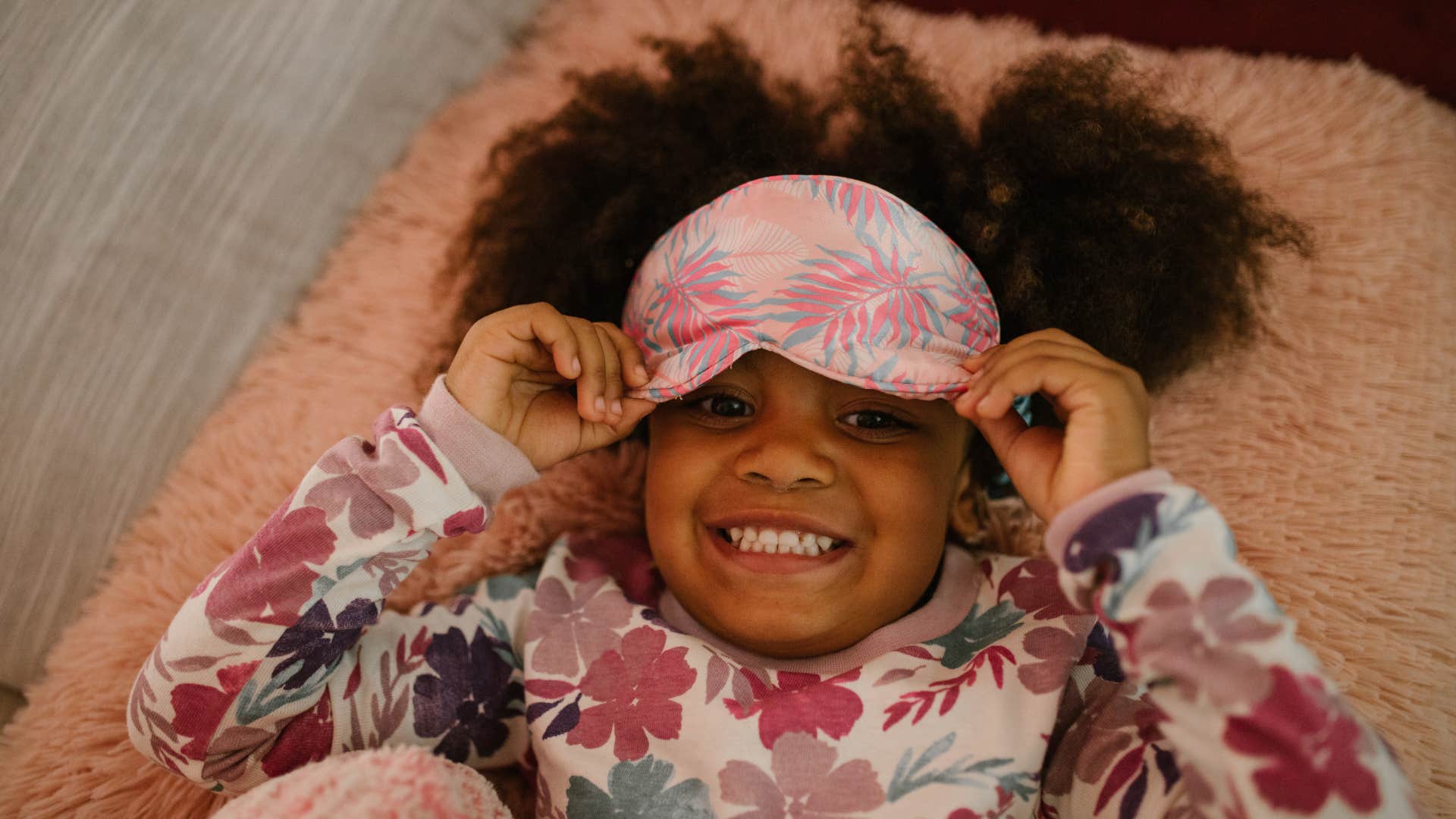
I grew up in a home that was very loosey-goosey with rules. As long as I got things done and respected my parents, I had a bit of freedom. It meant I could go to bed whenever I wanted. Maybe my parents were flexible because I would still fall asleep early. What can I say? I’ve never been a night owl. Still, it was the thought that counts, right?
Boomers have always played by the rules. When they were growing up, they respected their parents’ rules. They couldn’t imagine staying up past their bedtime and struggle to understand why their children are raising their grandkids differently.
9. Being so loud
 shironosov from Getty Images via Canva
Some of us have no patience for screaming kids in a restaurant. It’s grating to hear the chaos while you’re trying to enjoy yourself. Many people were raised with strict rules about keeping an inside voice. They were told to speak quietly inside and never disturb other people. This is how grandparents expected their grandkids to behave, but some parents would rather sit back and let their children act however they want.
Parents can be pushovers. If their children want something, they’ll let them have it. This can make it seem like they have no control over their kids, which might lead to loud, obnoxious kids, even if the grandparents in question would never have let their children do that.
Haley Van Horn is a freelance writer with a master’s degree in Humanities living in Los Angeles. Her focus includes entertainment and lifestyle stories.
