
Free-Range Kids Who Grew Up With Very Few Rules Usually Struggle With 7 Things As Adults
 pics five | Shutterstock
 Children who grew up with very few rules may look back on their free-range childhood as a time when they could do almost anything they wanted, but as adults, they realize they also needed guidance.
Walking to school on their own, or simply not having anything on their schedule, wasn't necessarily a problem when they were kids, but as they grew up, certain traits they developed often began to cause issues as adults. These struggles may feel familiar to adults who remember having plenty of freedom and (very) little guidance as kids.
Free-range kids who grew up with very few rules may struggle with these 7 things as adults:
1. They struggle with self-discipline
Kids who had a lot of freedom as children, with little supervision, often struggle with self-discipline as adults. Permissive parenting is a parenting style in which parents may be very loving toward their children, but they set few rules or expectations. This might mean buying a toy after saying no or letting a teenager ignore their curfew without following up. The love and affection are there, but helping kids learn to manage their behavior can often fall by the wayside.
Psychology educator and author Kendra Cherry explains that children raised with few consistent rules may struggle with self-discipline. Without much structure at home, they may have a harder time setting their own limits around things like watching TV, playing video games, or eating.
2. They're resistant to rules and authority
 Liudmilla Chernetska from Getty Images via Canva
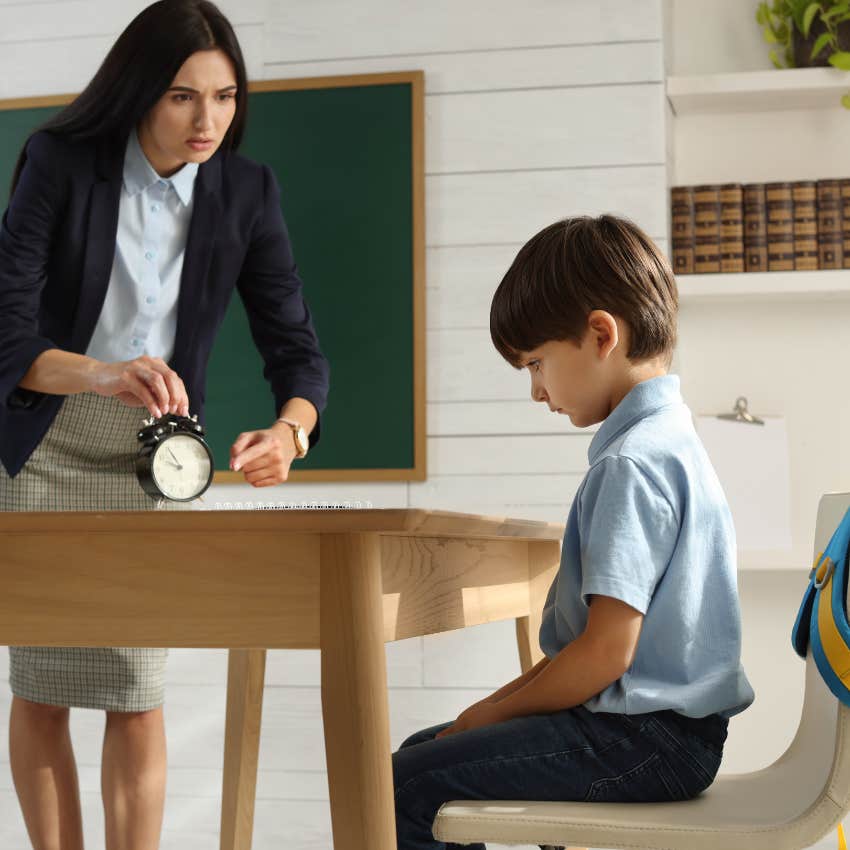
Questioning authority can be a good skill to have. But there's a difference between questioning a rule and understanding that you're still expected to follow it. Free-range kids who grew up with few consistent rules may find that adjustment frustrating when they encounter expectations at work or in other parts of adult life.
According to Cherry, setting guidelines also means following through with clear consequences when those guidelines aren't followed. The goal is to help children understand that their choices come with responsibilities, even when they disagree with the rules.
3. They're quick to give up when things get hard
Many people believe part of parenting is teaching children not to quit for no good reason. Users on Reddit claim that having a free-range childhood leads to learning it’s ok to quit. “If we didn't want to do something, or wanted to quit something, that's the way it would go,” one User commented. As a result, they said that they “did terribly at school and…ended up dropping out. Entered adult life with no qualifications."
Cherry says that there are ways to change permissive parenting. One way is to develop a list of household rules and actually follow through on them. Making sure your kids understand the consequences of not following the rules is super important. And finally, make sure to reward good behavior.
4. They have difficulty respecting other people's boundaries
 JackF from Getty Images via Canva
Some Reddit commenters describe experiences similar to what Cherry discusses. She explains that children raised with few boundaries at home may have trouble following classroom rules and staying motivated in school. Clear boundaries help children understand what’s expected of them and how their choices affect other people.
For kids who had plenty of freedom but little guidance, respecting other people's limits may be something they're still practicing as adults. That might mean asking before borrowing a roommate's belongings or accepting that a friend isn't always available to talk. A free-range childhood can still include those lessons, but the concern is whether adults helped them understand that having freedom also means respecting someone else's right to say no.
5. They feel directionless
Children raised by overly-relaxed parents may feel unsure about what to work toward. Cherry explains that when parents set few expectations, kids may have less guidance in setting goals and working toward them. A study published in Current Psychology found that teens and young adults whose parents were less involved in their career planning reported more difficulty deciding what career to pursue. Those difficulties included feeling unprepared to make a choice and not having enough information about their options.
In adulthood, that uncertainty might feel like having plenty of options but not knowing where to start. They may want to choose a career, continue their education, or pursue an interest but struggle to turn those possibilities into a plan. That doesn’t mean they lack ambition. They may still be learning how to give themselves the guidance they needed growing up.
6. They're awkward in social situations
 princessdlaff rom Getty Images Signature via Canva
Some may also feel socially awkward, particularly if they had few chances to learn and practice social skills with guidance from adults. They might struggle to tell when a comment is inappropriate or not realize that showing up super late can come across as rude. Kids can learn these lessons through regular conversations and interactions with their parents and other trusted adults. If those opportunities were limited, they may still be figuring out certain social expectations years later.
7. They're insecure
Having a lot of freedom as a child doesn't automatically mean they'll grow up to be insecure as an adult. What does count, though, is whether they also felt supported and cared for. Studies have found that neglectful parenting can be associated with lower self-esteem in children and teens, but warm, permissive parenting wasn’t, so just because someone grew up not having a lot of rules doesn't necessarily mean they weren't supported, loved, and cared for in the ways that count as a child.
That said, some free-range kids who didn't get that kind of support can often end up feeling insecure as adults, whether that's in their relationships, at their jobs, or when interacting with their aging family members. For someone who remembers feeling left on their own, that distinction makes all the difference. Having room to make your own choices is different from feeling like no one is there to help.
Sophie Bagheri is a writer with a bachelor’s degree in English and theatre who covers lifestyle topics.
