
Parents Who Raise Rude Kids Usually Avoid Saying 6 Phrases In Everyday Conversations
 Patty Photo | Shutterstock
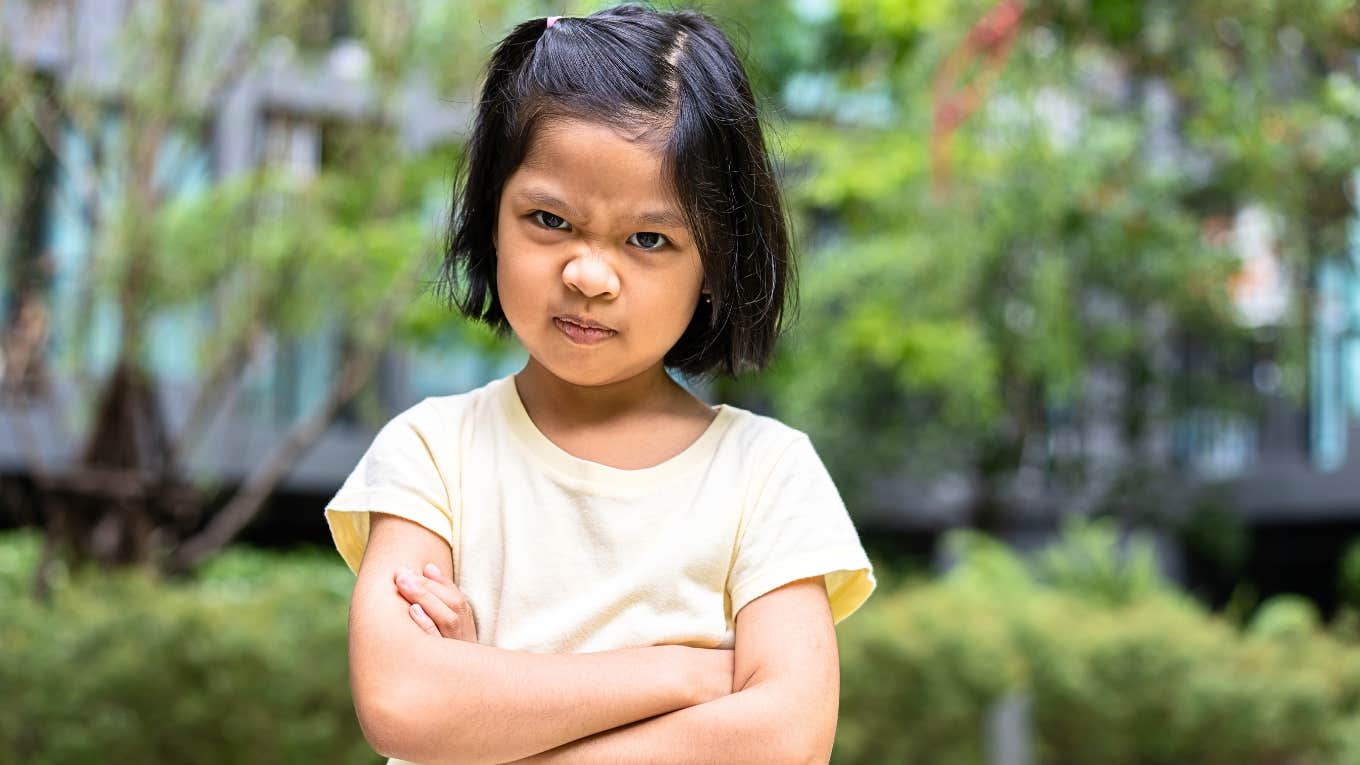
 Kids imitate parents. When their parents say something funny, they will copy it, even if it's a naughty word or something they don't understand. It's no surprise, then, that parents who raise rude kids most likely are rude themselves, sometimes without even realizing.
Parents who raise well-mannered, empathetic children tend to rely on intentional language and actions. Parents who raise rude children may not be doing it on purpose, but they are just not as intentional with their choices. Along with allowing rudeness from their kids, parents who raise unkind kids also avoid saying a few important things themselves.
Parents who raise rude kids usually avoid saying 6 phrases in everyday conversations
1. 'I’m sorry, I was wrong'
Teaching kids accountability is one of the most important parts of parenting, and it's most effective when the parents model accountability themselves.
People who raise rude children usually fail to apologize to their kids or even in front of them. Skipping apologies teaches your kids that you never have to apologize in life.
Psychologist Mari Wallace, LCSW says that “The ability for parents to be vulnerable and apologize can strengthen their relationships with their children,” and “It also helps to brainstorm with a child creative ways to avoid repeating the same mistakes in future.”
Kids learn that entrenching when something goes wrong is the most effective way to win an argument or avoid consequences by watching thier parents. Thus, they become the same kind of rude people themselves.
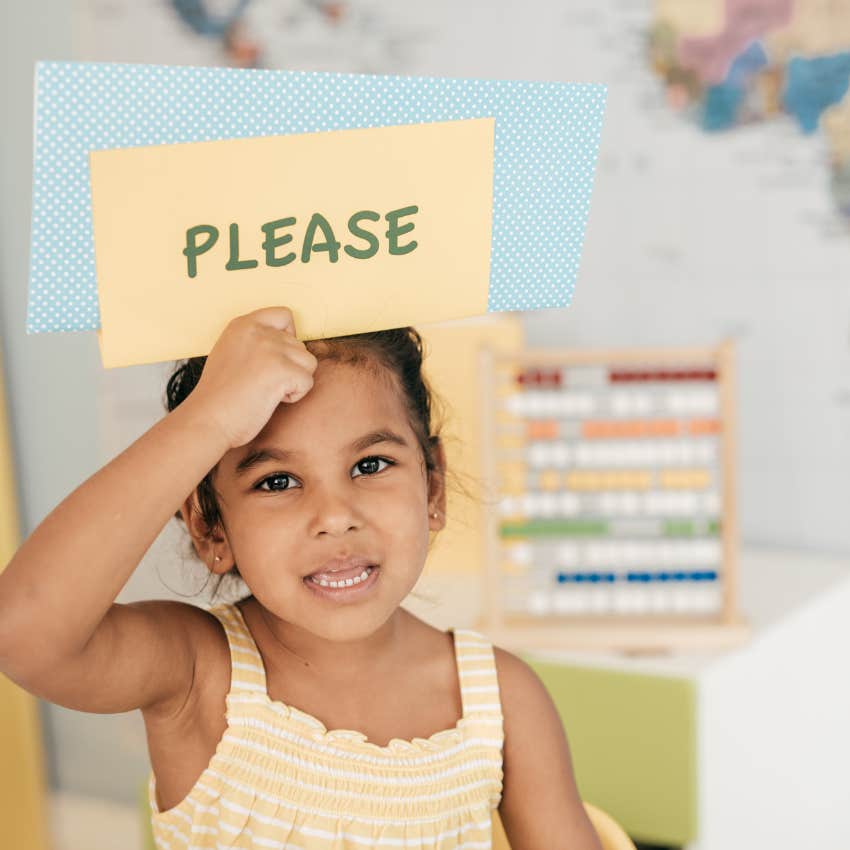
2. 'Please' and 'thank you'
 kate_sept2004 from Getty Images Signature via Canva
Ah, yes, the magic words!
But in all seriousness, manners are learned through adults. Psychologists Kittie Butler and Janet Pletcher explain that “When teaching any skill, it is also important to model the behavior for the child. While we are explaining that we should close our mouths when chewing, we must do so after we have swallowed our food ourselves.”
Therefore, if a parent never says “please” and “thank you” when they are supposed to, how is their child going to know when they should do that? Parents who flex an authoritarian domination may think they're teaching their kids to show respect, but they actually just teach their kids that the meanest and most stubborn one wins.
Parents can also ask their children to say these words without making it a demand. It should be enforced as part of being kind rather than blind respect.
3. "Excuse me"
This is another polite phrase that kids should learn how and when to use, and yet again is best taught through a combination of instruction and modeling.
Avoiding this phrase neglects to teach their kids spatial awareness. If they are out in public and accidentally cut somebody off, they need to know to say “excuse me.”
If their parent never does this though, then they won’t see anything wrong with interrupting and being demanding of another person's time and attention. This is something parents can instruct their kids to do, too.
4. "How do you think that made them feel?"
 Timur Weber from Pexels via Canva
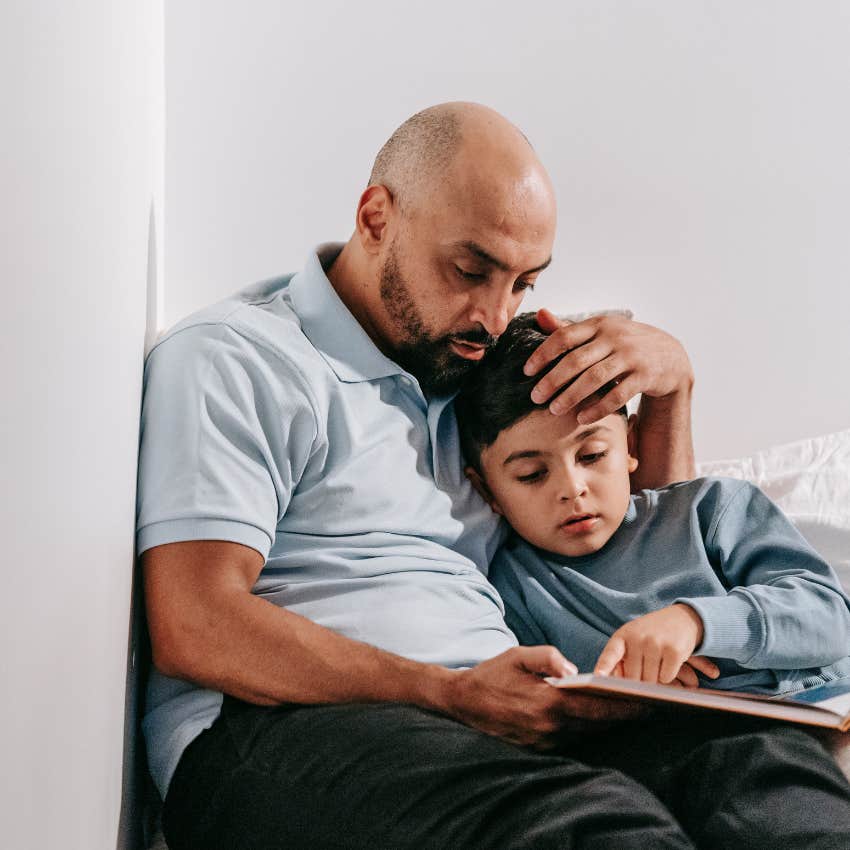
Asking questions is another great way to teach your kids manners and empathy. Asking them to imagine the experience of others is not just important for politeness, but also to help kids become adults who show basic human decency. This helps them become more successful in life, too.
Butler and Pletcher say that asking your kids questions is a great way for them to understand why we have manners, other than “my mom said so.” For example, if a kid asks why we have to say “excuse me” when we push by somebody in a crowd, it’s a good chance to explain that it’s to acknowledge the other person is there.
Teaching kids empathy starts with asking questions. If they call somebody a mean name at a school, you should ask them why they said it and how it made the other person feel. Parents who fail to do this fail to teach their kids empathy, which makes them rude.
5. "I understand you’re upset, but it's not ok to act that way"
Parents who raise rude kids tend to not hold boundaries with them. If anything, they make excuses for them, such as “he didn’t mean it” or “she was just tired.”
It’s important for kids to be held accountable. They need to learn what is socially acceptable and unacceptable in ways that increase emotional intelligence. This is a skill that will benefit them their entire lives.
If they don’t learn this from their parents at a young age, then they will grow up to be pretty rude.
6. "No"
 Konstantin Postumitenko from Prostock-studio via Canva
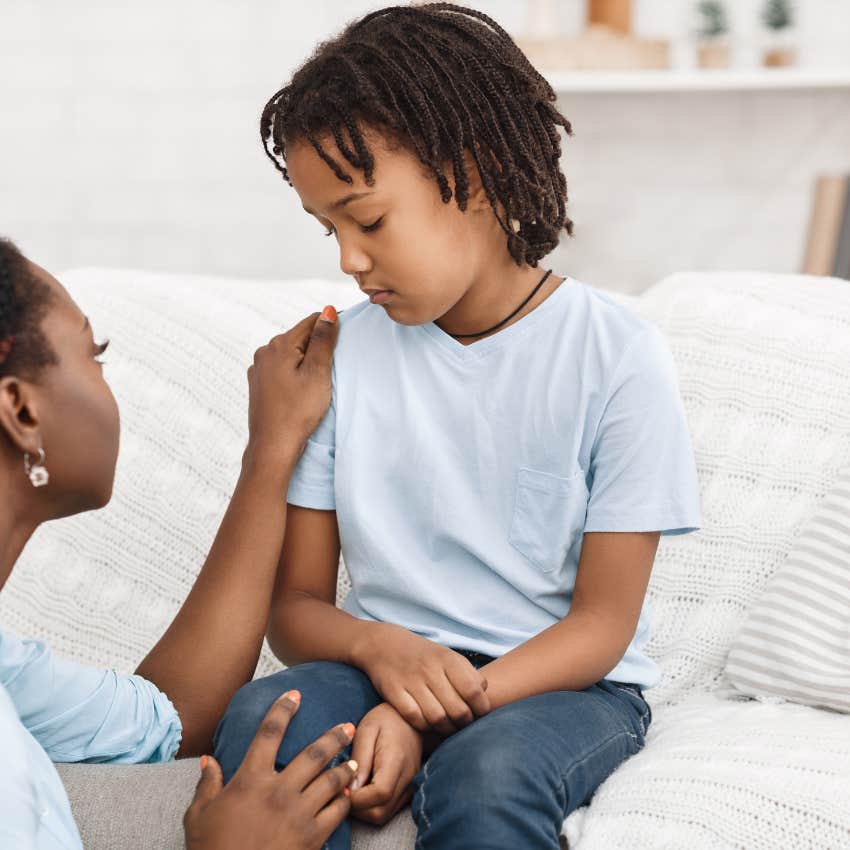
This one is a tough one. Some parents struggle with it because they don't want their kids to be sad or feel rejected. They may also be so busy and burned out from their careers and other factors, that it's challenging to imagine handling the child's reaction to hearing "no". It's just easier to give in. Sadly, this results in a very rude child.
But experts say it’s an important one, even though it's tough. Not just because it teaches them to handle rejection in respectful ways, it also models ways to say no when someone crosses a boundary. In fact, teaching kids to say no is an important life skill that can actually protect them.
The trick, say many experts, is to make sure you're not only saying no. Parents need to say "yes" sometimes, too. It's a delicate balance. In addition, parents who raise kind, compassionate kids also contextualize the "no" for their by explaining why. That way, the kids understand that it's not just a random flex of power and control, but rather something that is thought-out and for their own good.
Sophie Bagheri is a writer with a bachelor’s degree in English and theatre who covers lifestyle topics.
