
People Who Refuse To Wait In Line For Literally Anything Have 11 Rare Traits
 PeopleImages | Shutterstock
 Minor inconveniences in our lives can often feel like the end of the world when we're already exhausted or stretched too thin. When they topple onto existing inner turmoil or build up to larger emotional outbursts, they can harm us more than the big disappointments and struggles.
Of course, there's nuance to someone's distaste for random inconveniences, but people who refuse to wait in line for literally anything often have certain rare traits. They don't subject themselves to the pain of inefficiency or inconveniences because they have the mindset, autonomy, and resources to choose a different path in their best interests.
People who refuse to wait in line for literally anything have 11 rare traits
1. They don't tolerate inefficiency
 MAYA LAB | Shutterstock
Efficiency is an important trait that often makes people more productive than others, both in their personal lives and at work. They can be patient with mistakes and minor inconveniences, but when it comes to wasted time or weaponized incompetence around others, they have a much lower threshold for grace.
Even if it's something as simple as waiting in a line for literally anything they might want or need, it's efficient people who solve the problem of wasted time by coming up with a new routine.
2. They value their time immensely
 fizkes | Shutterstock
In our culture, where productivity and constant busyness are somewhat of a status symbol to boast, free time and choice over how to spend it is truly a form of currency in its own right. Whether it's being willing to shift their routines to make space for rest on long days or taking time off from work to reclaim their autonomy, people who value their time and have the resources to choose how they appreciate it thrive.
Even if that means choosing to come back to something or somewhere where there's a line that wastes their time, they have the power of choice.
3. They struggle to slow down
 Krakenimages.com | Shutterstock
Many people, especially in our "hustle culture" today, struggle with an innate sense of urgency. But, much like a study from the American Journal of Pharmaceutical Education suggests, this need to be moving quickly, rushing around, and urgently completing tasks is all an illusion that sabotages our nervous system and energy levels, whether at home or at work.
People who refuse to wait in lines may be struggling to slow down. They're not necessarily impatient by way of entitlement or selfishness, but because they're stuck in an urgent mode where their nervous system can't tolerate anything less than distraction and constant movement.
4. They're driven by convenience
 Standret | Shutterstock
Someone who refuses to wait in line or take on additional obligations may simply have the money or resources to afford convenience. While there's nuance to the privileges of convenience in our modern culture, it sometimes offers a healthy choice between wasting time and having the freedom to walk away and protect one's peace.
While it can sometimes manifest in unhealthy ways, an appreciation for ease and convenience isn't always an inherently bad thing. Especially when it serves someone's ability to protect their free time and well-being, without sabotaging financial wellness or emotional regulation skills, the choice of convenience can be healthy.
5. They need autonomy and control
 Josep Suria | Shutterstock
According to a study from Trends in Cognitive Science, we are rooted in a biological need for control. While an overly controlling attitude can sometimes lead to unhealthy mindsets and behaviors like hyper-independence or manipulation in relationships, wanting autonomy and control in life isn't always an inherently bad thing.
In fact, the need and simultaneous ability to control one's life and seek space from the social norms that harm people's autonomy is actually an incredibly rare superpower.
6. They're easily restless
 Anatoliy Karlyuk | Shutterstock
A feeling of physical restlessness and agitation amid everyday life might feel like it's entirely unprompted, but it's often a manifestation of inner emotional turmoil or stress. When they're forced to wait in line or sit in a loud, crowded environment, these people struggle to regulate from the inside out, especially if they're already stressed out or anxious.
Even if it's physical anxiety and stress, like a bouncing leg or a twitching eye, over time it's not worth subjecting themselves to inconveniences when they're already in an unforgiving, uncomfortable state.
7. They're sensitive
 panitanphoto | Shutterstock
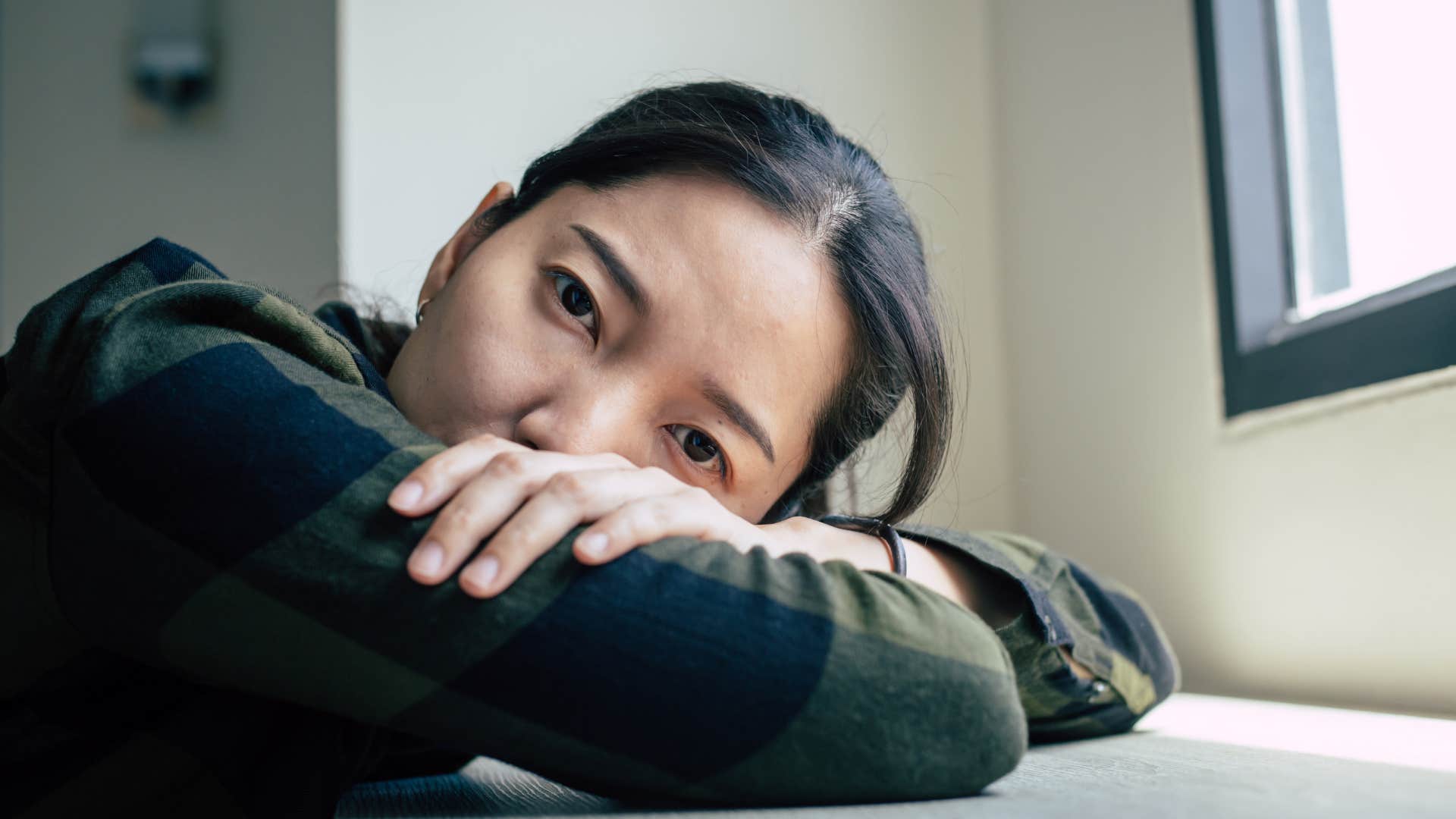
Many highly emotional, sensitive people who think and feel things more deeply than the average person struggle with overstimulation when navigating everyday life. As a study from Scientific Reports explains, sensitive people often have a lower threshold for tolerating daily sensory information, whether it's being close to people in line or hearing annoying sounds at work.
So, it's not surprising that someone who refuses to wait in line or subject themselves to overstimulating environments is actually working in their rare interests. And having the self-awareness to notice and act on these feelings is a rare trait in itself.
8. They're not afraid of facing 'FOMO'
 Prostock-studio | Shutterstock
While the fear of missing out, often coined "FOMO," often urges people to stay in environments and around people who drain them, more self-assured people don't feel the need to stick around at their own expense.
While the average person is thrown off course, stressed, and easily distracted by missing out on something, even something as mundane as waiting for something in line, these secure people can walk away without fretting about what they're missing. They can focus on and make decisions based on how they're feeling and what they need, rather than clinging to togetherness or shared experiences.
9. They're incredibly independent
 Eugenio Marongiu | Shutterstock
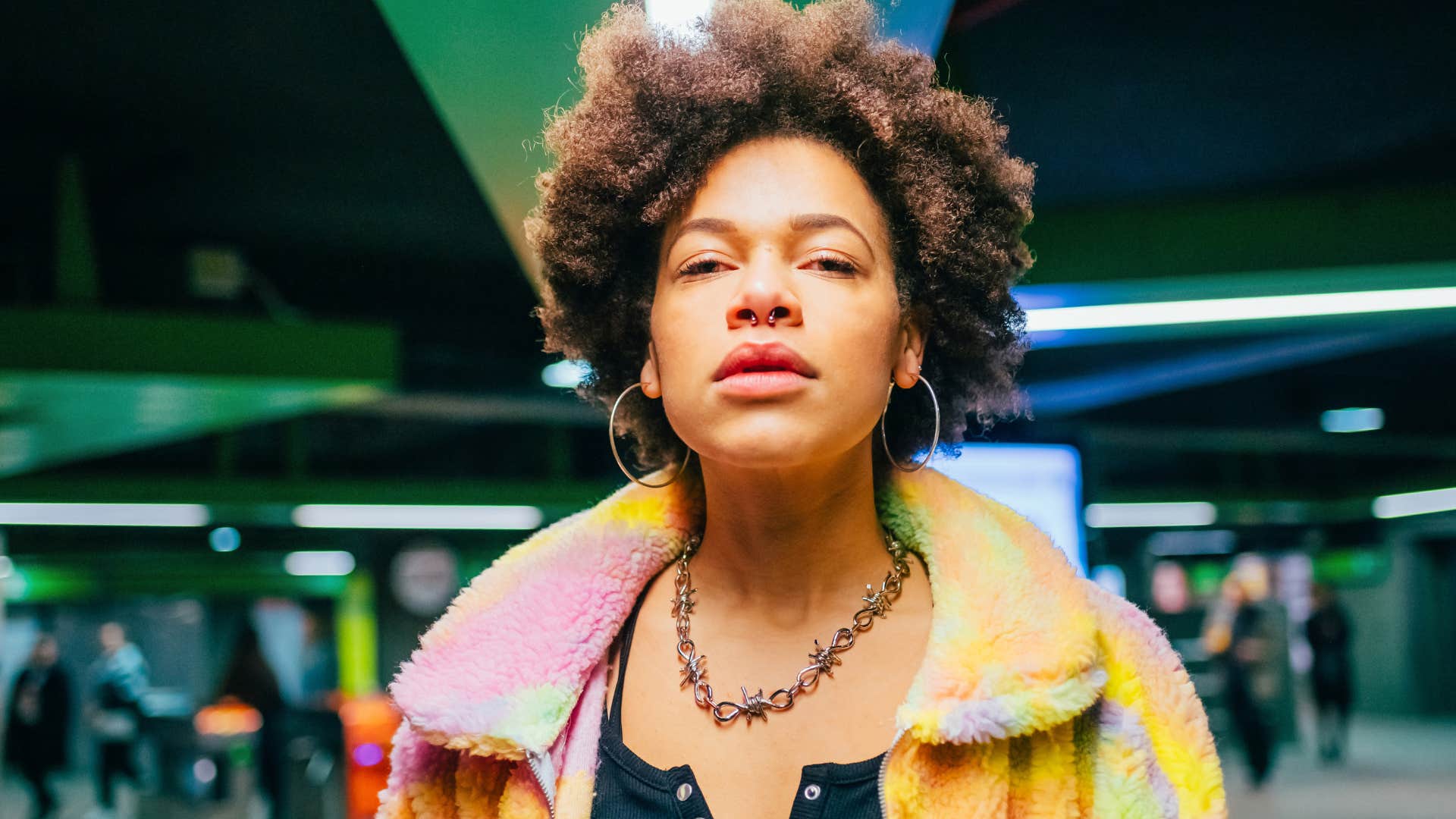
While there are certainly unhealthy ways to cling to independence, as a study from Frontiers in Psychology explains, many who adopt healthy versions of autonomy in their daily lives experience better self-esteem and life satisfaction.
They have a sense of control and empowerment over making decisions and living life that others miss out on. Even if it's simply refusing to wait in a long line or changing their bedtime routine when they feel differently, they lead with the freedom of choice.
10. They're challengers
 AYO Production | Shutterstock
Whether it's pushing back on social norms or challenging expectations in the world around them, people with a naturally rebellious nature often avoid behaviors that the average person blindly follows. Whether it's adopting professional expectations with clothing at work or waiting in line patiently, they often find themselves internally challenging the norm in many aspects of life.
However, our brains love a challenge, and for self-aware people who are tapped into their intrinsic desires and needs, refusing to wait in a line and obey a social construct is their subconscious way of fulfilling that want.
11. They trust their instincts
 Dragana Gordic | Shutterstock
Trusting your gut instincts and intuition is rarely an easy thing to do, especially in our society that celebrates "logical" thinking and urges people into groupthink situations. However, for some, especially women, their brains are naturally wired to make quick decisions and to think intuitively.
When their gut is telling them to leave an environment or they have a recurring thought that their time is better spent doing something else, they follow the instinct.
Zayda Slabbekoorn is a senior editorial strategist with a bachelor's degree in social relations & policy and gender studies who focuses on psychology, relationships, self-help, and human interest stories.
