
Kids In The 80s & 90s Were Allowed To Do 11 Things That Actually Made Them More Resilient & Interesting As Adults
 Jaden BM / Shutterstock
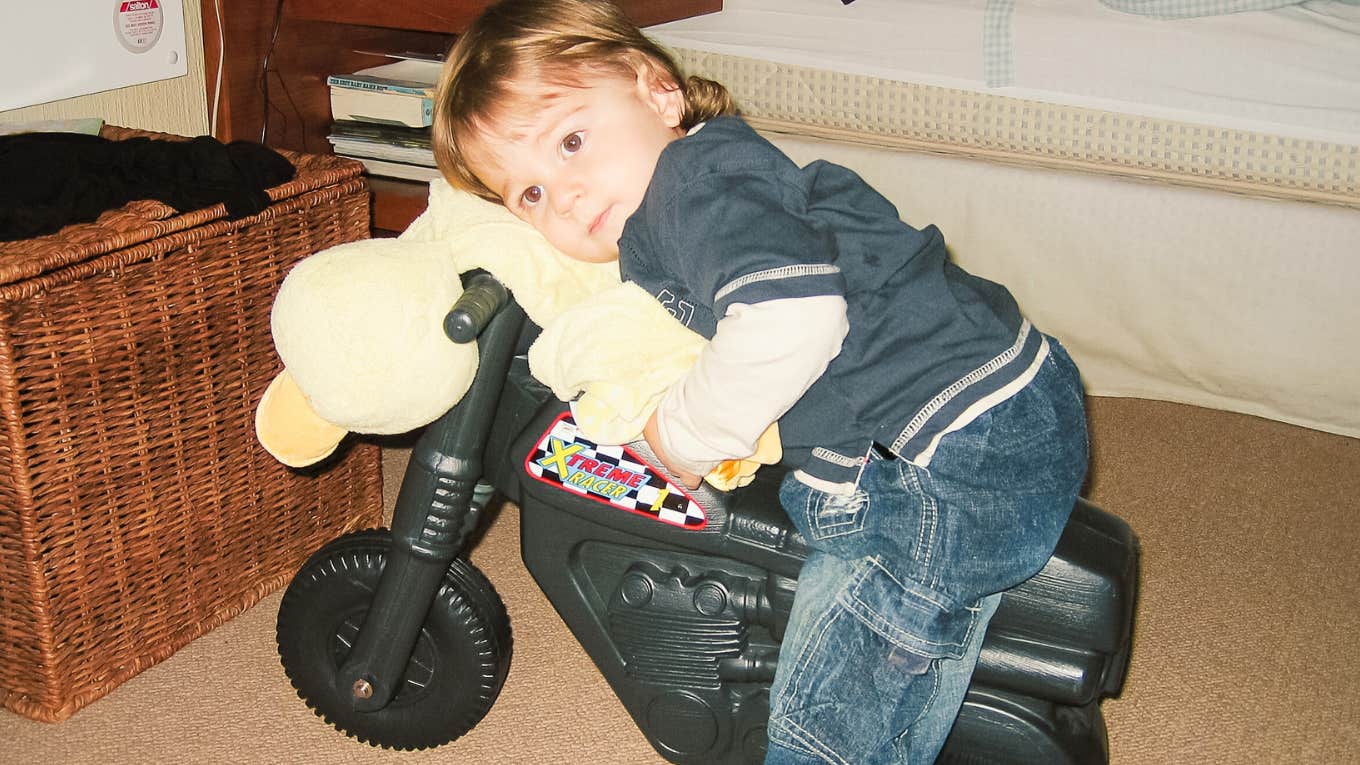
 Growing up in the 80s and 90s was extremely different from what many kids experience today. There was less access to screens than there is now, when a majority (81%) of children under 13 now have their own device. There were also fewer rules about kids being constantly supervised, and they were allowed much more freedom to figure things out on their own. Parents often sent their kids out with one simple instruction to be home for dinner or before it got dark outside. That was it. This freedom made them more resilient and interesting as adults.
80s and 90s kids were allowed to do 11 things that made them more resilient and interesting as adults:
1. Stay outside all day without constant supervision
 Lopolo | Shutterstock
Kids during the 80s and 90s were often told to go outside and come back once the streetlights had turned back on. They were allowed hours of unstructured playtime with their friends and were expected to entertain themselves while their parents worked or did things around the house. Research has even shown that play not organized by adults helps kids become more resilient, work on their creative minds, and being able to engage organically with other kids their age.
That independence meant that kids at the time were learning to navigate the world with constant parental supervision, as well as gaining a bit of confidence to tackle the outside world. Their parents might've checked in every now and again, but for the most part, kids were simply allowed to be kids.
2. Get bored without constant entertainment
 Iren_Geo | Shutterstock
Without access to iPads, smartphones, YouTube, or streaming platforms like Netflix and Hulu, boredom was a daily reality for many kids growing up during these two decades. Learning to sit with that boredom often forced kids to either come up with their own games or use their imagination in other ways. While kids might complain about being bored, it can actually help them develop skills, creativity, and even help with their self-esteem.
The routine boredom that cropped up allowed kids to explore interests that they might not have discovered without it. Spending a quiet afternoon indoors meant that kids were forced to problem solve or have to reckon with staying bored. It meant they would be walking around the house with a curious mind, trying to find something to occupy their time.
3. Walk or bike places on their own
 yellowstonedigital | Shutterstock
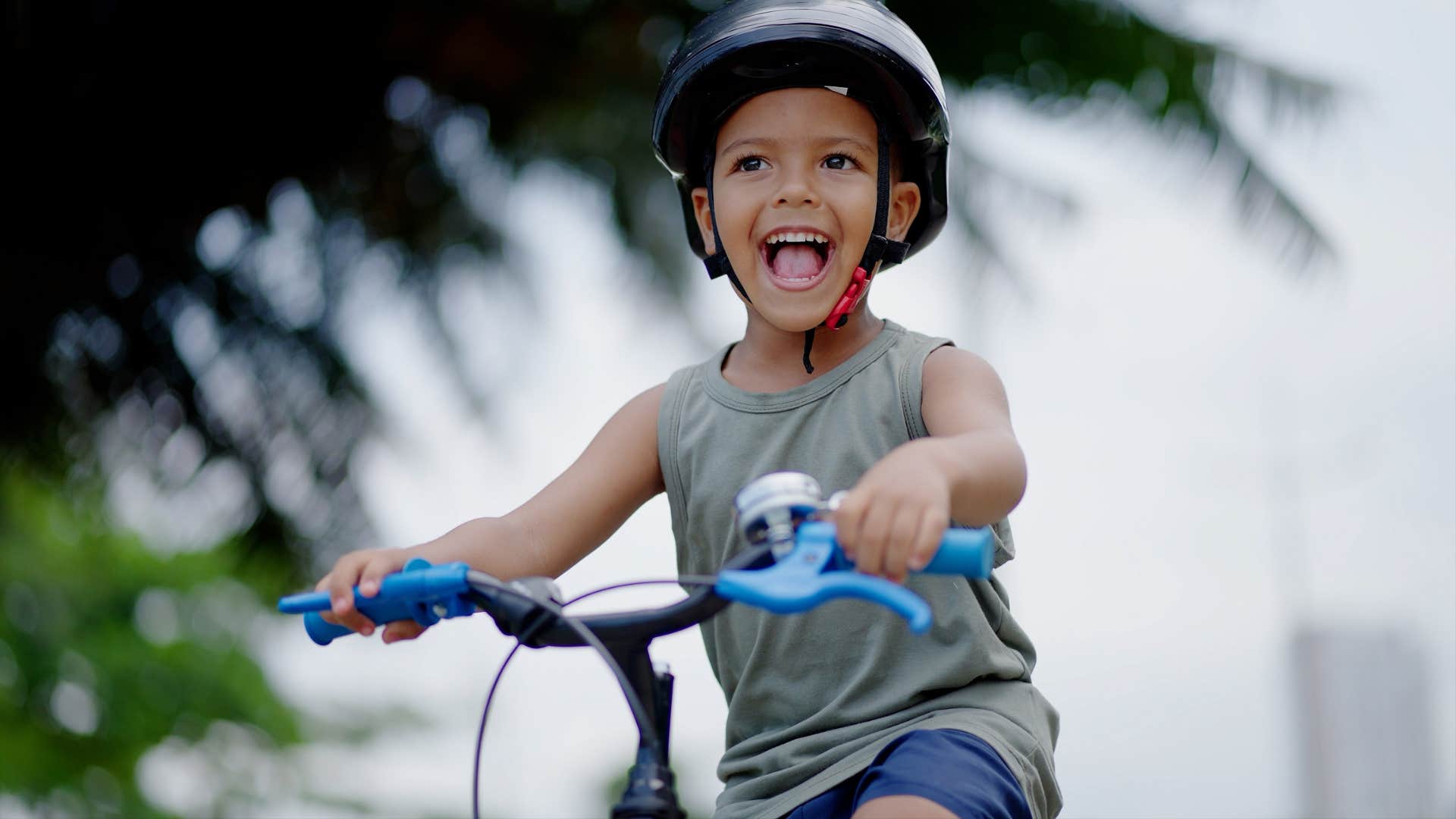
Many kids often had to bike or walk to their friends' houses, the park, or even the store to get some snacks or run an errand for their parents without their parents hovering nearby. Having that freedom was beneficial on so many levels. For many kids, those little trips were their first taste of independence. Kids being able to learn independently is a skill that can benefit them throughout their lives. It can help them be more confident, motivated, and successful. Both in school and in their eventual careers.
Being out on their own meant they had to learn how to handle any problems that arose. There wasn't always a quick call to make back home, so they just had to learn to deal with it themselves. Most of the time, the solution wasn't complicated at all, but being able to figure it out gave kids a sense of capability that would be quite beneficial to them as they became adults.
4. Settle arguments face-to-face
 MAYA LAB | Shutterstock
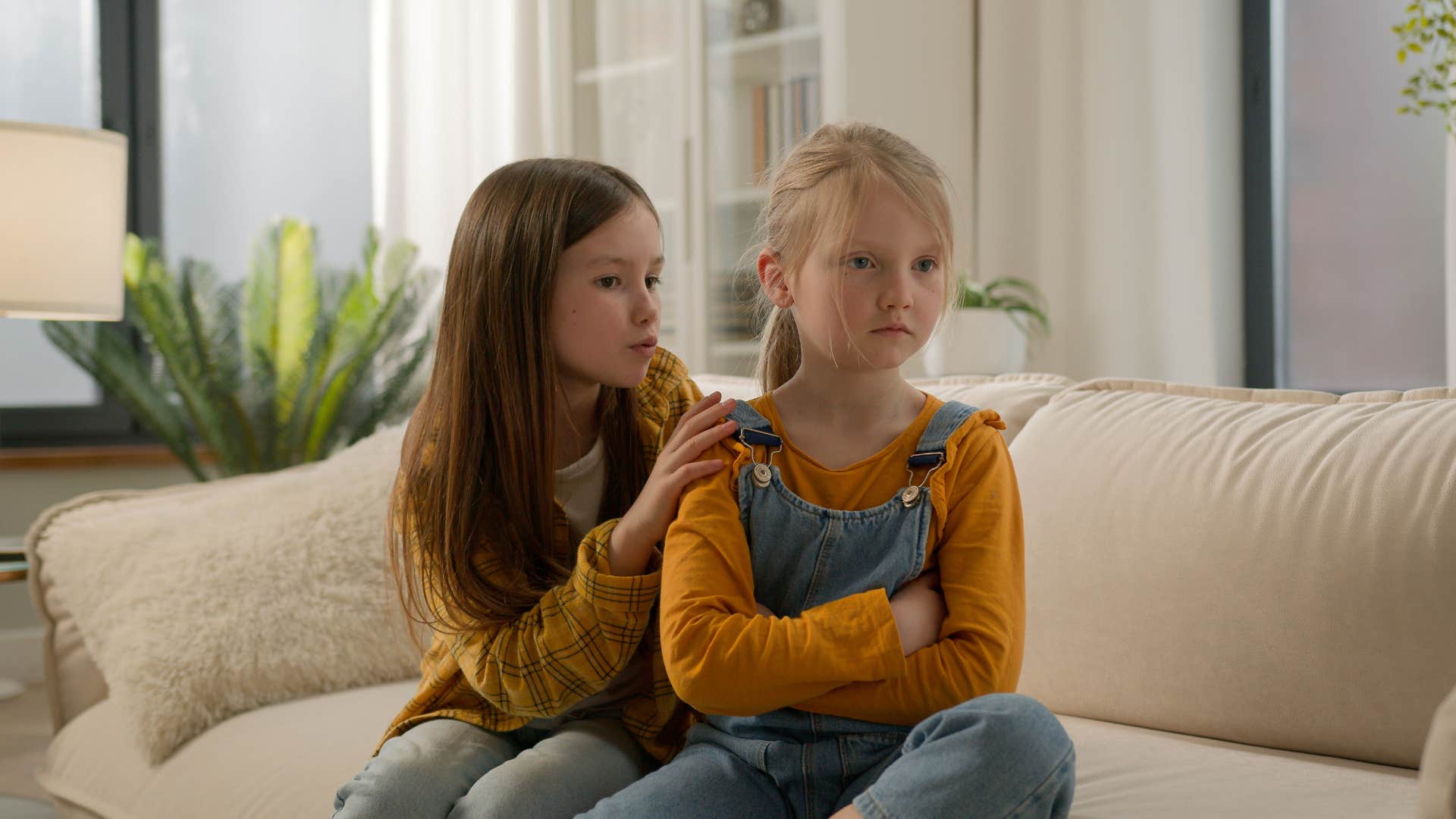
Whenever conflicts happened, kids during the 80s and 90s had to figure them out in person instead of waiting for an adult to step in. It didn't matter how these petty arguments started, either. Kids still had to deal with them in real time. Those moments were definitely awkward, especially if tensions were running high. Young children who gain real-life conflict experiences are usually more confident about facing social challenges in the future.
Maybe it would start off with everyone arguing loudly and refusing to talk to each other. But eventually, they worked it out and moved forward. Having those awkward moments of conflict allowed for kids to get more comfortable working through their issues, and while it might not have always been perfect, it definitely worked.
5. Take small physical risks like climbing trees or building ramps
 Pexels via Canva
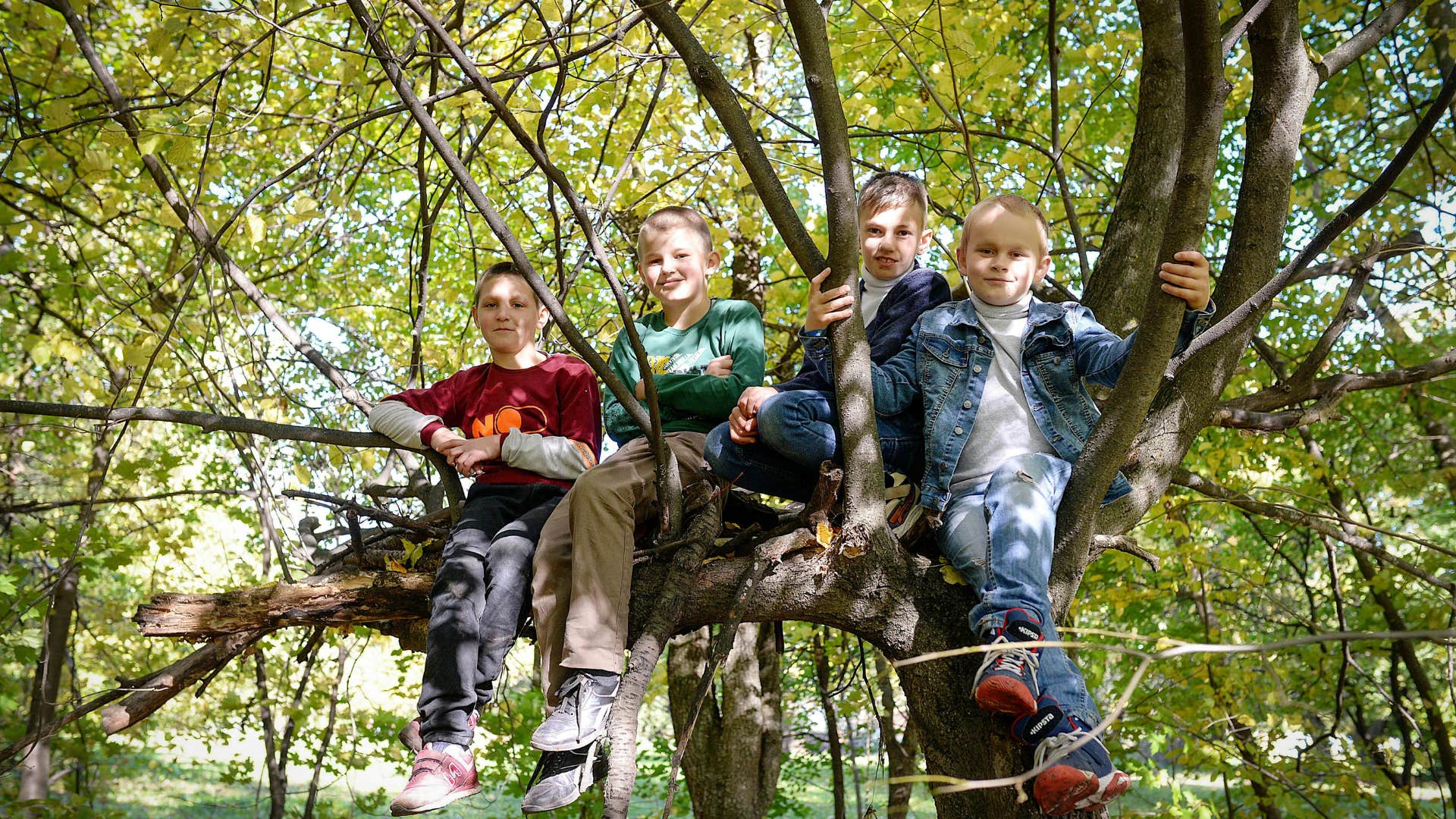
Kids growing up in the ’80s and ’90s were often allowed to test their physical limits in ways that feel rare today. Climbing trees, jumping bikes off homemade ramps, or exploring slightly risky playground challenges were simply part of everyday childhood.
Moderate risk-taking during childhood actually helps build resilience and confidence. When kids learn how to judge heights, balance, and speed on their own, they develop a better sense of their physical abilities and limitations. Instead of being shielded from every potential scrape or bruise, they gained experience assessing situations and deciding what felt manageable.
These small risks also taught persistence, because failure was usually followed by another attempt rather than immediate adult intervention. As adults, many people who grew up with these experiences feel more comfortable handling uncertainty and adapting to new challenges. The early lesson that a setback isn’t catastrophic often carries into how they approach work, relationships, and personal goals.
6. Hang out at the mall for hours
 Nomad_Soul | Shutterstock
Hanging out at the mall was something kids could do freely in the 80s and 90s. The mall wasn't just a place to shop. It was actually a place where kids would meet up with their friends, wander around, and socialize. They might grab some food from the food court or spend all of their money playing games at the local arcade.
The whole point was just being able to be there together. It allowed for kids to have a semblance of independence. Kids were there on their own until their parents eventually came to pick them up. That sense of freedom felt grown-up and helped develop some important social skills.
7. Have unstructured free time instead of highly scheduled activities
 Africa images via Canva
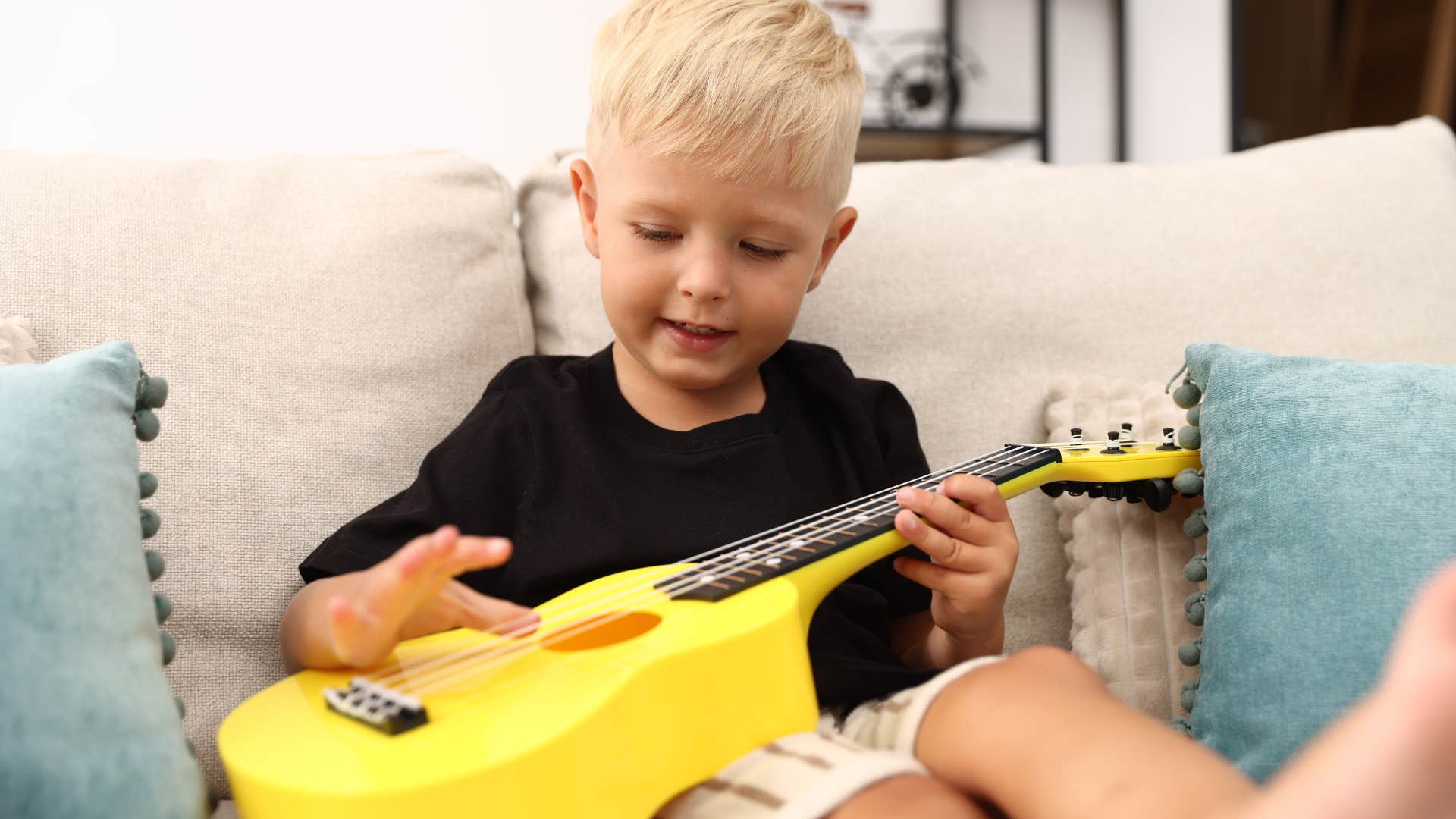
For many kids in the ’80s and ’90s, large parts of the day were completely unscheduled. After school or on weekends, there were long stretches of time without organized activities, practices, or carefully planned enrichment. This kind of unstructured time can play a major role in building imagination and problem-solving skills.
When children are responsible for filling their own time, they begin experimenting with ideas, inventing games, and creating stories or projects on their own. Boredom, which many adults try to eliminate today, often becomes the starting point for creativity. Instead of relying on external stimulation, kids learn how to generate their own.
Over time, this freedom helps develop independence and curiosity. Adults who experienced this type of childhood often remain comfortable exploring ideas, starting projects, or entertaining themselves without constant structure.
8. Wait for their turn for things
 Volodymyr TVERDOKHLIB | Shutterstock
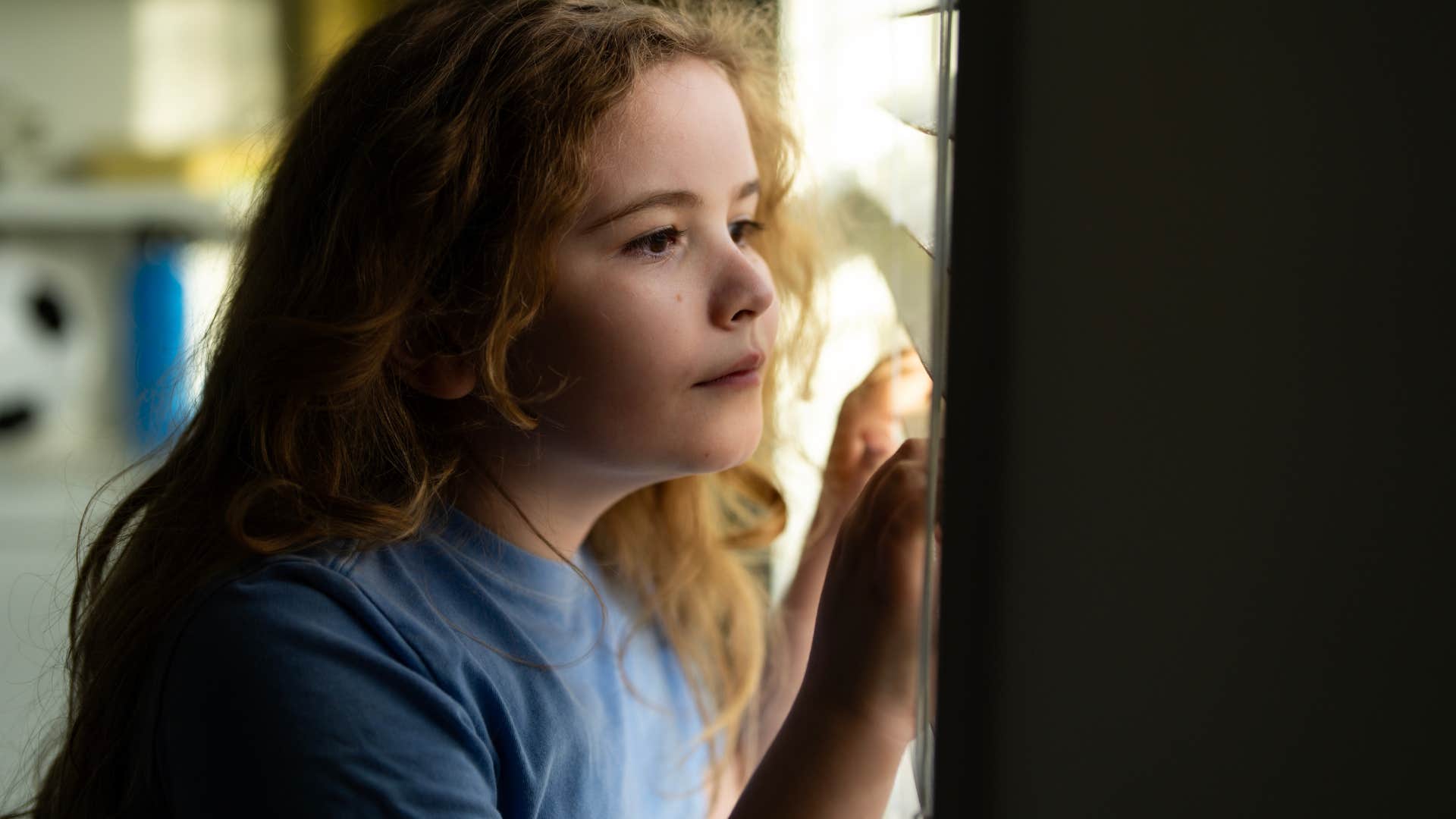
There were plenty of times when kids during these two decades had to learn the value of patience. Unlike today, where there are so many apps to occupy a kid's time while they're waiting, sometimes kids back then just had to stand or sit and deal with it.
Learning to wait like that meant kids were able to manage their frustration. Sitting through those moments forced kids to actually redirect their attention to something else. It might not have always been fun, but it definitely helped build resilience.
9. Experiment with weird fashion trends
 AYO Production | Shutterstock
Kids weren't afraid to wear bold colors and mismatched outfits. They were able to express their personalities, and sometimes the looks might've been awkward or embarrassing, but that was part of the whole experience. The key was that it gave kids the freedom to express themselves without worrying too much about being judged.
Trying out unusual fashion also helped kids build their confidence. Wearing something crazy meant keeping your head high so you wouldn't get made fun of. Those small experiences meant kids felt much more comfortable standing out and taking risks in life.
10. Experience failure with immediate rescue
 MAYA LAB | Shutterstock
There wasn't always an adult to swoop in and fix everything for kids growing up during the 80s and 90s. Kids, instead, had to face the consequences and figure out what to do next on their own. It could be frustrating and scary in the moment, but it was what helped them build resilience that carried them into adulthood.
"Children become self-confident not by receiving constant praise, but by feeling within themselves that they have accomplished something. More to the point, children and teenagers learn to fail by doing just that: failing, being allowed to fail—occasionally, and learning that failure is part of learning, part of growing, part of life, and not an indictment on them as human beings," explained clinical psychologist Corinne Masur, Psy.D.
It meant they were able to take responsibility for their actions, and if they made a mistake, they couldn't just call on someone to help them out. They had to fix it themselves or accept the outcome and try to do better next time.
11. Figure out basic practical problems on their own (fixing bikes, broken toys, etc.)
 Zurijeta via Canva
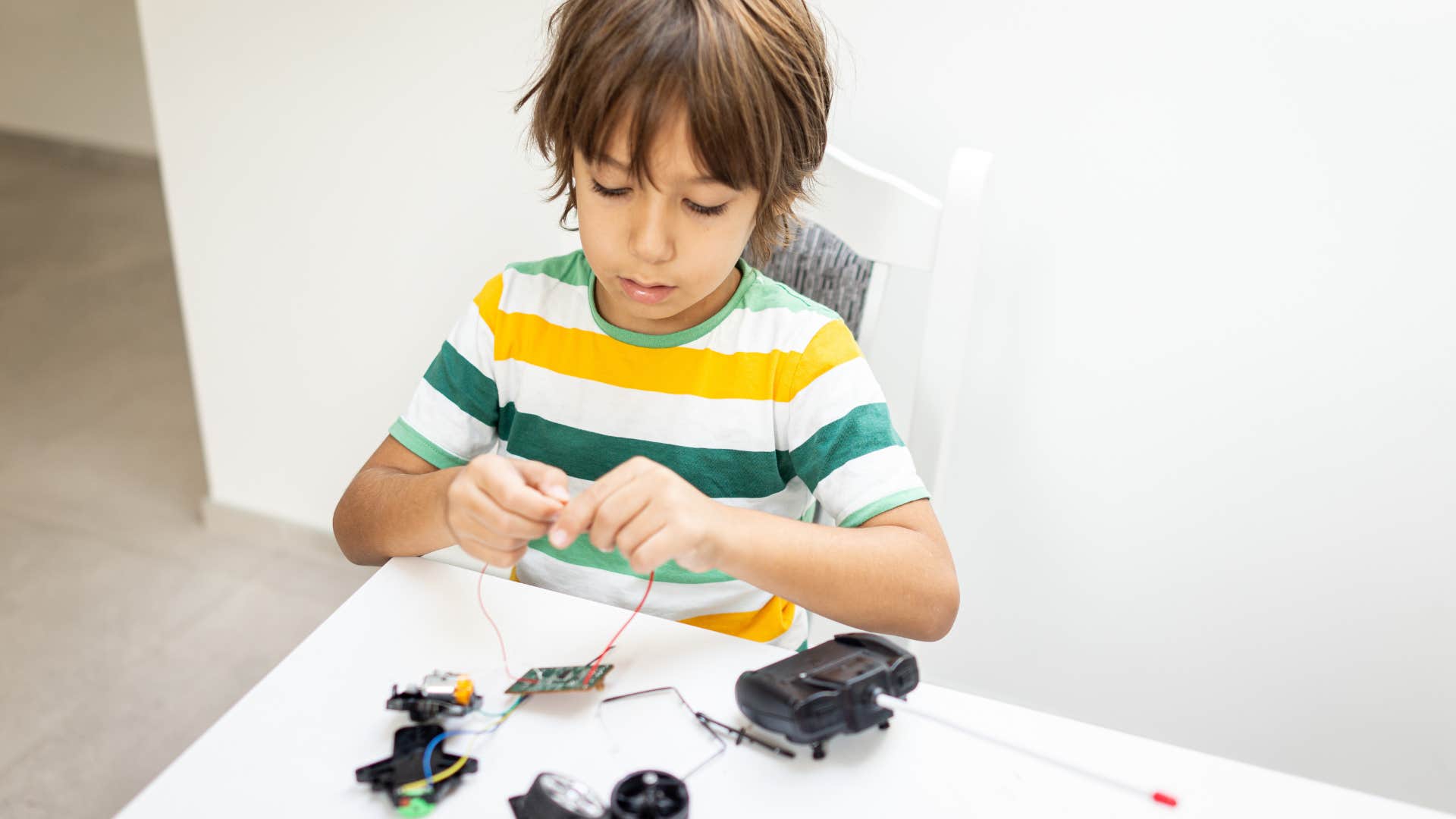
Growing up in the ’80s and ’90s often meant dealing with small problems on one's own. When a bike chain slipped off, a toy stopped working, or a game piece broke, kids frequently experimented with solutions before asking for help.
Hands-on troubleshooting strengthens both persistence and analytical thinking. Instead of immediately replacing broken items or relying on adults to fix everything, many kids learned through trial and error. They examined how things worked, adjusted parts, and tried different approaches until something succeeded. This process built a quiet confidence in their ability to handle practical challenges.
Those experiences created a mindset that problems are puzzles rather than obstacles. As adults, people who grew up this way often feel more capable of tackling unfamiliar situations because they trust their ability to figure things out.
Nia Tipton is a staff writer with a bachelor’s degree in creative writing and journalism who covers news and lifestyle topics that focus on psychology, relationships, and the human experience.
