
11 After-School Habits That Actually Made Kids More Resilient
 Miljan Zivkovic / Shutterstock
 Resilience isn’t something most kids are directly taught. It develops quietly, in ordinary moments that don’t look especially important at the time. For many past generations, the hours after school created exactly that kind of training ground — not through lectures or structured programs, but through freedom, friction, and figuring things out without constant adult intervention.
Today’s kids face different pressures and different strengths. But looking back at certain after-school habits reveals how much unstructured time contributed to emotional toughness, adaptability, and confidence. These weren’t formal lessons. They were daily rituals that built capability without anyone labeling it as growth.
These are 11 after-school habits that actually made kids more resilient
1. Walking or biking home alone
 Prostock-studio / Shutterstock
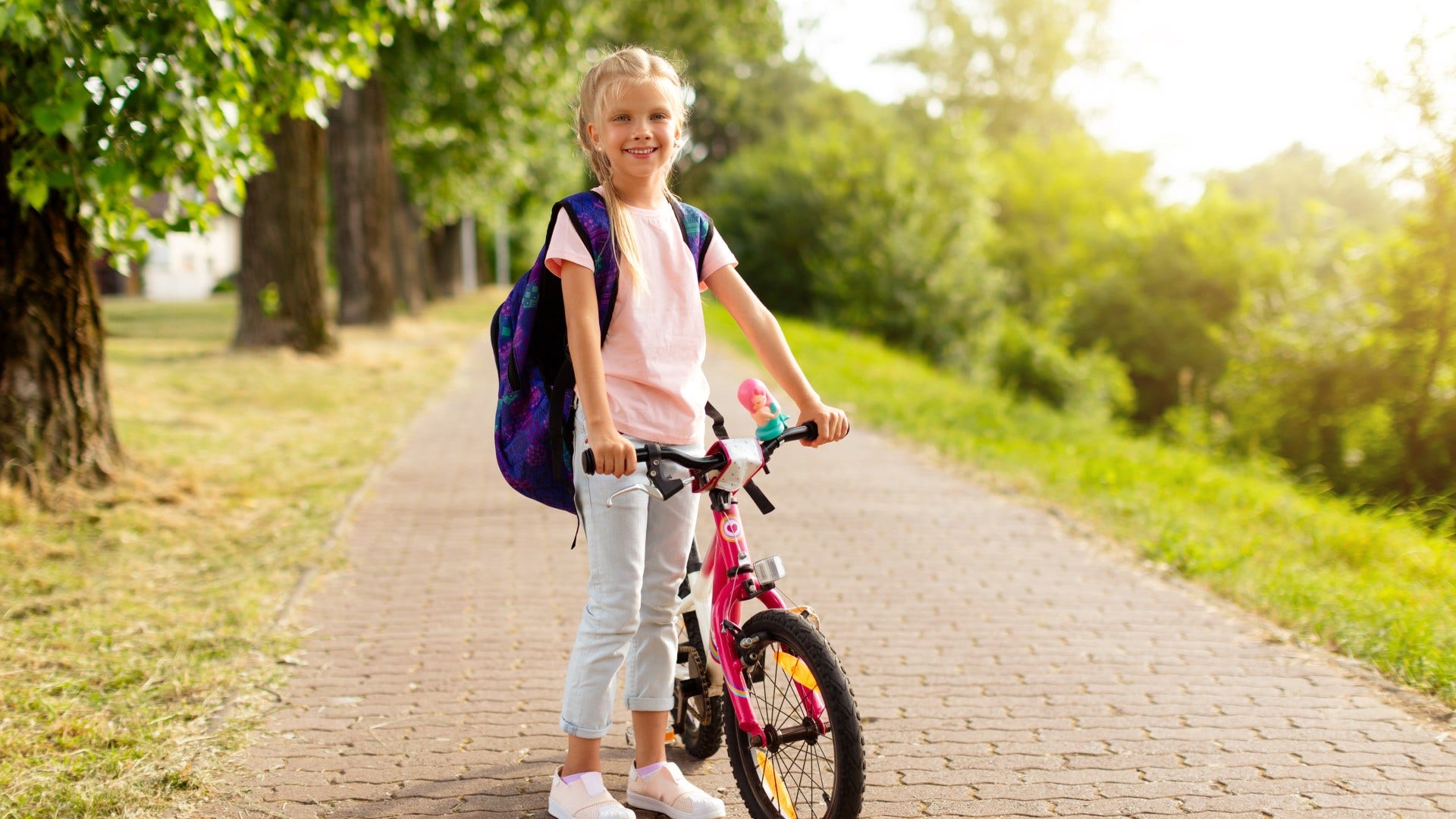
Getting yourself home required awareness, planning, and basic risk assessment. Kids learned traffic patterns, safe shortcuts, and how to handle minor problems independently. If it rained unexpectedly or a bike chain slipped, you figured it out.
Those small challenges built quiet competence. Independence strengthens problem-solving and self-efficacy over time. Confidence grows when children experience manageable risk. The sense of “I can handle this” starts in moments like that. Being trusted reinforced responsibility. Resilience often begins with autonomy.
2. Navigating conflicts without adults stepping in
 New Africa / Shutterstock
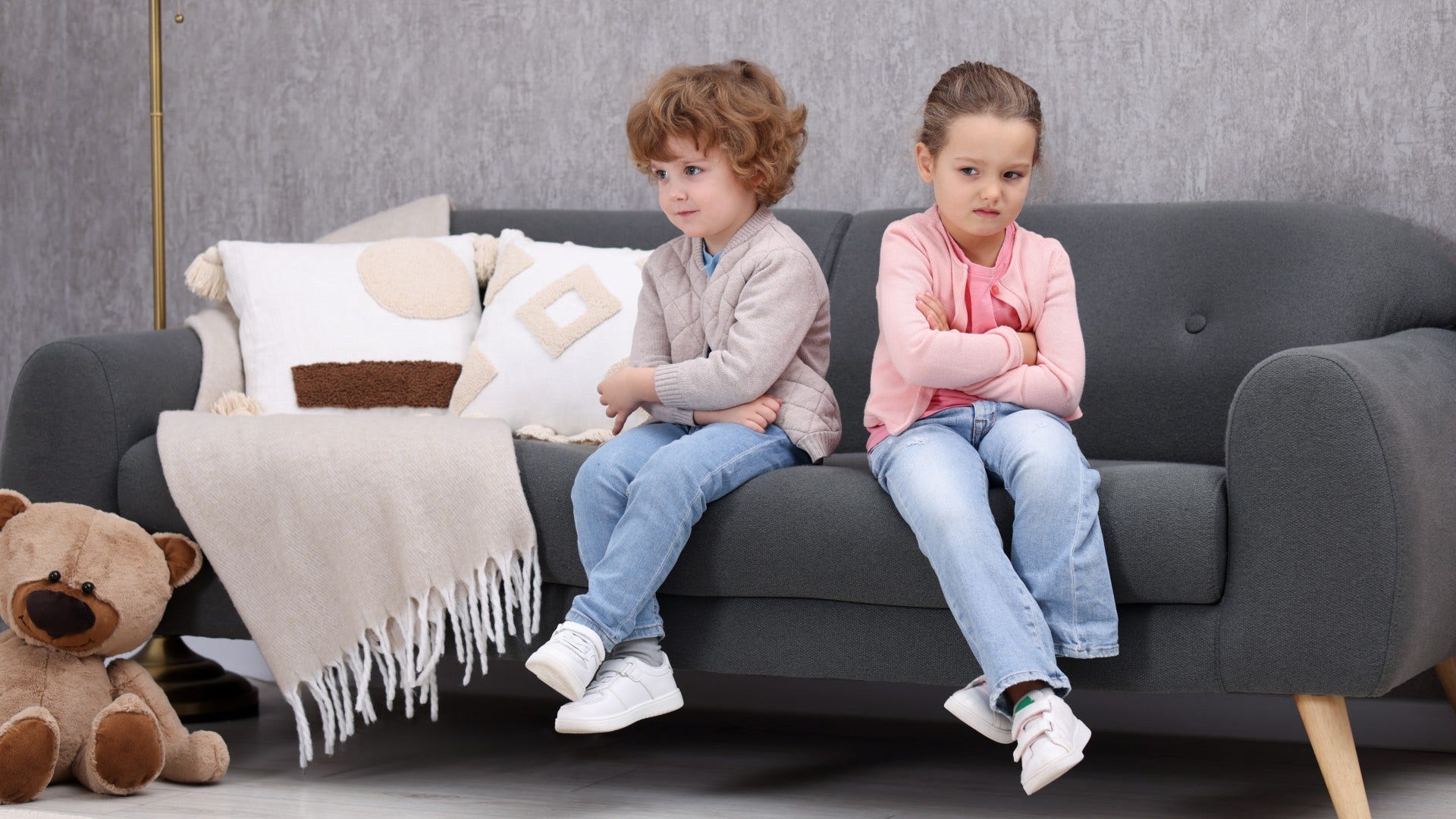
Arguments happened regularly, and not every disagreement required parental mediation. Kids negotiated rules, settled disputes, and occasionally walked away frustrated. Those interactions built emotional regulation skills organically.
They learned how to repair friendships after tension. Social competence develops through practice, not avoidance. Peer conflict helps children build negotiation and empathy skills. Handling friction builds tolerance for discomfort. Over time, that tolerance becomes emotional stamina. Resilience thrives in imperfect social moments.
3. Managing boredom without instant entertainment
 Andrii Iemelianenko / Shutterstock
There was no algorithm ready to fill the empty space. Boredom forced creativity. Kids built forts, invented games, or wandered into new ideas simply to pass the time. Unstructured boredom has been linked to improved imagination and problem-solving ability.
The brain learns to generate stimulation internally rather than seeking it externally. That internal resourcefulness carries into adulthood. Learning how to sit with restlessness builds patience. Creativity often emerges from stillness. Resilience includes the ability to tolerate downtime without panic.
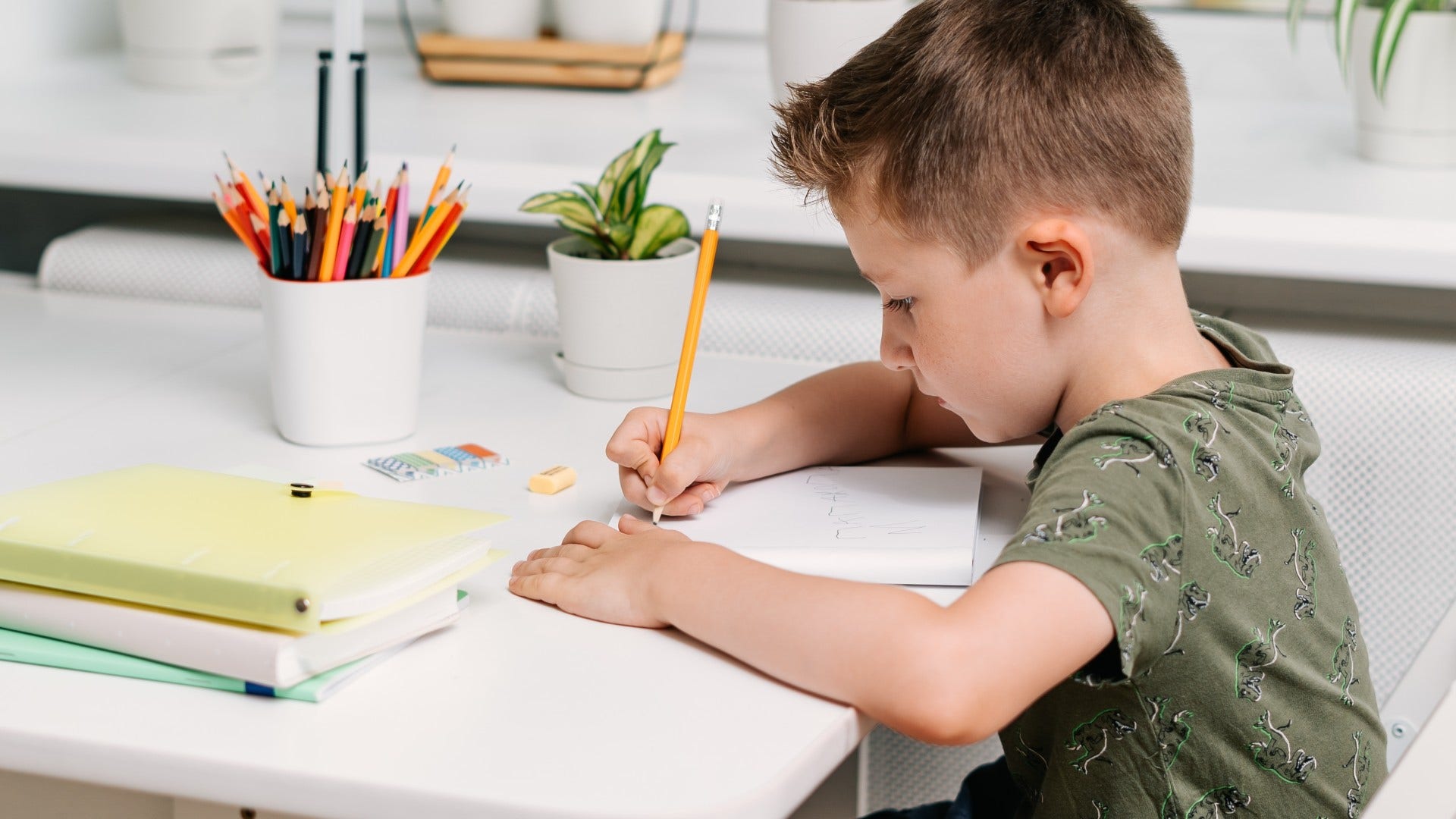
4. Figuring out homework without immediate digital help
 Ostanina Anna / Shutterstock
Before search engines were a reflex, homework required persistence. If you didn’t understand something, you reread the chapter or waited until the next day to ask a teacher. That delay built frustration tolerance.
Struggling through confusion can strengthen learning retention. Psychologists refer to this as desirable difficulty. Working through uncertainty teaches patience and grit. Immediate answers weren’t always available. That gap between problem and solution built perseverance. Resilience often grows in the waiting.
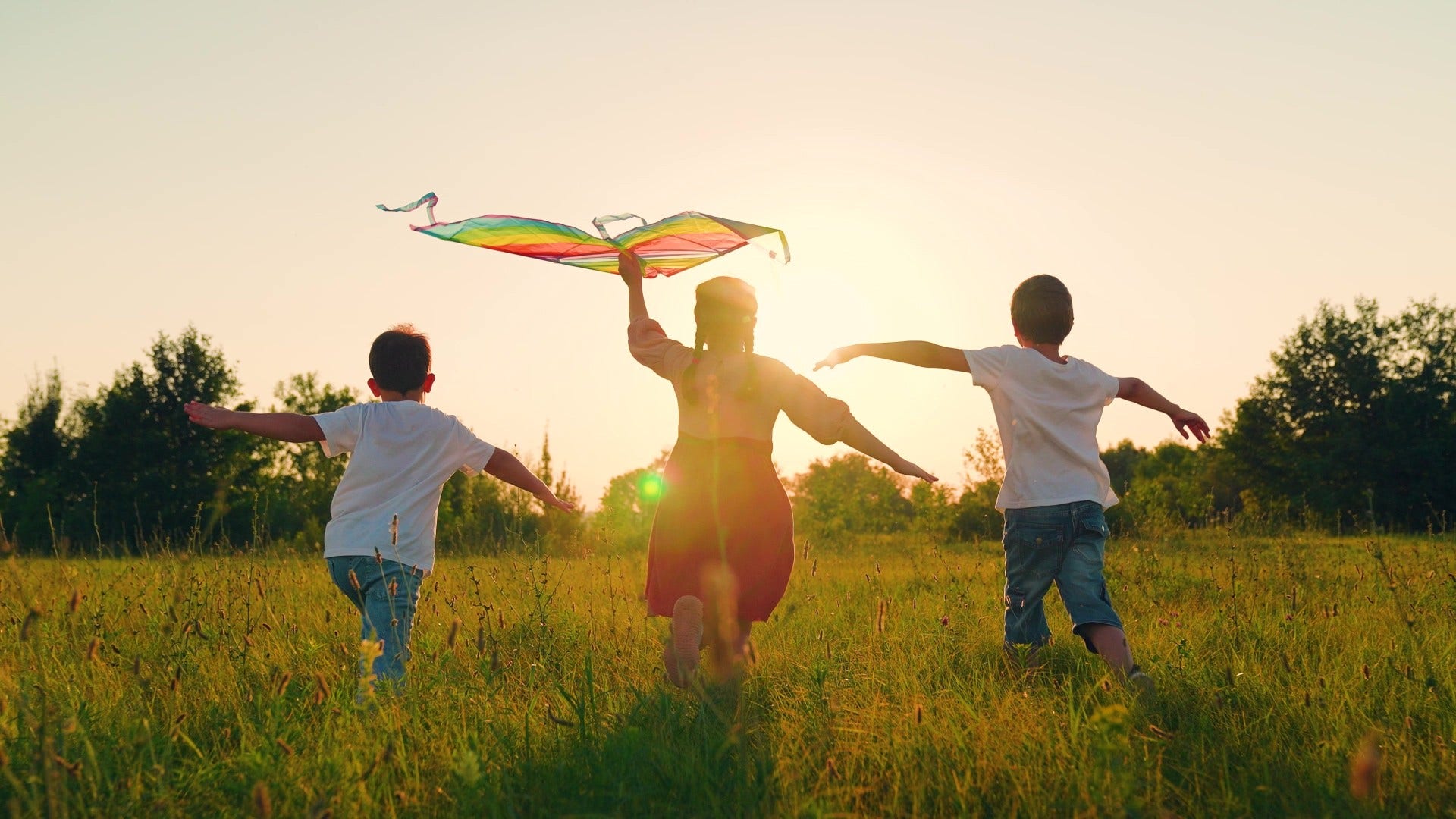
5. Being unreachable for hours
 Zoteva / Shutterstock
When kids were outside until dinner, they weren’t constantly connected. They made decisions without real-time parental correction. That distance encouraged self-trust. It also reduced performance pressure. No one was documenting mistakes.
Emotional recovery happened privately. Learning from minor errors without public scrutiny builds confidence. Constant monitoring can unintentionally reduce risk-taking. Being unreachable created space for independent identity formation. Resilience flourishes when autonomy meets responsibility.
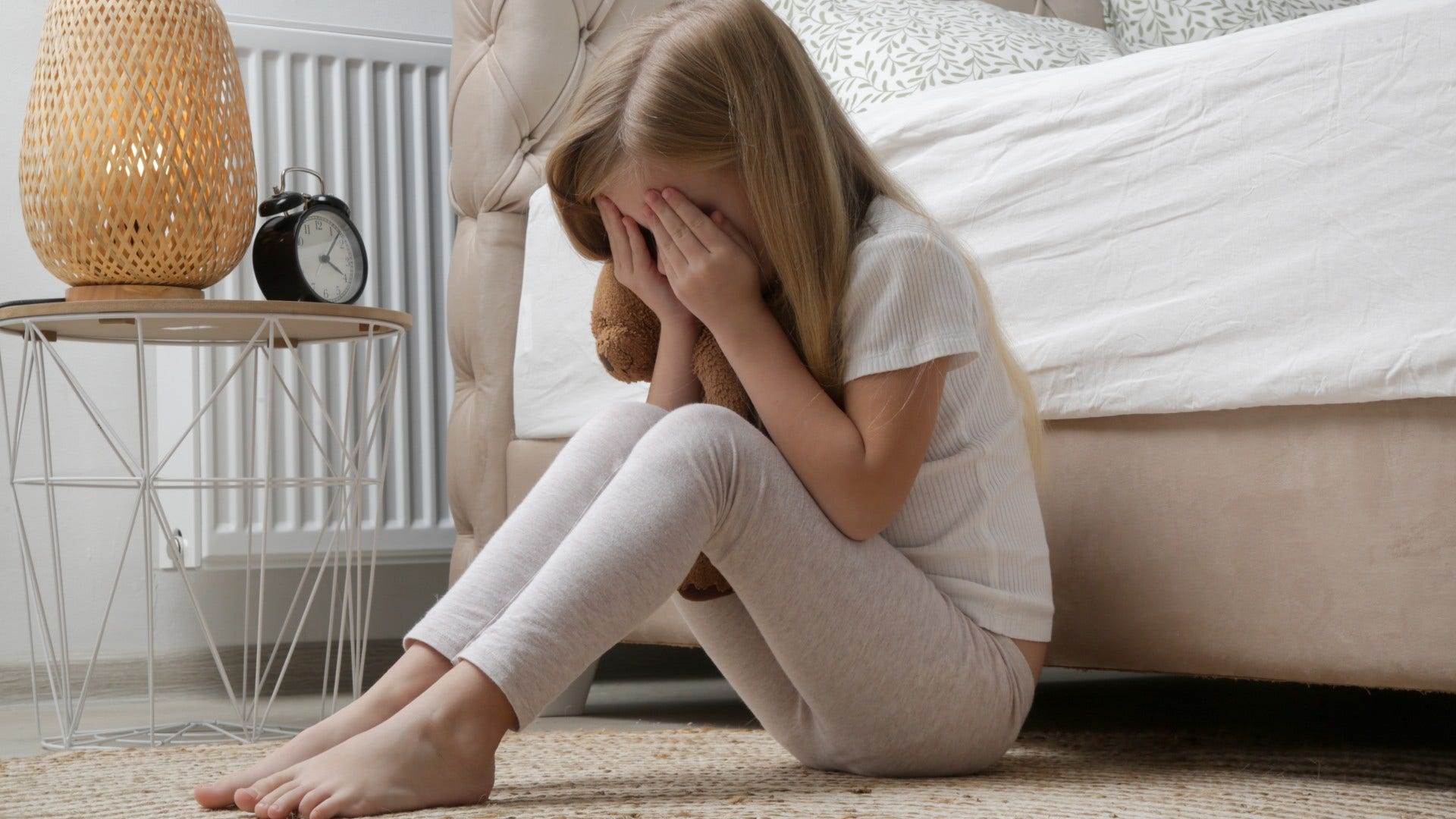
7. Handling disappointment without immediate intervention
 triocean / Shutterstock
Not making the team or losing a game didn’t always prompt intense adult negotiation. Kids experienced setbacks directly. Those experiences built emotional tolerance. Learning to process disappointment independently fosters long-term coping skills.
Shielding children from all discomfort can unintentionally limit growth. Small losses prepare them for larger ones. Resilience requires exposure to frustration. Recovery becomes easier when it’s practiced early. Emotional stamina builds gradually.
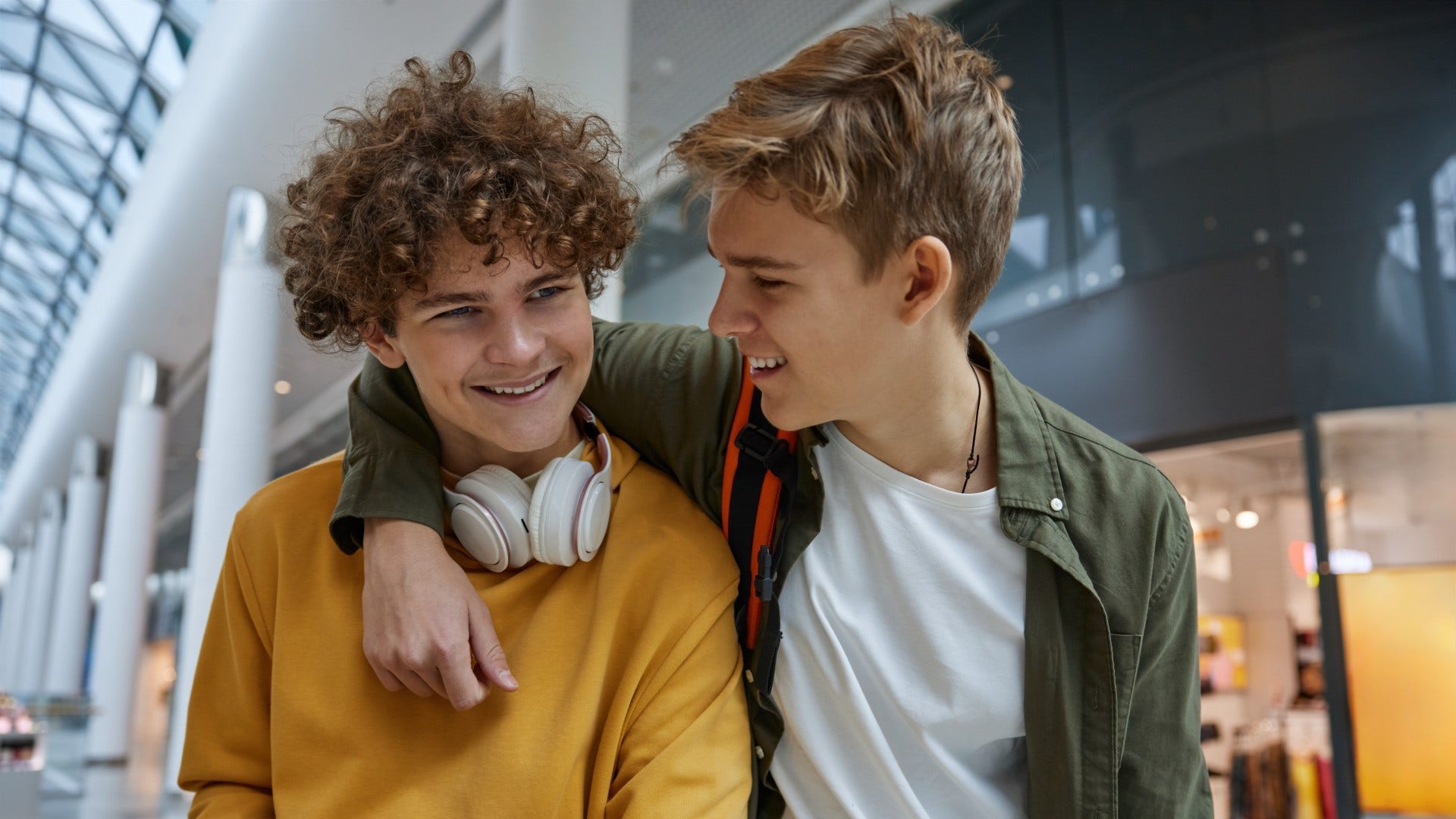
8. Creating social plans spontaneously
 Nomad_Soul / Shutterstock
Friendships weren’t always structured through scheduled activities. Kids had to initiate, invite, and sometimes face rejection. That built communication skills and social courage. Navigating group dynamics required reading cues and adjusting behavior.
Repeated practice strengthened confidence. Social resilience develops through trial and error. Handling awkward moments builds flexibility. Spontaneity nurtured adaptability. Those informal interactions trained emotional intelligence.
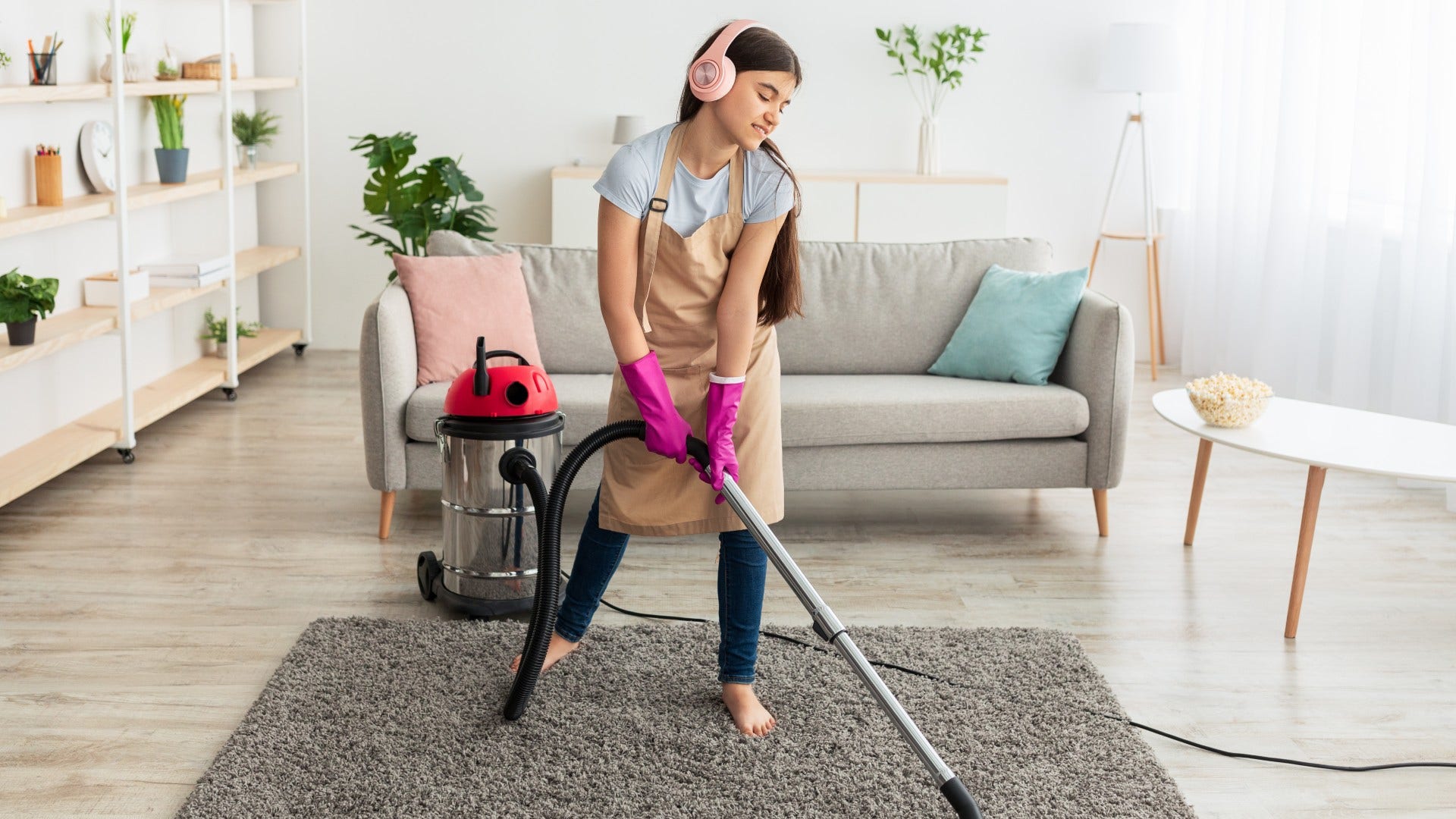
9. Contributing to household chores daily
 Prostock-studio / Shutterstock
After school often meant responsibilities like unloading the dishwasher, folding laundry, or watching a sibling. These tasks built reliability. Contributing to family systems fosters competence and a sense of belonging.
Research consistently links early responsibility with stronger executive functioning skills. Kids learned time management by necessity. Work wasn’t always optional. That structure supported discipline. Resilience thrives when effort becomes normal.
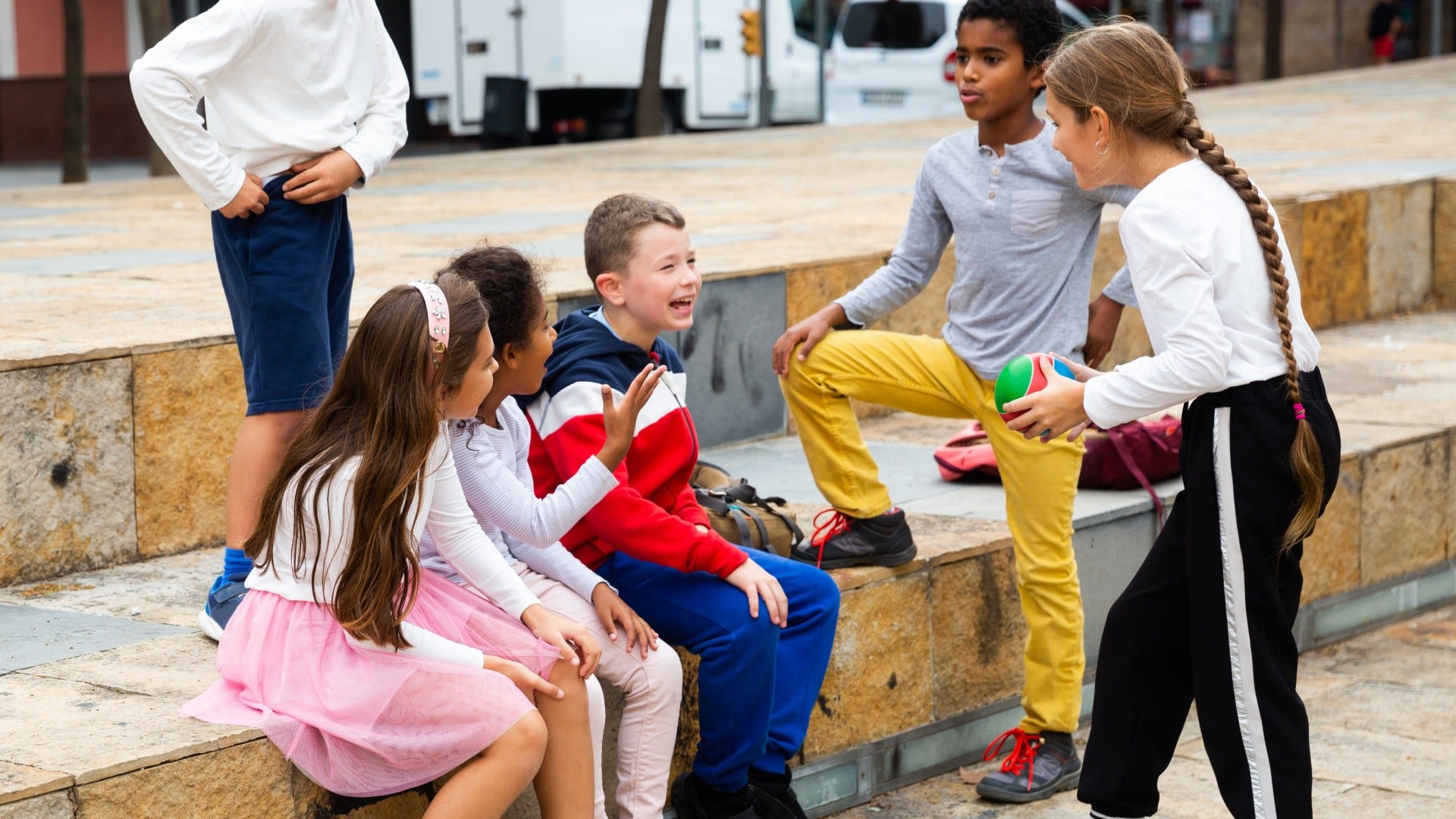
10. Spending time with mixed-age groups
 BearFotos / Shutterstock
Neighborhood play often included older and younger kids together. Younger children learned by observing. Older children developed leadership skills.
Social hierarchies were navigated organically. Mixed-age interaction improves adaptability and perspective-taking. Kids adjusted their behavior based on context. That flexibility strengthens social awareness. Learning from peers broadened understanding. Resilience grows when children adapt across dynamics.
11. Ending the day without comparison to a curated highlight reel
 Prostock-studio / Shutterstock
After-school life existed mostly offline. There was no immediate comparison to thousands of peers. Social identity developed locally. Mistakes faded naturally instead of lingering digitally. Reduced comparison supports healthier self-esteem development.
Constant exposure to others’ curated lives can intensify insecurity. Past generations had more privacy to grow awkwardly. That breathing room protected confidence. Resilience flourishes when self-worth isn’t constantly measured.
Sloane Bradshaw is a writer and essayist who frequently contributes to YourTango.
