
Parents Who Focus On Listening More Than Lecturing Usually Raise Kids With These 11 Rare Traits
 DimaBerlin / Shutterstock
 Many parents feel pressure to constantly guide, correct, and instruct their children. Advice, rules, and lectures often seem like the most direct way to teach right from wrong. While structure certainly matters, psychologists who study child development often point out that one of the most powerful parenting tools is something much simpler: listening.
When children feel genuinely heard, they tend to develop stronger emotional awareness, confidence, and communication skills. Research on parent-child attachment consistently shows that kids who grow up in environments where their thoughts and feelings are taken seriously often carry that sense of security into adulthood. Parents who focus more on listening than lecturing are building trust. Over time, that trust helps shape a set of rare and valuable traits in their children.
Parents who focus on listening more than lecturing usually raise kids with these 11 rare traits
1. They feel comfortable expressing their thoughts openly
 Dmytro Zinkevych / Shutterstock
Children who grow up with attentive listeners quickly learn that their voices matter. When a parent responds with curiosity instead of immediate correction, kids become more willing to explain what they think and feel.
Children in these environments often develop stronger communication skills because they practice articulating their ideas regularly. Instead of hiding concerns or fears, they become comfortable bringing them forward. That openness strengthens relationships later in life as well. As adults, they tend to communicate honestly rather than suppressing their opinions.
2. They develop strong emotional awareness
 Inside Creative House / Shutterstock
Listening-focused parenting often involves acknowledging a child’s feelings instead of dismissing them. When parents take time to understand a child’s emotional experience, the child learns to recognize and name those emotions more clearly.
Early conversations about feelings help children build self-awareness. Over time, they learn to identify frustration, disappointment, excitement, and anxiety more accurately. This emotional vocabulary helps them regulate their reactions more effectively. As adults, they tend to navigate difficult emotions with greater clarity.
3. They feel safe admitting mistakes
 pics five / Shutterstock
In households where listening is prioritized, mistakes are often treated as learning opportunities rather than reasons for harsh judgment. Children learn that honesty will lead to conversation instead of immediate punishment.
When people feel safe acknowledging errors, they are more likely to take responsibility and learn from them. Kids raised this way tend to admit when something goes wrong rather than hiding it. This honesty builds accountability. It also encourages problem-solving instead of defensiveness.
4. They respect other people’s perspectives
 fizkes / Shutterstock
Children who experience respectful listening from parents often mirror that behavior in their own interactions. Social learning theory suggests that kids naturally adopt communication patterns they observe in caregivers.
When they grow up in an environment where listening is valued, they learn to extend that same patience to others. As adults, they tend to hear people out before forming judgments. This habit improves friendships, workplace collaboration, and conflict resolution. Their conversations often feel balanced and thoughtful.
5. They think critically instead of following blindly
 Drazen Zigic / Shutterstock
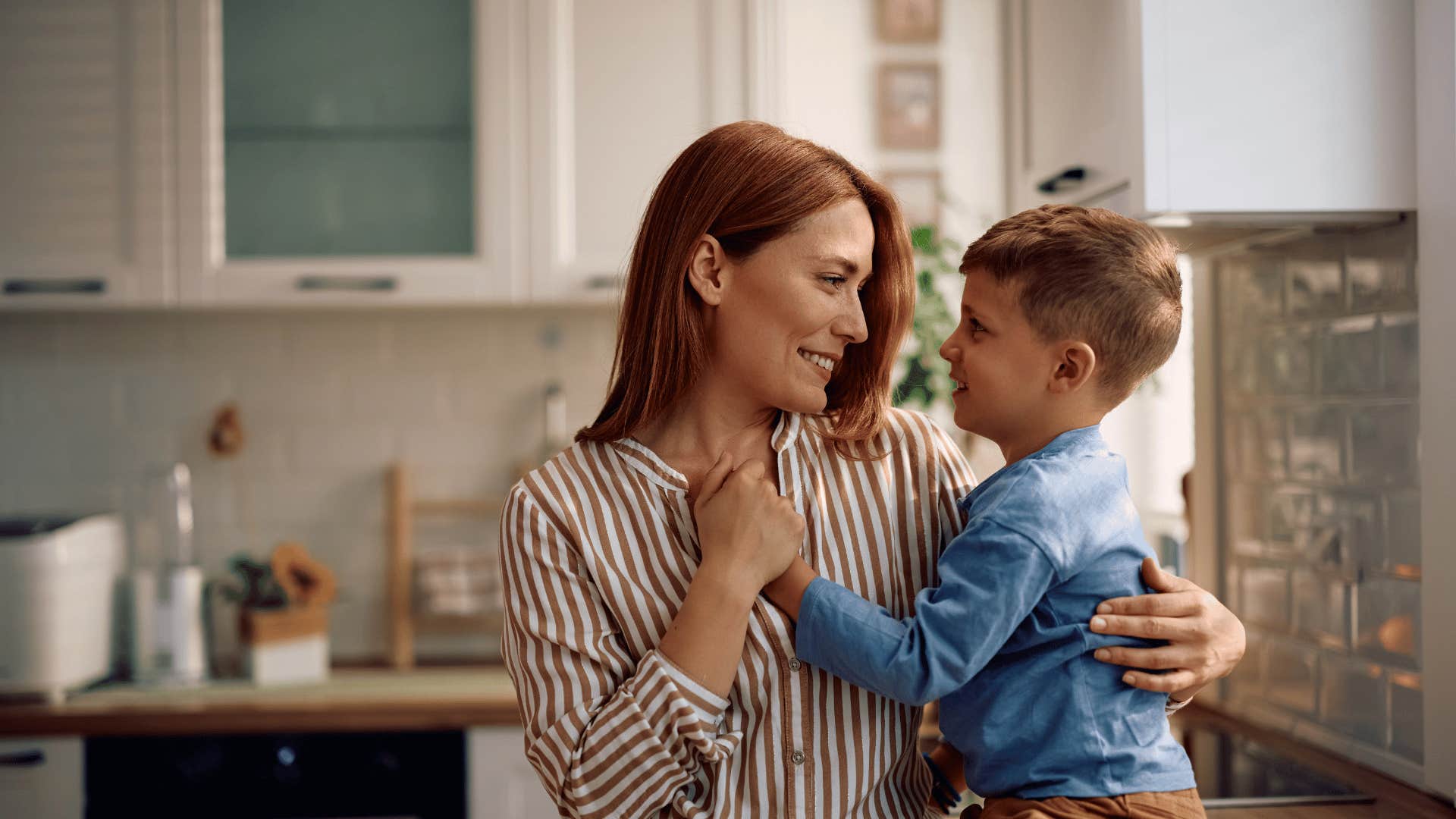
When parents listen carefully to their children’s reasoning, they often ask questions instead of delivering immediate answers. This approach encourages kids to think through problems on their own.
Questioning and dialogue strengthen critical thinking skills. Instead of simply memorizing rules, children learn to understand why those rules exist. This deeper understanding helps them make thoughtful decisions independently. As adults, they tend to evaluate situations carefully rather than accepting ideas without reflection.
6. They trust their own judgment
 Lopolo / Shutterstock
Children who are listened to frequently begin to feel that their thoughts carry value. That sense of validation helps build confidence in their ability to think through situations.
When young people believe their reasoning matters, they develop stronger decision-making skills. Instead of constantly seeking approval, they learn to trust their instincts. This confidence doesn’t mean they ignore advice. Rather, they weigh different viewpoints while maintaining a sense of personal agency.
7. They are comfortable discussing difficult topics
 Branislav Nenin / Shutterstock
Because conversations were encouraged early in life, these individuals often feel less intimidated by serious discussions. Topics like conflict, fear, or disappointment become easier to approach.
People who practiced open dialogue during childhood are more comfortable addressing sensitive issues as adults. They don’t immediately shut down when conversations become uncomfortable. Instead, they approach difficult topics with patience and curiosity. This skill often strengthens long-term relationships.
8. They develop strong empathy
 NDAB Creativity / Shutterstock
Listening-based parenting exposes children to the emotional experiences of others more often. When parents ask questions like “How do you think that made them feel?” kids begin to practice perspective-taking.
Psychological studies consistently link perspective-taking exercises to increased empathy. Over time, children learn to consider how their actions affect others. As adults, they often show compassion toward people facing challenges. This ability to imagine another person’s feelings helps them build meaningful connections.
9. They remain curious about people
 antoniodiaz / Shutterstock
Growing up in an environment where conversation is encouraged often fosters lasting curiosity. Children become accustomed to exploring ideas and asking questions rather than shutting conversations down quickly.
Curiosity developed early in life often persists into adulthood. These individuals tend to ask thoughtful questions and show genuine interest in others’ experiences. Their conversations often feel engaging and open-ended. Curiosity becomes a natural part of how they connect with the world.
10. They manage conflict more calmly
 MAYA LAB / Shutterstock
Kids who grow up in homes where listening replaces constant lecturing often learn healthier conflict patterns. Instead of seeing disagreement as something to avoid or dominate, they view it as an opportunity to understand different perspectives.
People who practice active listening during disagreements often reach solutions more effectively. As adults, they tend to stay calmer during arguments. Their goal becomes understanding rather than winning.
11. They build relationships based on trust
 MAYA LAB / Shutterstock
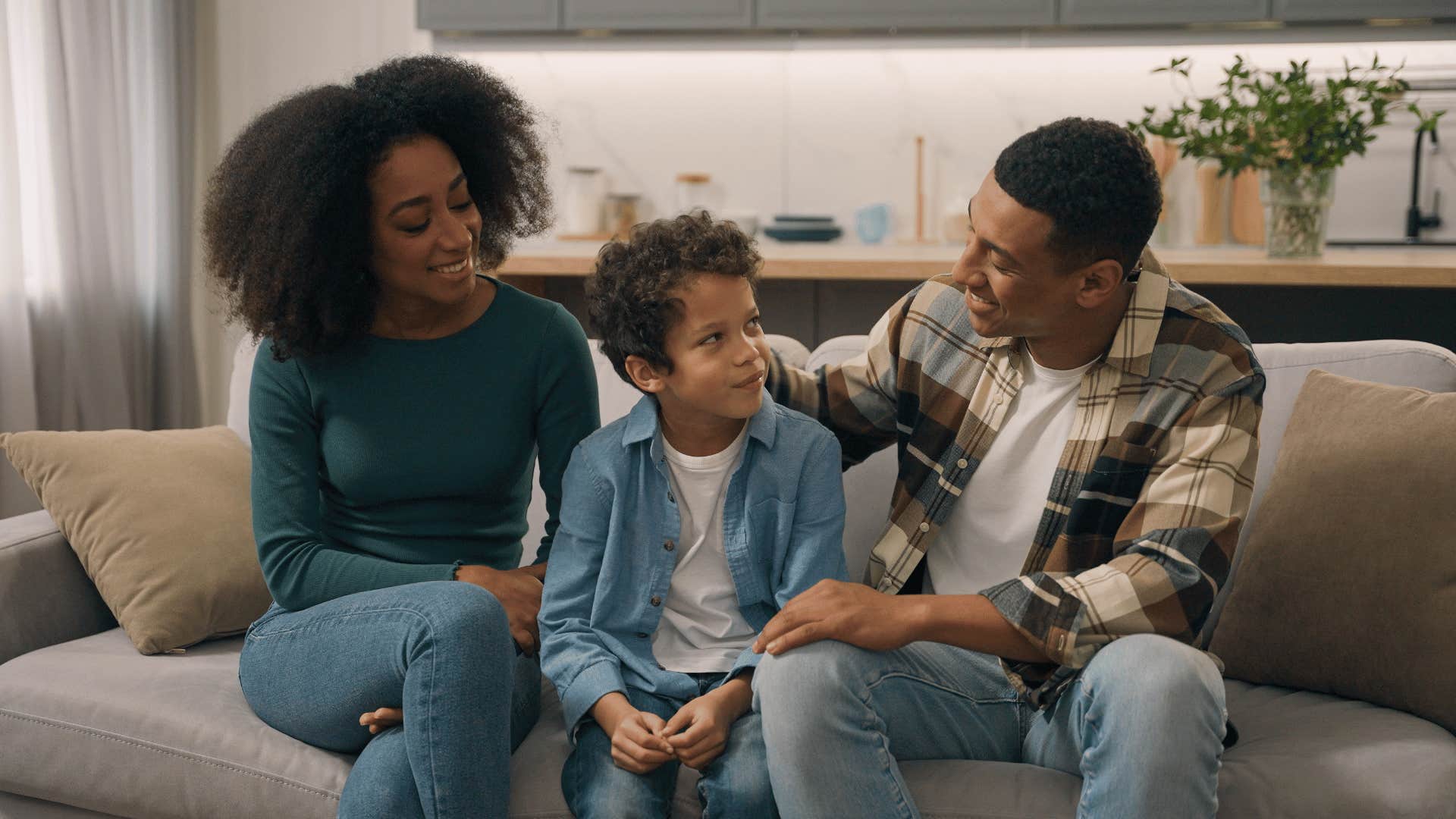
Perhaps the most powerful outcome of listening-centered parenting is the development of trust. When children feel heard consistently, they internalize the belief that relationships should involve mutual respect.
Studies on attachment show that secure early relationships often lead to healthier connections later in life. These individuals usually approach friendships and partnerships with openness and reliability. They expect honesty and communication because those qualities were modeled early on. Over time, this expectation helps them create stable and supportive relationships.
Sloane Bradshaw is a writer and essayist who frequently contributes to YourTango.
