
Parents In The 60s & 70s Refused To Spoil Their Children In The 11 Ways That Make Kids Soft Today
 Boston Public Library | Unsplash
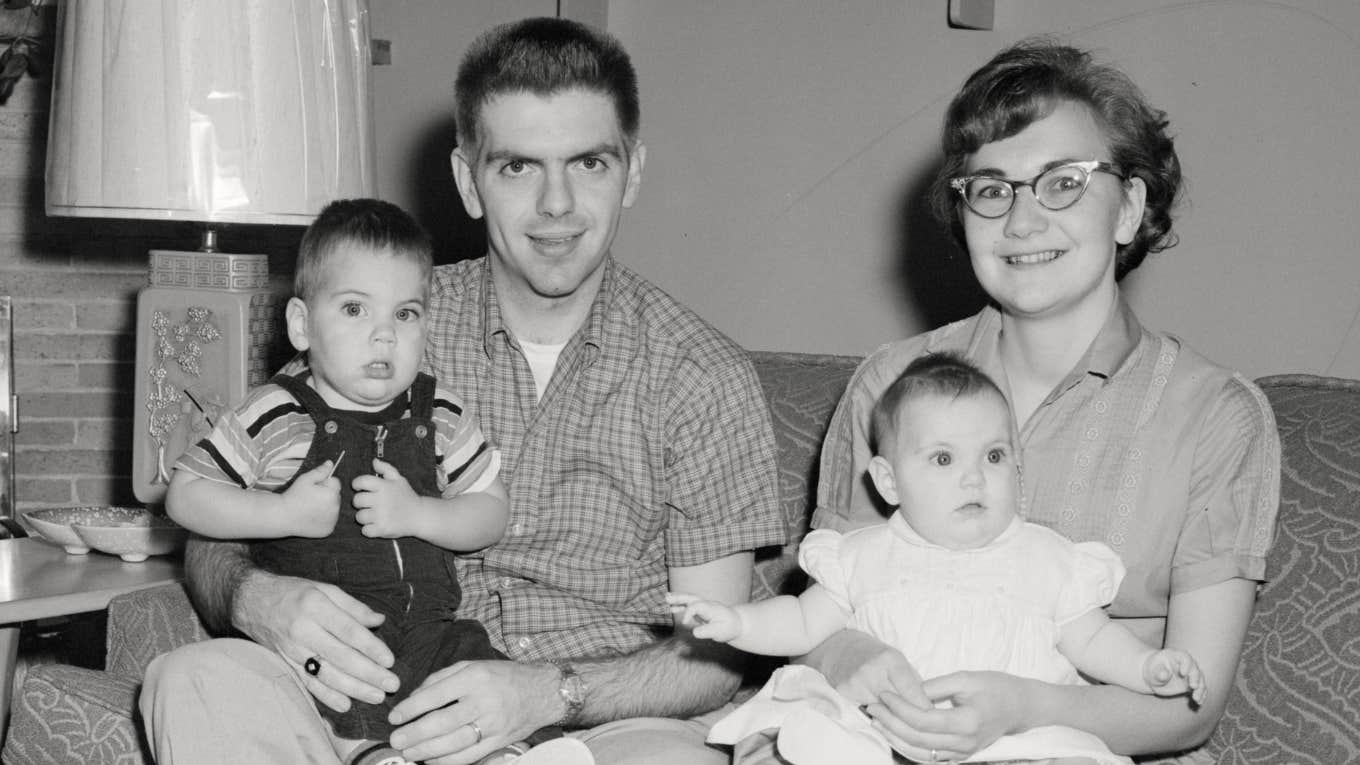
 Setting an example by leading with empathy and disciplining kids thoughtfully for thoughtless behavior is what makes them kind, altruistic adults, according to the American Psychological Association. However, when modern “gentle” parenting standards make space for kids' emotions without any kind of introspection, reflection, or discipline, they can grow into more spoiled, selfish attitudes.
They expect their parents to shield them from discomfort and solve all their problems, instead of being urged into self-assuredness and accountability. However, parents in the 60s and 70s refused to spoil their children in the ways that make kids soft today. They disciplined and taught their kids integrity, but they also offered them incredibly powerful opportunities to get comfortable with delayed gratification, patience, and empathy for others, even when it was inconvenient.
Parents in the 60s and 70s refused to spoil their children in the 11 ways that make kids soft today
1. Buying them everything they want
 Jacob Lund | Shutterstock
Offering kids the opportunity to practice things like saving money and waiting, instead of buying and offering them everything they want immediately, is how they become patient. Spoiled kids don’t have to learn to manage disappointment and regulate their emotions because their parents give them whatever they want immediately.
They enter adulthood feeling entitled to things instantly, whether it’s being personally irresponsible with money and buying whatever they want, assuming people will offer their time and energy without a second thought, or overstepping boundaries to protect their own comfort.
2. Entertaining kids constantly
 PeopleImages | Shutterstock
Part of the reason why kids raised in the 60s and 70s were so independent, creative, and thoughtful was that they were expected to entertain themselves. They had to engage in unstructured play without a parent around to save them from boredom and fill their free time while their parents worked, and without screens and mindless entertainment to distract them from their own company.
Of course, expecting parents to attend to their every need teaches codependency and a general lack of personal accountability today, but even offering them a screen in place of unsupervised play sparks a whole list of socioemotional issues, including selfishness.
3. Hiding hard conversations and conflict
 Meeko Media | Shutterstock
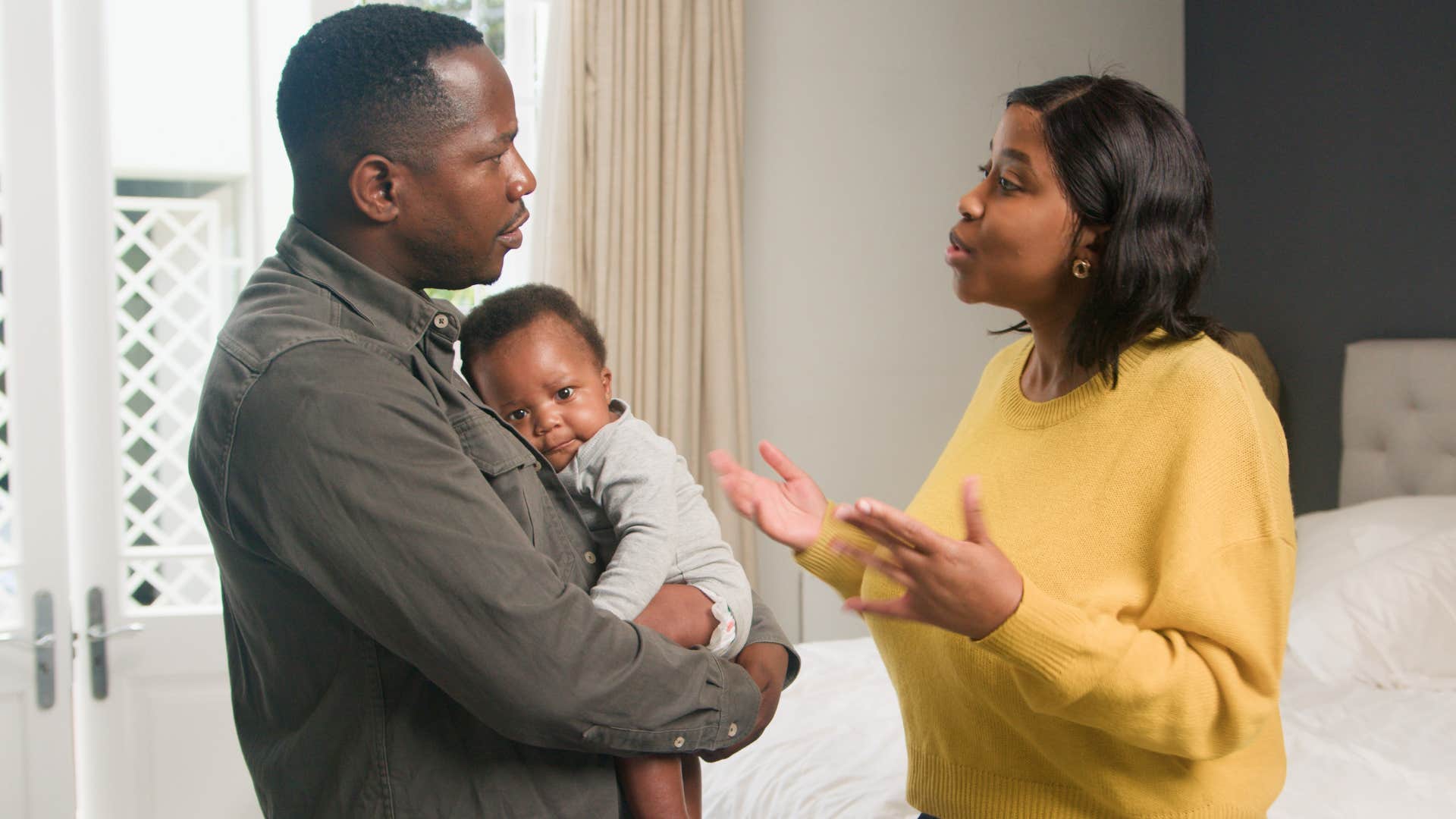
While too much conflict at home and a sense of constantly tumultuous energy can urge kids to internalize their complex emotions and people-please to protect the peace, completely hiding conflict and, more importantly, conflict-resolution between parents, can leave kids unequipped to handle their own relationships throughout life.
Parents today shelter their kids from arguments, hoping to protect their well-being, but the truth is that they often learn how to manage complex emotions, apologize, and resolve conflict from watching their parents. While kids in the 60s and 70s both practiced in their own independent ways and watched their parents, so many kids today end up running away from conflict, just like their parents seem to do at home.
4. Intervening to solve their kids’ problems
 NXTLVLSTCK | Shutterstock
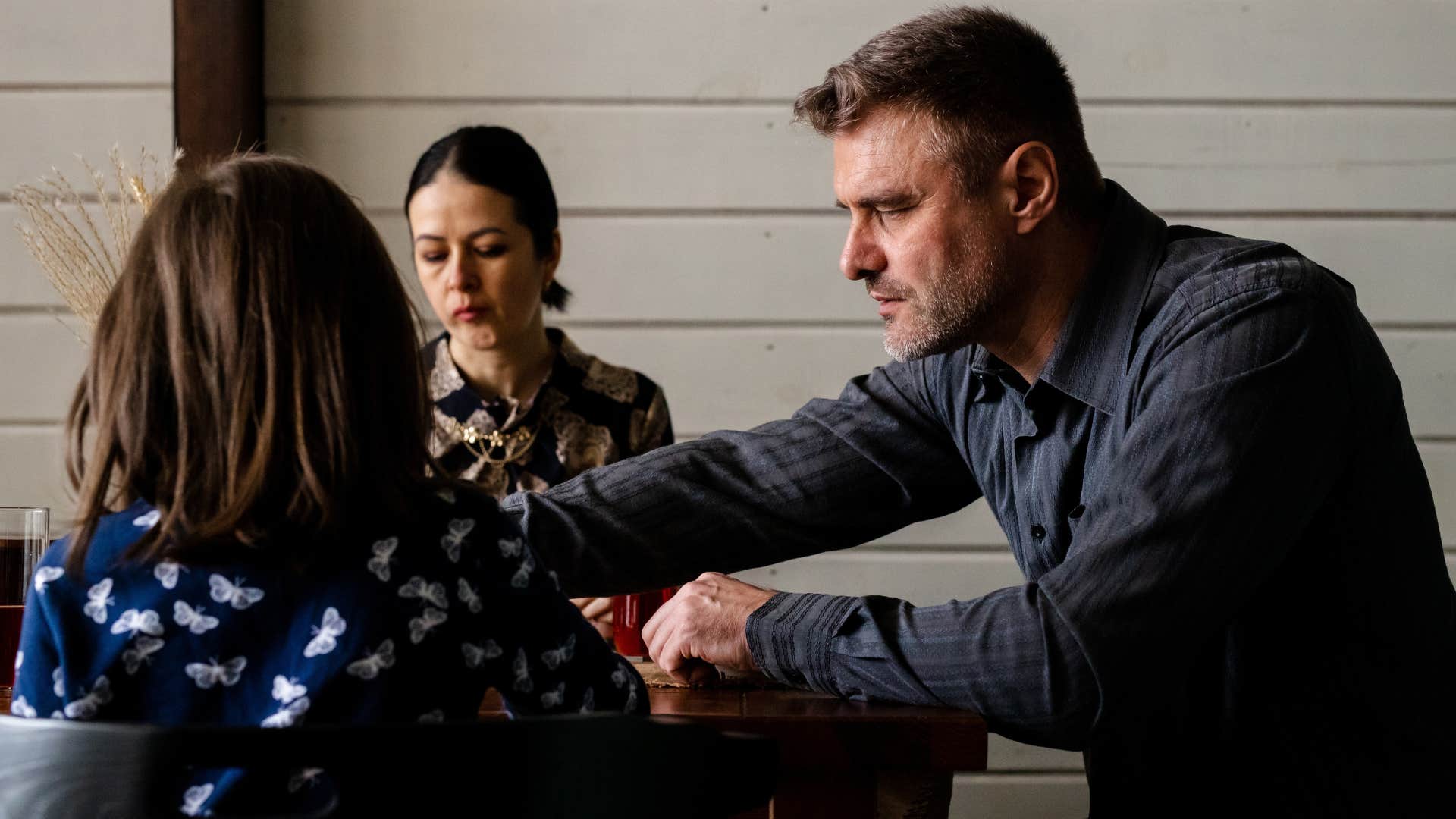
Whether it was working through an issue at school with their teachers or arguing with a friend on the playground, parents of kids in the 60s and 70s allowed their kids to fend for themselves. They had the chance to practice resolving conflict, communicating, and regulating their emotions without any extra help or protection.
While too much parental intervention, especially at school, harms kids’ socio-emotional and cognitive development, these older generations of kids gained resilience and a sense of emotional security by leaning into this discomfort and these challenges without the option to run or turn it over to a parent lingering over their shoulders.
5. Negotiating expectations and household rules
 PeopleImages | Shutterstock
While kids today often feel entitled to praise or compensation for doing bare minimum chores or household labor, kids raised in the 60s and 70s were obligated to play a role in their household. They didn’t negotiate with their parents because, in some sense, parents were the “authority figures” of the household. They had to manage their own discomfort and obligations or tolerate discipline for not doing so.
Responsible, self-reliant kids don’t just come from anywhere. They’re created through practice. From chores to spending time alone, and watching siblings, it’s typically old-school parents who refuse to spoil their kids by protecting their comfort levels and instead offer them true responsibility.
6. Rewarding every little achievement
 PeopleImages | Shutterstock
For some things, like completing chores and doing their homework, parents from the 60s and 70s didn’t always praise their kids. While it might seem “cruel” to parents today, it taught their kids to internally celebrate and reassure themselves. They could look internally for a sense of pride about completing something, rather than searching for pride and external validation from the people around them.
Modern kids have a hunger for approval and validation from others, but their 60s and 70s counterparts have a sense of self-assuredness that comes from alone time and personal responsibility without constant compensation or praise.
7. Replacing things immediately
 Inside Creative House | Shutterstock
Not replacing things immediately and coddling kids offered them a sense of emotional regulation, but also taught them to be thoughtful. Modern kids who know their parents will replace whatever breaks are more reckless with their material things. They are less careful and intentional because there’s no real value to their things, and they’ve never been exposed to buying things for themselves.
Teaching kids about money and not replacing things immediately reminds kids of the value of what they have. It offers them a chance to act more thoughtfully, rather than selfishly expecting their comfort to be prioritized immediately, regardless of how they act.
8. Allowing them to quit when things are hard
 Media_photos | Shutterstock
Whether it was doing homework, playing a sport, or resolving an argument with a friend, parents from the 60s and 70s refused to let their kids be quiet just because it was difficult. While “gentle” parents today tend to make space for kids' emotions, sometimes overlooking the power of discomfort and adversity, these old-school counterparts welcomed it.
That’s part of the reason their adult kids today are so resilient. Going through adversity and learning to deal with hardship prepared them to handle the uncertainty of adulthood, as a study from Frontiers in Psychiatry explains, instead of expecting someone else to swoop in at their aid.
9. Shielding them from minor inconveniences
 Inside Creative House | Shutterstock
Minor inconveniences and small struggles are an inevitable part of life, no matter how old you are or when you grew up. If you had a parent who refused to protect you from discomfort and expected you to learn through mistakes and practice, you dealt with them on your own.
However, modern parents today are slowly cultivating selfishness in their kids by stepping in and trying to solve all their problems for them. They teach them to seek convenience and comfort in so many ways, but especially by operating as a buffer between them and the real world.
10. Tolerating excuses
 MAYA LAB | Shutterstock
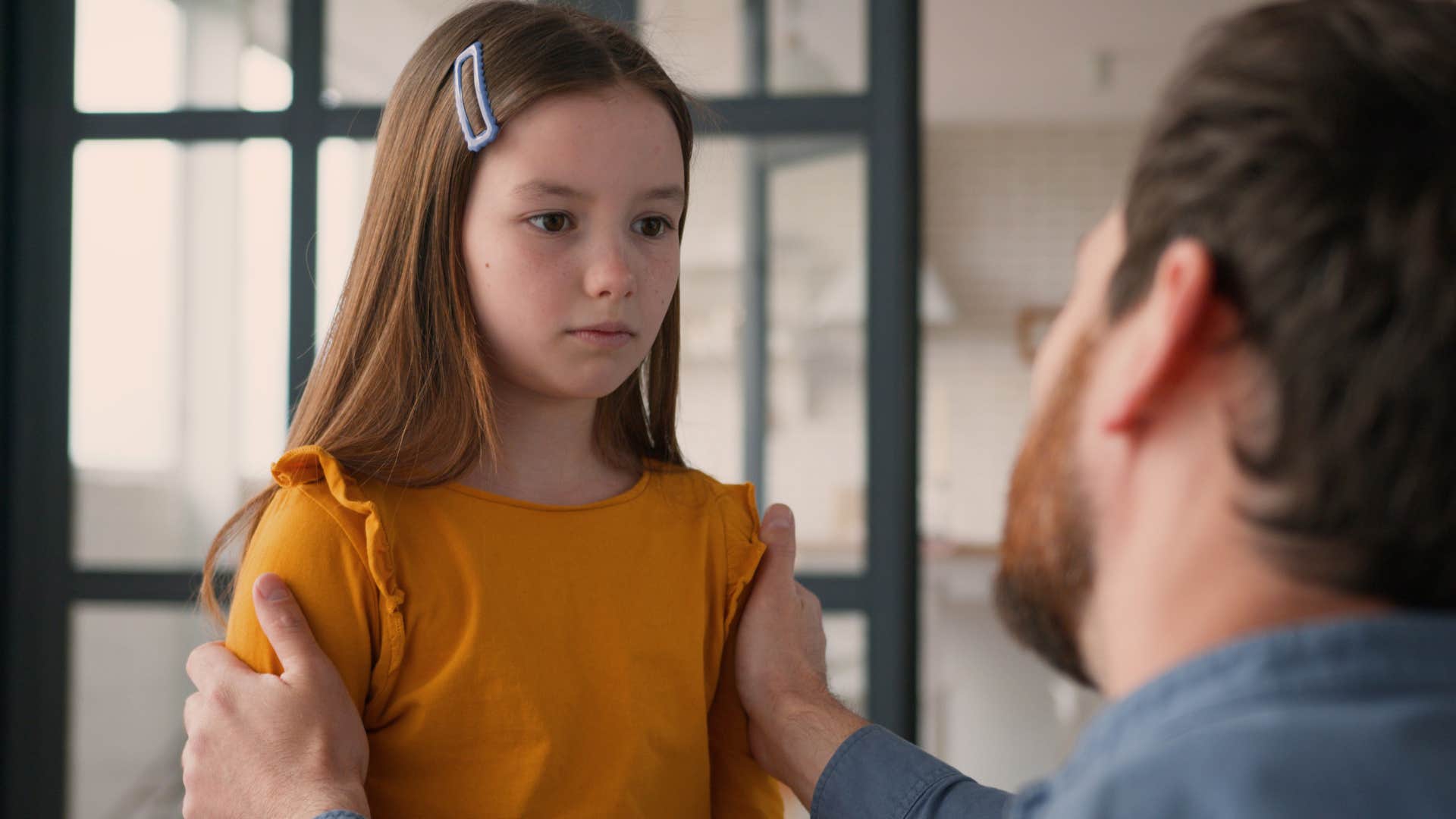
When children make constant excuses, and other people reaffirm and reassure them through acceptance and toleration, they miss out on learning important lessons like taking accountability and self-efficacy. They rely on other people to make them feel comfortable and justify their poor behaviors instead of learning from them.
However, parents in the 60s and 70s disciplined their kids and expected them to practice making good choices, even when they weren’t around. That’s why they know how to be self-reliant and resilient today. They lean into challenges, mistakes, and accountability, even when it’s uncomfortable and difficult.
11. Scheduling every hour
 BongkarnGraphic | Shutterstock
Part of the reason why kids grow dependent and entitled today is that their schedules are entirely crafted by their parents. Whether it’s a million extracurriculars, sports, and after-school activities for a college resume or a daily plan for childcare and babysitters, they’re rarely left alone to craft personal identity, independence, and resilience.
They’re burned out, overscheduled, and completely dysregulated because they’re missing out on unsupervised play and alone time kids need to thrive. However, those are pockets of time that old-school parents constantly offer. They refused to take control of their kids every single minute and instead allowed them to make their own choices and decisions.
Zayda Slabbekoorn is a senior editorial strategist with a bachelor’s degree in social relations & policy and gender studies who focuses on psychology, relationships, self-help, and human interest stories.
