
Today's Parents No Longer Teach Their Kids To Use These 11 Old-Fashioned Manners
 Jacob Lund | Shutterstock
 Sometimes it feels like manners no longer matter. When you go to a restaurant, it's not uncommon to see a child on their iPad, making an unnecessary mess, or disrespecting their parents. As you watch the child wipe their nose with their sleeve as the parents sit by idly, you can't help but wonder if today's parents simply no longer teach their kids to use old-fashioned manners anymore.
Observing so much out-of-touch behavior, one can't help but wonder if this lack of old-fashioned manners spells doom for these kids as adults. As the National Education Association writes, "If we truly want to give all students an opportunity to succeed, we must stress the importance of acceptable, desirable behavior that will help them get and keep jobs, friends, and family." While we probably don't need to teach them the same rules they needed to learn in the 1800s, basic manners are a crucial skill.
Today's parents no longer teach their kids to use These 11 Old-Fashioned Manners
1. Proper table manners
 GaudiLab | Shutterstock
There are unspoken rules when dining out in public. Actions like removing shoes, putting elbows on the table, or constantly checking your phone would've gotten most people scolded back in the day. Unfortunately, times have changed and the younger generations have lost awareness of this kind of etiquette.
This is unfortunate, as table manners are essential to everyday life. From meeting their future partner's parents to going out to a work dinners, proper manners are important if you want to make a good impression. Table manners are also partly there to reduce the spread of germs and to avoid grossing out other diners.
"Using manners at the table is all about taming impulsivity," explains pediatrician Dr. Kerry McGee. "And because willpower and self-restraint are recognized predictors of success in life, they’re worth nurturing. Expecting children to control themselves at the dinner table is the right way to begin teaching these skills."
2. Addressing people properly
 SpeedKingz | Shutterstock
Another lesson on good manners parents don't seem to teach their kids anymore is addressing people properly. Regardless of the culture you come from, there is always a respectful way to address people older than you.
For instance, in the South, it's common to say, "Yes, ma'am" and "No, sir." Though this might seem old-fashioned to some, addressing people by the properly does matter. In that context, a child would be considered highly rude if they didn't begin their sentence by saying this. In some situations, calling someone "Ms." or "Mr." is the most appropriate.
In other cultures, children are expected to call any adult who is even a little bit close to their family and any parent of a friend "Auntie" or "Uncle" rather than "Ma'am" or "Sir". While these terms are different, they all serve the same purpose: they show respect.
These signifiers indicate that the child is aware that the person they are speaking to is knowledgable, experienced, educated, and well-versed in life, as well as showing that they understand the value of these traits. As Kids Help Line, a support service in Australia, explains, "Giving and receiving respect from others is important because it helps us to feel safe and to express ourselves." And this is endlessly valuable.
3. Asking for permission instead of taking things
 Inside Creative House | Shutterstock
When someone takes their kids to the playground, it can be rude and frustrating to watch one child take all of the toys away. While it's normal for very young children to take things they are interested in without asking, and relaxed parents might not see this as a big deal and assume that their child is just having fun, this is a missed opportunity to teach the child the value of kindness.
After all, taking something without asking teaches kids to disrespect other people's boundaries. A lack of proper boundaries like this can quickly into a bad habit of stealing things. If a child was never disciplined for taking things from others without asking, how are they supposed to know it's wrong?
Thankfully, there are a few ways to stop this behavior in its tracks. The American Academy of Child & Adolescent Psychiatry explains that when a parent sees their child taking something that doesn't belong to them, they should, "tell the child that stealing is wrong, help the youngster to pay for or return the stolen object, [and] make sure that the child does not benefit from the theft in any way."
They also advice against lecturing or telling the child this is predictive of future bad behavior. "Make clear that this behavior is totally unacceptable within the family tradition and the community," they advise, but don't say that the child is a thief or a bad person.
4. Being grateful for the little things in life
 Perfect Wave | Shuttetstock
Parents of children who haven't been taught to appreciate what they have might find themselves on the recent end of rolling eyes or dismissive gestures. The expensive presents these parents spend a fortune on begin to lose any meaning as their kids feel entitled instead of grateful, growing accustomed to taking things for granted.
This kind of entitlement isn't only rude, it deprives the children themselves of the many benefits of experiencing gratitude. UCLA Health notes that multiples studies conducted over the past several decades have found that taking time to be consciously grateful reduces depression, lessens anxiety supports heart health, improves sleep, and reduces stress.
Teaching your child to say thank you doesn't only make them a nicer person to be around, it makes them happier and healthier in the long run.
5. Letting people finish sentences instead of interrupting
 Olena Yakobchuk | Shutterstuck
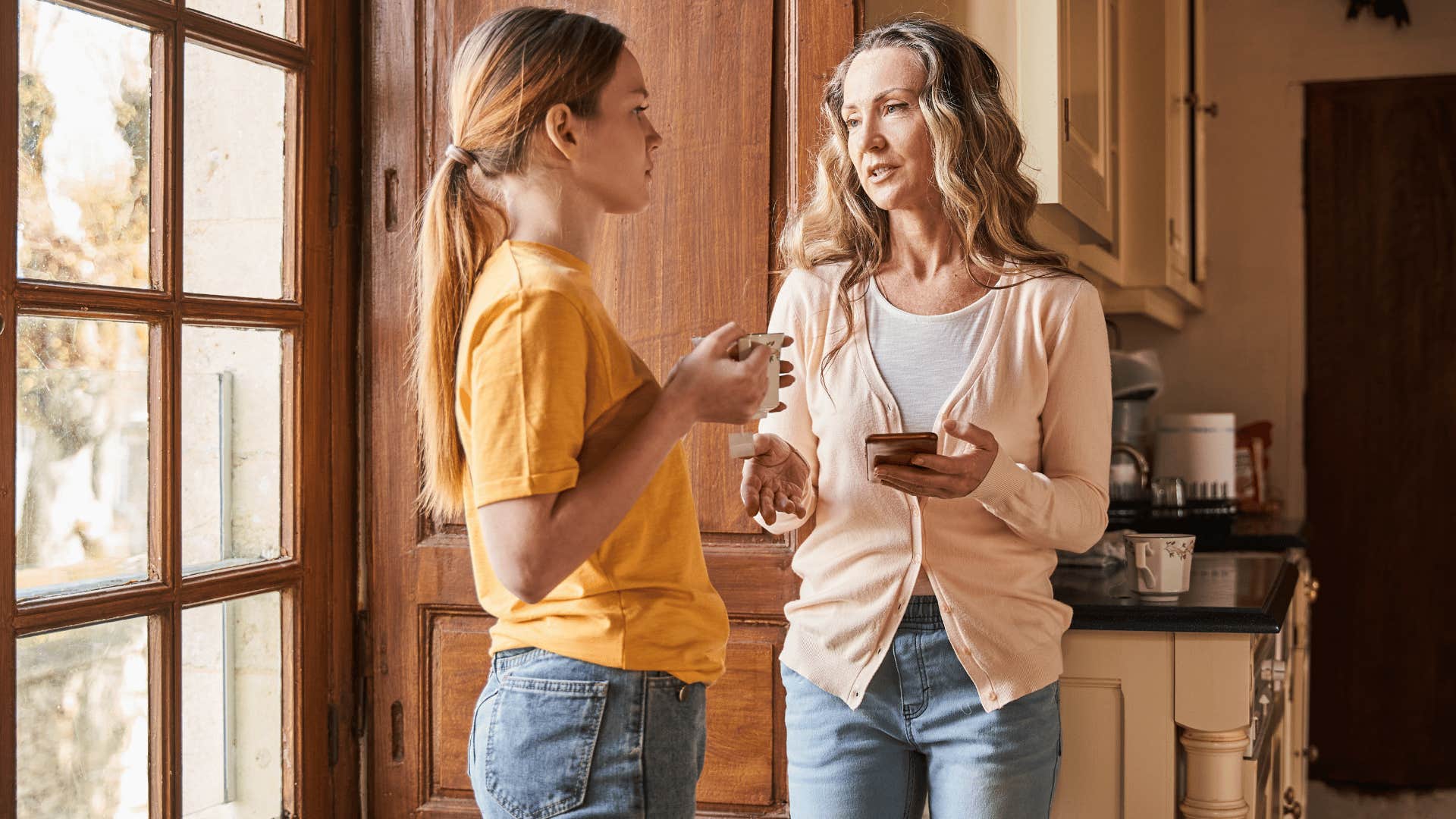
Another lesson on good manners parents don't seem to teach their kids anymore is letting people finish saying what they are saying. This one is key, as being interrupted is a major frustration for many of us. It's considered rude and even unkind if it happens too often.
Understandably, truly little kids don't know any better. It can be difficult for them to contain their excitement, so they will ramble on about their interests, often unintentionally cutting others off. However, even with small kids, it is appropriate to frame waiting until someone finishes talking as simply taking turns like they do with friends on the playground.
This skill will not only help parents, as some speculate that the average mother of young children is interrupted every three minutes, it will also help the child make friends and be seen as polite and kind by teachers and other adults. This benefits kids throughout their lives.
6. Making direct eye contact during conversations
 Pressmaster | Shutterstock
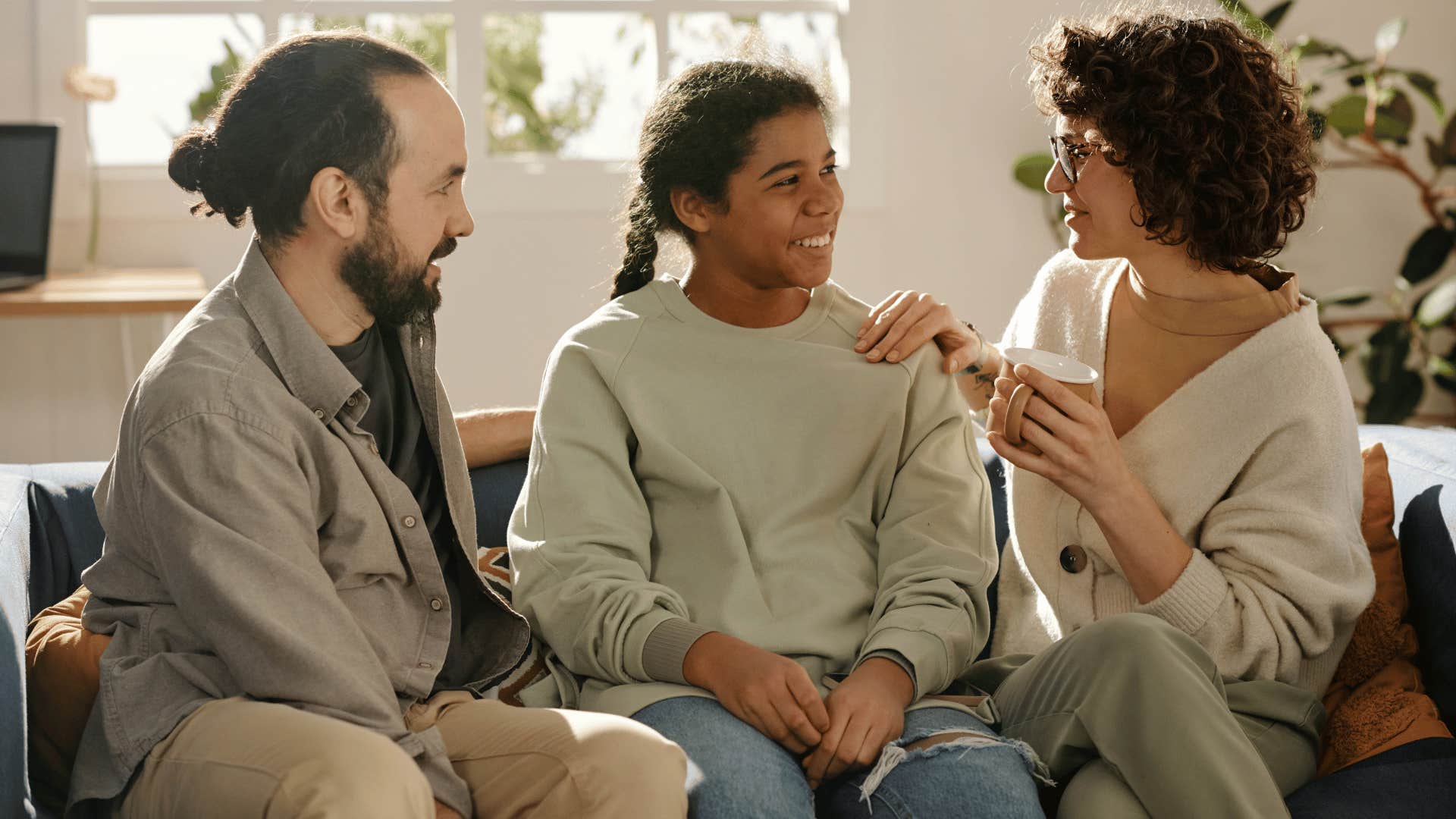
One lesson on good manners parents don't seem to teach their kids anymore is making direct eye contact. This is something many children struggle with, especially with adults in authority. This is an important skill, not just for showing respect but also for showing confidence.
A study published in Frontiers in Psychology found that eye contact is great for encouraging pro-social behavior, meaning that it can encourage children to do kind things in social situations. The research found that eye contact also helps improve memory and gets the appraisal of others.
It might be intimidating for them at first, but as they grow into adults this type of confident behavior will benefit them greatly. From employers to professors people will be impressed by their ability to look confident in all circumstances as they go through life.
7. Holding open the door
 Katerina Dalemans | Shutterstock
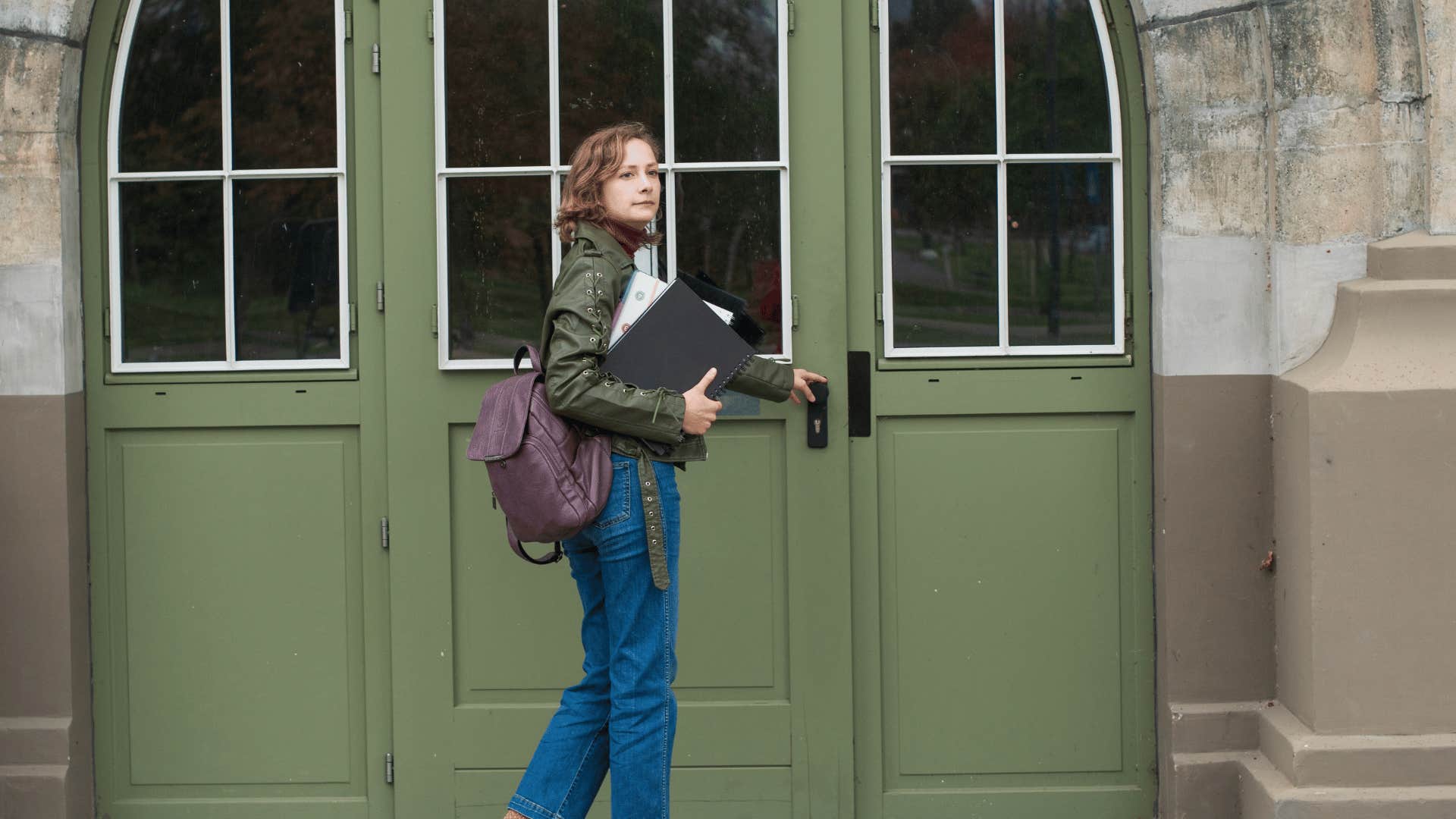
Among the manners today's parents seem to no longer teach is the simple act of holding open the door for others. When someone is struggling and behind them, it's inconsiderate to let the door slam in their face as you go about your day.
Children should know better than that. Unfortunately, parents don't seem to be doing a great job of teaching their kids this skill.
As Rylee Fouts, herself a young person when she wrote this article, explains, "If you hold the door for person behind you, they don’t have to take the effort to open the door. If everyone held the door for the person behind them, then over time you would have the door held open for you about as often as you held the door for others, and overall everyone would spend less effort opening doors."
This is a sweet perspective from a child who shared that her parents always taught her good manners. With practice and reminders, most children will begin to understand the importance of this kind behavior and do it daily.
8. Not swearing in public
 Prostock-studio | Shutterstock
In the past, it was inappropriate for anyone, let alone children, to swear in public. Parents insisted their children use polite words and rarely allowed cursing even in private. However, this old-fashioned rule isn't as common these days.
This isn't shocking news for many who've seen videos on social media of kids cussing. Their parents stay in the background, laughing and not reprimanding their kids for using that kind of language. This can be funny when they are tiny little kids, but as they get older, one cannot help but worry that the kids won't know when it's appropriate to say those words and when it is not.
Unfortunately, this kind of behavior isn't as innocent as people would like to make it seem. Researchers from Southern Connecticut State University found that people who use profanity are viewed by others as less intelligent, less trustworthy, less sociable, and more offensive. As a parent, it seems unfair to allow your children to go out into this world with this mark against them.
9. Cleaning up after themselves and not littering
 Inside Creative House | Shutterstock
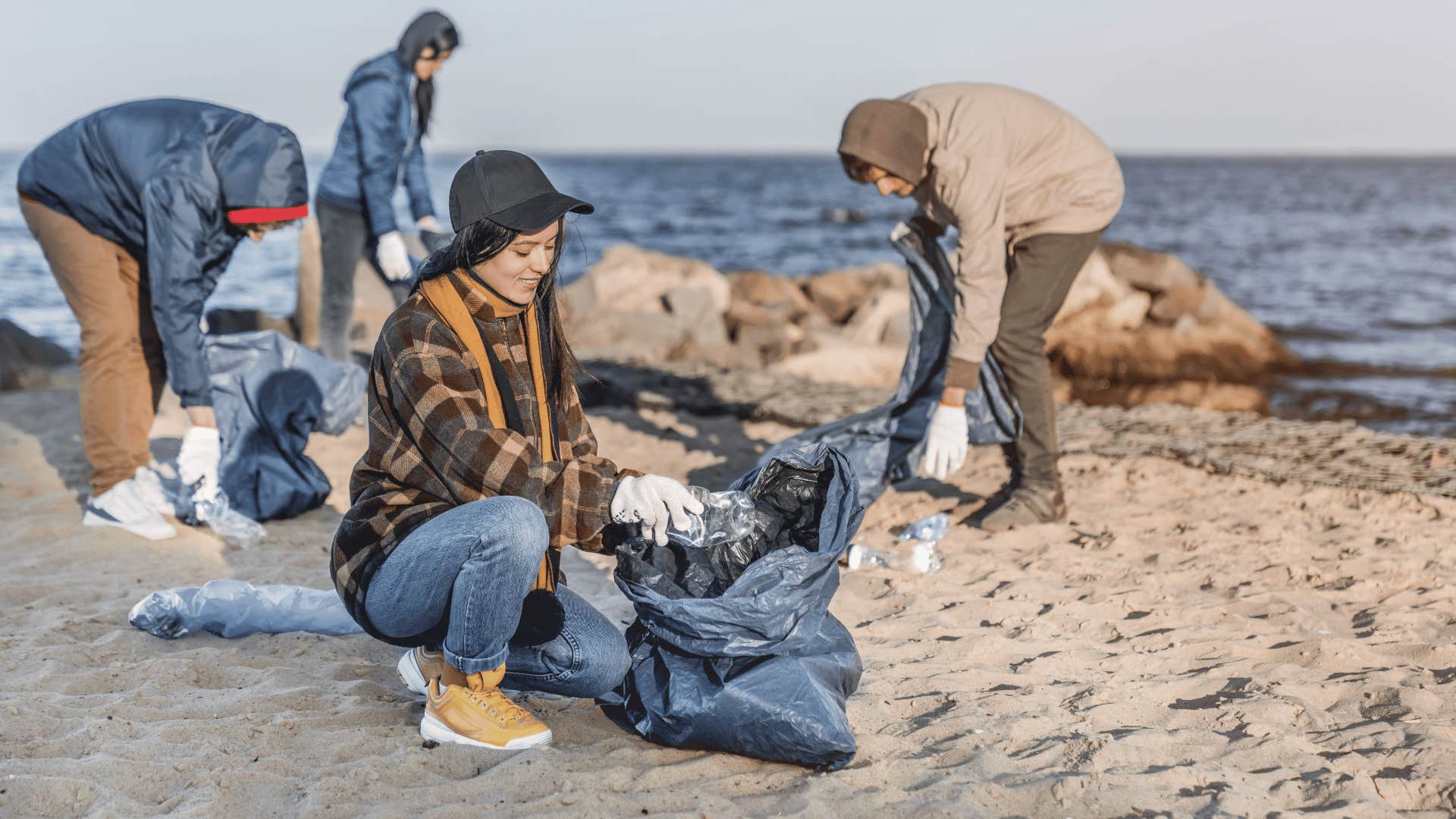
Most people have seen kids litter on the beach or park without a care in the world. While ti may be normal for kids to forget their trash or even drop it on the ground, it is shocking and honestly sad when their parents just ignore the behavior rather than explain to their kids why they need to clean up after themselves.
Often, parents get in the habit of picking up after their children long after they become old enough to take responsibility for their trash. Unfortunately, this doesn't fix the problem, as parents never directly address the issue with the kid.
According to the Environmental Protection Agency, pollution harms habitats and can transport chemical pollutants to marine and coastal environments. But this habit isn't just bad for the earth, it's also a missed opportunity for kids to learn empathy and to practice "big picture thinking," where they imagine the wider effects of any choice.
For example, the parent can say, "Let's imagine what happens when this trash blows into the ocean, what might happen?" and discuss how marine life can get trash caught around their necks or in their stomachs. You can discuss how they would feel if they walked up to the park and saw trash all over the playground because people didn't clean up after themselves.
This doesn't need to be a guilt trip. These conversations can be quick and light-hearted enough to keep them engaged and avoid shame. This is an empathy practice, above all.
10. Being a good sport
 fizkes | Shutterstock
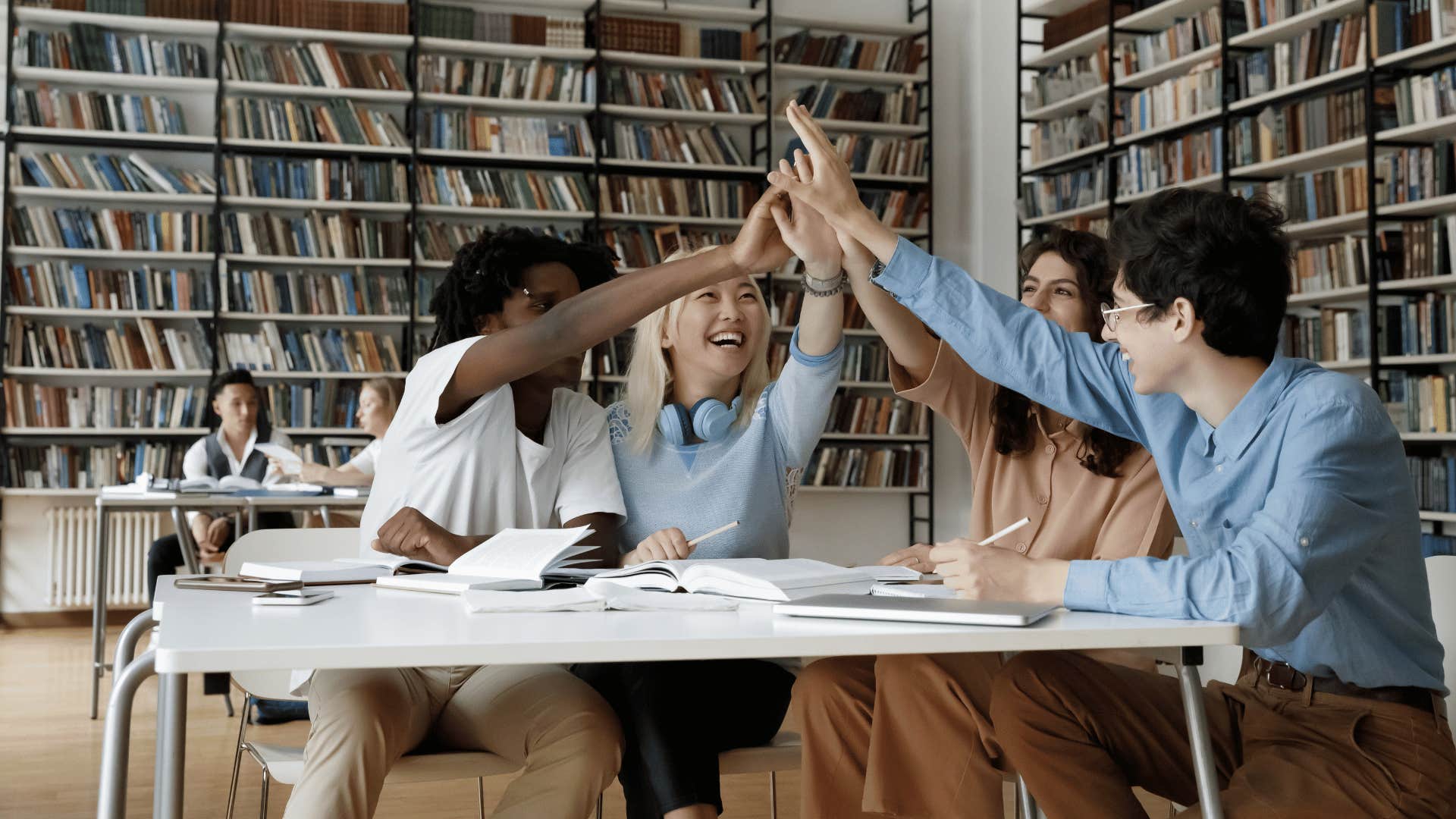
Nobody likes a sore loser. Unfortunately, another good manner parents don't seem to teach their kids anymore is being a good sport.
Far too many kids can't stand the idea of not coming out on top. Sometimes, parents emphasize winning so much that they forget to remind their children to have fun. Due to this, kids might have a hard time being a good sport when they lose a soccer game or spelling bee competition.
If parents remind their kids of the importance of having fun and make sure they know losing isn't always bad, it can teach kids not to take things so seriously. On top of that, it teaches their kids to be graceful in the face of defeat.
Shauna Tominey, a professor of health at Oregon State, insists that "teaching children to lose gracefully helps them lose with dignity as adults," which is a profoundly important skill for future athletics, education, career and even relationships.
Furthermore, children will have a better time handling difficult situations as they sort through and find the positives in life. This will come in handy as they get older and encounter more difficult situations.
11. Walking a friend out to their car
 Inside Creative House | Shutterstock
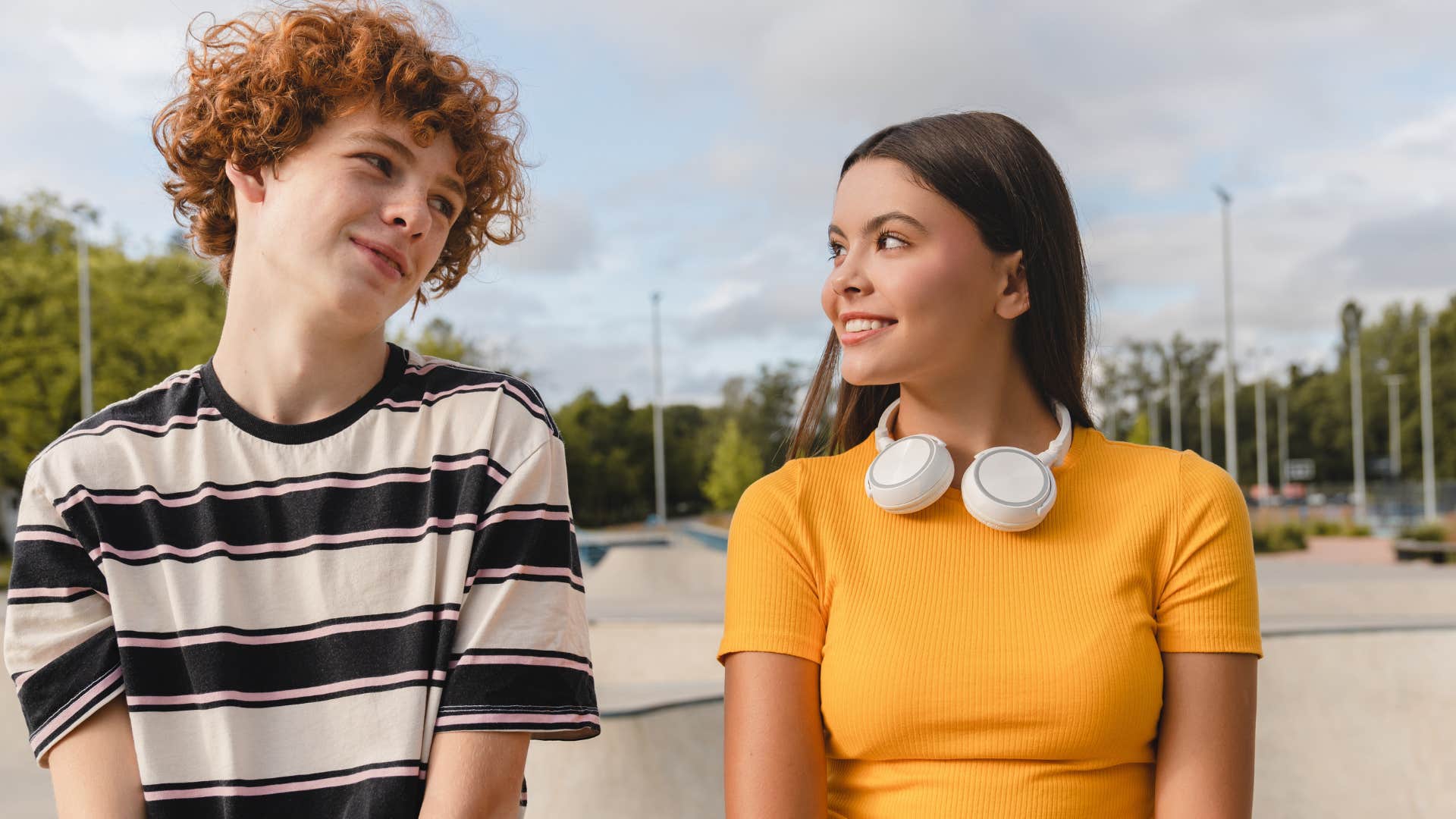
Walking someone to their car after leaving your home is one of the old-fashioned manners that has fallen by the wayside. Parents no longer teach their kids this courtesy, thinking it's unnecessary in the age of cell phones, but it's a kindness that still has value.
Instead of sitting on the couch and waving, you are crossing the threshold and starting their journey home together. For children, it sets a precedent of kindness and companionship.
For adults, walking someone to their car can also be a safety issue. As kids become teenagers, especially when they start driving, this old-fashioned display of manners is valuable in teaching prosocial responsibility.
If you're raising a son, teaching him to walk dates and female friends to the car or subway station helps them learn to be gentlemen. Being a young man who displays the old-fashioned tradition shows his kindness, consideration, and also his interest in possibly getting to know her better, and that is valuable, indeed.
Marielisa Reyes is a writer with a bachelor's degree in psychology who covers self-help, relationships, career, family, and astrology topics.
