
11 Childhood Experiences People From The 70s And 80s Had That Shaped How They Handle Life Today
 Mailai from pixabay via Canva
 In the 1970s and 1980s, childhood looked very different from what many kids experience today. Life moved at a slower pace, technology played a much smaller role, and independence was often expected earlier. Many kids spent long hours outside, solved their own small problems, and navigated social situations without constant adult involvement.
Looking back, many of the ordinary childhood experiences people from the 70s and 80s had helped shape how they handle life today. While those experiences weren’t always easy, early independence and unstructured environments can shape important life skills. People who grew up during that era therefore frequently developed resilience, adaptability, and practical problem-solving abilities simply because everyday life required them.
These are 11 childhood experiences people from the 70s and 80s had that shaped how they handle life today
1. Spending long hours outside without supervision
 FatCamera via Canva
For many kids in the ’70s and ’80s, afternoons were spent riding bikes, exploring neighborhoods, or playing pickup games with friends until dinner. Parents usually knew the general area where their children were, but constant supervision wasn’t common.
These experiences often help children develop independence and confidence. Kids learned how to navigate disagreements, invent games, and manage small risks on their own. These early experiences built decision-making skills that carried into adulthood. Many people from that era still feel comfortable handling unexpected situations because they practiced solving problems independently from a young age.
2. Learning to entertain themselves when bored
Without constant digital entertainment, boredom was a regular part of childhood. Kids often had to invent their own activities, whether that meant building forts, drawing, exploring outdoors, or creating imaginative games with friends.
Psychologists studying creativity have found that unstructured time can encourage problem-solving and imaginative thinking. Instead of immediately reaching for a screen, children learned to create entertainment using whatever resources were available.
This habit of self-directed activity helped many develop resourcefulness. As adults, they often approach downtime with creativity rather than restlessness.
3. Navigating friendships without constant communication
Before texting and social media, maintaining friendships required more patience. Plans were often made in advance, and communication between friends could involve waiting until the next day at school or making a phone call to a family landline.
This slower pace sometimes encouraged stronger face-to-face communication skills. Kids learned to read body language, tone, and social cues during in-person interactions. Because misunderstandings couldn’t be resolved instantly through messages, they also developed more patience in relationships. These experiences often shaped how they approach friendships today.
4. Being expected to handle small responsibilities early
 middleveld from Getty Images Signature via Canva
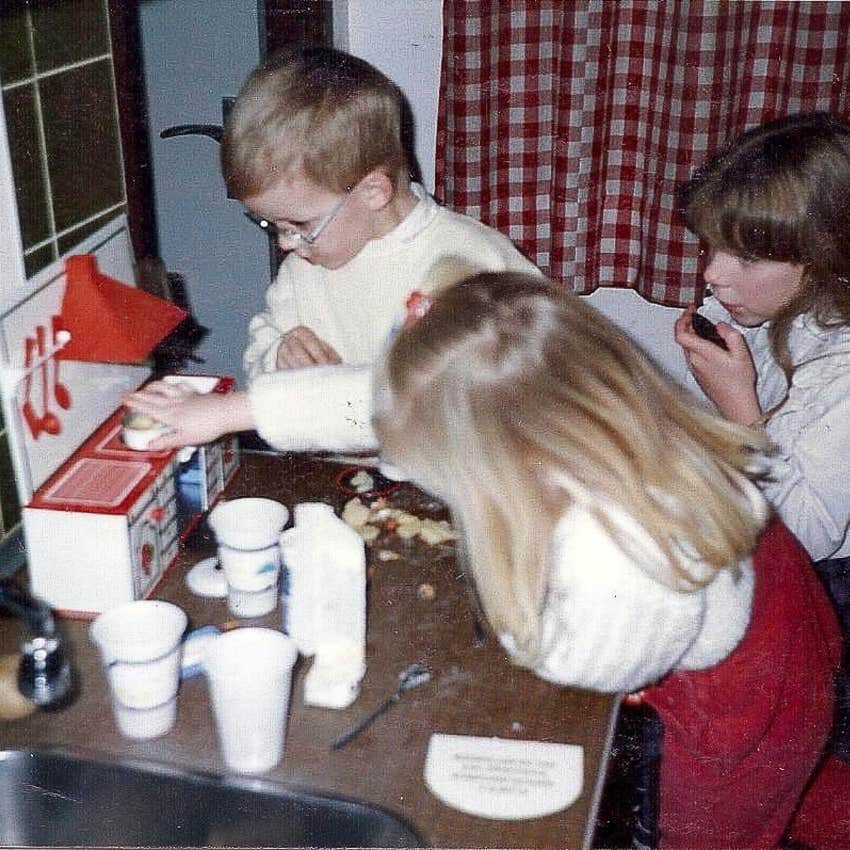
Many children in that era were given real responsibilities at a young age. They might watch younger siblings, run errands for parents, cook simple meals, or complete regular household chores.
Meaningful responsibilities can strengthen a child’s sense of competence and independence. When kids see that their actions contribute to their household's functioning, they begin to feel capable and trusted. Those early experiences often translate into strong work habits later in life. Many adults who grew up in that environment feel comfortable taking initiative.
5. Solving problems without immediate adult intervention
If a toy broke, a bike chain came off, or an argument started with a friend, children were often expected to figure it out themselves. Parents might step in if things became serious, but minor challenges were usually handled independently.
Studies on resilience show that small, manageable challenges help children develop coping strategies. When kids learn that they can solve problems on their own, they build confidence in their abilities. These experiences often lead to greater persistence later in life. Adults who had these experiences frequently approach obstacles with a problem-solving mindset.
6. Growing up with fewer safety nets
Modern parenting often includes extensive safety planning and supervision. In earlier decades, children were more frequently allowed to take manageable risks, such as climbing trees, exploring nearby areas, or navigating public spaces independently.
Research on risk-taking in childhood suggests that moderate risk exposure can improve decision-making and situational awareness. Kids learned to evaluate situations and manage potential dangers. While not every risk was safe, many of these experiences helped children develop practical judgment. As adults, they often feel more comfortable making independent decisions.
7. Learning patience in everyday situations
Many aspects of life required waiting in earlier decades. Whether it was waiting for a favorite song on the radio, a television show to air, or photos to be developed, patience was part of daily routines.
Learning to wait can strengthen self-control and long-term thinking. These small experiences helped children understand that not everything happens immediately. As adults, many people from this generation still approach goals with patience and persistence. They are accustomed to working toward outcomes over time.
8. Communicating directly with adults
 Valeri Honcharuk via Canva
Kids in the ’70s and ’80s often interacted directly with adults in everyday situations. They answered the phone at home, spoke with teachers or neighbors independently, and sometimes handled simple errands on their own.
Children learned how to introduce themselves, ask questions politely, and navigate unfamiliar situations. These experiences often helped them develop strong interpersonal communication skills. Many adults from that generation feel comfortable speaking with people from different age groups.
9. Developing strong neighborhood connections
Neighborhood life played a significant role in many childhoods during that era. Kids often knew neighbors, played with children from nearby houses, and formed friendships based on proximity rather than organized activities.
These local networks helped children build community awareness and cooperation skills. They learned to interact with people from different backgrounds and age groups. These early community connections often shaped how they view relationships later in life. Many adults from that generation still value strong local ties.
10. Experiencing life without constant comparison
Before social media, people had fewer opportunities to constantly compare their lives with those of others. Social comparison was mostly limited to immediate social circles rather than global networks.
Constant comparison can increase feelings of pressure and inadequacy. Growing up without that environment allowed many children to focus more on their own experiences. They developed identities without the same level of outside scrutiny. This often contributed to a stronger sense of personal independence.
11. Learning resilience through everyday challenges
Perhaps the most lasting influence of growing up during the ’70s and ’80s was the accumulation of small challenges handled independently. From resolving playground disagreements to navigating unfamiliar situations, kids regularly practiced adapting to change.
Instead of avoiding difficulty, children learned that they could handle it. These experiences shaped how many people from that generation approach life today. Challenges often feel like problems to solve rather than obstacles to fear.
Sloane Bradshaw is a writer and essayist who frequently contributes to YourTango.
