
Kids Raised In The 60s & 70s Had 9 Common Sense Traits That Are Almost Impossible To Find Nowadays
 Brett Jordan | Unsplash
 While there are plenty of parenting styles and childhood memories from the 60s and 70s that are largely controversial today, compared to the screens and "gentle" parents today, it's a nuanced conversation.
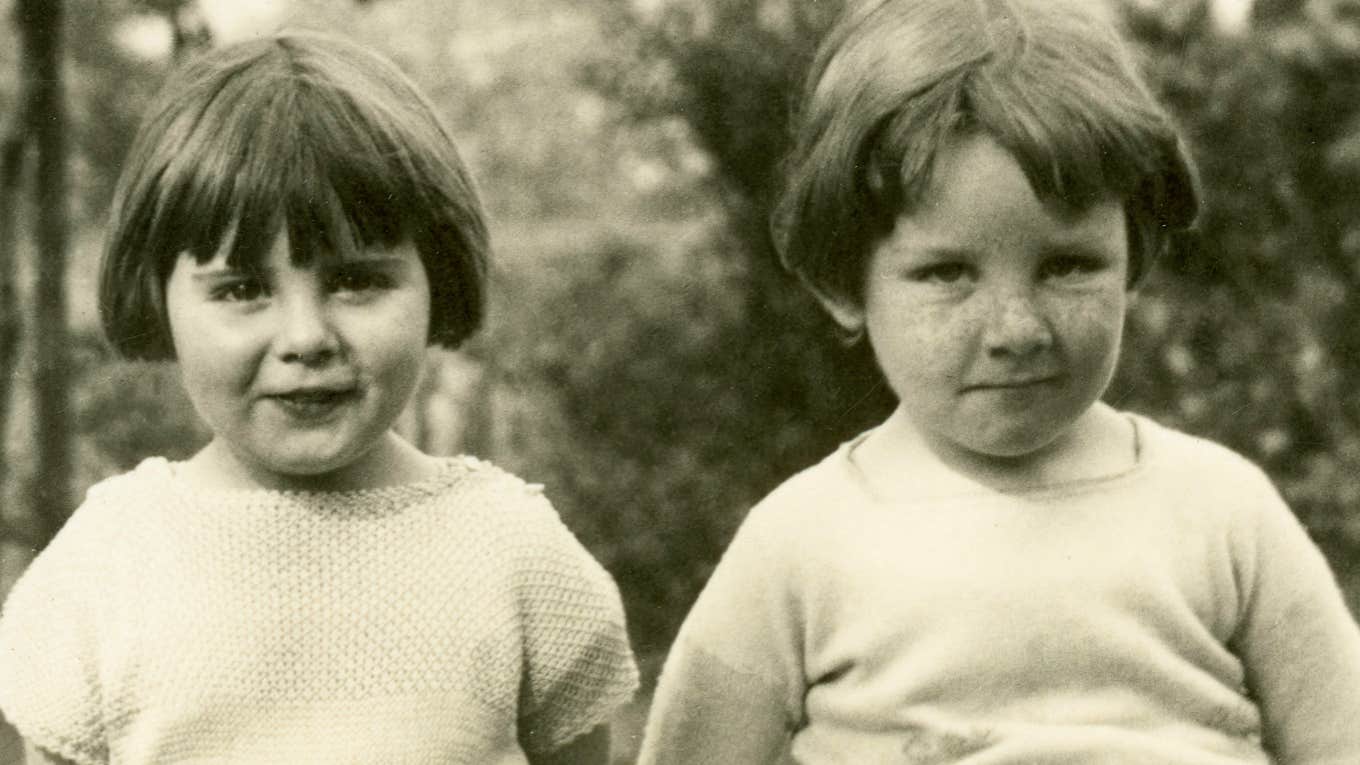
From learning independence to experiencing true unsupervised play, kids raised in the 60s and 70s had many common sense traits that are almost impossible to find nowadays. As adults, they still boast the kind of social awareness and resilience many parents dream their kids will grow into, but as kids, they matured early. Navigating the world without overbearing parents around and managing obligations without a watchful eye to "check" their work, this generation of kids was set up for success in many ways.
Kids raised in the 1960s and 1970s had nine common sense traits that are very hard to find nowadays:
1. Resourcefulness
 PeopleImages | Shutterstock
Kids from these generations had to make do with what they had. Whether it was playing outside in the middle of nowhere and entertaining themselves, or solving problems without a phone or a parent around to assist them, their resourcefulness came naturally over time.
As adults, this ability to figure things out is more essential than it seems. From managing financial struggles to solving problems without other people to support them, adult kids from these generations thrive on their own.
2. Solving problems without screens
According to a Cureus study, screens and cell phones generally harm childhood development, sabotaging critical thinking skills and boosting social anxiety that keeps them stuck in their own stagnant circles over time. However, kids raised in the 60s and 70s had the chance to build common sense traits like solving problems on their own because they didn't have devices to lean on.
Many didn't even have parents to lean on during unstructured play and while staying at home alone, so if they didn't lean into practicing critical thinking and figuring things out for themselves, they'd be stuck.
3. Social awareness
From assessing risk on their own in public to talking to strangers while running errands without a parent around, social awareness was an obligation kids from these generations had no choice but to learn. If they weren't looking out for themselves and learning to read social cues, nobody was stepping in to do it for them or manage their discomfort.
Reading the room is just one of the many things that stem from their social awareness skills, but the opportunity to learn and practice is something that feels impossible for most kids today, stuck in their homes or on their phones.
4. Managing boredom alone
According to a study from the University of Virginia, boredom is essential for young kids, especially in the impressionable stages of their lives. Not only does it build resilience, but it also improves confidence, creativity, critical thinking skills, and emotional regulation skills.
From unstructured play to watching siblings alone at home, kids raised in the 60s and 70s had the chance to learn these common sense traits on their own time, without screens and technology to constantly distracting, entertaining, and stimulating them.
5. Navigation without GPS
 Standret | Shutterstock
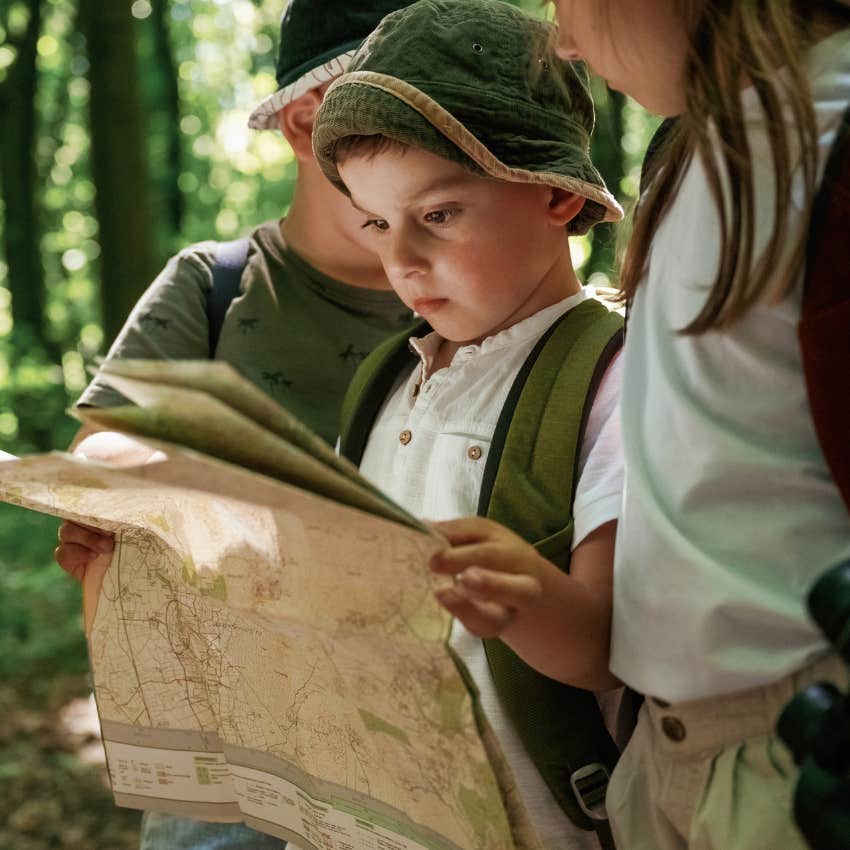
While most kids today are sheltered by their phones and technology, kids in the generation of unsupervised play and grit learned practical skills. From navigating around town without GPS, learning to fix things, reading paper maps, and managing money, these kids were obligated to lean into "not knowing" without being able to Google something immediately.
Even in the classrooms, teachers argue that these practical skills are missing from younger generations. They're glued to their phones, not only for entertainment, but also to navigate daily struggles and to answer basic questions others would think through on their own.
6. Handling discomfort and discipline
Discomfort and challenge are inevitable parts of life, so while modern parents may believe they're helping their kids by acting as "shields" when they arise, they're actually sabotaging core learning opportunities. Kids need to learn to manage complex emotions and lean into discomfort if they're ever going to cultivate a strong sense of resilience, follow through on their goals, and embrace challenges.
Kids need to make mistakes and not have their hands held, and that's exactly why handling discomfort is a common sense trait kids raised in the 60s and 70s boast, compared to modern kids.
7. Patience
Compared to kids today who seek constant convenience and instant gratification, typically because of the accessibility of the internet and their phones, kids raised in the 60s and 70s had to learn the art of waiting early. Their patience grew through boredom at home and an expectation to entertain themselves when their parents weren't around, which, for a lot of these kids, was often.
Patience isn't easy for kids to learn in any generation, as a study from the University of Michigan suggests, and it's especially difficult for modern kids with the world at their fingertips. But teaching it all starts with independence and emotional regulation.
8. Offering respect
While "respecting elders" was still a strong part of the moral code, children in these generations were religiously taught by parents and teachers, and they also learned to respect shared, public spaces. In an era where "third spaces" were still alive and well, they had to learn to clean up after themselves and lean into integrity without parents around to guide their behaviors.
Compared to selfish, dependent kids today guided by anxious, overprotective parents, these generations of kids were taught to fend for themselves and respect others openly and often.
9. Taking accountability
 PeopleImages | Shutterstock
With an obligation to mature and grow self-reliant from a young age, kids raised in the 60s and 70s learned to own up to their mistakes and take accountability early. While discipline was frequent, the truth is that making mistakes was far more acceptable for these kids. Compared to kids today who are sheltered from the necessary discomfort of growth and learning opportunities, these generations of children were constantly managing it.
This lack of experience in modern generations is partially responsible for kids and young adults not being prepared for the struggles of adulthood. They've spent their lives with parents who swooped in to solve their problems and manage their discomfort, compared to their 60s and 70s counterparts expected to fend for themselves.
Zayda Slabbekoorn is a senior editorial strategist with a bachelor's degree in social relations & policy and gender studies who focuses on psychology, relationships, self-help, and human interest stories.
