
11 Things Adults Trusted Kids To Do In The 1980s That Feel Wild Today
 Lyudmila2509 / Shutterstock
 Gen Xers, the kids who grew up mostly in the 1980s, are coined the “latchkey generation” for a reason. They were not only often expected to let themselves into their homes after school, but many of them lived the majority of their formative years without much parental guidance or support. From staying home alone to babysitting their siblings at an age most kids today would still be expected to be babysat by an adult, there are many things adults trusted kids to do in the 1980s that feel wild to most people today.
Of course, there's a fine line between teaching kids independence and solving their every problem, and future parents will likely balance the styles of 80s parents with modern ones to strike a balance. Of course, as the world shifts, so do our parenting styles and needs, so it’s no surprise that some of these behaviors are so controversial now.
Here are 11 things adults trusted kids to do in the 1980s that feel wild today
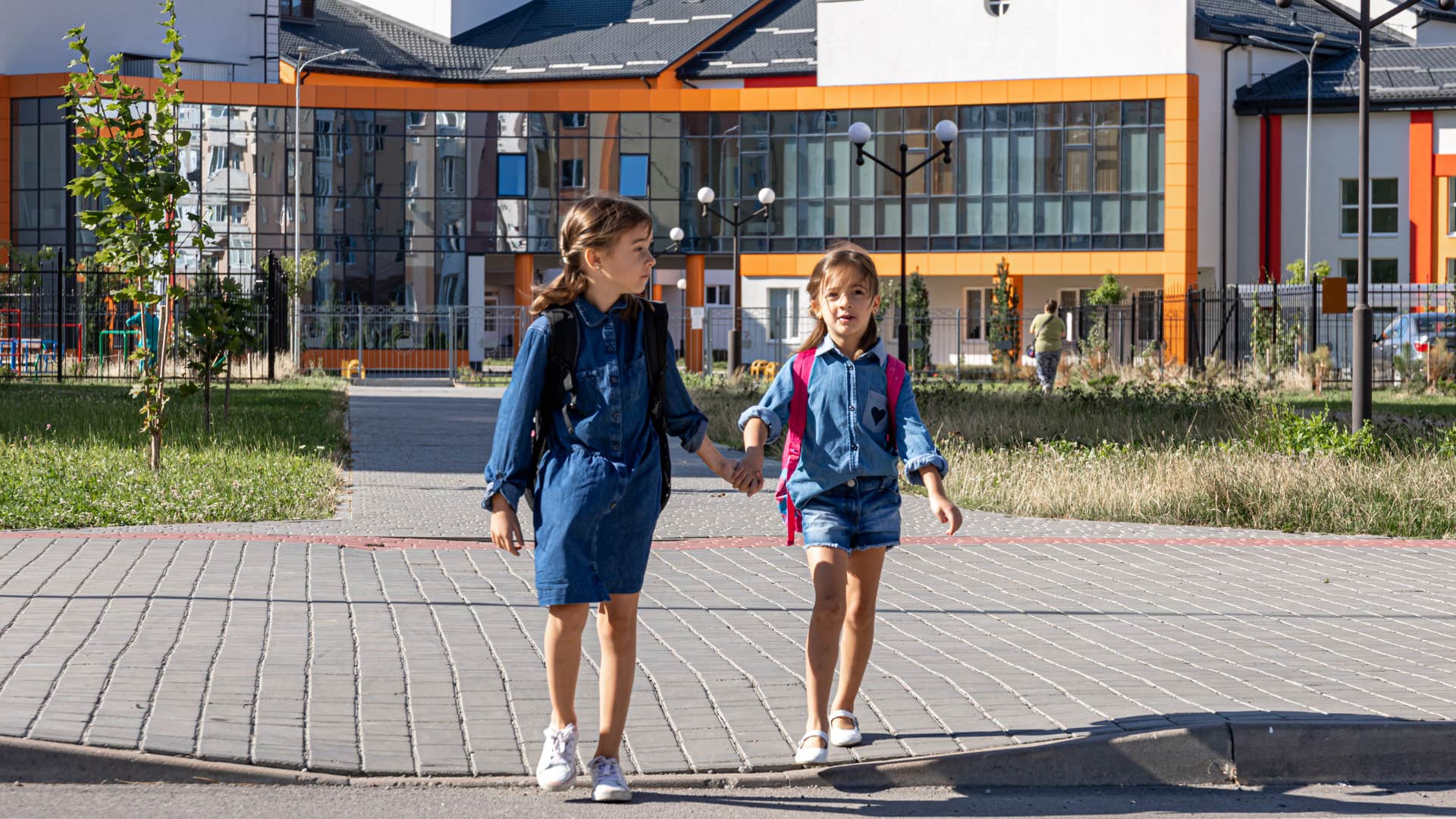
1. Walk themselves home alone from school
 Edward Smith via Canva
Fewer kids than ever are walking to school on their own, but experts like psychology professor Mariah G. Schug argue that it’s an essential practice for child development. Not only does it teach kids to develop their own independence and problem-solving skills, but it also reduces the strain of overprotection that can often sabotage a child’s development.
Despite this, walking home alone from school is one of the things adults trusted kids to do in the 1980s that feels wild today. Even if it’s scary to give up a sense of control as a parent, with the right lessons and protections, they can enjoy these developmental habits without pressure or fear.
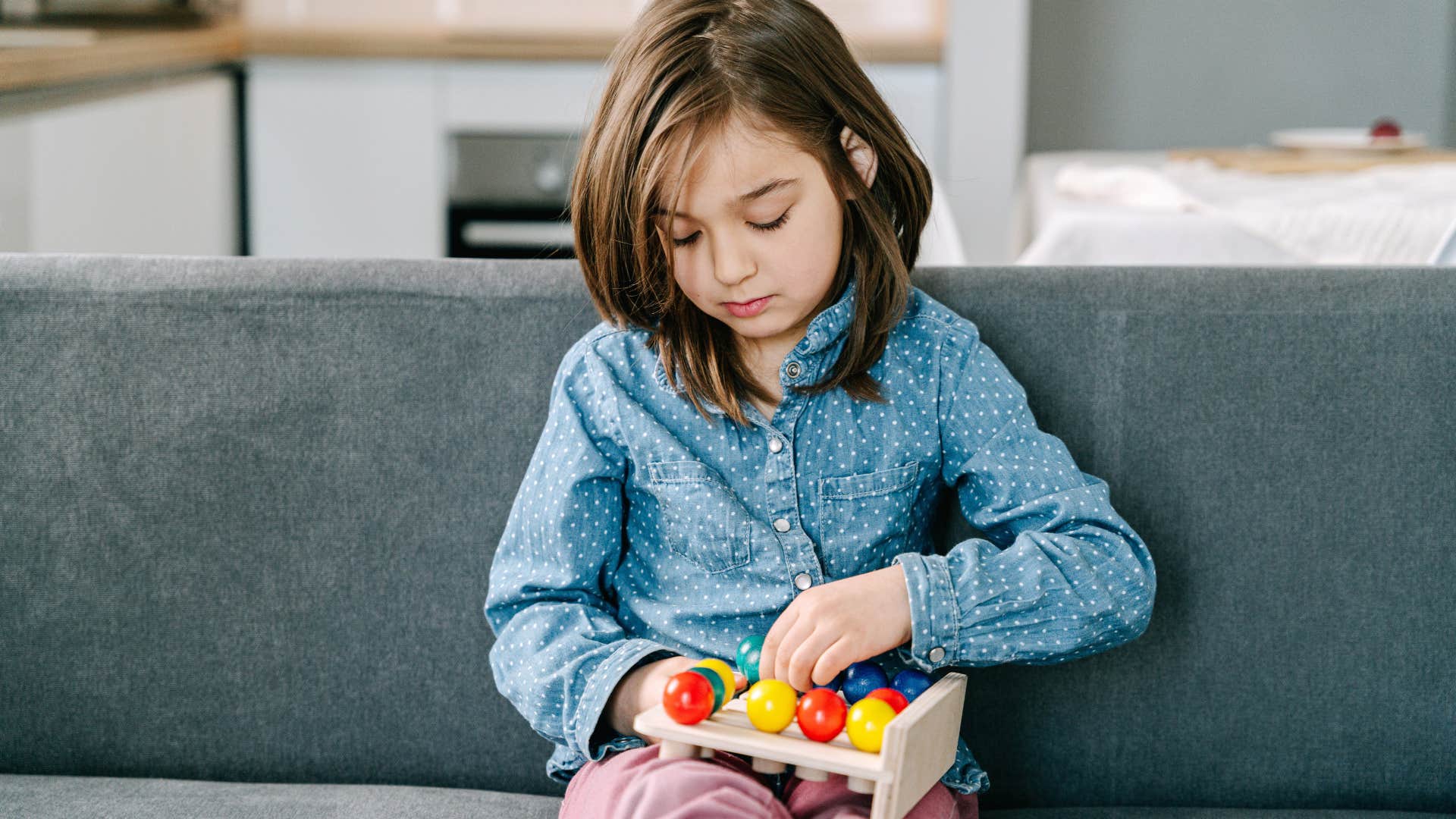
2. Stay home alone
 Ivan S from Pexels via Canva
Staying home alone and being expected to fill their own time, handle chores, and watch siblings without parents around is one of the things adults trusted kids to do in the 1980s that feels wild today. Not only are parents more overbearing with managing their kids’ time, but they’re also pressured to be home.
A lack of autonomy and unsupervised time often encourages a lack of independence and a higher risk of mental health struggles later in a child’s life. So, even if it feels controversial to leave kids home alone, sometimes, it’s exactly these moments that they need to learn and practice certain skills.
3. Babysit their siblings
 Karola G from Pexels via Canva
While many parents today are uncomfortable leaving their kids alone for more than an hour, parents in the 1980s often expected their older kids to watch their siblings for hours at a time. Especially considering more families had dual-income households with two working parents, older siblings needed ot provide childcare to make up for not having a parent at home all the time.
It’s part of the independence this generation of kids carried into their adult lives. They had to learn to regulate their emotions, solve problems in the moment, and manage arguments between siblings, because they had no other choice.
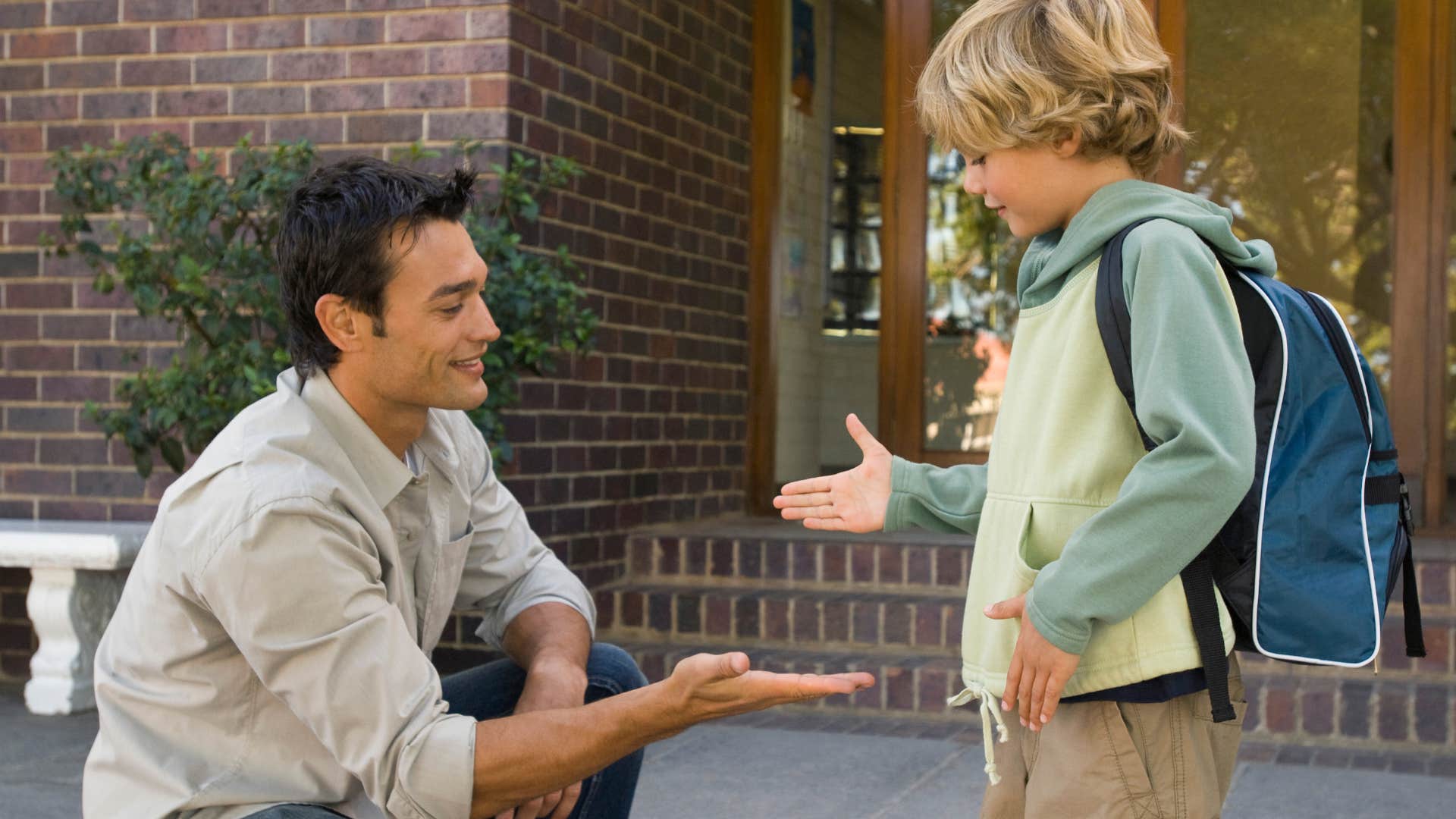
4. Talk to strangers
 Jupiter Images via Canva
Talking to strangers, usually during unsupervised play and while running errands, is one of the things adults trusted kids to do in the 1980s that feels wild today. However, it could also be true that for many Gen Zers and younger generations today, their poor social skills and social anxiety are rooted in parental protection in these situations.
While “stranger danger” and protections of kids in public are important modern ideas, there’s no denying that teaching kids to talk to strangers and have healthy social interactions is a key part of their well-being. According to a study from the University of Chicago, talking to strangers can truly boost our happiness if we know how to do it well.
5. Get a job
 Vecteezy Images via Canva
Gen Xers are often referred to as the “latchkey” generation because so much of their identity was formed as a result of returning after a day in school to a home with no parents. They were expected to pay their way, contribute to household chores, and entertain themselves without much supervision from a young age. While there are certainly pros and cons to their early autonomy in the family, certain things would feel “insane” to a modern parent today.
For example, kids were trusted to get a random job or make their own money to buy things they wanted. Even if it meant giving up free time and a bit of their childhood innocence, it’s something their parents trusted them to handle.
6. Play outside unsupervised
 FatCamera via Canva
Many kids today spend the majority of their time indoors, often at the expense of their social skills, emotional regulation, and happiness. They’re not only not going outside, but they’re also missing out on the chance to play without a parent hovering over their shoulder and directing their every move.
However, letting kids play outside unsupervised and “fend for themselves” are things adults trusted kids to do in the 1980s that feel wild today. It’s a cultural shift in many ways, but it’s also a personal shift in parental expectations and pressures to be the “perfect” guardian.
7. Cook on the stove
 Zac Bargman's Images via Canva
The experiences of Gen Xers in the 1980s are largely considered a far cry from those of modern kids today. The kinds of safety precautions and overprotective habits parents today often use in their lives were unheard of a few decades ago.
For example, many kids in the 1980s weren’t learning to cook by watching their parents, but instead making meals for themselves and their siblings. Considering many spent most of their childhood years alone at home, they had to be able to make food, even if it was a challenge.
8. Run errands alone
 nomadsoulphotos via Canva
Many people consider Gen Xers, the kids who grew up in the 1980s, to be one of the least parented generations of all time. Not only were they running around in their neighborhoods unsupervised and getting home from school alone, but they were also running errands and helping their parents around at home regularly.
Whether it was walking to the store or getting dinner, kids were expected to help and contribute ot the household at a much different level than kids today.
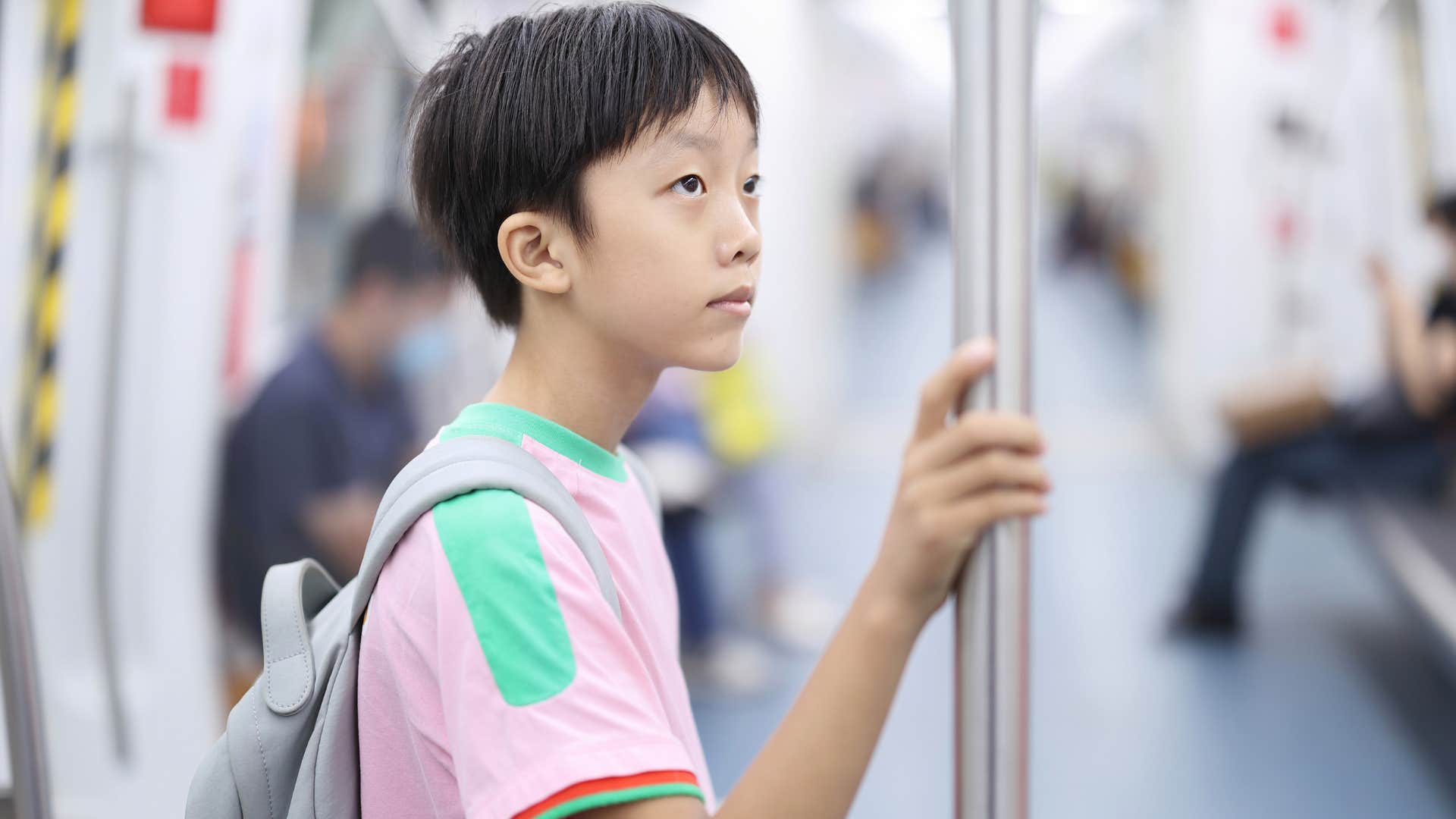
9. Take public transportation alone
 real444 from Getty Images Signature via Canva
Especially in big cities, where the majority of people take public transportation to work or run errands every single day, it’s not surprising that letting kids manage it on their own is something adults trusted their kids to do in the 1980s that feels wild today.
Whether it was to get to school in the morning, there were far fewer expectations and regulations around kids using these buses, trains, and transport options on their own. Of course, there are many nuances to changes in safety on these transportation options today, which partially explains the lack of unsupervised kids, but for the most part, it’s changes in parental attitudes.
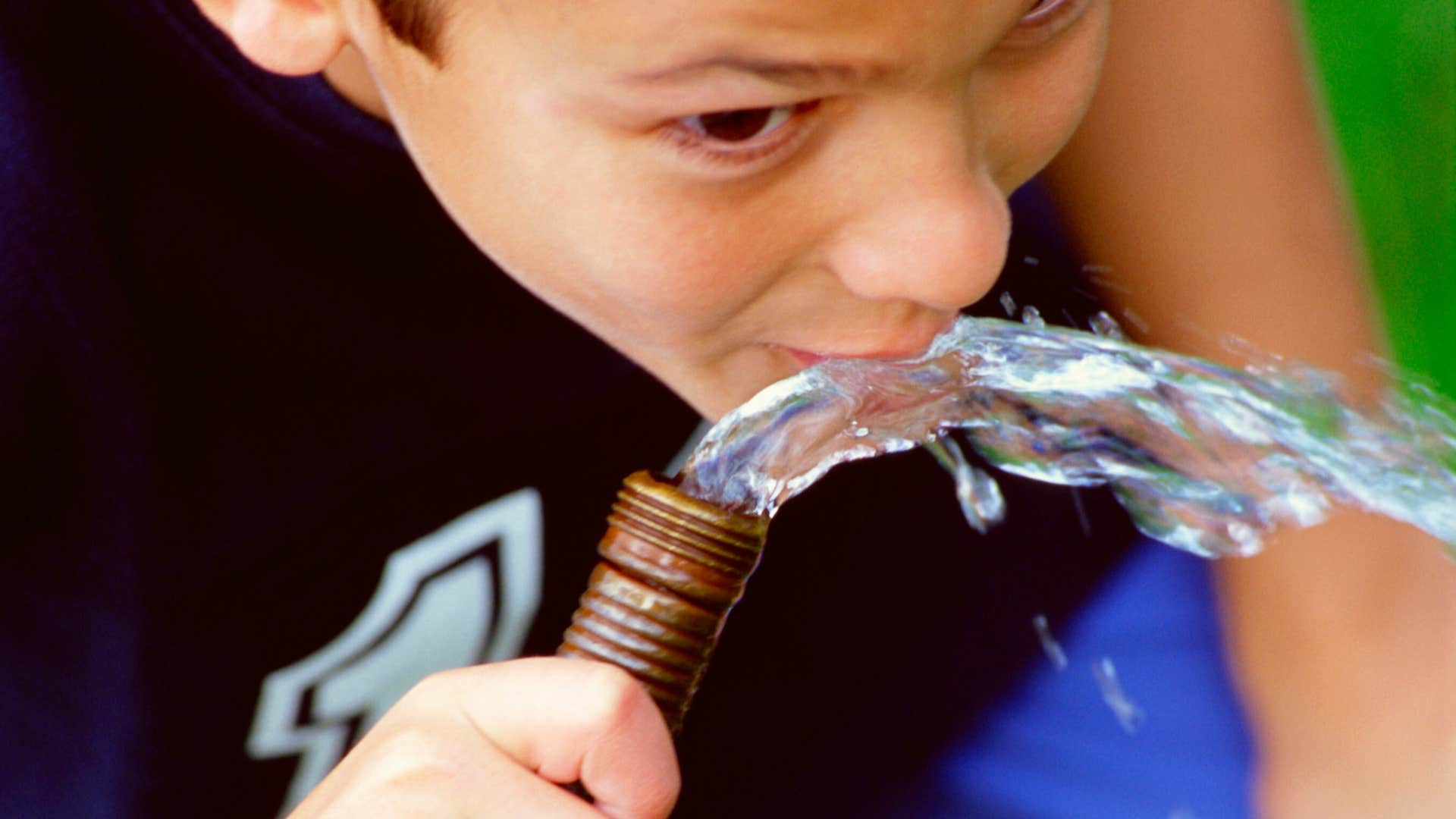
10. Drinking from a water hose outside
 Dynamic Graphics Group via Canva
While there are a million different disclaimers and regulations about the safety of drinking through a garden hose today, it’s one of the things that adults trusted kids to do in the 1980s that feels wild today.
Not only are kids not drinking from random hoses outside, but they’re often not spending much time alone without a parent around anyway. Either they’re inside, being distracted by technology and phones, or they’re being heavily supervised by parents outside. There’s less freedom for kids, especially in comparison to adults who grew up just a few decades ago.
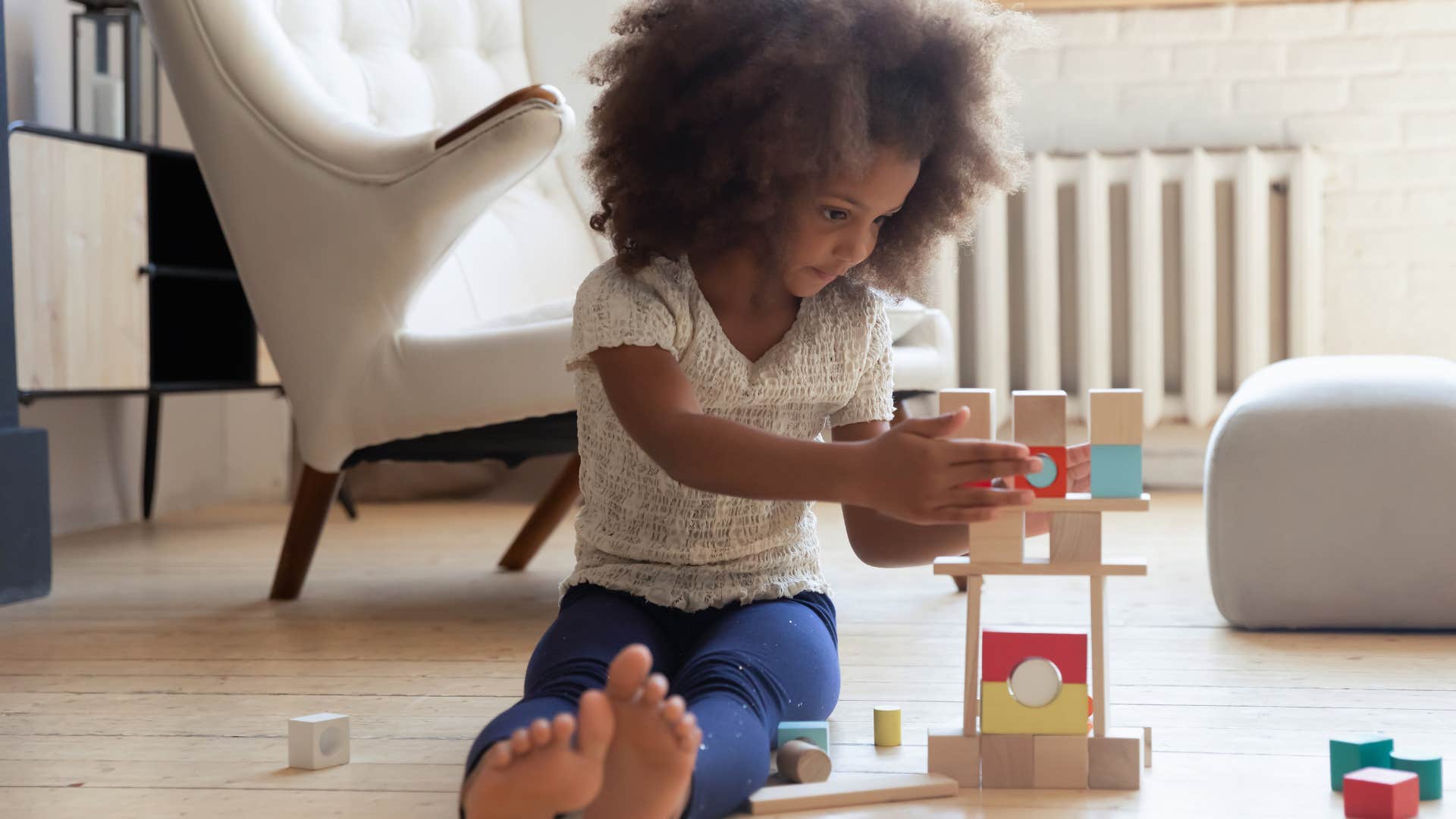
11. Managing boredom
 fizkes by Getty Images via canva
Compared to many overprotective, “gentle” parents today who feel a pressure to entertain their kids and cure their boredom every single day, managing their own free time was one of the things adults trusted kids to do in the 1980s that feels wild today.
In fact, offering kids the chance to regulate their own emotions and manage their own boredom is incredibly important for their health and well-being, at least according to a study published in Embo Reports. From building critical-thinking skills to learning to manage their own discomfort, it’s the kids offered a sense of independence with their time that thrive later in life.
Zayda Slabbekoorn is a senior editorial strategist with a bachelor’s degree in social relations & policy and gender studies who focuses on psychology, relationships, self-help, and human interest stories.
