
11 Things People Have Pretty Much Stopped Buying This Year Because The Price Hike Is Insulting
 DimaBerlin | Shutterstock
 With inflationary pressures and general economic difficulties among most households, with 2.4% rise in consumer prices people experienced over the past year, as reported on by the U.S. Bureau of Labor Statistics, has taken a toll. From experiences like annual vacations that used to be the norm for American families to regular grocery trips, there are many things people have pretty much stopped buying this year because the price hike is insulting.
According to a study from the Urban Institute, nearly 40% of Americans are even struggling to afford basic needs like rent and food right now, on top of the random expenses and experiences that truly add meaning and joy to their lives. So, if you’re struggling and feeling the weight of financial stress more now than ever, you’re not alone.
Here are 11 things people have pretty much stopped buying this year because the price hike is insulting
1. Fast food meals
 we.bond.creations | Shutterstock
Despite being one of the most historically convenient and accessible meals for households struggling with finances, especially when they’re the only food centers in a community with no real grocery stores, within the past year even fast food meals have experienced an increase in price.
Of course, despite charging an average price of nearly $12 for value meals that used to be a couple of bucks, many fast food employees are being underpaid and overworked by their employers. According to a LendingTree study, they’d need to work twice as long as the average corporate employee to be able to afford the meals their employers are upselling to the general public.
2. Daily coffee shop trips
 GaudiLab | Shutterstock
According to a data release from the Consumer Price Index, coffee prices in the U.S. have increased by nearly 20% over the past year alone, shifting Americans’ daily routines and their ability to afford a latte at a fast food coffee chain. With the average price lingering somewhere around $8 per beverage, it’s become something people have stopped buying out of the house out of necessity.
Despite being a habit that used to bring joy and routine to working Americans before starting their day, it’s not something people have had to replace or let go of to afford basic necessities like gas, groceries, and rent.
3. Streaming subscriptions
 Prostock-studio | Shutterstock
From Netflix to music streaming platforms like Spotify, over the past year, many subscriptions have increased in price. Anywhere from a $1 to $10 dollars monthly, the average price consumers are paying for subscriptions is almost entirely unaffordable for most today. Despite spending an average of nearly $100 monthly on streaming subscriptions, many Americans experience a “creep” of increasing prices without noticing it immediately.
Especially if they’re not regularly checking thier bank statements or monitoring sly subscription price emails, this added financial pressure can go unrecognized for months. That’s part of the reason why many are choosing to get rid of most of their subscriptions entirely, because the price hike is equally insulting and unaffordable.
4. Greeting cards
 Pixel-Shot | Shutterstock
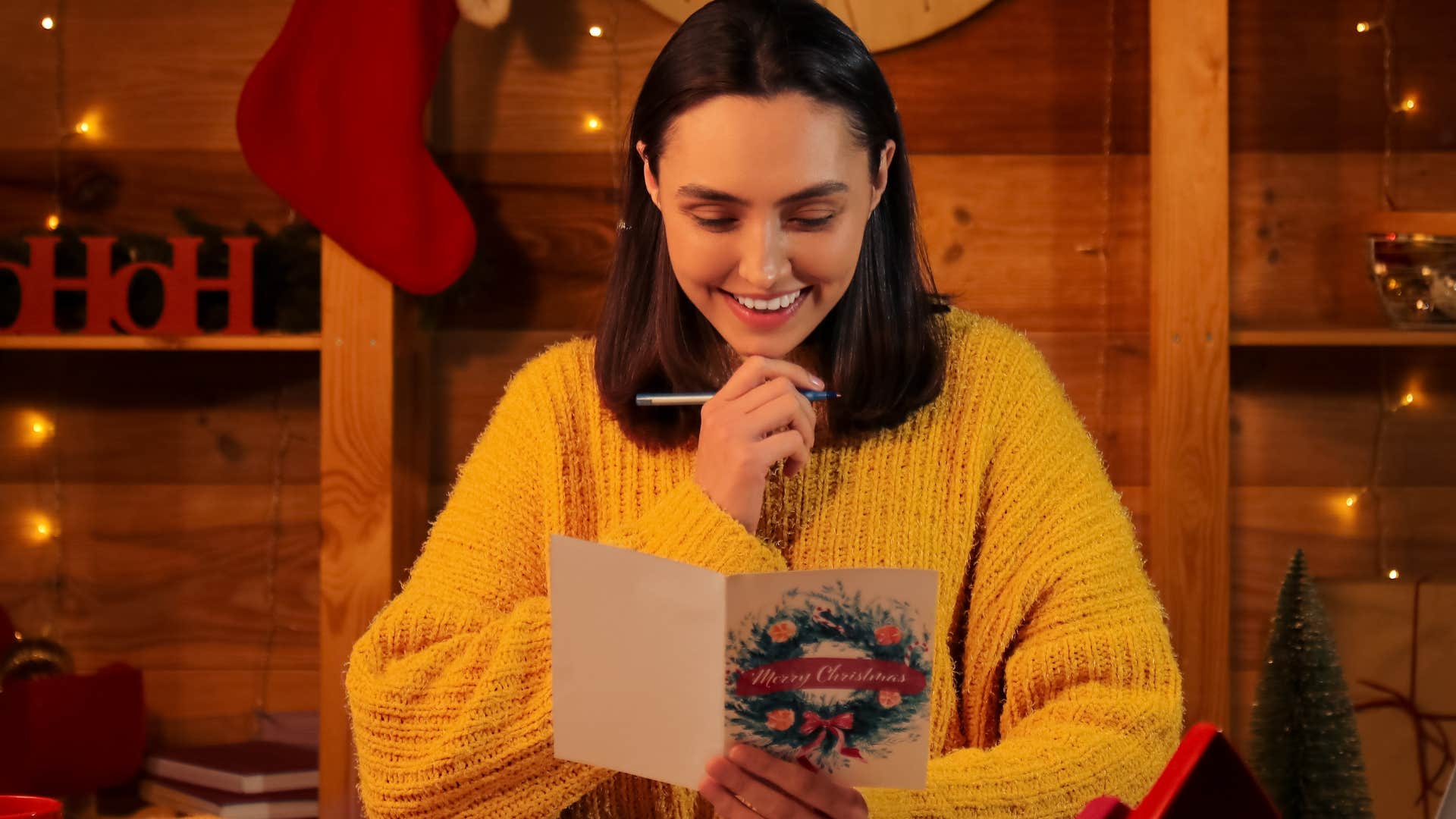
While the print media industry is certainly being revitalized by younger generations attempting to disconnect from their phones, the greeting card industry is nowhere near where it used to be. Especially with the accessibility of phones to connect with people and the economic hardships creating strict budgets in the average household, they’re not a necessity anymore.
While these kinds of handwritten cards and letters can help to ease the loneliness many are experiencing in their adult lives today, they’re not always accessible and affordable for people pinching pennies to afford their groceries or rent at the end of the month.
5. Food deliveries
 fizkes | Shutterstock
With some delivery platforms charging consumers prices nearly 90% higher than their in-restaurant costs, it’s not surprising that the convenience of delivery is one of the things people pretty much stopped feeding into amid inflationary pressures and economic turmoil.
While our convenience culture urges people to overspend on these platforms and services, with the added price hikes and added fees consumers are forced to pay, it’s largely becoming inaccessible and unaffordable.
6. Tech upgrades
 PH888 | Shutterstock
Despite our society’s pressure to buy status symbols like new iPhones and lean into the “next best thing,” many consumers are struggling to keep up with constant waves of tech upgrades and new technological devices.
Especially as AI upgrades and processing systems increase the cost of technology, consumers will only continue to face higher prices when they need a new laptop or cell phone.
7. Gym memberships
 PeopleImages | Shutterstock
According to a survey from the Health & Fitness Association, around 25% of Americans currently have some kind of gym membership. While fitness and wellness are clearly growing more important for people in their daily lives, financial struggles and obligations are also leading to more cancelled memberships and at-home alternatives to save money. While some people have access to health insurance plans that offset these rising costs, most don’t have the privileges and accessibility of these plans.
Especially if there’s an alternative to working out at home or in a cheaper place, Americans don’t have the privilege to continue paying, especially at the expense of others' necessities.
8. Brand-name products
 Standret | Shutterstock
From cleaning products to snacks for their kids, the average American can no longer afford to spend extra on brand-name products. While some consumers believe that brand-name alternatives taste “better,” the major differences between generics and brand-name products come from marketing and packaging, rather than true ingredients.
It’s one of the things people have pretty much stopped buying this year, largely due to financial constraints around buying groceries and putting food on the table. They’re cutting back where they can and budgeting with generic costs in mind, usually out of obligation, rather than choice.
9. Fast fashion
 Gorodenkoff | Shutterstock
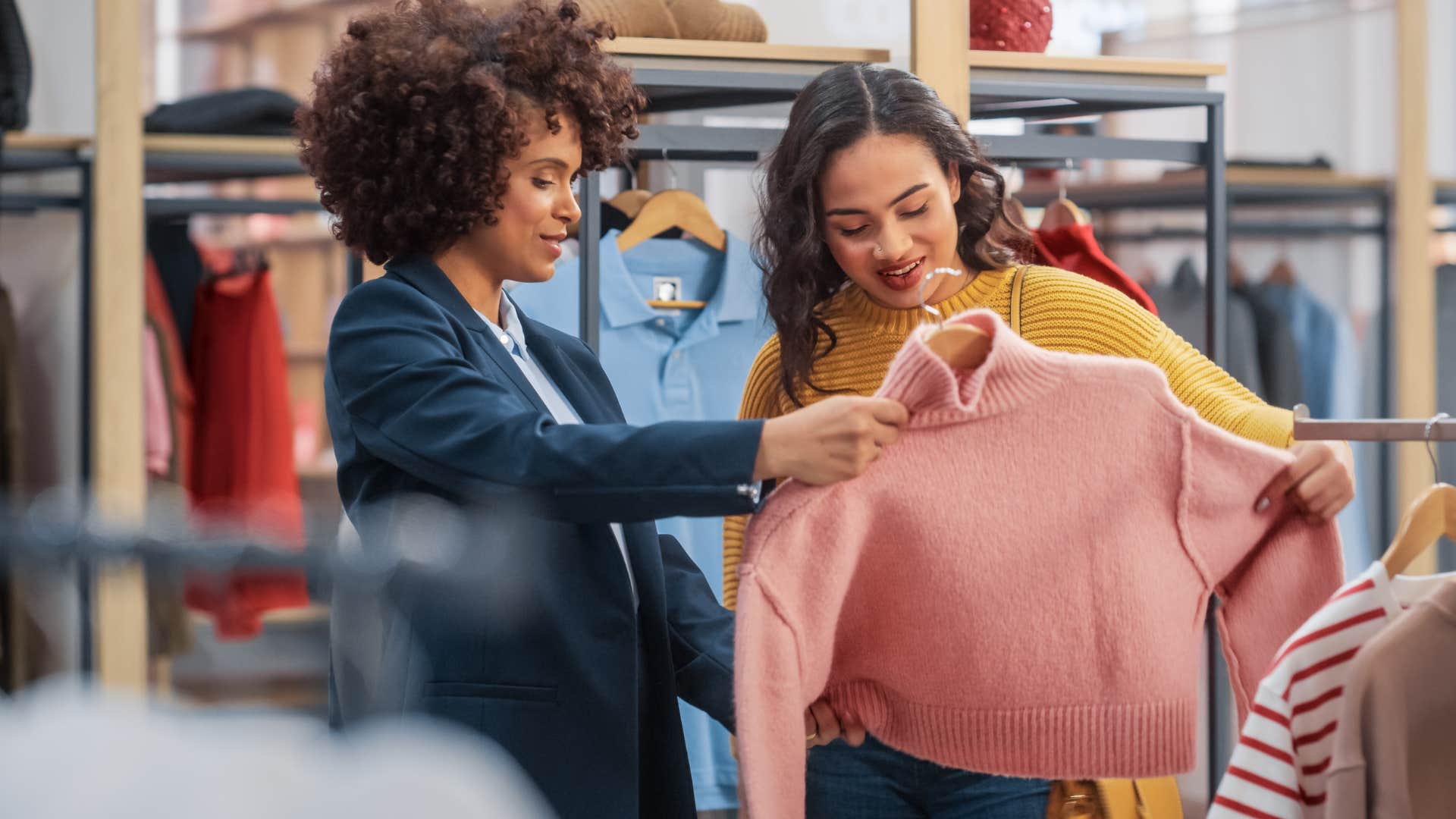
Instead of buying the “next best thing” or feeding into trends at the expense of longevity, many people are choosing not to lean into fast fashion in the current economic climate. If they have to spend, they’re usually opting for thrift stores and secondhand shops to get the best prices, although they’ve also been forced to raise prices amid heightened consumer demand.
Hand-me-downs and secondhand clothing are the only options for many households, especially for growing kids in different seasons amid economic struggles and money stress.
10. Movie tickets and snacks
 bbernard | Shutterstock
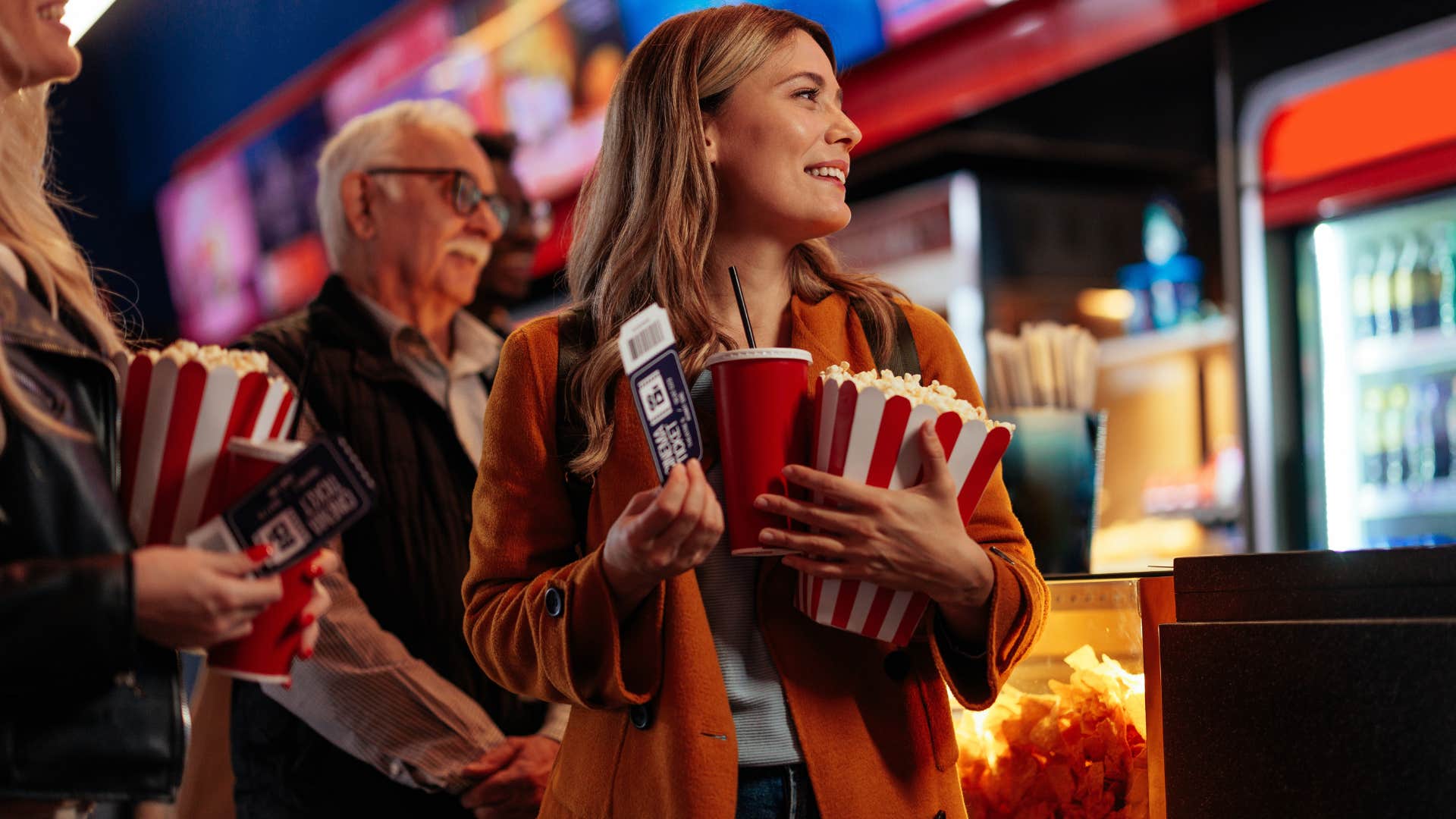
While going to the movies as a family used to be an accessible, cheap excursion for many households, a LendingTree survey found that nearly 80% of moviegoers now believe that movie tickets and snacks are a “luxury.” With the average ticket price lingering around $30, along with incredibly expensive snacks and oftentimes transportation, it’s something they’ve pretty much stopped buying.
Especially when basic necessities are already a struggle to afford, it’s usually these fun experiences and excursions that are removed first from a household budget.
11. Bottled water
 Art_Photo | Shutterstock
The average American can save around $1,236 annually by opting for reusable water bottles instead of purchasing single-use ones, according to a study conducted by Penn State University. While it might seem like a small, harmless habit for convenience in the moment, the cost of bottled water quickly adds up.
While they might take more preparation and cleaning time to take care of, reusable water bottles are quickly urging people to spend less on bottled water amid surging prices, especially as basic necessities become a challenge.
Zayda Slabbekoorn is a senior editorial strategist with a bachelor’s degree in social relations & policy and gender studies who focuses on psychology, relationships, self-help, and human interest stories.
