
If Someone Suddenly Stops Posting On Social Media, It Usually Means These 11 Things Are Happening
Is it a red flag or a sign of internal growth?
 Josep Suria | Shutterstock
 Self-esteem is negatively impacted both by social media-induced social comparisons and even regular posting on these platforms through the lens of external appeasement, at least according to a study from the Journal of Computer-Mediated Communication. When you’re posting for everyone else and curating a feed to fit in, of course you’re going to feel less and less connected to your own personal authenticity and self-image. However, there are also a million other things that influence a person’s presence — or lack thereof — on social media.
In fact, if someone suddenly stops posting on social media, it usually means these things are happening. From dealing with a major life change to finally outgrowing the desire to “fit in” with everyone else, someone may find themselves naturally disconnecting from the toxic aspects of the digital world to cope with things happening in their own personal realities.
If someone suddenly stops posting on social media, it usually means these 11 things are happening
1. They’re experiencing a major life change
 fizkes | Shutterstock
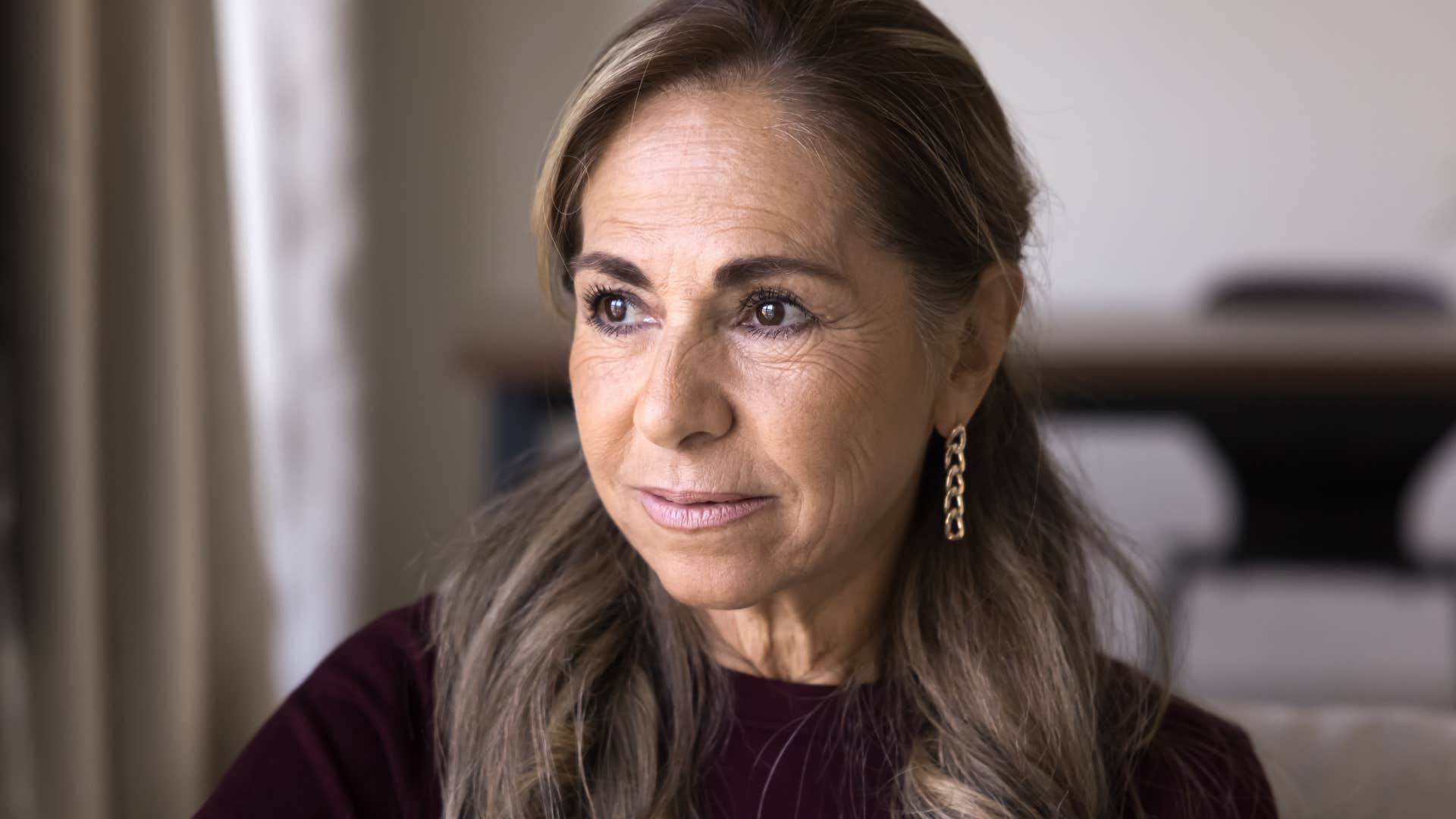
Whether it’s the loss of a loved one, a shift in their career, or a change of identity that causes their routines to shift, if someone suddenly stops posting on social media, it usually means these things are happening.
Not only are they likely coping and healing on their own terms, but they’ve probably also experienced a shift in perspective that urges them away from all-consuming habits on social media. They’re outgrowing an old version of themselves, no matter how painful or uncomfortable that may be.
2. They’re grieving
 Bits And Splits | Shutterstock
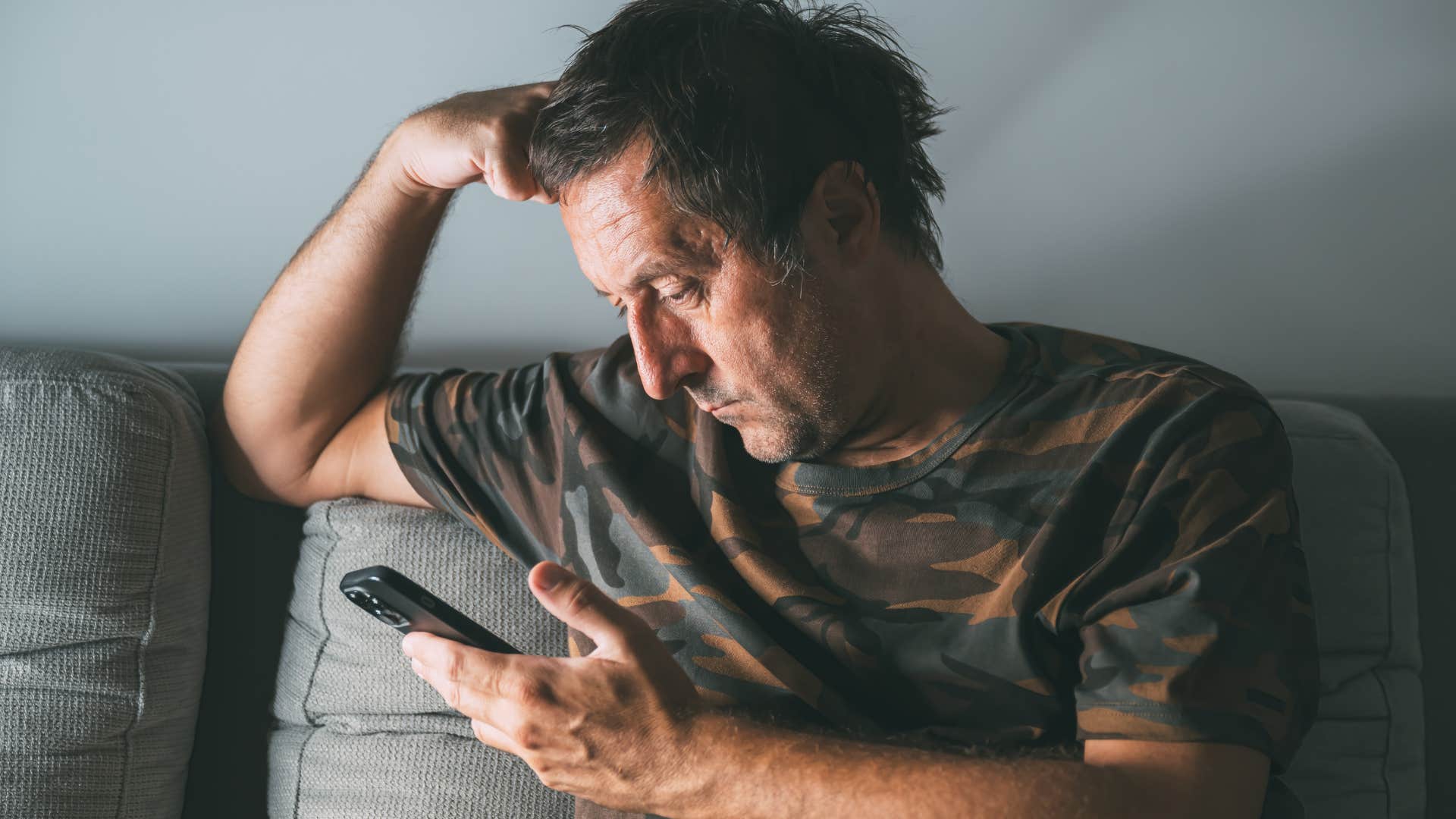
Many people who are grieving find themselves isolating in every sense — disconnecting from social media and potentially from their day-to-day lives. Social media can be especially hard to reconnect with during the grief process, as everyone seems to move on, and they’re still stuck in a place of struggling.
Even if they’re coping in healthy ways, they may seek social support in their real lives, reminded of what’s actually important. Like a 2024 study explains, it’s this kind of real support that lowers intense grief symptoms and reduces the risk for further mental health concerns. So, if someone stops posting on social media, it usually means these things are happening.
3. They’re maturing emotionally
 Stokkete | Shutterstock
Even if they’ve spent the past several years of adulthood seeking attention and approval on social media, as someone grows into their own sense of maturity, the emotional intelligence and self-esteem that follows may urge someone to disconnect. They’re not seeking external validation on social media, but rather focusing on their in-person relationships and well-being.
They may still post on social media, finding belonging and connection online, but when it comes to seeking reassurance, they’ve learned how to provide it for themselves or seek it out healthily from the loved ones already in their lives.
4. They’ve found other hobbies to indulge in
 Golubovy | Shutterstock
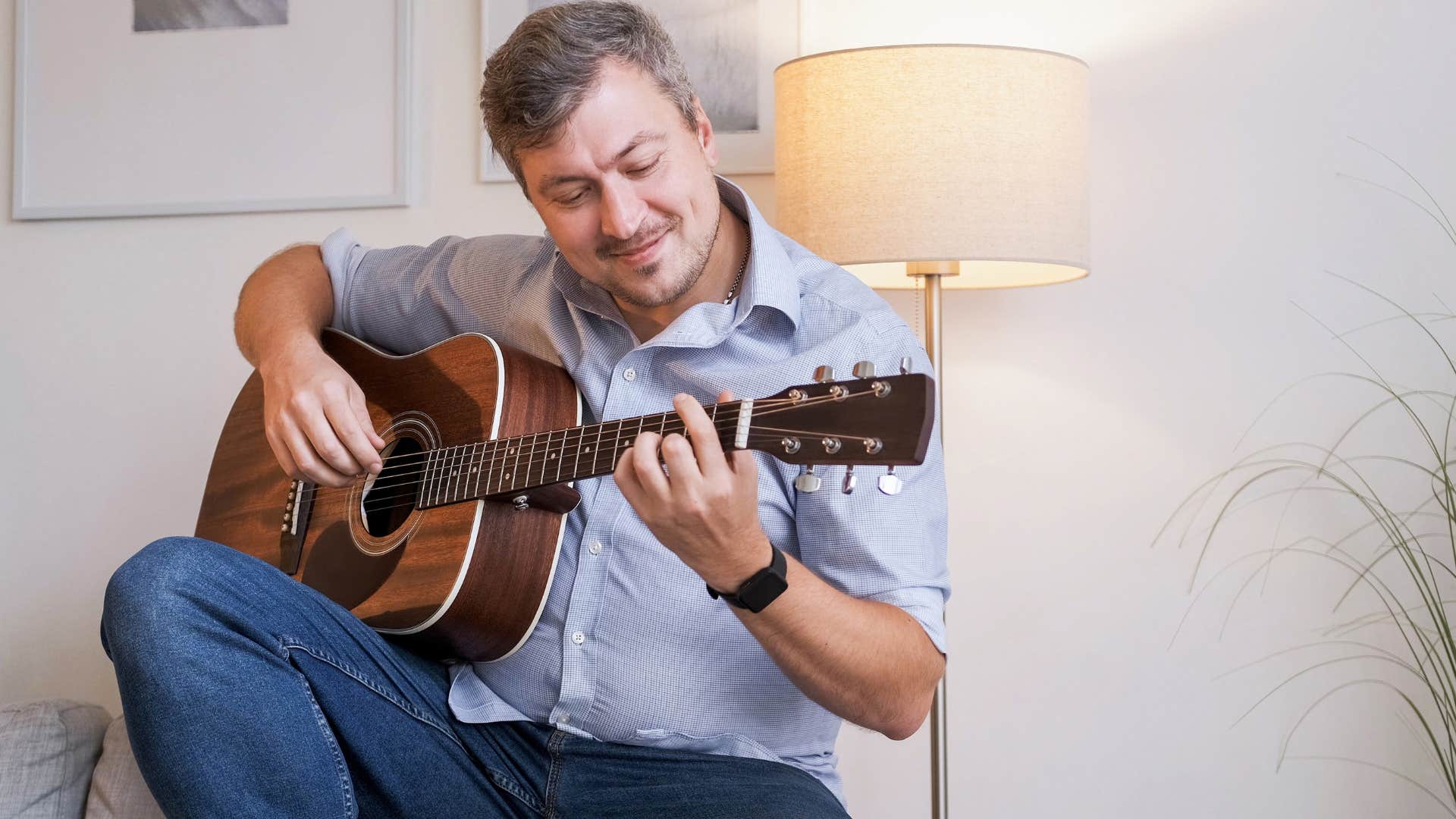
People who spend less time on social media often have hobbies and rituals that fill their time in reality. They may still indulge in phone calls and passive scrolling every once in a while, but when they come home to enjoy solitude, it’s not passive, mindless entertainment that fills their time.
Luckily, according to a study from Nature Medicine, having hobbies is generally tied to better levels of happiness and well-being. From artistic pursuits to random niche musical hobbies, if someone takes the time to connect with themselves and their identity with these rituals, they’re more secure and happy because of them.
5. They’re setting boundaries with their phone
 InesBazdar | Shutterstock
Setting boundaries with your phone could be the key to health. So, if someone stops posting on social media, it could be a side effect of putting themselves first — finally leaning on their self-discipline to set boundaries with things that so often put their well-being at risk.
Even a two-week social media detox shows grandiose improvements to a person’s daily life, according to a Behavioral Sciences study, from life quality to relationship satisfaction, mental health, sleep, and physical well-being.
So, even if passively scrolling and posting online for attention feels harmless, evidence like this study suggests people who set boundaries are reaping far more benefits from their disconnection.
6. They’re avoiding someone online
 MAYA LAB | Shutterstock
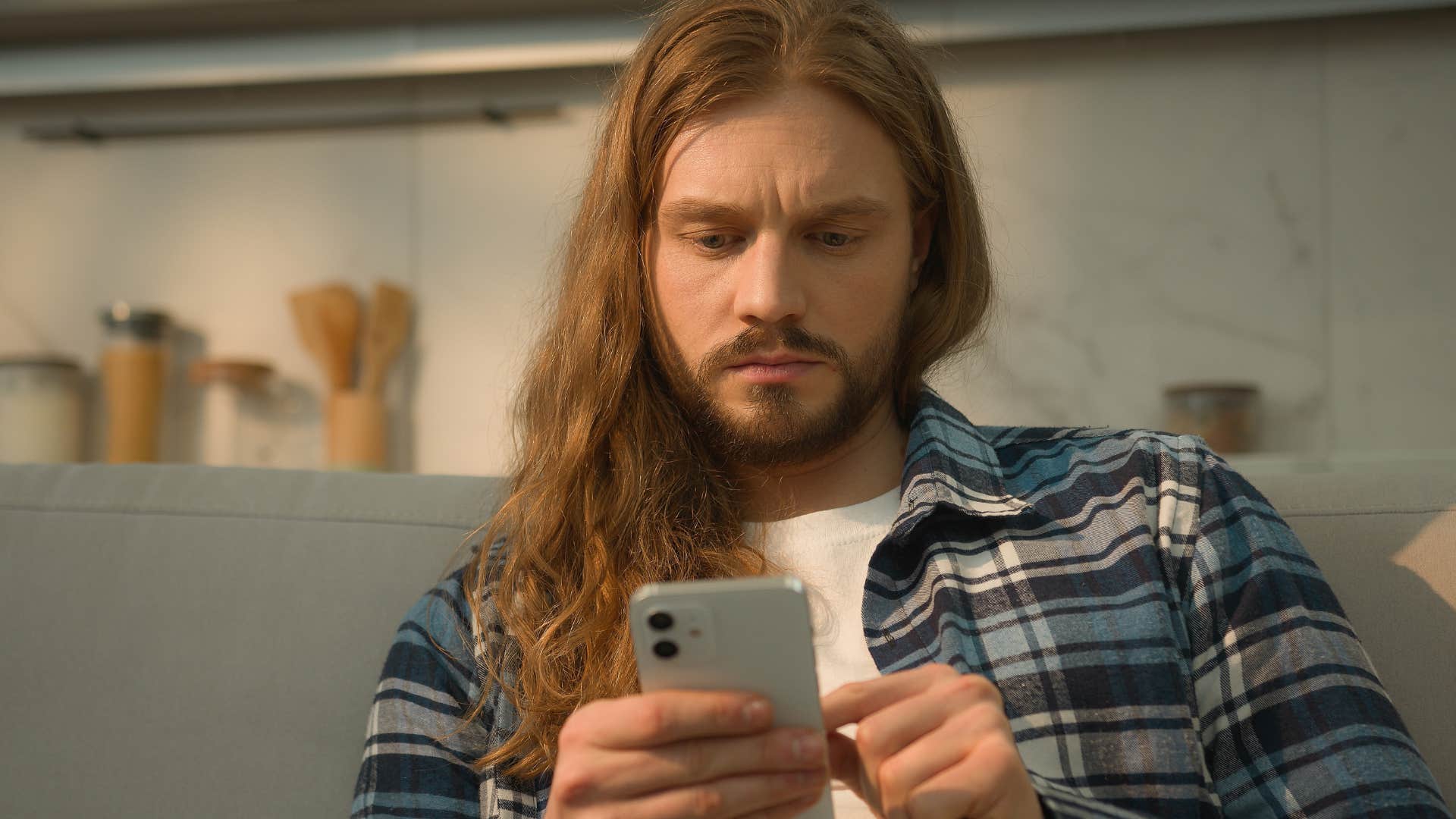
Instead of addressing their tension with someone online or expressing their emotions, someone who’s actively “ghosting” or avoiding someone may spend less time posting or engaging on social media. They don’t want to have that difficult conversation or address the problems they’re experiencing in a relationship, so they essentially “go dark” on social media.
Especially when it comes to platonic relationships and friends, ghosting can often leave lingering feelings of depression and distress for everyone involved, at least according to a study from Telematics and Informatics. So, even if it offers a fleeting sense of comfort, it’s hardly ever worth the long-term consequences it sparks.
7. They’re stuck in a toxic relationship
 PeopleImages | Shutterstock
Manipulators and toxic partners often try their best to isolate their victims from the loved ones who truly care to make them easier to take advantage of. The fewer people who reach out and check in on them, the more vulnerable they are.
Even if that’s happening on social media, if someone stops posting, it’s possible they’re being controlled or coerced into disconnecting by a toxic partner. Of course, social media can be a negative influence in any kind of relationship, sparking mistrust and creating envy, but for the most part, in a toxic relationship, it can give people a sense of respite and connection with others, which protects them from being completely isolated.
8. They’re mentally overwhelmed
 Roman Samborskyi | Shutterstock
If someone is emotionally overwhelmed all the time and chronically stressed out, chances are they’re going to stop making the effort to post curated photos and content on social media. Yes, they may still be doomscrolling quietly behind the scenes to distract themselves from their inner turmoil, but when it comes to the creativity and inspiration it takes to post, they’re lacking.
Especially if they’re struggling with self-esteem or self-image in the face of their emotional turmoil, sharing their life or their face on social media for a ton of people to see is likely the last thing they want to do.
9. They’re grappling with shame or embarrassment
 PeopleImages | Shutterstock
People who have unhealthy habits online, constantly compare themselves to others, or struggle with a sense of individuality amid trends may live in a state of constant internalized shame. Social media isn’t an uplifting place for connection, but rather a place riddled with embarrassing moments and shame.
Especially considering that negative comments and embarrassment on social media tend to play an influential role in predicting our mental health and identity, like a study from Scientific Reports suggests, disconnecting from this shame-filled culture could be the key to healing and moving forward.
10. They’re consistently depressed or anxious
 PeopleImages | Shutterstock
While a ton of research argues that social media habits often spark negative mental health issues in young people, the truth is that screen time can be harmful for anyone, of any age. Especially alongside unhealthy habits like social comparisons or doomscrolling, the negative effects are amplified.
The more depressed or anxious they become, the more they lean on social media and the internet for easy distraction. Yet, they’re only thrust into a more problematic spiral of mental health struggle, isolation, anxiety, and social media use.
11. They’re too busy consuming content
 Olezza | Shutterstock
Despite the dangers of things like “doomscrolling” online, so many people rely on social media and online habits to feel a sense of comfort amid their chaotic lives. But in actuality, these habits are simply another form of avoidance — they’re distracting themselves with entertainment, when there’s deep, complex emotions ready to be addressed right below the surface.
Rather than living life and posting content as they wish, they’re doomscrolling, consuming content, and distracting themselves with unhealthy coping mechanisms.
Zayda Slabbekoorn is a senior editorial strategist with a bachelor’s degree in social relations & policy and gender studies who focuses on psychology, relationships, self-help, and human interest stories.
