
It's Only Been 10 Years, But These 12 Once-Basic Middle-Class Experiences Now Seem Unaffordable For Most
 AlpakaVideo | Shutterstock
 Many American families are struggling financially. In fact, according to a PYMNTS Intellegence survey, nearly 50% of American households who make more than $100K annually, and 62% of Americans in other class situations, are living paycheck-to-paycheck. Over the last decade, in addition to having trouble covering basic necessities like groceries and rent, nearly half of adults also don’t have emergency or savings funds, causing them to rely on credit cards and financial sacrifice.
From basic things like attending concerts to life-changing experiences like having children, though it's only been 10 years, these once-basic middle-class experiences now seem unaffordable for most. And it's largely due to the fact that they’re too concerned with paying basic expenses to save or splurge on these things.
It's only been 10 years, but these 12 once-basic middle-class experiences now seem unaffordable for most
1. Having kids
 Evgeny Atamanenko | Shutterstock
According to the U.S. Department of Agriculture, back in 2017, the cost of raising a child born in 2015 was around $233K. But by 2023, the average American family spent nearly $300K raising a single child, a financial burden that’s only growing larger as the costs of childcare, education, and basic necessities increase. In fact, many couples are opting to have fewer kids than they originally wanted strictly because of these overwhelming financial barriers.
Of course, it’s not just the cost of actual childbirth that’s inaccessible for middle-class families, although its cost has specifically risen over 22% in the past few years. It’s what comes afterwards — paying for education, additional groceries, healthcare, preventative care like vaccinations, childcare, and more.
While discourse around lowering birth statistics is largely defined, sometimes mistakenly, as a result of the younger generations distaste for having and raising children (Gen Z has even been labeled the “selfish generation”), modern surveys reveal that it’s truly financial barriers and money crises that are preventing people from planning for kids.
2. Hosting family holidays
 Tirachard Kumtanom | Shutterstock
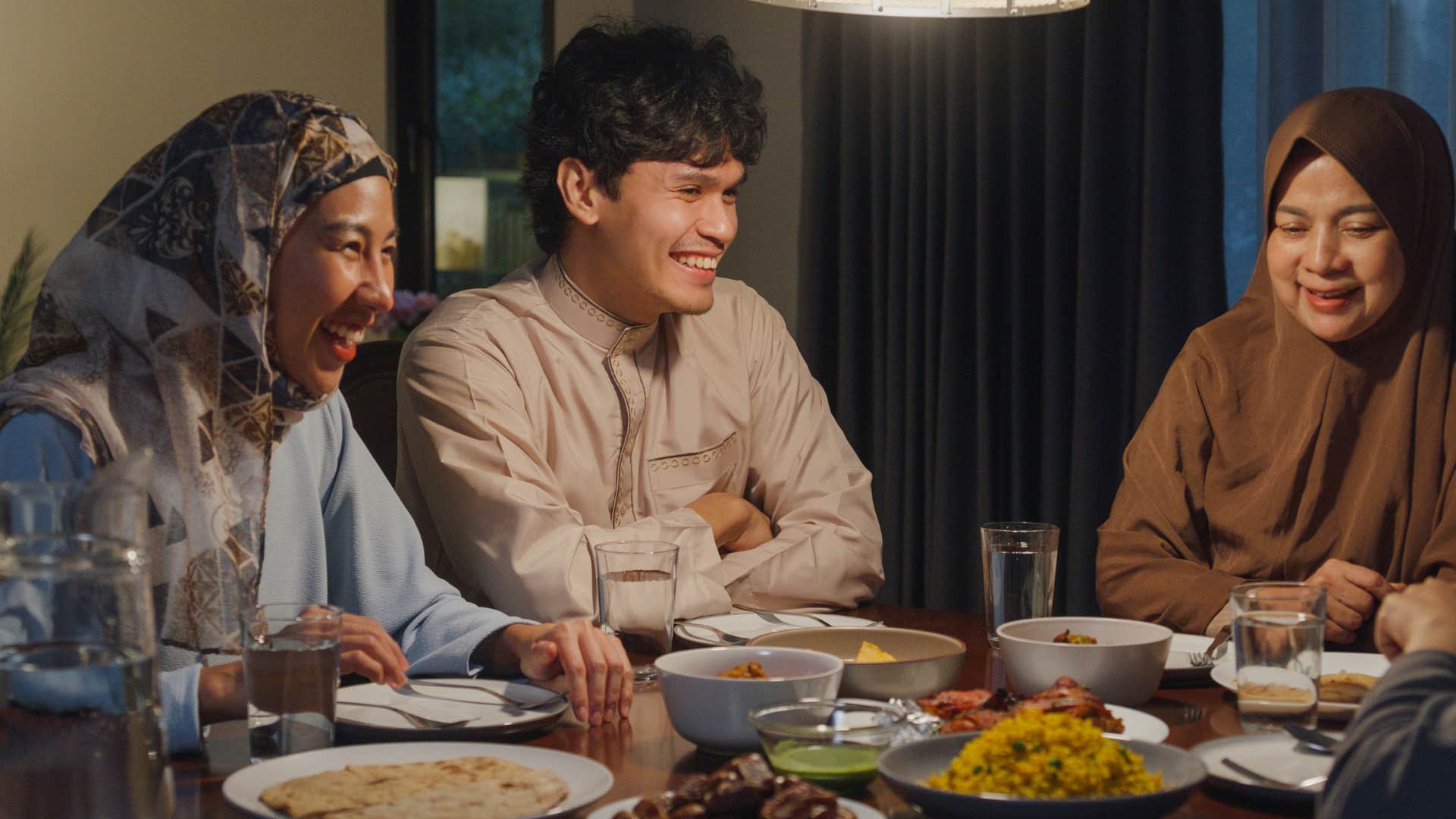
Whether it's buying groceries for dinner, purchasing and finding time to set up decorations, or getting presents and hosting celebrations, the holidays are becoming increasingly difficult financially for many middle-class families. As a CBS News poll found, four in 10 Americans don’t have the extra money to purchase gifts for the holidays, and many are forgoing buying any gifts so they can afford to make ends meet.
This financial struggle isn’t just contributing to less holiday gatherings, it’s largely isolating families and individuals from social connection, as “third places” like coffee shops are growing too expensive, and hosting has turned into a luxury.
Unfortunately, people facing financial hardship are seven times more likely to report persistent isolation and feelings of loneliness compared to more economically comfortable adults.
3. Attending concerts
 bbernard | Shutterstock
In 2015, the average cost of a concert ticket was around $76. It's only been 10 years, but this once-basic middle-class experience now seems unaffordable for most.
According to senior Billboard editor Eric Renner Brown, the cost increase many households have noticed in concert ticket prices can be largely explained by four main factors: economic consequences of the pandemic, inflation, artist livelihoods, and the rising costs of stage production. Without the security of digital streaming compensation on platforms like Spotify, many smaller and mid-tier artists are forced to raise concert ticket prices to make a living themselves.
While competition, similar to Taylor Swift’s “Era’s Tour” debacle on Ticketmaster, is intended to restore accessibility to concert tickets and fair prices, many middle-class families are having to cut the now-luxury expense out of their routines completely. They're making economic sacrifices to simply pay their monthly loan payments, grocery bills, and rent.
4. Childcare
 Pixel-Shot | Shutterstock
A 2026 report from Care.com found that the average household is spending 20% or more of their annual income on childcare alone ($30K or more), with 31% dipping into savings account to afford it. And as long as rent, groceries, and utility prices continue to rise, childcare will become even more difficult for middle-class families to afford.
While access to low-cost or no-cost childcare, like help from grandparents or family members, is shown to relieve many middle-class families' financial burdens, only 42% of working parents are able to utilize it. Whether it's because of geographical distance, smaller families, or transportation costs, it’s not feasible for many, leaving parents to make an incredibly hard decision: do they let their kids stay home alone, quit their job, or rely on a stranger to babysit?
It’s this kind of moral yet equally practical dilemma that burdens parents with not just stress about their financial situation, but anxiety about their children’s safety and well-being.
5. Staying in a hotel
 Media_photos | Shutterstock
The average cost of a family vacation in 2026 is around $2,000 per person, for one week, with hotels averaging $259 per night. Add airfare and ticket prices, and the cost has become astronomical. What was once a motivating force for singles and working parents alike is now an inaccessible luxury, and it's creating more burnout, anxiety, and isolation.
Specifically for middle-class families with children, having to skip spring break trips or not being able to afford going to a friend’s birthday party can spark resentment amongst parents and their kids, as well as between kids and their more financially comfortable friends.
To mediate this resentment and loneliness, nearly 48% of parents resort to using credit cards to fund vacations and travel, according to a survey from LendingTree, as they are willing to take on debt to spark joy in their children and create pockets of peace in their chaotic and stressful routines.
6. Sending kids to summer camp
 Sergey Sharkov | Shutterstock
A report from the American Camp Association revealed that the average daily cost for sleepaway camps is nearly $200, while day camps average around $87 per day. While there are low-cost camps and financial aid options for low-income campers, the restrictions generally cut out help for middle-class families making upwards of 100K annually, despite the majority of those households also living paycheck to paycheck.
In addition, transportation for children’s summer camps can be an issue for many families, especially those living in urban and suburban areas, as they don’t have the luxury of having the time or money to purchase casual plane tickets or travel hundreds of miles to drop their kids off.
So, while parents of all economic classes 10 years ago might have relied on summer camp to cut childcare costs and carve out some restful time for themselves, it’s become increasingly unaffordable for families today — at the same level, if not more, than traditional childcare and babysitting costs.
7. Seeing a dentist
 Karkhut | Shutterstock
The Commonwealth Fund Health Care Affordability Survey revealed that, for the majority of middle-class Americans, healthcare and dental coverage is largely inadequate, especially for covering costs related to preventative care like medications or dental work. In fact, the average cost of dental visits ranges from $500 to $1,500 per year.
Whether it's single people or those with a family, instead of being able to invest in early care like annual doctor’s visits and teeth cleanings at the dentist, middle-class families are forced to push off financial burdens down the road. Care has become reactionary, as people have to face larger issues like cavities, root canals, and other illnesses that are impossible to ignore.
8. Being a stay-at-home parent
 fizkes | Shutterstock
Childcare now costs more than college tuition, so to cut costs, parents may opt to have one parent stay home and raise their child while the other works. And while, in theory, this can help save money, the luxury of being a stay-at-home mom or dad has become a once-basic middle-class experience that now seem unaffordable for most.
There are several unfortunate consequences of money stress that take a toll on the health of parental relationships and family dynamics as a result. In fact, according to the Jimenex Law Firm, nearly 40% of divorces are sparked by financial problems. And for families that can afford (or, at the very least, can get by) with one person being a stay-at-home parent, that parent is more likely to continuously struggle post-divorce due to a lack of job experience and references needed to find employment.
This toxic cycle adds an unfortunate layer to the already complicated decisions middle-class parents make when it comes to financial sacrifices, childcare, and parenting. For some, it might mean finding a remote job and taking on both responsibilities at once. For others, it means parents working opposing schedules and never seeing each other.
9. Going to the hairdresser
 PeopleImages | Shutterstock
Many middle-class households are cutting out small luxuries like self-care, hairdressers, and nail salons to afford basic necessities like groceries or rent. Just like those basic needs, like housing and food, everyone should be entitled to a little bit of self-care every now and then. But with rising costs, even that seems impossible.
While some financial experts may criticize lower income people for "irrational" spending, lower- and middle-class individuals who choose to pay for small luxuries, like getting their nails done or buying a treat for their kids at the store, tend to be generally happier, less stressed, and more present in their families.
10. Getting a college education
 fizkes | Shutterstock
According to a report from the Education Data Initiative, the price of a college degree has risen dramatically in the past decade. With the average public four-year education cost rising by over 36%, with private fees rising by nearly 56% in the same time period, it's only been 10 years, but these once-basic middle-class experiences now seem unaffordable for most.
While financial aid resources like FAFSA have supported many low-income college students in getting a degree, a study from Pew Research Center found that, with the rising number of low-income undergraduates in the last decade, middle-class applicants are being squeezed out. This leaves many students from dual-income households fronting the cost of college with little financial support to take on more private education loans.
Not only has this drastically increased the amount of young professional college graduates living paycheck to paycheck today despite growing up in a middle-class family, it’s increased the amount of education loan and credit card debt the average graduate takes on as they navigate rising rent costs and huge monthly expenses.
11. Going on family vacations like Disney or ski trips
 Lordn | Shutterstock
From rising hotel costs, to transportation burdens, and lacking workplace PTO, many middle-class households don’t have the time or money to invest in family vacations compared to those a decade ago.
According to data from NerdWallet, the "average cost for a family of four to Disney World can easily top $6,000 for a seven-night trip, and that’s if you’re a frugal traveler," while "a week-long family trip to Disney World exceeding $15,000 is not unheard of." And forget about skiing. As writer Mia Blavatnik uncovered, "a one-day ski lift ticket at Sun Valley in 1990 cost $26 and in 2020 cost around $133."
The inaccessibility of these trips, which can provide a break for parents and bonding for kids, contributes to larger issues of isolation in financially struggling families as they adopt scarcity and survival mindsets to get by.
12. Planning a wedding
 your story by Mikhailova | Shutterstock
According to experts from Zola, the average cost of planning and hosting a wedding is nearly $36K, not including any additional transportation, hotel, or airfare expenses. Many young middle-class couples are even choosing to elope rather than plan a traditional wedding to avoid these incredible costs, instead saving money for necessities, bills, and savings accounts.
The same inaccessibility and affordability goes for people attending other people’s weddings, whether they’re part of the bridal party or simply a guest. Many bridal party members spend anywhere between $1,500 to $3,500 on gifts, outfits, bridal showers, bachelorette parties, and hotels.
Other guests struggle with affording a basic gift on a wedding registry, already spending money on transportation, drinks, and sometimes food for people’s weddings. And with costs continuing to rise, it's unlikely that weddings will become anywhere near affordable in the future.
Zayda Slabbekoorn is a staff writer with a bachelor’s degree in social relations & policy and gender studies who focuses on psychology, relationships, self-help, and human interest stories.
