
People Who Spend Tons Of Money On Little Things But Never Make Big Purchases Usually Have These 11 Odd Traits
 fast-stock / Shutterstock
 We live in a world where we have access to anything and everything at our fingertips. Gone are the days of saving up to go to the mall. Now we have the internet with endless websites to shop on, which makes it easy to get caught up in buying little things, even if you never make big purchases.
I don’t know about you, but I get a ton of ads for little things online. From cute hair clips to new hobby supplies, I can be tempted to buy almost anything after spending too much time on social media. While in a perfect world, I would save my money and never fall victim to these advertisements, buying yourself a little trinket feels good. No, it isn't always a financially sound decision. However, it can bring you a bit of temporary joy, and sometimes that’s all you need on a hard day. If someone has this mindset when shopping, they likely have some odd traits that accompany it.
People who spend tons of money on little things but never make big purchases usually have these 11 odd traits
1. They crave instant gratification
 Sorapop Udomsri from Sorapop Udomsri via Canva
Buying a little thing can bring joy. Whether it’s a latte from your favorite coffee shop or a little trinket you find while running errands, these little moments mean more than you’d expect. Sometimes, people chase that feeling.
Instant gratification is real. It’s the idea that someone wants something when they want it. When they see something that catches their eye, they might buy it for instant gratification.
Someone who craves this feeling may achieve it by spending money on small things along the way. Over time, they end up spending tons of money. They may not want to buy something big, but they are unknowingly spending a ton of money for the joy of doing it.
2. Shopping is their coping mechanism
 PeopleImages from Getty Images Signature via Canva
We’ve all heard the term retail therapy. For some people, this is a genuine personality trait. They cope with difficult things by spending money on little things. Instead of making a big purchase, they may constantly buy little things to bring them joy. It can be as simple as treating themselves to dinner after a hard day or clicking buy on many of the social media ads they receive daily. This personality trait causes them to spend emotionally.
“The term 'retail therapy' describes the act of shopping with the goal of improving your mood or avoiding difficult emotions. Retail therapy usually involves buying things you want, not things you need. Some people spend lots of money on jewelry, shoes or electronics. But little purchases — like a candy bar or a magazine from the grocery store checkout line — can scratch the same itch,” says the Cleveland Clinic.
3. They are non-committal
 Tamara Velazquez from baseimage via Canva
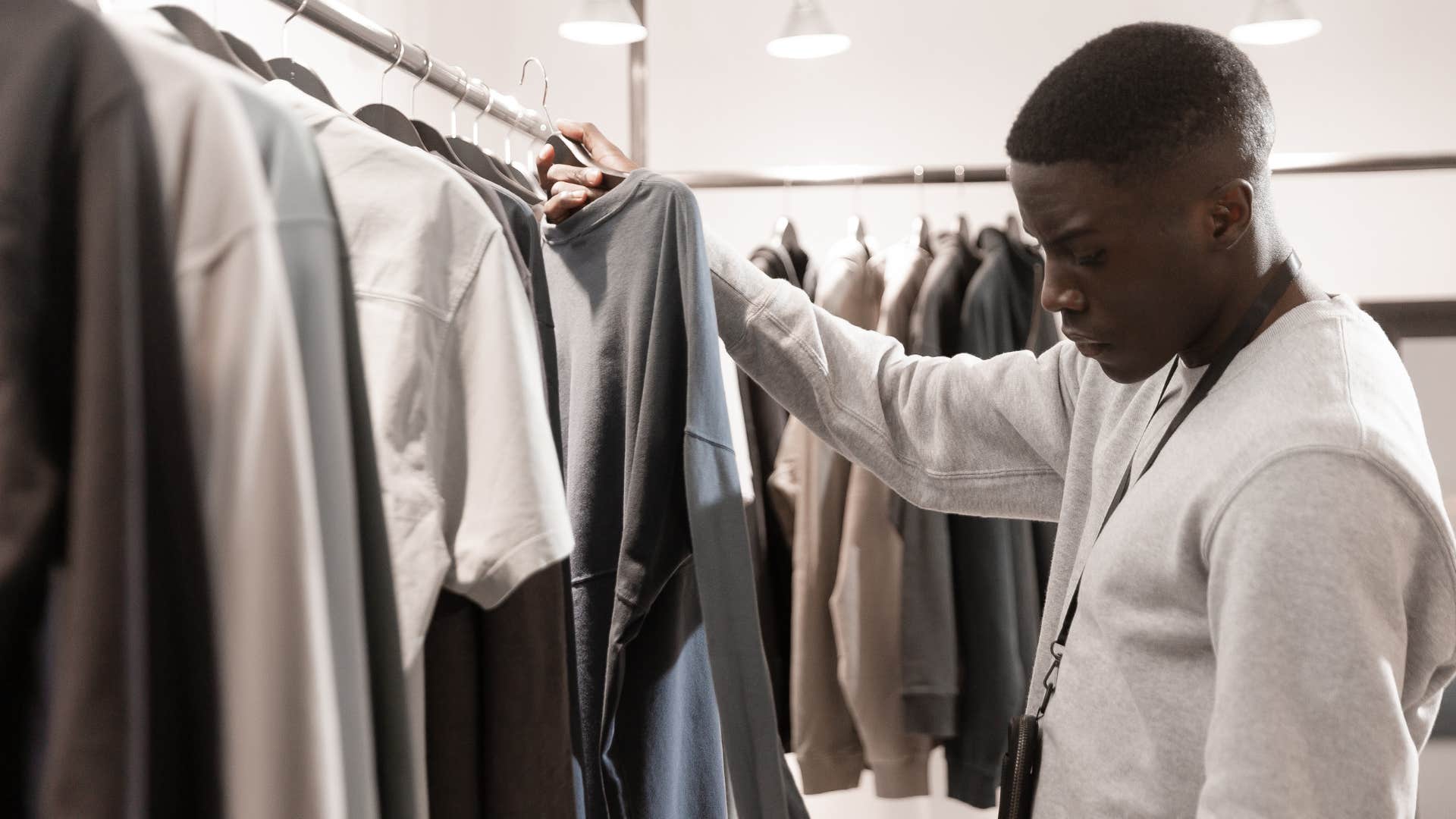
To someone who is non-committal, making a big purchase can feel overwhelming. It’s a lot of money to spend up front. Instead, they may prefer to buy little things as they go. What may surprise them is how much money the little things they purchase add up over time. They may end up spending a ton of money without realizing it. The money they were trying to save by avoiding major purchases could catch up with them in the end.
When we think of non-committal people, we picture romantic relationships. However, this mindset can extend to finances. They may feel guilty and worried about spending too much money. At the same time, they are unknowingly draining their bank account through small purchases.
4. They lack impulse control
 Eva-Katalin from Getty Images Signature via Canva
Some people struggle with impulse control. It’s a personality trait that they may wish they could stop experiencing. When a person lacks impulse control around shopping, they may find themselves constantly spending money on small purchases. When they go to the store, if they see something they like, they may buy it without thinking twice. Impulsive shopping can add up over time. While they may be afraid of making a big purchase, their impulsive shopping trips are costing them just as much.
Impulsive shopping means someone ends up purchasing something they were not planning to buy. For someone who lacks impulse control, a trip to the store for a few things can turn into a shopping spree. Even small purchases can impact their financial well-being over time.
5. They are easily overwhelmed
 Shopping King Louie via Canva
Easily overwhelmed individuals can struggle with shopping. To them, a big purchase seems scary. It can be overwhelming to see a large amount of money leave your bank account. Someone who has difficulty regulating their emotions may notice small amounts of money coming out of their account. It doesn’t feel as permanent or intense.
If you see purchases for $5 or $20, it seems reasonable. However, the issue occurs when little things add up quickly. They may end up spending as much as they would have on a big purchase they were considering.
6. They underestimate their spending
 Jelena Danilovic from Getty Images Pro via Canva
Some people naturally underestimate themselves. Sometimes, it can be an underestimation of their own achievements and success. This can cause them to lack self-esteem. However, for others, it can extend to their financial situation. They may think they are saving money by making little purchases often. In reality, they have completely underestimated their spending habits.
A study conducted by New York University discovered that most people underestimate how much they spend each month. For some, it’s a personality trait they can’t move forward from. They just can’t seem to conceptualize their spending habits.
7. They are self-indulgent
 Maksym Belchenko from Getty Images via Canva
Some people have the innate desire to treat themselves. They know that they work hard. It’s a personality trait that makes them want to be rewarded. Life is hard. Maintaining a career and personal life is far from easy. A person with this trait may find themselves celebrating their victories, no matter how small, by treating themselves to little things. It can be as simple as ice cream after a long day, or buying a few extra things at the checkout counter that they didn’t have on their list.
This type of person may be self-indulgent. They treat themselves to whatever they want, when they want. Big purchases can seem like too much money to spend, but their little gifts to themselves add up and begin to impact their finances.
8. They are trend-seekers
 Sladic from Getty Images Pro via Canva
We all have that one friend who is obsessed with what’s trending. They carry all the best brands and the items every influencer is talking about. They get a thrill from shopping and fear missing out on the next revolutionary product if they do not buy everything that’s trending online. This can be an unhealthy spending habit. While some spending may make them nervous, like buying something worth thousands of dollars and beyond, they may have no issue pulling out their credit card for the latest beauty hack.
They may go into the store for lipstick. They find the lipstick and add an eyeshadow to the cart. Suddenly, they see that the holy grail product everyone’s favorite influencer was buying. Now, they’ve spent a ton of money, but since it was on small items, it doesn’t feel like such a major expense.
9. They love sales
 creator205314 via Canva
Listen, I know sales add up. But I have a personality trait that makes me crave a good sale. I can be easily convinced to spend money on something on sale. Sales appeal to our desire to buy things. Instead of making one big purchase, we can be tempted by small items on sale that add up over time.
A study found that items on sale suck us in intentionally. “Your attention is drawn not only to that one product that’s on sale, but it also spills over to the products that are located nearby,” said Christina Kan, lead author of a study conducted by a team affiliated with the Leeds School of Business at the University of Colorado, Boulder.
How to fight back against the sales rack? Kan recommends searching the whole shelf for the best prices, not just what is on sale.
10. They value experiences
 Aflo Images via Canva
When you go shopping, you are having an experience. Sometimes, those experiences can be elevated by spending money. You enjoy the act of shopping and the thrill of solidifying the trip with purchases. Someone with a trait that makes them crave fun experiences may be drawn to spend more money. When they want to go out and do something fun, they are not afraid to spend a little here and there. A big purchase could overwhelm them, but spending on fun things makes it feel worthwhile, even if the costs add up over time.
For some, spending money on experiences that bring them joy feels like it’s a worthwhile expense. They may dislike the thought of dropping a lot of money on something necessary, but bringing excitement to their lives may be worth every penny.
11. They are easily swayed
 AleksandarNakic from Getty Images Signature via Canva
We all know that one person who is a salesperson's dream. They can be talked into just about anything. They dislike the idea of spending a lot of money at once, but if they can set up a payment plan or spread payments over time, they may be more easily swayed. When we pay over time, it can feel less expensive. Someone who is easily convinced can end up spending more than they’d originally set out to.
Sometimes, this type of person can be convinced to spend money if it seems like a deal. The price can sway them to buy something they did not necessarily need. “But focusing on price alone, even if it’s a sale price or a really low price, can seduce consumers into buying products they don’t need or ones that are not the most economical in the long run. This is because the price paid for a product is often uncorrelated with its cost per use,” says Utpal Dholakia, Ph.D.
Haley Van Horn is a freelance writer with a master’s degree in Humanities, living in Los Angeles. Her focus includes entertainment and lifestyle stories.
